


General Motors Death Watch 7: CPR
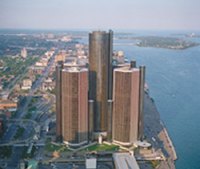
Whenever a domestic automaker goes to the wall, it's always someone else's fault: the foreign exchange rate, health care costs, pension obligations, product cycles, changing tastes, the media, government regulations, union contracts, etc. Executives start shuttling off to Washington to talk about "leveling the playing field'. By now, we're wise to these buzz words; they're an attempt to hide the fact that a US automaker "suddenly" lacks the competitive skills to take on their foreign rivals. This time it's GM. Well it's time for GM to stand up and take some responsibility for their actions.
This is not GM's first chance to come clean. Remember the Arab Oil Embargo of the 70's? Gas stations lines went around the block and gas prices rose to unheard of levels ($1 a gallon!). When consumers reacted by flocking to smaller, higher mileage foreign-made cars, GM claimed that the Japanese were "flooding the market" with cheap imports– as if it was some vast conspiracy to put Americans out of work. The plain fact was that the Japanese and German product was better than ours: better engineered, better built and more economical. Not that they'd say so, but GM's corporate laziness simply caught up with them.
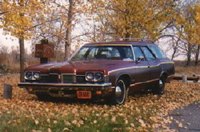
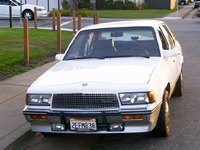
Egged-on by management, American autoworkers destroyed foreign vehicles at rallies, wouldn't let foreign cars park in manufacturing lots and generally hid behind the banner of patriotism. When the immediate crisis eased, The Big Three "woke up" and realized that their products' quality was sorely lacking. They made great strides, but rigid unions and timid management resisted change to the point of near extinction. They produced some truly pathetic product (e.g. Chrysler's K-cars and GM's Cimarron).
Fast forward to today. Once again, gas prices are soaring. Once again, consumers are buying high quality, high mileage vehicles from someone other than General Motors. Once again, GM has the wrong vehicles in its lineup. Once again, highly-paid executives are saying protect us, give us time and we'll turn it around. And once again, we're supposed to feel sorry for/support them simply because they're an American company, with American workers.
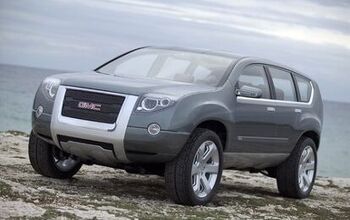
Well can someone please explain to me how in thirty years GM went from depending on sales of cars that got lousy gas mileage to depending on sales of trucks and SUV's that get lousy gas mileage? Why did they basically walk away from the small car market? Oh that's right: it's the Government's fault. By excluding SUV's from CAFÉ standards, GM and Ford were "allowed" to sell consumers huge, gas-guzzling vehicles, to rely on them for the lion's share of their profits. Never mind that the domestics used their influence to maintain this "light truck" legal exclusion in the first place.
During the highly profitable SUV times, the domestics claimed there was "no money in small cars". Rather than plowing their profits in new, better-built domestically-made cars, GM spent billions buying up a failing boutique brand (Saab) and "investing" in Fiat. Meanwhile, the Japanese and Korean automakers continued to mop-up the small and medium-sized car market, and developed headline grabbing hybrids. Does it strike anyone as funny that GM imports and re-badges Korean cars for their lineup? Not me.

Whose fault is all this? Who at GM has taken responsibility for all these blunders and blown billions? Who has stood up in front of the media, stockholders and consumers and said, "We were wrong. We got ourselves into this mess, and we're going to get ourselves out"? Where's the rescue plan? Where's the vision of what comes next? Simply pointing at its current models and saying, hey, we're doing a great job but the media hates us, is dangerous nonsense.
GM needs to stop looking for excuses or an easy out. If they're waiting for a white knight (Kerkorian? Toyota?) to rescue them, or hoping for some government intervention that will "level the playing field", the game will be over before they know it. America is no longer willing to support corporate ineptitude in the name of some "America first" campaign.
GM should stop its hand-wringing and publicly declare some ambitious new goals for future products' mileage, safety, pollution and market share. They need to tell the financial community what they're going to do to cut costs, and then do it; come what may. Simply announcing these targets for new product and committing to belt-tightening would transform GM from a victim to a fighter. From there, it's not that complicated. All GM has to do is produce world-class affordable products with fabulous designs, robust engineering and great mileage. I know GM has it in them. And if America loves anything more than a fighter, it's a fighter with the guts to make a comeback.

More by Robert Farago













Comments
Join the conversation