

Toyota Partners With Exxon to Test Low-Carbon Fuels

Toyota Motor Corp has announced it will be partnering with Exxon to develop a low-carbon fuel that can be used in gasoline engines. Considering that governments around the world are introducing stringent carbon emission standards, this seems like a worthwhile endeavor. However, Toyota also likes to throw spaghetti at the wall to see what sticks, and previous attempts to deliver on similar concepts have fallen flat.

Used Car of the Day: 1985 Toyota Mk2 Supra
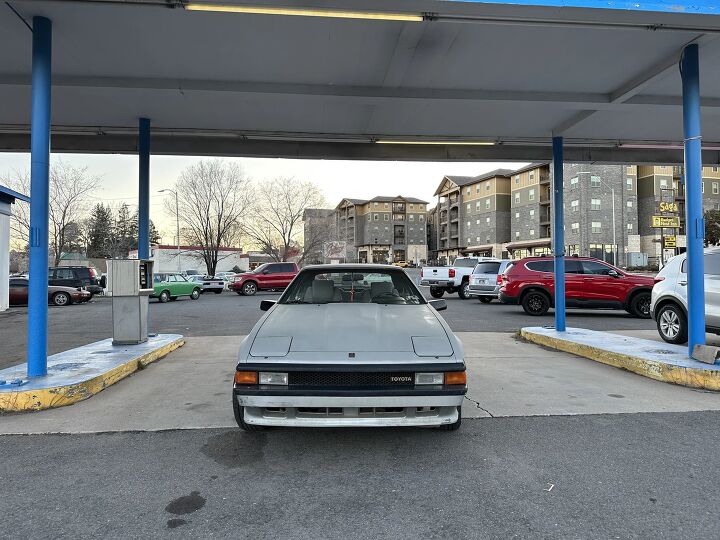
Today's used car of the day is a 1985 Toyota Mk2 Celica Supra that has a lot of miles on the clock.

Toyota Reads From the Book of Dirt
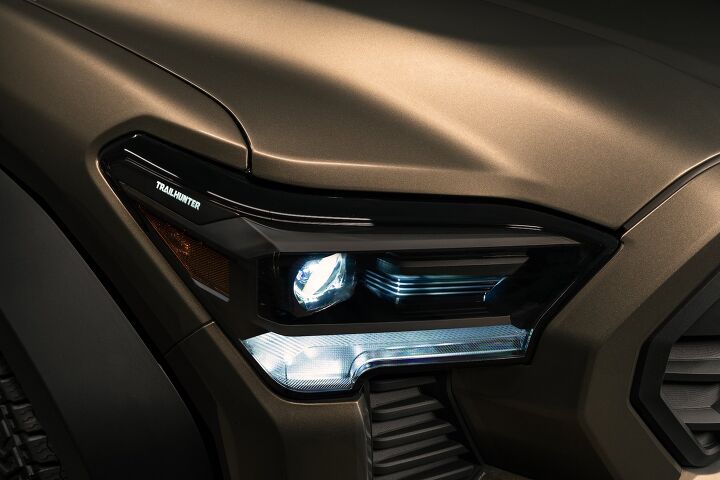
It seems every manufacturer with a pickup truck in their quiver is busying themselves creating numerous off-road variants; trims like Trail Boss, ZR2, Desert Boss, Tremor, Raptor, and Power Wagon are cropping up faster than auto journalists at the buffet.
Determined not to be left behind, Toyota dropped (yet another) teaser of the 2024 Tacoma – this time with a new Trailhunter trim targeted directly at overlanders.

Thieves Steal Toyota RAV4 by Hacking Into Its Headlights
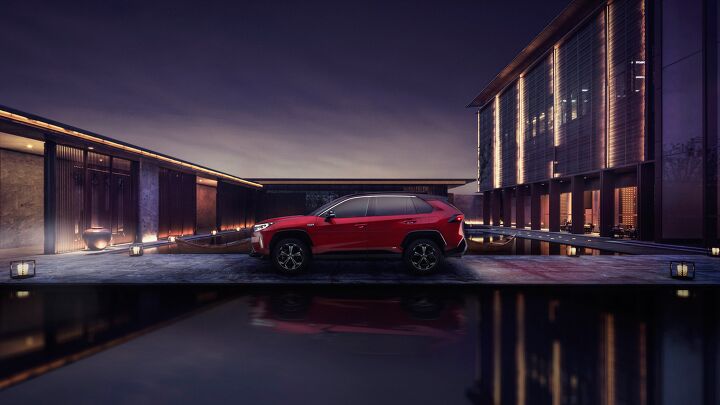
It seems car thieves develop a new and annoying method for making off with people’s vehicles every week. The TikTok-inspired thefts have gotten so bad that some insurance companies won’t touch particular Hyundai and Kia models. We also learned of a new key fob method that could activate keys from inside owners’ homes. Ars Technica recently reported on an even sneakier new hacker-like threat that comes packed into a small Bluetooth speaker.

Toyota Corolla Cross Hybrid Priced From $27,970, AWD Standard
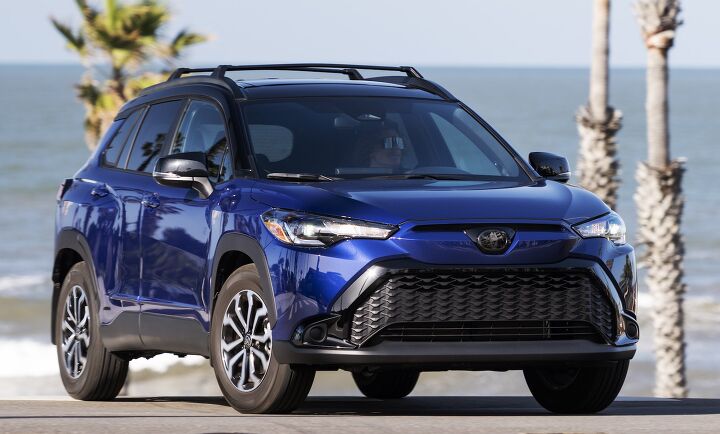
Come this summer, there will be a new contender in town for the choice of Default Car. Gifted a comfortingly familiar name, standard all-wheel drive, and a price tag south of thirty grand, it is all but assured Toyota will be able to quickly sell every single Corolla Cross Hybrid they can produce.
Toyota Teases Tacoma Tailgate
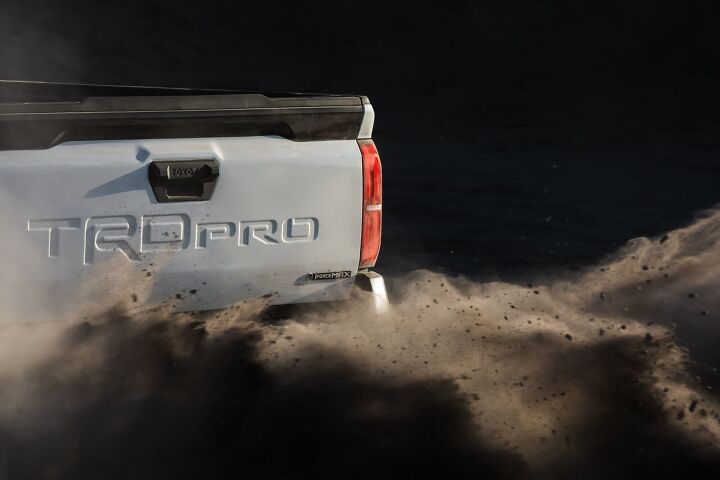
Awesome alliteration aside, this is the best (official) look we’ve seen so far of the upcoming Toyota Tacoma. Thanks to the brand’s glacier-like design cycle, it’ll be the first new Tacoma is ages – and all signs point to a hybrid powertrain under the hood.
Toyota Tacoma Teased Again Ahead of April 4 Debut
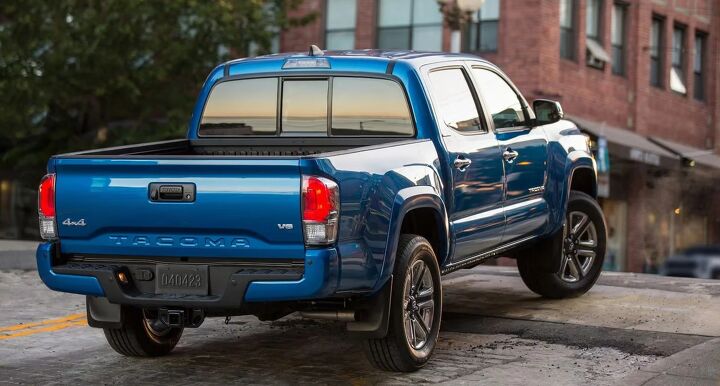
We saw a teaser image of the Toyota Tacoma last week, and now there are two more images -- one of which teases the release date.
Pour One Out for the JDM Toyota Camry
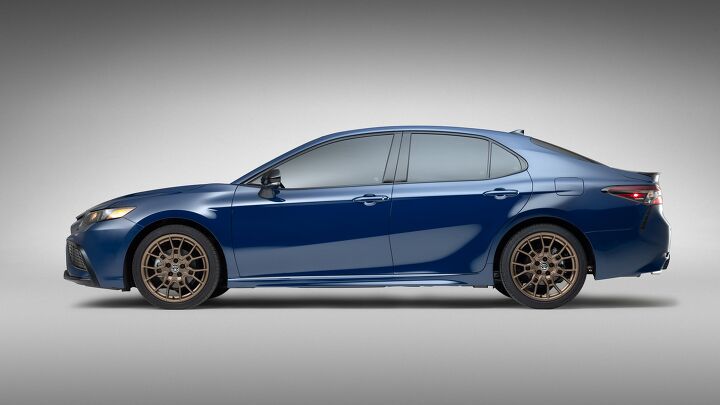
The Toyota Camry has been called many things over the years, but unpopular is not one of them. The car sold more than a half-million units globally last year, though the RAV4 outsold it. But while the suddenly-more-exciting sedan is a hot seller in most markets, its home country of Japan isn’t so in love with the car.
Toyota's New CEO Confirms Hydrogen Remains a Priority
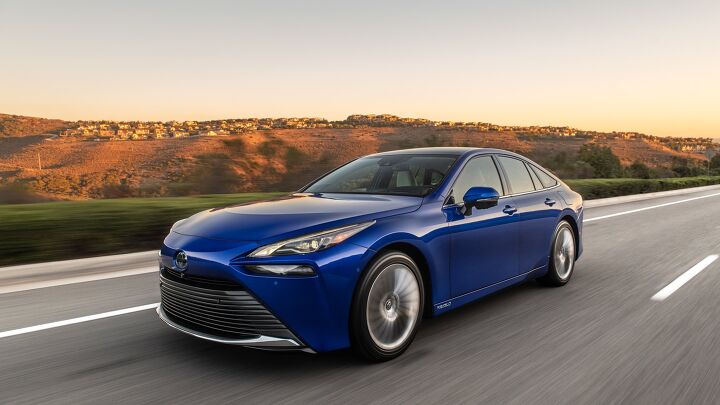
Toyota may have realized its mistake in moving so slowly on EVs, but the automaker isn’t taking its eyes off of other energy sources. Speaking at a recent motorsport event, Toyota’s new CEO said the company would continue to prioritize hydrogen as it moves forward with electrification.
Used Car of the Day: 1985 Toyota Celica Supra P-Type
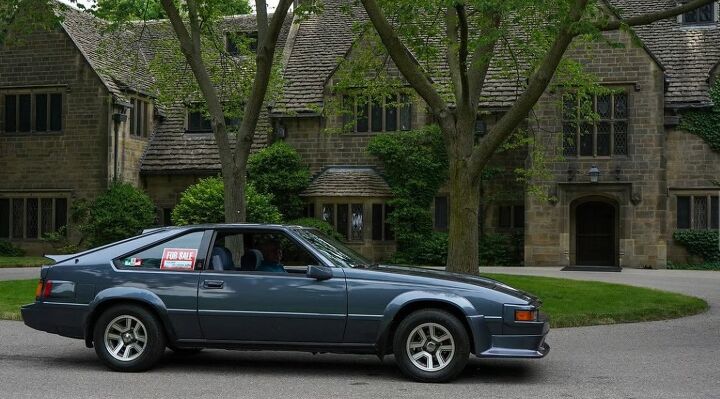
Today's listing might be the shortest we've ever featured.
We don't care, since this 1985 Toyota Celica Supra P-Type looks so good.
Fire Puts Hydrogen-Powered Corolla Racer Out of Action
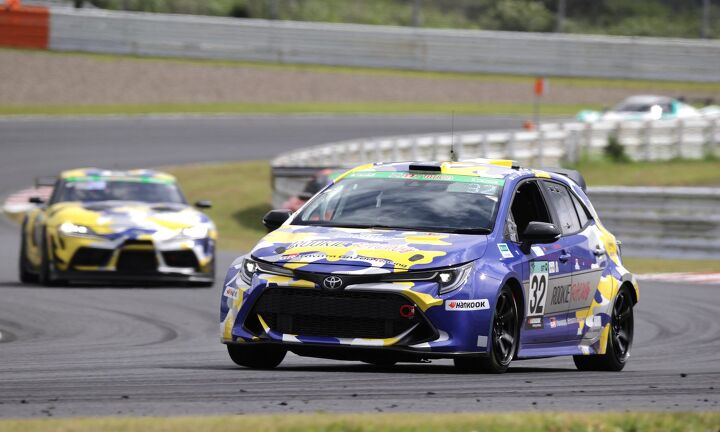
Toyota’s hydrogen-powered GR Corolla caught fire while testing at Fuji International Speedway last week, putting the vehicle out of action for the foreseeable future. The #32 ORC Rookie GR Corolla H2 Concept was designed as a proof of concept that fuel-cell vehicles can make excellent racers, that Toyota’s pursuit of hydrogen power hasn’t been in vain, and that net-zero emissions are achievable.
It was also supposed to compete in the first round of the ENEOS Super Taikyu Series 2023 sponsored by Hankook this weekend. However, Toyota has elected to run with the gasoline-powered ORC Rookie GR Yaris while the hydrogen model remains out of action.
QOTD: A GR Toyota Grand Highlander?

An independent digital artist in Hungary has decided to render something no one asked for but at least a few thousand folks probably would buy -- a GR version of the Toyota Grand Highlander.
Toyota Execs Geek Out Over Disassembled Tesla Model Y

Despite its size and considerable resources, Toyota has been slow to develop and release new EV models. That will likely change under its new CEO, but the automaker has a long way to go, as its recent tear-down of a Tesla Model Y highlighted its deficiencies in EV engineering.
2022 Toyota Corolla Cross Review – Basic Transport, Complete Anonymity
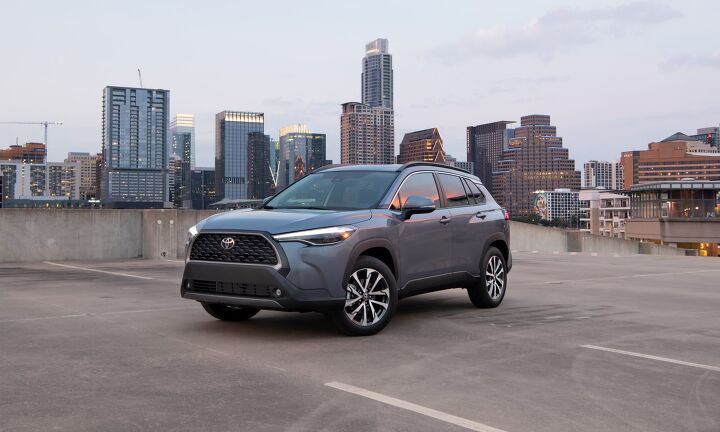
There has been much handwringing lately among us keyboard warriors that the entry-level end of the new-car market isn’t well covered.
Overall, this is true – there are fewer cheap wheels than there used to be. But there are still some options for the first-time buyer or those with shallow pockets. Sometimes, though, there’s another kind of price to pay for snagging a bargain.
Toyota Expected to Drop a New Camry and RAV4 in 2024
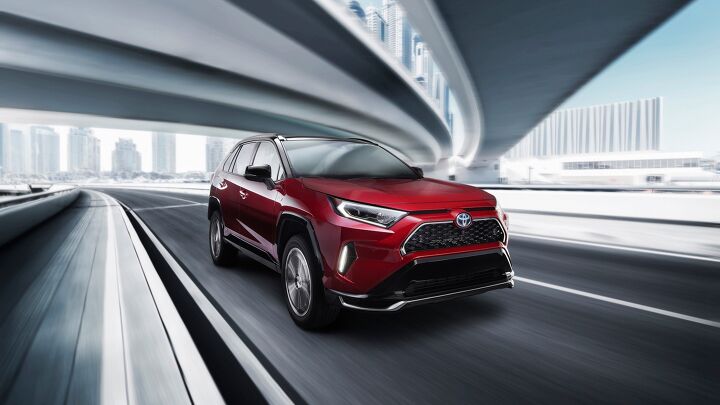
The Toyota Camry and RAV4 are beyond ubiquitous at this point, as they’re the go-to cars for people wanting dependable transportation that doesn’t take a lot of thought. Newer models are surprisingly sporty, though they’re still the unfailingly practical commuters Toyota has always offered. The current generation vehicles are now several years old, however, and the automaker is expected to issue brand-new versions in 2024.
Toyota Eyeing Kentucky for New EV Plant
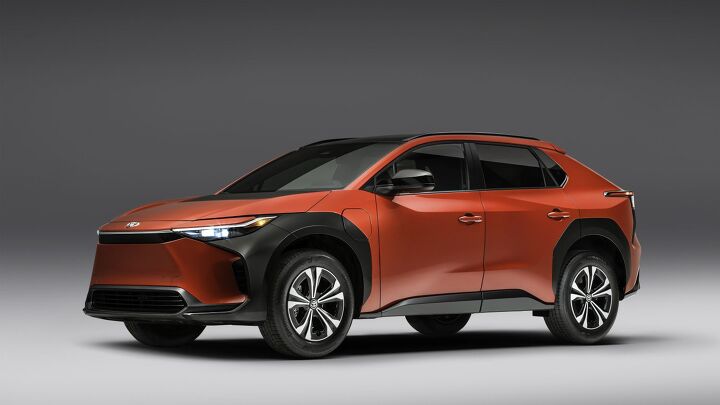
Toyota was slow to get going with electric vehicle development, but it’s got a new CEO and a fresh outlook on what it will take to remain the world’s largest automaker. To improve its chances and gain eligibility for federal tax credits, Toyota needs to build EVs in the United States. That could be changing as early as 2025, according to a new report from Nikkei.
Rumor: Toyota and Suzuki Developing Another Lightweight Sports Car
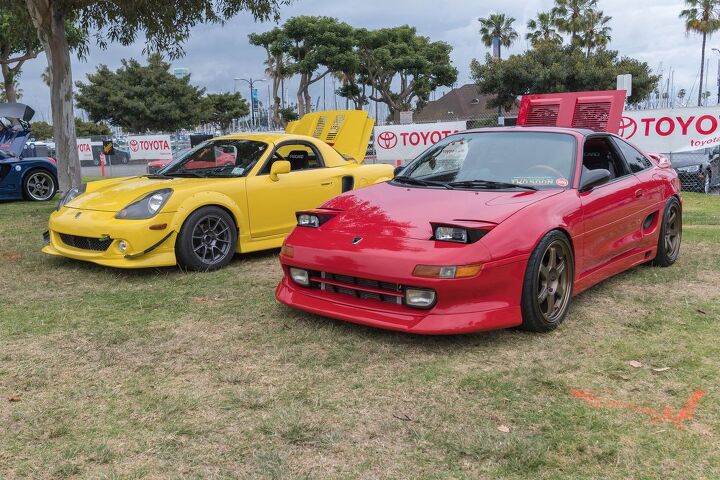
Toyota and Suzuki are rumored to be collaborating on another lightweight, mid-engine sports car with some help from Daihatsu. While nothing has been confirmed, the model is presumed to be a successor to Toyota’s MR2 (pictured) – as the automaker has offered numerous hints in the past that the little two-seater (or something inspired by it) would eventually enter into production.
Toyota Allegedly Stressing Electrification Under New Leadership

With longtime CEO Akio Toyoda stepping down from Toyota Motor Corp, the business is reportedly about to shift targets and place a greater emphasis on battery-electric vehicles. However, there are a few caveats to that claim and the entire issue is mired in controversy, with entities clearly trying to pressure the Japanese automaker against doing things its own way.
QOTD: Star of the Show

Today's QOTD is pretty self-explanatory. What vehicle that debuted here in Chicago caused you to sit up and take notice?
Toyota Reveals the Stretched Grand Highlander UPDATED
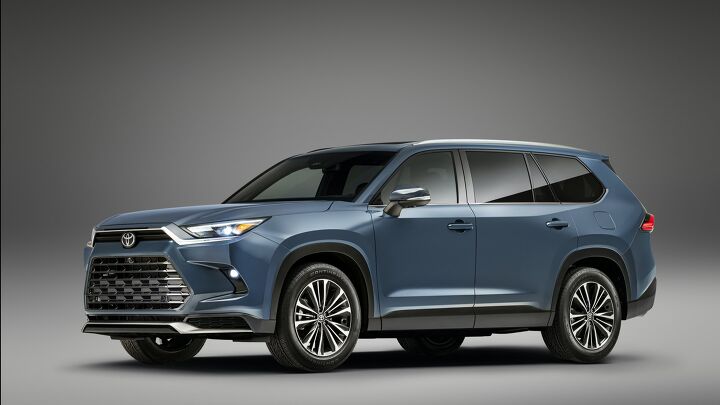
The Toyota Highlander has long offered three rows of seating and is a formidable family hauler that stands up to the toughest competition in its segment in the areas where it counts most. Even so, three-row SUVs often lack a comfortable “way-back” seat, and even when they do, cargo space is usually seriously compromised. Toyota aims to fix that with the 2024 Grand Highlander, which it says offers an adult-sized third-row seat.
QOTD: Should Toyota Go Small With Its Next Truck?

Matt's piece about Toyota and small trucks today got me thinking. I am ready to ask the very obvious question: Should Toyota join Ford and Hyundai in bringing small trucks back to market?
Toyota Rumored to Be Considering Smaller Sibling for Tacoma, Hilux
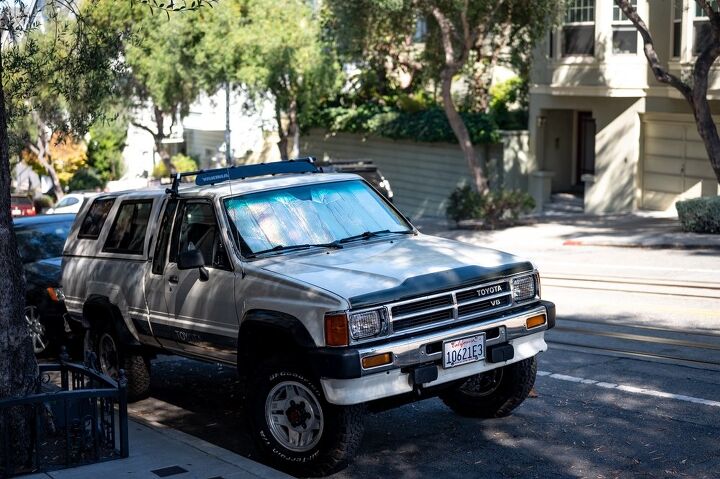
Toyota executives are rumored to be considering the possibility of launching a smaller pickup to slot beneath the global phenomenon that is the Hilux, as well as the North American Tacoma.
Akio Toyoda Stepping Down As Toyota CEO in April

1997 Toyota Supra Mangled After Mechanic's Wild Crash

The fourth-generation Toyota Supra became the face of tuner culture after a certain wildly famous car movie made it look untouchable on the streets. That popularity has led to a monstrous increase in prices for the cars, and as one Colorado mechanic shop just found out, crashing one that doesn’t belong to you can come with equally monstrous consequences.
TTAC Podcast Episode 8 Has Dropped
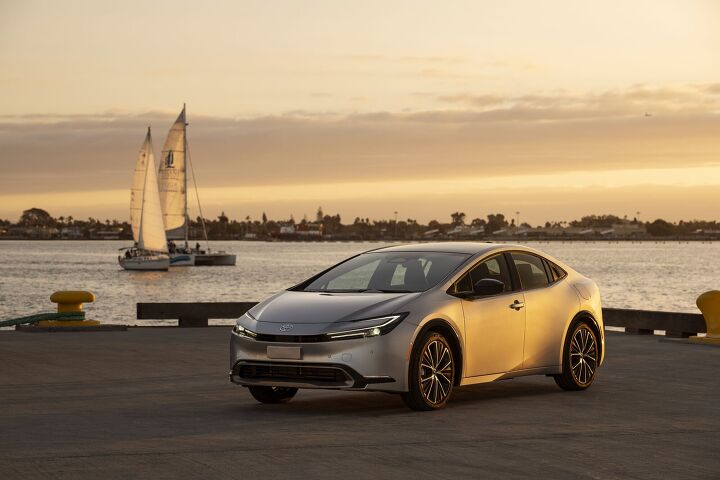
In our final podcast episode of the year, I chat about the new Toyota Prius and Kia EV6 GT with automotive industry analyst Robby DeGraff, who works for AutoPacific.
The Right Spec: 2023 Toyota GR Corolla

Say what? A generation of drivers generally knows the Corolla as a beige sedan acting as a rolling roadblock in afternoon traffic. But as part of a continuing example of how having a true gearhead – Akio Toyoda – at the head of a car company can do wonders for entertaining product development, the three hundred horsepower GR Corolla has rolled out and dragged the nameplate into conversations with machines like the Civic Type R and other hot hatchbacks.
QOTD: Truck Talk
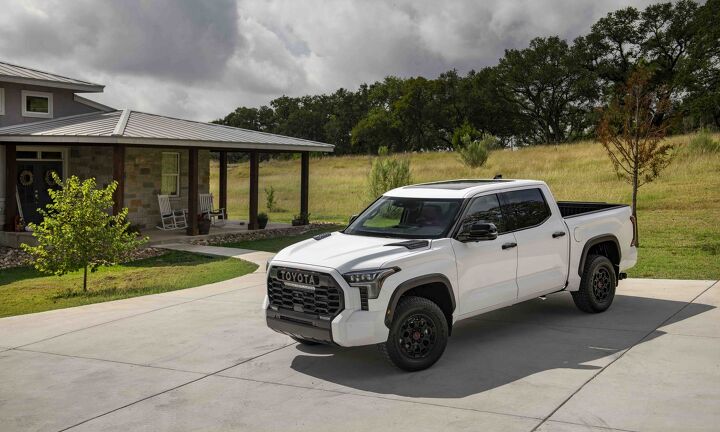
Chris Tonn reviewed the Toyota Tundra for us this morning. A running theme that I've noticed whenever we review a Tundra or Nissan Titan is that we often say, even if the truck is good, that there's nothing about it that will help it steal sales from the Detroit Three.
2022 Toyota Tundra TRD Pro Review - Not Quite A Prius

Making a massive brick-shaped object fuel efficient is a hell of an exercise in engineering, I’m certain. There are certain laws of physics that must be accommodated - mass, friction, and aerodynamics all factor in the equation of turning energy into propulsion. Reducing mass, improving aero, and limiting resistance losses from the tires are all ways one might make a truck use fuel more effectively.
Recovering some of that energy used in propulsion is another method - which is what birthed the hybrid vehicle. Toyota has been the leader in hybrids for decades now, which is why it’s rather surprising that it’s taken so long to bring some Prius magic to the full-size truck market. But here we are, with the 2022 Toyota Tundra TRD Pro - an off-road focused, top-of-the-line package that can only be had as a hybrid. But does a simple battery make this three-ton brute a hypermiling champ?

RIP Toyota C-HR in USA
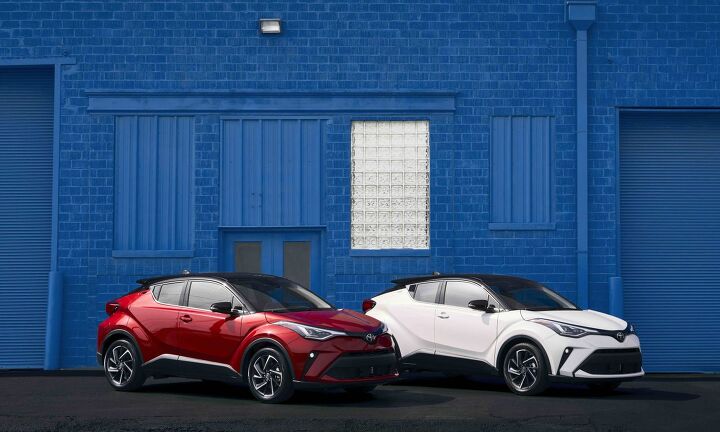
The Toyota C-HR appears dead in these United States, but will soldier on in Europe.
Save the Manuals: Lexus Could Bring a Row-Your-Own Option to EVs

The manual transmission was already far down a slippery slope before EVs came along, and the move to electrification has all but signed its death warrant, or so we thought. Lexus recently confirmed reports that it was testing a manual transmission for electric vehicles, and there’s even a video of it in action.
No Markup Necessary: Toyota To Sell the GR Corolla Via Lottery in Japan
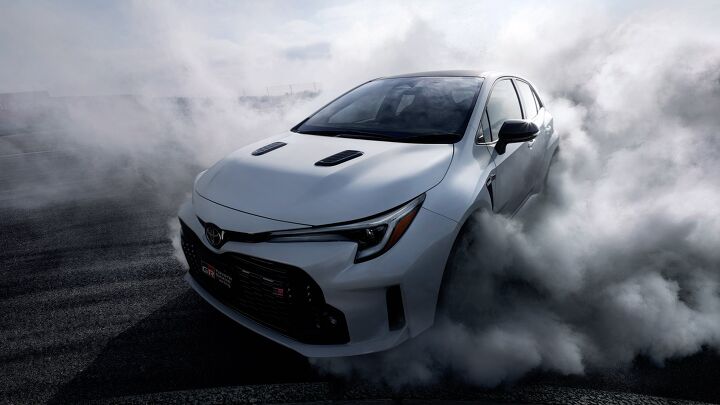
If you’ve even slightly considered throwing your hat in the ring to buy a new Toyota GR Corolla, you probably came face to face with the dual buzzsaws of dealer markups and minimal supply. Toyota Japan has its act much more together and appears to want to do the right thing with its buyers because it recently announced that GR Corollas would be sold through a lottery system.
Toyota May Give the Land Cruiser Another Run in the U.S.

Toyota killed the Land Cruiser for the United States after the 2021 model year, but the legendary off-roader has remained on sale elsewhere. The J300 Land Cruiser uses a twin-turbo V6 in place of its predecessor’s thirst V8 but remains a superbly capable SUV. Lexus still sells the related LX here, and we’re now hearing that Toyota may bring back the Land Cruiser, despite its slow sales numbers.
Toyota Confirms Grand Highlander for Chicago Auto Show
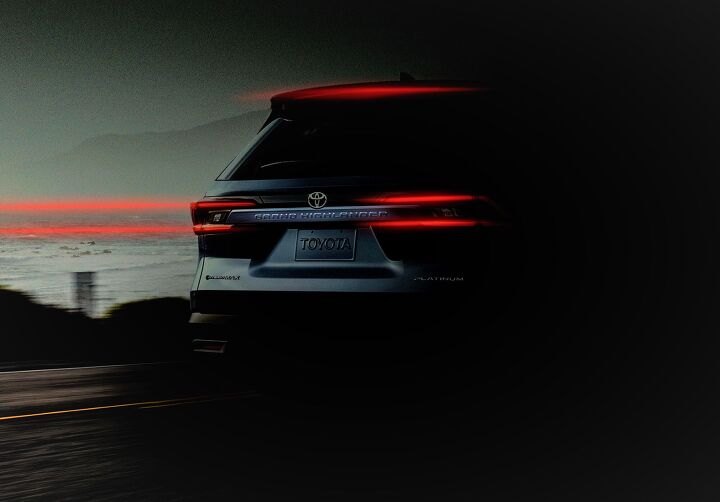
Hoping to compete with the three-row SUVs being offered by its rivals, Toyota has confirmed the existence of the Grand Highlander – adding that it’ll be on display at the Chicago Auto Show this February.
While it’s not really a petite vehicle, the current Highlander doesn’t exactly offer a surplus of legroom for those occupying the third row. This has been a problem with mid-sized crossovers and SUVs ever since the world decided it was too good for the minivan, something the wised among us knows was an egregious cultural faux pas from which we may never fully recover.
Study: Tesla Conquests Come From Honda, Toyota

A new study shows that a lot of Tesla buyers are coming to the brand from Honda and Toyota.
Used Car of the Day: 2007 Toyota F Cruiser TRD Manual
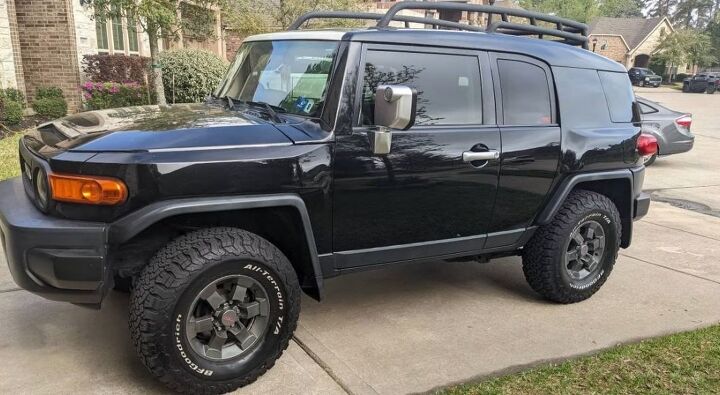
We at TTAC hope you're enjoying this new "used car of the day" feature. Remember, it's not meant to sell the cars, just to get you guys talking about some cool cars for sale -- even if that means you mocking a pick.
And for us older Millennials, one of the cooler vehicles of our generation was the Toyota FJ Cruiser. Divisive looks aside, it was a bad-ass off-roader available with three pedals. I spent a good chunk of my 20s wanting one.
Toyota’s Output Makes Like a Yo-Yo in October

Just about every single automaker on the planet has been plagued by production disruptions and supply chain headaches, leading to lots that were deader than disco on occasion and bereft of product to sell. At Toyota, production numbers are up compared to this time last year – but down from the month prior.
QOTD: What LA Auto Show Debut Excites You?
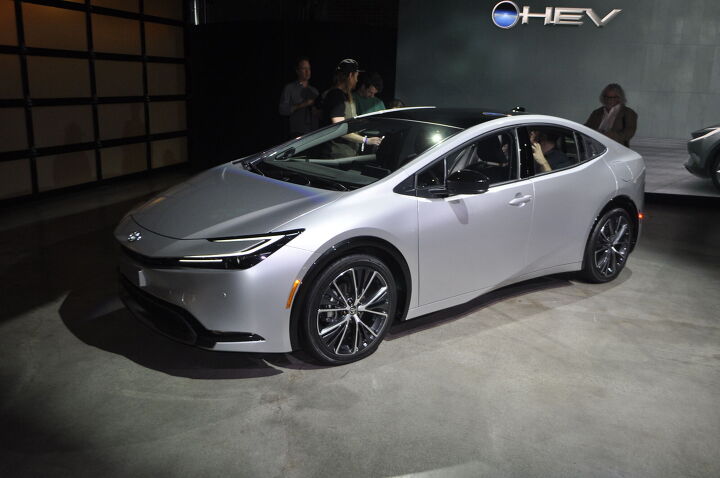
Hello from sunny Southern California. You may notice a later-than-usual posting schedule today and tomorrow as we work our way through the LA Auto Show -- we're sorta working on West Coast time.
Which brings me to the QOTD -- what debut from this show has you perking up?
Toyota Drops BZ Concept at 2022 Los Angeles Auto Show

LOS ANGELES – Lost in all the Prius hoopla is the Toyota bZ SUV concept.
The brand chose the show as a prime (get it?) opportunity to show a batter-electric SUV that could, and almost certainly does, preview a future vehicle for its lineup. Building off the bZ4X EV, this concept also showcases the use of “green” materials. The seats are made from plant-based materials, for example, and recycled materials are also used.
2023 Toyota Prius, Prius Prime Bow in L.A.
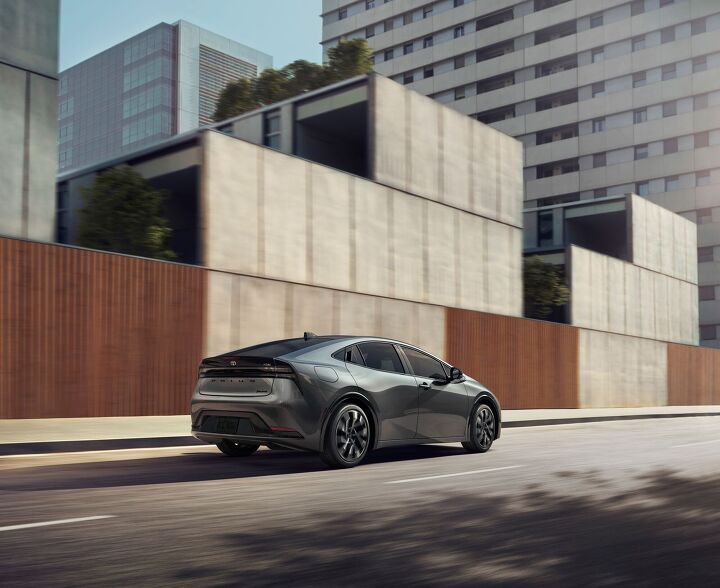
LOS ANGELES – Like a lot of automotive enthusiasts, I’ve always been a little derisive towards Toyota’s Prius, mostly because the car has always been a bit lacking in guts. In fact, a running joke I have with a few other automotive journalists I know involves uttering the words “it’s always a f*cking Prius” when we come upon slower traffic during press drives. That’s because it often actually is a Prius holding up the works. I’ve dropped this line on many a California freeway, from Sacramento on down to San Diego. And, of course, I’ve said plenty of times bopping around my home base of Chicago.
QOTD: New Prius, Who Dis?

I am typing this from 40,000 feet over the middle of nowhere as I travel to L.A. for the auto show. Sometime tonight I will see the next Toyota Prius for the first time, along with hordes of other shrimp-eaters. Until then, however, I can surf my browser over to the Google machine and find information on the Japan-spec Prius, which has already broken cover.
Toyota Teases the Next-Generation Prius

The Toyota Prius may have kickstarted the hybrid revolution, but its star has faded over the years as newer, more efficient hybrids have hit the market with less polarizing style. That’s about to change, though, as Toyota just released teasers for a new model that looks an awful lot like a new Prius. The Prius entered its fourth generation back in 2016, so it was time for an overhaul. Toyota's teaser of the new fifth-generation car appears to show an evolutionary update rather than a radical redesign.
Used Car of the Day: Toyota MR2
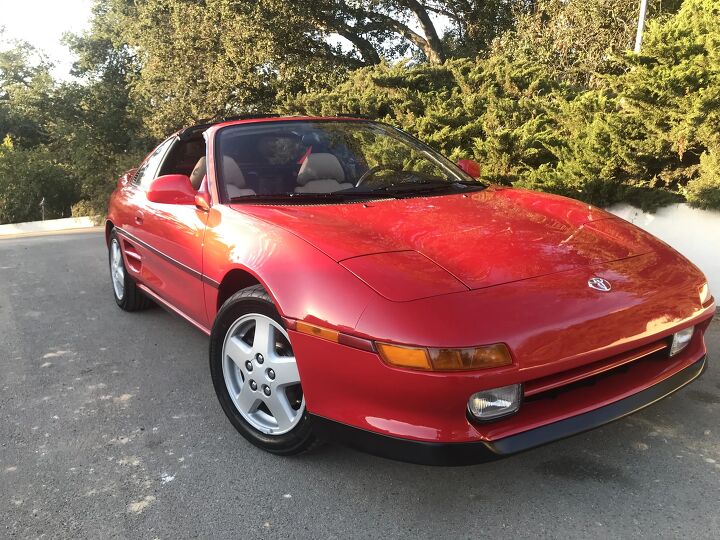
This Toyota MR2 93T will be on Bring a Trailer soon, says the owner. So if you're interested, you might want to hop on it soon.
Toyota Looking at Price Hikes to Fend Off Inflation and Rising Costs

Toyota may be one of the largest automakers in the world, but it’s not immune to rising costs and rampant inflation. The Japanese giant is seeing higher costs and shrinking profits and now says that it needs to take action to stem the tide, including raising prices on its vehicles.
Abandoned History: Daewoo Motors, GM's Passport to International Sales (Part IV)
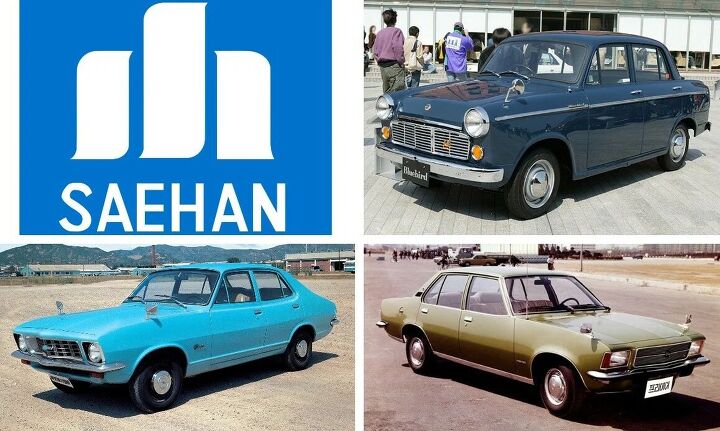
We return to Abandoned History’s coverage of the twists and turns of the Daewoo story, at a time when the company’s predecessor, Shinjin, was no more. After an early Seventies joint venture with General Motors saw the company renamed to General Motors Korea, Shinjin bowed out of the deal after just five years. In 1976 Shinjin’s ownership in the business was sold to a state-owned Korean bank, and General Motors Korea was renamed to Saehan Motor Company. But that didn’t mean GM was out of the picture - far from it.

Toyota Restarts Production of the BZ4X Three Months After Recall
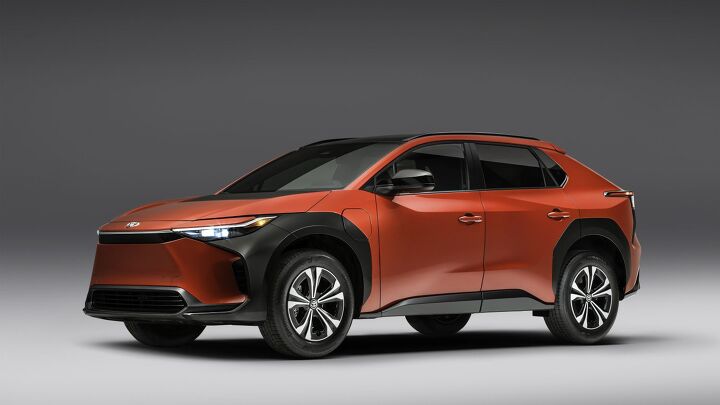
Like it did with Apple CarPlay and Android Auto, Toyota has dragged its feet on developing and shipping new EVs. It offers several hybrid and plug-in hybrid models, and there’s even a hydrogen fuel cell model for sale in California, but Toyota did not offer an EV in the United States until just a few months ago. That should have been cause for celebration at Toyota, but a recall just a month into being on sale likely squashed any excitement. Now, the automaker says it has fixed the problems and restarted production.
Abandoned History: Daewoo Motors, GM's Passport to International Sales (Part III)
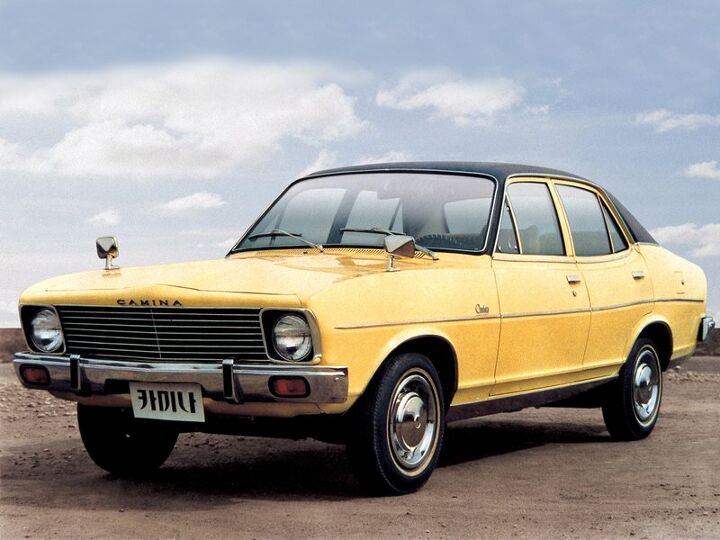
After a few successful years building a trio of Toyota models (Corona, Publica, and Crown), Shinjin was forced to look elsewhere for a business partner. Toyota wanted to sell cars in China, and China forbade any company that sold products on its shores from having operations in South Korea. As expected, the government stepped in and assisted in a new deal between Toyota, Shinjin, and General Motors.
The deal was finalized in 1972 and saw Toyota sell its stake in Shinjin directly to GM. The 50-50 GM-Shinjin venture saw the latter immediately renamed to General Motors Korea. GMK was immediately the new face of GM product distribution in South Korea. Let’s embark upon a series of particular business arrangements involving Shinjin that didn’t last very long.
Toyota Still Isn't Sold On An All-Electric Future
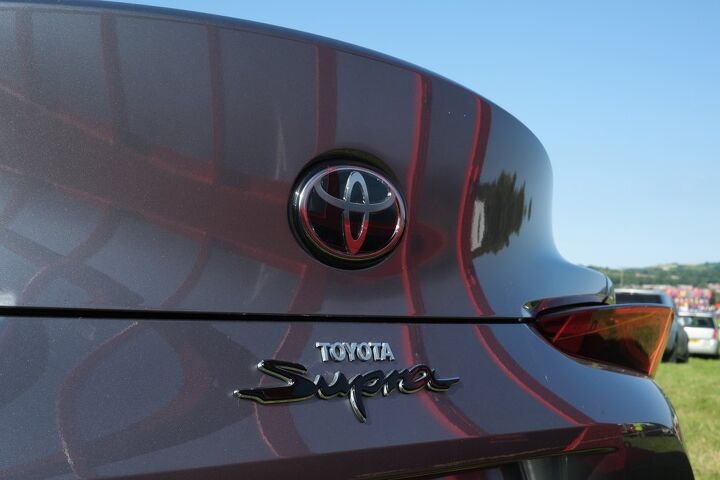
Despite helping mainstream electrification with the hybridized Prius, Toyota still isn’t “all-in” on EVs. This is counter to the corporate rhetoric shared by many automakers and governments around the world. But CEO Akio Toyoda doesn’t see customers jumping onto the bandwagon as quickly as Toyota’s industrial rivals originally assumed.
That’s not to suggest the Japanese company is completely snubbing EVs, however. Toyota plans on offering a mix of all-electric, hybrid, and traditional gasoline vehicles for the foreseeable future. It’s even throwing some hydrogen-powered cars into the mix for good measure. But an all-electric lineup seems to have been taken off the table of possibilities.
Abandoned History: Daewoo Motors, GM's Passport to International Sales (Part II)
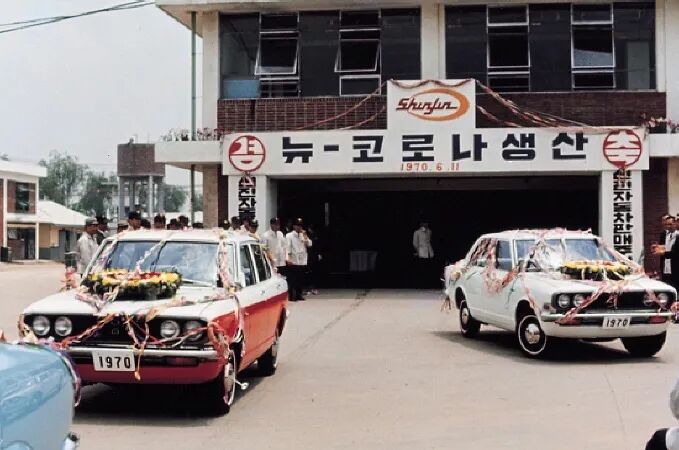
We return to our Abandoned History coverage of Daewoo Motors in the early part of the Sixties. Korea was a newly independent nation still in the process of building its economy after many decades of Japanese occupation. The new Korean government seemingly relied on two tenets in its earliest years: Centralized control and openness to bribes.
Both those factors were at play when the government handed the production of all passenger cars to a single company, Saenara Motors. Via a huge loan and technical assistance from Nissan, Saenara built Korea’s first car, the Saenara (Datsun) Bluebird via knock-down kits assembled in South Korea. But once the government noticed there was too much capital flowing out of the country, they banned Saenara from buying more kits from Japan. The scraps of bankrupt Saenara were picked up by another company, Shinjin.
TTAC Throwback: Why You Should Buy This 1984 Toyota Cressida Wagon

Before Lexus, there was Cressida. It was probably more of a Japanese take on a Buick- or Oldsmobile-style upper-middle-luxury car than the game changer Lexus would be, but that’s no mark against it. The first Toyota bearing the Cressida name became available in the U.S. in 1977, and they were decidedly trans-Pacific cars, bearing much resemblance to contemporary Detroit products. Interiors could be Brougham plush; some available upholstery fabrics wouldn’t look out of place in a bordello – or a Buick. However, the instrumentation was more complete than you’d find on most Detroiters.

Chinese Toyota Plant Runs Out of Electricity
Toyota has suspended operations at a factory in China because local authorities issued an order for the region to conserve electricity. Sichuan province is reportedly rationing energy for both residential and industrial zones, complicating things for manufacturers. Toyota has said that the plant is likely to be closed through Saturday — adding that it would be monitoring the situation and taking guidance from the Chinese government. But the issue could have sweeping ramifications because the area is also home to numerous part suppliers.
Toyota Quiet About Potential Engine Problems With GR86

According to a new report, at least some Toyota GR86s are suffering from lubrication issues.
One driver even claims Toyota refused to pay for a new engine, accusing him of abusing it on track.
Rare Rides: The 1996 Toyota Classic, Truck-based Throwback
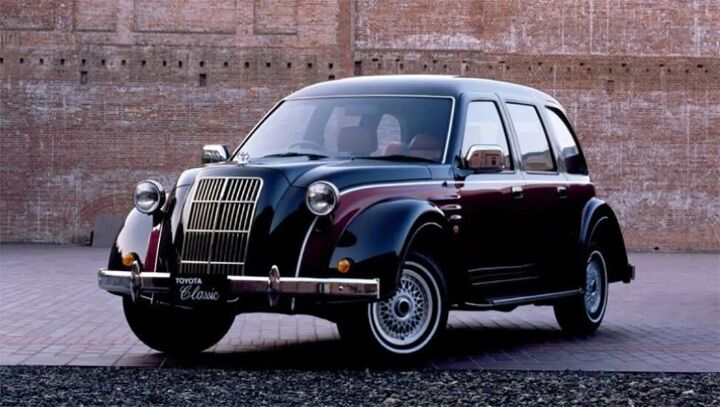
Today’s Rare Ride is brought to you by a Tweet that featured today’s subject and was the exact moment your author became aware of its existence. Released in the Nineties prior to the American retro styling craze, the Classic was a limited edition sedan sold only to Japanese customers. Curious yet?
2023 Toyota Sequoia, TRD Pro Priced — Prepare to Pay a Pretty Penny
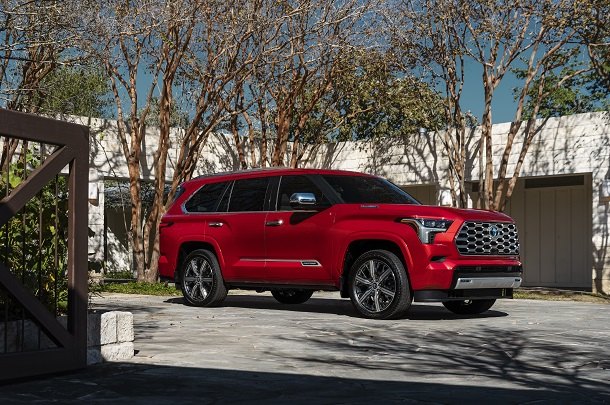
The 2023 Toyota Sequoia is going to remain atop the brand’s SUV ladder, with a planned sticker price based at $58,300.
The TRD Pro version, which is top-of-the-line and off-road-oriented, will start at $76,900.
Toyota Has Expansion Plans for bZ Family

Toyota plans on having seven models in its bZ family of EVs by 2025, according to Motor1. Scheduled to arrive in the late spring, the bZ4X crossover will be the first of those models, as you likely know. And there are more on the way.

Junkyard Find: 1991 Geo Prizm GSi Sedan
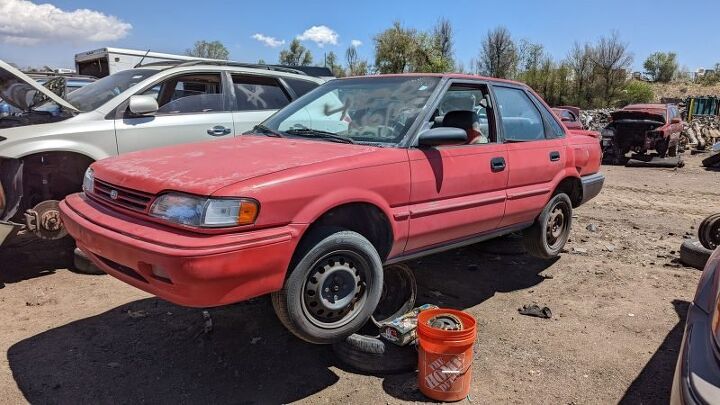
When The General began building the AE82 Toyota Corolla (actually based on the JDM Sprinter version) at the NUMMI plant in California, that car got Chevrolet Nova badges. When Toyota debuted the E90 Corolla platform in 1987, it made sense for the NUMMI-ized version of the new E90 Sprinter to join the Suzukis and Isuzus of the new Geo brand. That car was the Geo Prizm, and I’ve found one of the super-rare factory-hot-rod GSi Prizms in a Denver-area self-service yard.

Chinese Lockdowns Force Toyota to Cut Production Again
The automotive industry has basically resigned itself to running with lessened production for the foreseeable future. A significant number of automakers have suggested that it might be more lucrative to scale back output, reduce overhead, and focus on achieving broader margins per car during this prolonged period of economic and logistical duress. However, Toyota started the year saying it would do its utmost to raise production output as a way to make up for losses incurred during the pandemic. The company even said it anticipated things to gradually normalize through the spring.
Unfortunately, things have not gone according to plan. By March, the Japanese automaker had lowered its output goal for the fiscal year by 500,000 global units. Another 20 percent was lopped off for the month of April and leadership began expressing concerns that those preexisting goals might be totally untenable. While there were moments with the target actually rose, Toyota has repeatedly been forced to walk those claims back as the realities of the market dashed its dreams. Now, the company is once again cutting planned output for the month of June over supply chain issues with China.
Toyota 4Runner Gets TRD Stripes for 40th Birthday
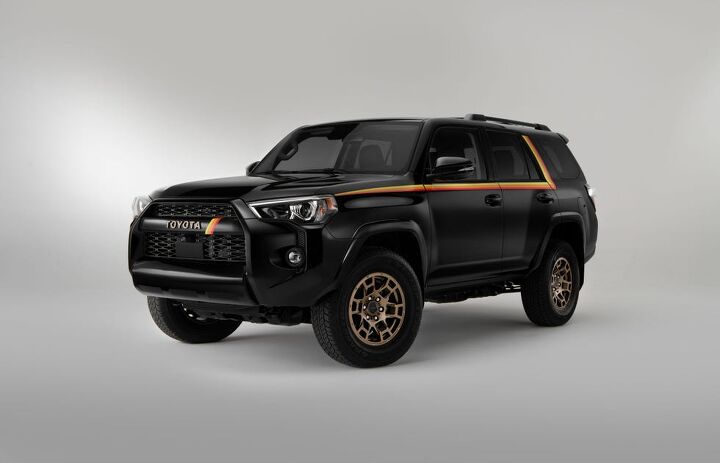
While hardly the most modern vehicle in Toyota’s lineup, the 4Runner has developed a reputation for being a versatile body-on-frame SUV with the ability to actually tackle off-road trails — rather than simply looking the part.
This year, the model is celebrating its 40th birthday and Toyota has opted to issue a special edition limited to 4,040 examples. The vehicle in question comes with the 4Runner’s 4.0-liter V6, five-speed automatic transmission, and some visual embellishments designed to set the vehicle apart. These include bronze-colored wheels, bronze-colored badging, and TRD (Toyota Racing Development) stripes down the side. But those are just the broad strokes.
Toyota to Study Advanced Driving System Interactions

Toyota will be launching nine new studies over the next five years to improve automotive safety, specifically in relation to how drivers engage with advanced driving aids equipped to modern vehicles. While the press release to a back seat to the automaker receiving an award for hiring female engineers and a $400,000 donation to the National Environmental Education Foundation, it’s likely to have broader ramifications on the industry.
Despite launching a bevy of new assistance features over the past few years, manufacturers haven’t actually spent all that much time studying how they might impact the act of driving. Testing usually focuses on ensuring the system functions, with independent research being left to examine how electronic helpers might influence behavior from behind the wheel. Unfortunately, preliminary studies have suggested that they lull motorists into a false sense of security, potentially offsetting any legitimate safety advantages the relevant technologies provide.
Toyota Adds Manual Transmission to Six-Cylinder Supra

Any of you lot who’ve been claiming to be holding off buying a Supra simply because it doesn’t have a third pedal will need to break out your checkbooks. This morning, Toyota announced what was teased earlier this month: the Supra is getting a bonafide manual transmission.
Well, there’s still one out: It’ll be limited to models powered by the 3.0-liter engine.







Recent Comments