
Quantum Leaps: The 2.2L Dodge Neon GLH-S
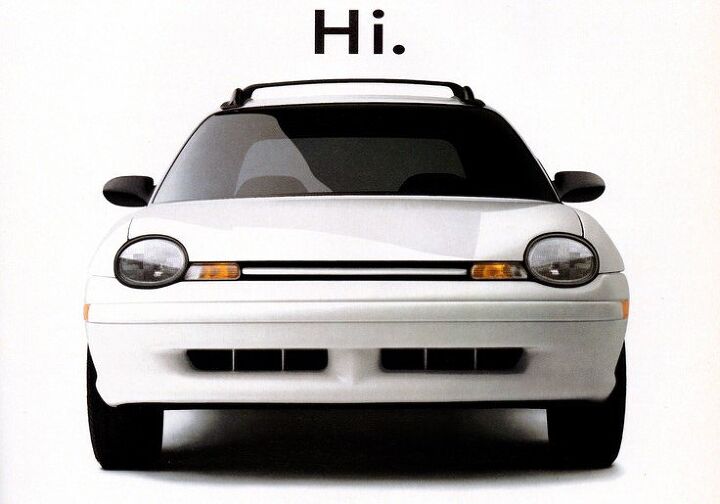
When it launched in 1994, the original Dodge Neon was a different kind of car – and not just because it looked fun and friendly while the outgoing Shadow it replaced was trying very hard to look sporty by the end.
It was different because of its ads, which were simple and non-threatening. The car was kept simple inside, too. A 2.0-liter engine was standard (available in 132 horsepower with a SOHC head or 150 hp with DOHC), and could be had with a 5-speed manual or 3-speed automatic transmission. You could get power front windows, but rear windows were crank-only. What’s more, the cars were genuinely fun to drive in almost any trim level, leading our very own Matthew Guy to label it as one of the best, unheralded performance cars of its day.
Which, I mean, that’s great and all. But what if Chrysler had made a different call with the Neon powertrain? What if we could go back in time again, Sam Beckett-style, and fill the space under the Neon’s hood with the 175 hp turbocharged engine from the Dodge Omni GLH-S, would that car have ended up as an “unheralded” performance car, or one of the all-time classic sport compacts?
Let’s talk it through.

Abandoned History: Chrysler's Liberty Project, to Saturn or Not to Saturn
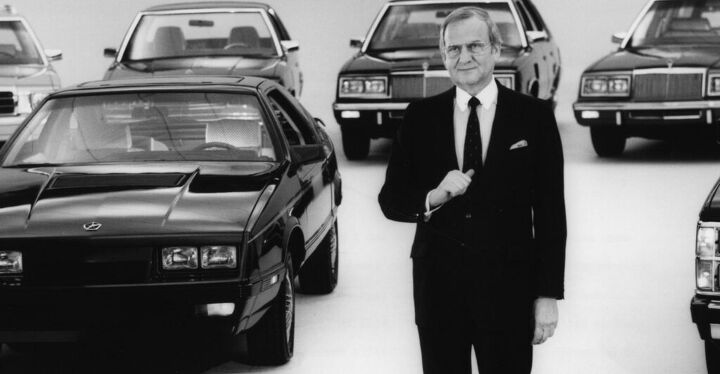
In Part V of the Rare Rides series on the Eagle Premier, I mentioned an abandoned project at Chrysler called Liberty. Announced in 1985, Liberty was supposed to be a direct challenge to GM’s recently announced Saturn brand. Or it wasn’t, depending on what day of the week Liberty was addressed.
Chrysler’s PR department and CEO Lee Iacocca seemed at odds on what the Liberty project was, but they were both sure it was very important and it would build something, probably.

Rare Rides: The Superbly Luxurious and Gingerbready 1990 Chrysler Imperial
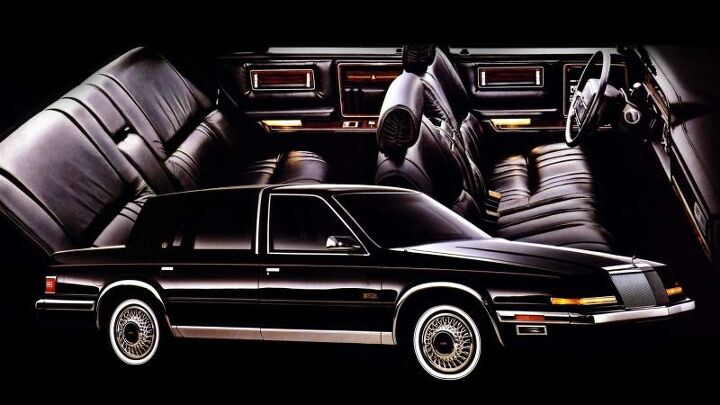
I’ve been meaning to cover the final Chrysler Imperial for some time now. The only Imperial featured in this series so far is a collection of the early Eighties version, which was a very expensive and complicated pet project failure of Lee Iacocca.
Today’s Imperial is the follow-up model to that boxy rear-drive PLC. Let’s check out the longest and most luxurious K-car variant ever made.
Buy/Drive/Burn: Upmarket Brand American Midsize Sedans in 1997
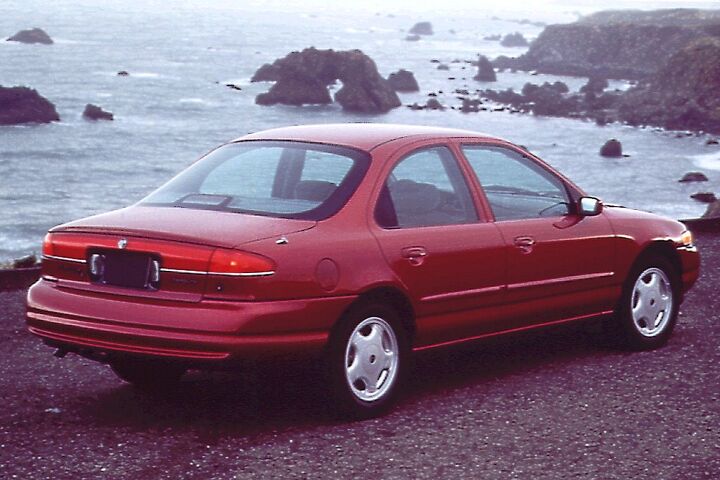
We’re back with more 1997 midsize sedan action in today’s edition of Buy/Drive/Burn. They’re all on the smaller end of the midsize sedan scale, all American, and crucially, all wearing semi-upmarket branding.
A Brief History Of Chrysler/FCA/Stellantis Promises That Weren't Kept

Stellantis, formerly known as Fiat Chrysler Automobiles, spent some time last week promoting “EV Day” and talking about its EV plans.
We covered the event and the company’s plans. We’ve also noted in the past that many OEMs are talking a big game on EVs but it’s anyone’s guess if they’ll meet the timelines and goals they’ve set for themselves (speaking generally here, and not just about Stellantis).
While the future is up in the air, we do have a record of the past, and speaking about Stellantis specifically, that past has been one of unkept promises.

Junkyard Find: 2009 Volkswagen Routan
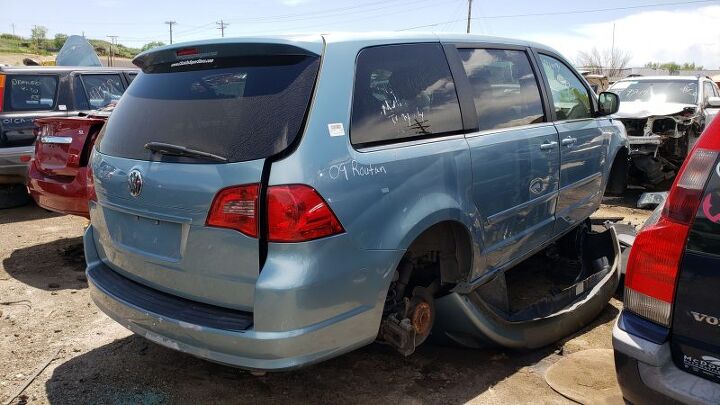
Badge engineering! Always near the top of my search list when poking through car graveyards, obscure examples of marketing-inspired rebadgitude will jump right out from the ho-hum ranks of Elantras and LaCrosses in any yard. I haven’t managed to find a discarded Suzuki Equator yet, sad to say, but I have documented such rarities as a Mitsubishi-badged Hyundai Excel, an Isuzu-badged Chevy Colorado, and a Dodge-badged Renault 25. Today we’ll visit one of the most puzzling examples of badge-engineering history in the North American automotive marketplace: the Volkswagen Routan.

Rare Rides: The 1990 Chrysler LeBaron GTC Turbo Convertible, Variable Driving Excitement (Part II)
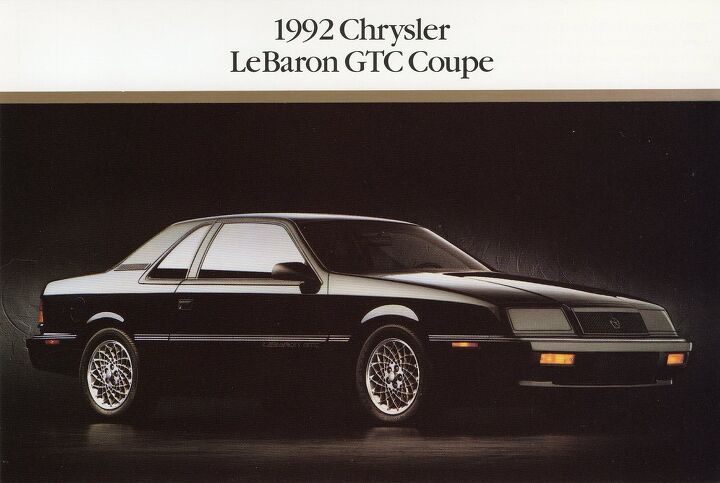
In our last installment of the Chrysler LeBaron story, we covered the model’s inception via a coachbuilder in Detroit, and its development from a trim into its own model line.
Today we cover LeBaron’s last stand.
Rare Rides: The 1990 Chrysler LeBaron GTC Turbo Convertible, Variable Driving Excitement (Part I)

Today’s Rare Ride is one of the rarest versions of Chrysler’s third-generation LeBaron, in its run up to the final days and the conclusion of the very long-lived K-car platform. Sporty, turbocharged, and done up in black, the LeBaron had a long and winding road to get to its terminus.
Let’s talk about that history a bit.
Junkyard Find: 1983 Chrysler New Yorker

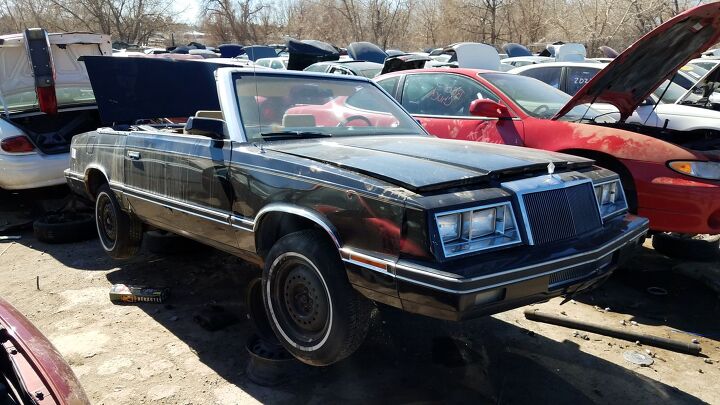
When Lee Iacocca’s K-cars finally hit American showrooms for the 1981 model year, the ax that had seemed poised over Chrysler’s neck for much of the late 1970s seemed to pull back. For model year 1983, a stretched version of the K chassis became the basis of such luxurious machines as the Dodge 600, Plymouth Caravelle, and Chrysler E-Class. Just to confuse everybody, the New Yorker line bifurcated that year, with the New Yorker Fifth Avenue remaining on the same platform as the rear-wheel-drive Dodge Diplomat and the regular New Yorker becoming an E-platform sibling to the 600/E-Class/Caravelle. Here’s one of those first-year New Yorkers, found in very clean condition in a Denver-area self-service yard last week.
Buy/Drive/Burn: V6 Midsize American Sedans of 2007
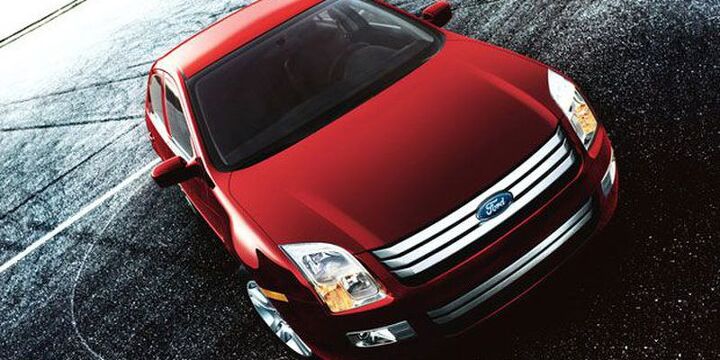
In our last edition of Buy/Drive/Burn, we looked at some midsize V6 sedans of Japanese origin from 2007. In the comments most of you decided the Accord was worth a Buy, but complained that you’d rather spend $28,000 on a V6 Altima than the larger and nicer $28,000 V6 Maxima. Go figure.
Anyway, on to the American midsize sedan triumvirate of 2007!
Buy/Drive/Burn: Three Decades of Halo Convertibles
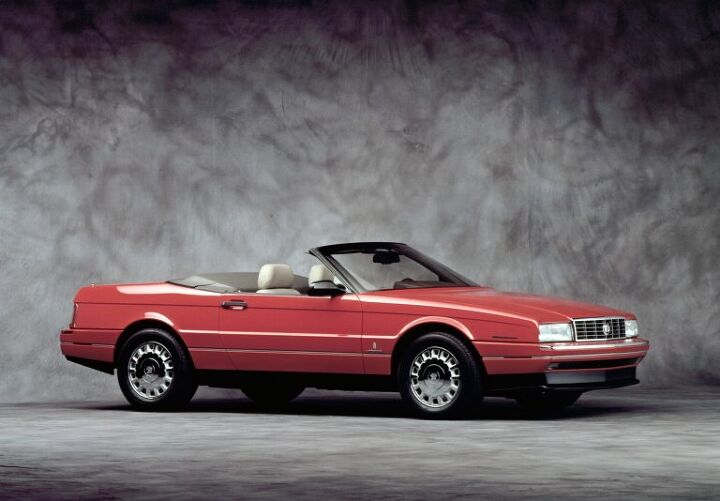
Today’s B/D/B was suggested by commenter namesakeone, who posited that a couple of the cars featured in the worst halo cars article last week might make an interesting trio for this segment.
I needed to cover one more as a Rare Ride first, which is why we saw that Thunderbird yesterday. Requirement out of the way, it’s time to have our first multi-decade, Rare Rides-sourced Buy/Drive/Burn.
Rare Rides: A Stunning Chrysler LHS From 1995, Fine Executive Luxury
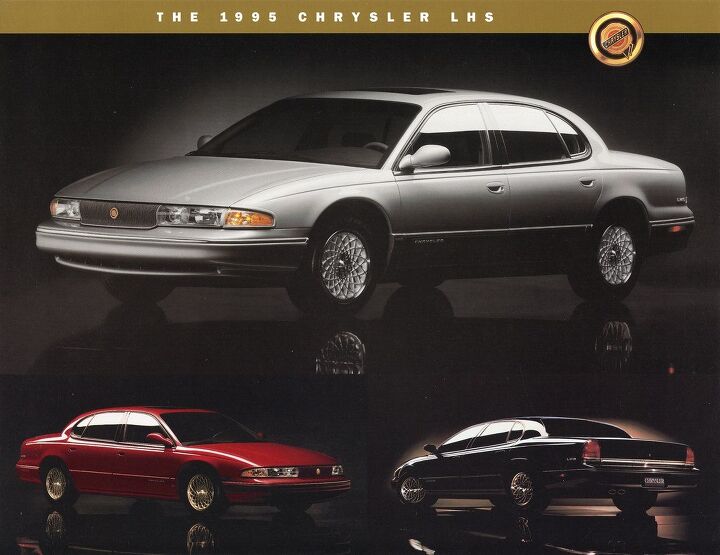
Today’s Rare Ride was commonplace a couple of decades ago, but it’s one of those cars by and large ruined via neglectful owners, inattentive build quality from the factory, and BHPH lots.
Come along as we learn about the most luxurious Chrysler LH sedan of the Nineties.
Junkyard Find: 1983 Plymouth Scamp
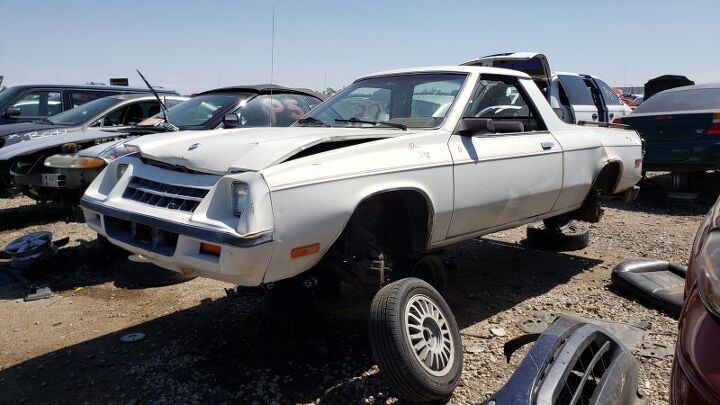
North American sales of Japanese-made small pickups went crazy during the 1970s, with the Detroit Big Three getting in on the action with rebadged Mazdas, Isuzus, and Mitsubishis. Ford and GM eventually created their own Michigan-style small trucks, the Ranger (1983 model year) and S-10 (1982 model year) but where was struggling Chrysler— in a frenzy trying to get the new K-Cars out the door— supposed to find enough money to develop a new truck design from scratch? Fortunately, Volkswagen had shown that front-wheel-drive worked well enough in little pickups, and the versatile Omnirizon platform proved suitable for a bit of El Camino-ization. Here’s the result, found in a Denver yard last summer.
Buy/Drive/Burn: The Cheapest Passenger Vans in America for 2021
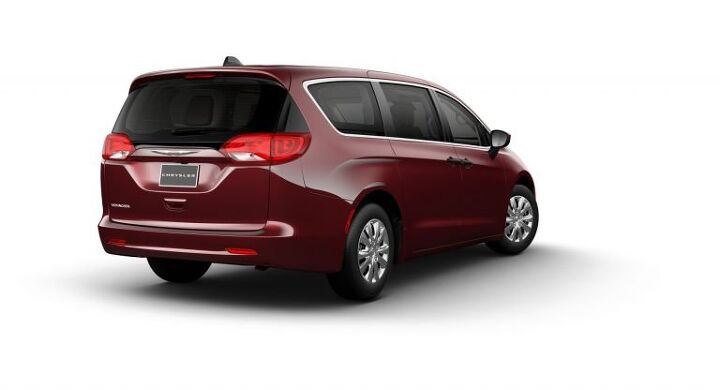
We’ve been on a cheapskate (or value, if you prefer) kick lately at Buy/Drive/Burn. We’ve covered the cheapest new sedans and trucks on sale in America for 2021, and today we tackle everyone’s favorite type of vehicle: vans. But these three aren’t just any plain cargo vans, they’re passenger vans you can use to haul around your whole family.
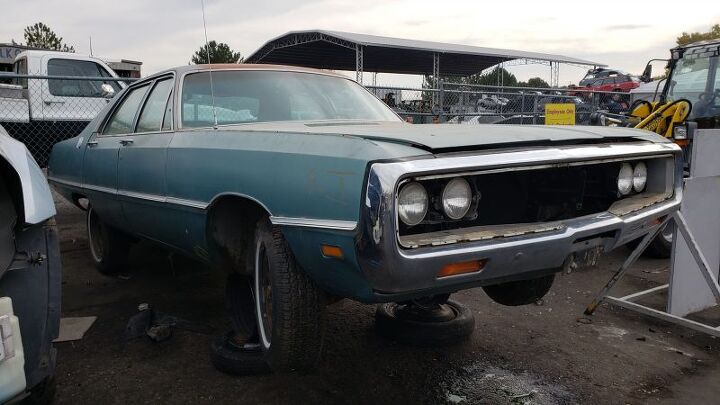
Junkyard Find: 1969 Chrysler Newport 4-Door Sedan
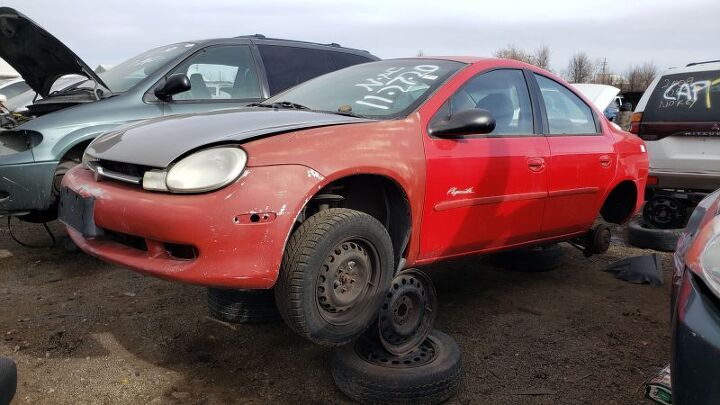
Junkyard Find: 2001 Plymouth Neon, Last Gasp of the Plymouth Brand Edition
Junkyard Find: 2001 Chrysler PT Cruiser, Purple Flamed Edition
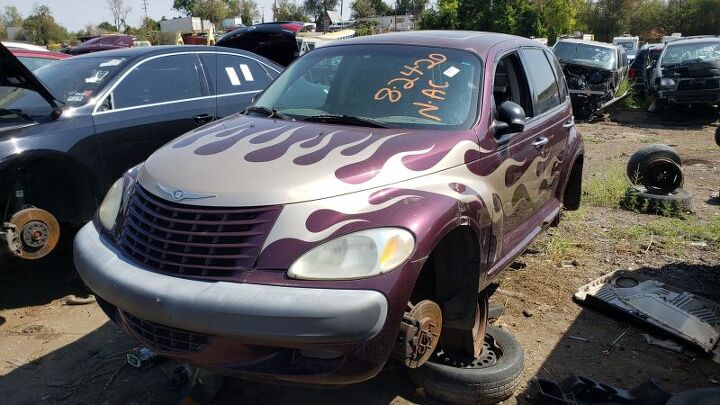
While it seems that we have always been at war with Eurasia Eastasia and hated the PT Cruiser, the loathing for Chrysler’s retro-styled, Neon-based “truck” didn’t become widespread until well into the smartphone/social-media era of the late 2000s and early 2010s. That was the time when the PT started showing up in large numbers in the big self-service junkyards I haunt. Now I see so many discarded PT Cruisers that I can be picky about which ones I document, and this first-model-year example in Deep Cranberry Pearl paint and screaming flames qualifies for inclusion in my Junked PT Cruiser Hall of Fame.
Rare Rides: The 1988 Chrysler Conquest - an American Sports Coupe
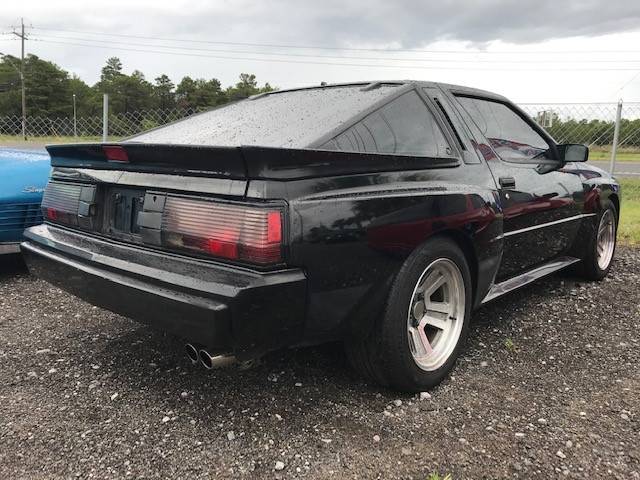
Quick badge swaps between Chrysler and Mitsubishi were common throughout the Eighties. Mostly a one-way affair, Chrysler rebranded Mitsubishi products as Colts, Plymouths, and Dodges. These captive imports generated revenue via Chrysler’s brand recognition while cheaply filling gaps in the domestic company’s lineup.
Today marks our first Chrysler-branded Mitsubishi, and it’s certainly the sportiest rebadge we’ve seen here. Presenting the Chrysler Conquest, from 1988.
Rare Rides: The 1979 Chrysler New Yorker Fifth Avenue Edition - Big and Brown
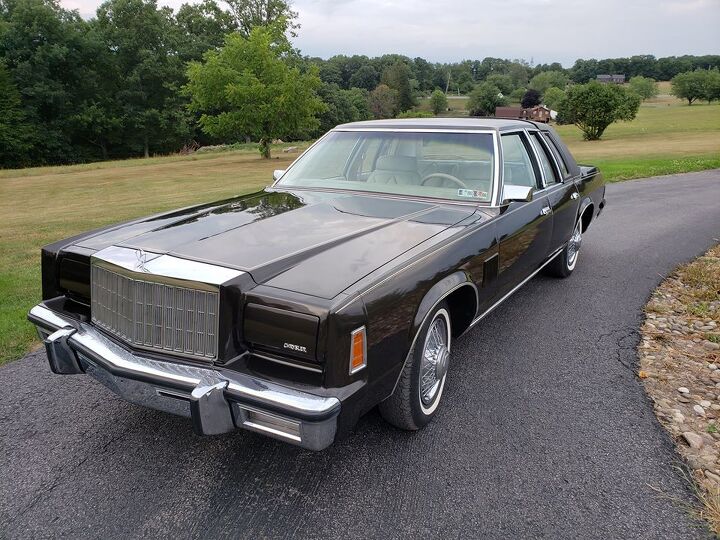
Rare Rides has featured plenty of Chrysler vehicles before, and some of them were even as large as today’s range-topping sedan. But none of them had quite as much trim as today’s subject.
From the last gasp of the truly full-size offerings from domestic manufacturers, it’s the 1979 Chrysler New Yorker Fifth Avenue Edition.
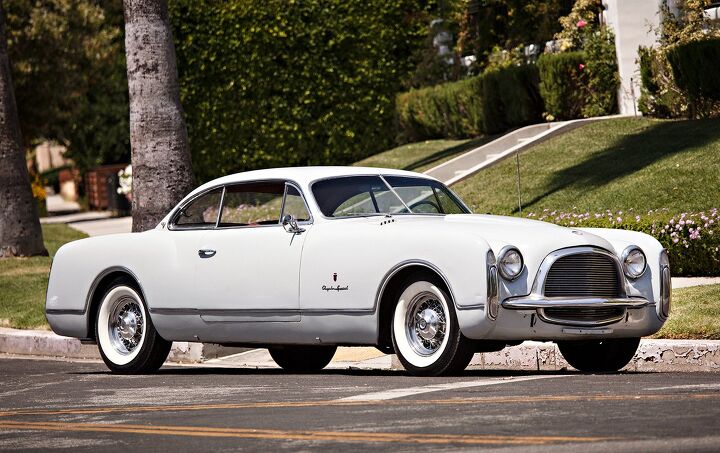
Rare Rides: The 1953 Chrysler Special, by Ghia
Back From the Grave: Grand Caravan Name to Live On - for Some, Anyway

In the Stephen King novel Pet Cemetery, a rural family discovers that burying the body of a dead pet (and later, larger mammals) in the old graveyard out back returns the deceased family member to the clan — miraculously reanimated, yet fundamentally changed.
That seems to be what Fiat Chrysler has in mind for a famously long-running nameplate.

Buy/Drive/Burn: Economical, Basic American Sedans for 1985
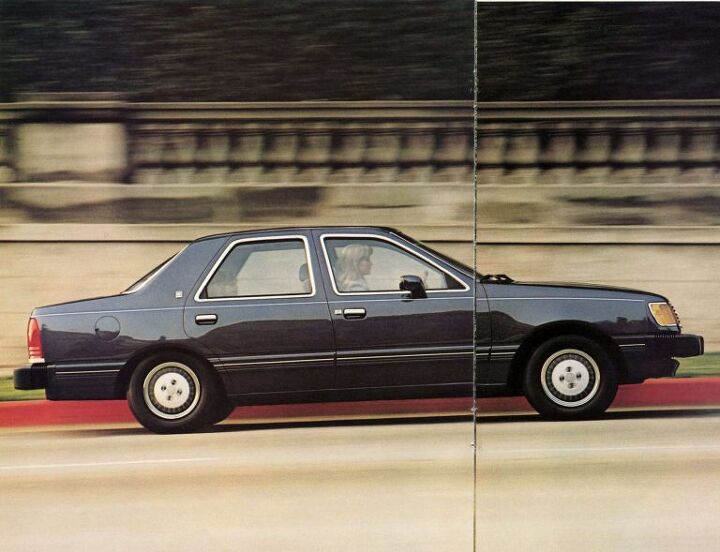
It’s the mid-1980s, so having a gas-guzzling, rear-drive Malaise box from the late ’70s is unthinkable. No, you’re a modern consumer, and you demand something front-drive and economical, but still with Malaise build quality.
Today we pick a compact Ace of Base from 1985.
Rare Rides: The 1986 Chrysler Town & Country Wagon - Adventures in Vinyl
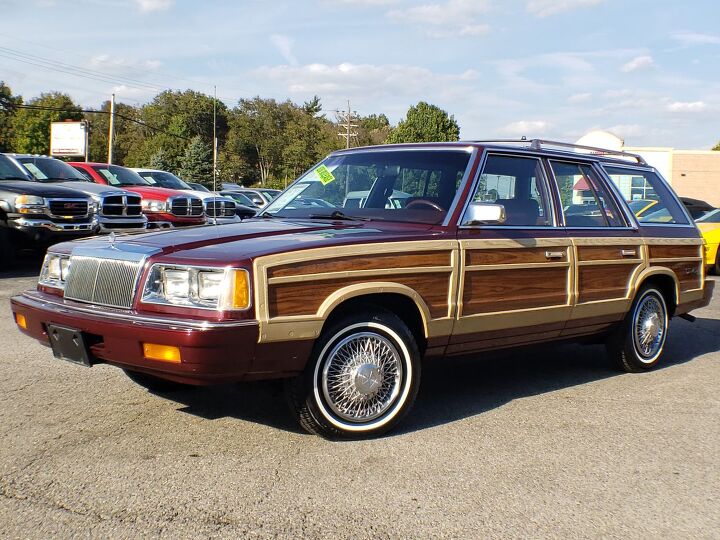
Rare Rides previously featured the last rear-drive Town & Country wagon, a model closely related to the sturdy and reliable M-body Dodge Diplomat. Today’s wagon is a sign of its times: It’s front-drive, efficient, and based on the K-car platform (like 98 percent of Chrysler’s offerings for the years 1981 through 1995).
Not that there’s anything wrong with that.
FCA Deferring Payment for Salaried Employees

Fiat Chrysler Automobiles is deferring 20 percent of salaried workers’ pay until June while CEO Mike Manley endures a 50-percent cut to his annual earnings. With the pandemic still attempting to grip more of North America, this was to be expected. Other domestic nameplates have already issued notices of deferred payments to executives staffers, noting that additional measures would likely need to be taken if COVID-19 fails to recede in the coming months. Seeing the writing on the wall, FCA seems to have jumped straight into phase two.

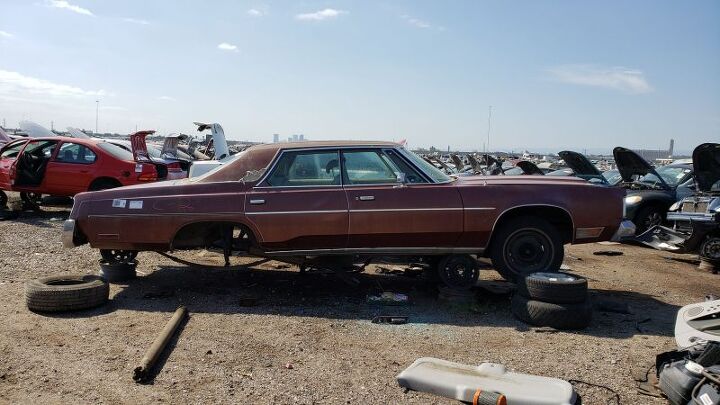
Junkyard Find: 1977 Chrysler New Yorker Brougham Hardtop Sedan
Chrysler at Chicago Auto Show: Refreshed 2021 Chrysler Pacifica Offers All-Wheel Drive
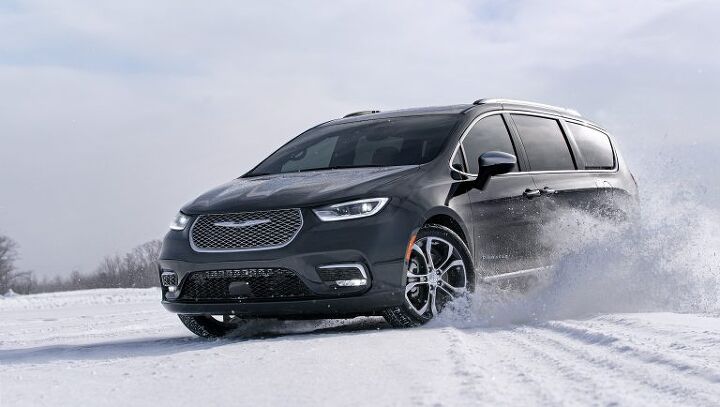
Snow Belt parents, rejoice. There’s one more minivan on the market with all-wheel drive.
The refreshed 2021 Chrysler Pacifica now offers an AWD system that can redirect power away from any wheel that’s lost traction. The system also disconnects when not needed, reducing driveline drag and improving efficiency.
Fiat Chrysler Previews Next UConnect

No North American Auto Show in January? No problem, says Fiat Chrysler – “let’s bring some media to our neck of the woods to talk about the Chicago show.”
I can’t yet talk about the other stuff I learned in Auburn Hills last week – while I’m not a huge fan of encouraging OEM marketing plans by agreeing to embargoes, those same embargoes are meant to make sure we play fair with other media, and I’m on board with that – but there was one piece of news that’s no longer under embargo.
UConnect is getting an upgrade. A massive one.
Buy/Drive/Burn: American Two-doors for a New Century
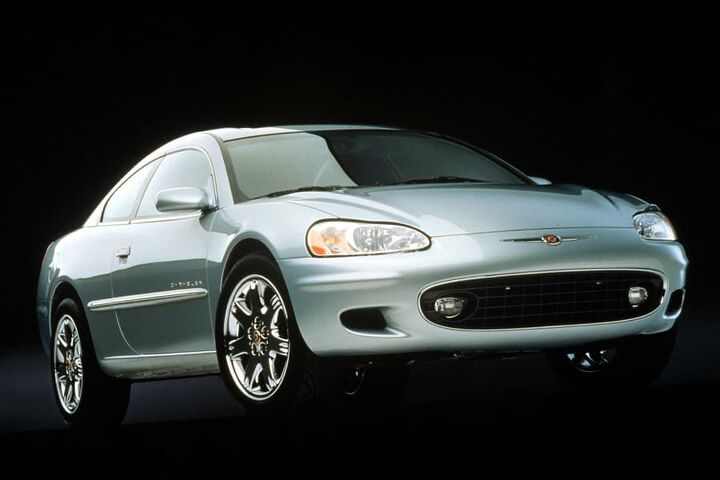
Today’s Buy/Drive/Burn is the first of two consecutive entries where we’ll be evaluating two-door offerings from the dawn of the new millennium. First up is the American car trio… though one of them is thoroughly European.
Fiat Chrysler and PSA Flirting With a Merging?

It’s almost like celebrity gossip these days. Except instead of trying to see who’s seated next to Taylor Swift or Selena Gomez at a swank joint on the Sunset Strip, we’re looking to see who’s chatting up Fiat Chrysler at the party.
The Wall St. Journal is reporting that Fiat Chrysler Automobiles and PSA Group of France are in talks to merge.
Buy/Drive/Burn: Floaty American Luxury Sedans From 1988
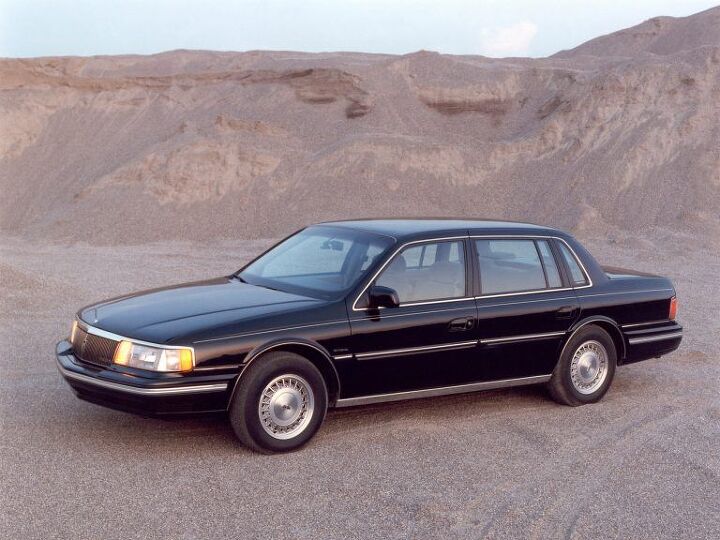
In the late Eighties, American auto manufacturers still sold large, traditional luxury sedans in decent numbers. Their aging sedan consumer base fondly remembered the vinyl and chrome of yesteryear and still relished brougham-style accoutrements.
Up for consideration today are three comfortable, luxury-oriented sedans from 1988. It’s hard to lose here.
Beleaguered Minivan Plant Granted a Reprieve

Home to the Dodge Grand Caravan, Chrysler Pacifica, and now the lower-tier Chrysler Voyager, Fiat Chrysler’s Windsor Assembly won’t see an expected shift cut next month. Instead, thanks to an uptick in volume, company brass has decided to ride out the year.
Originally scheduled to shed a shift (and along with it, about 1,500 jobs) at the end of September, Windsor Assembly will continue with its current workforce until at least New Year’s, Driving reports.
2020 Chrysler Voyager's Price Undercuts Today's Pacifica, but Only Just
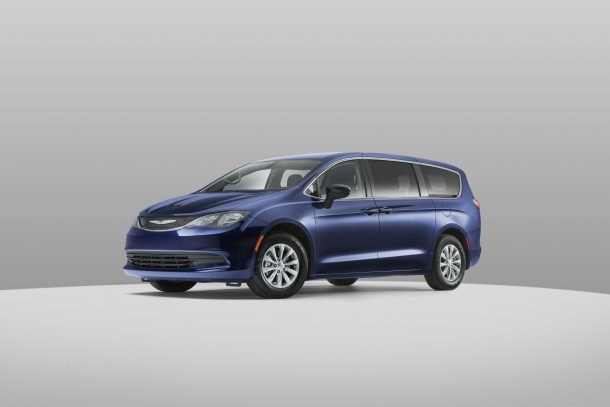
It’ll be a different story when the 2020 model year arrives at Chrysler, at which point a large pricing gap will open up between the brand’s Pacifica minivan and the newly-arrived Voyager. The Voyager name, as you may recall, has been dusted off in order to serve as a stepping stone to the Pacifica.
It’s the same vehicle, to be sure, but one which replaces the former Pacifica L and LX at the bottom of the minivan totem pole. Here’s how the pricing breaks down between the two family-friendly siblings.
There's More Than One Name in This Little Black Book, Manley Tells Renault
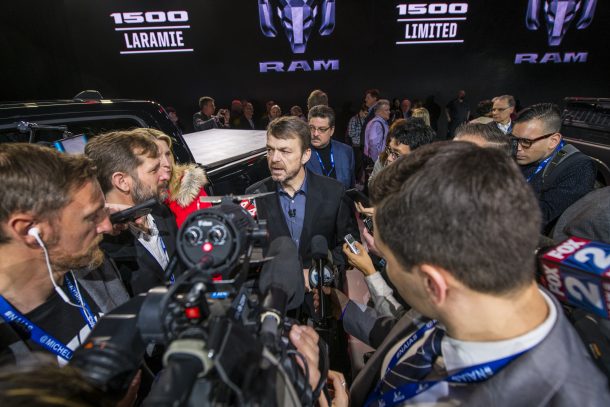
Maybe that’s a dated reference in this age of smartphones and hookup romance apps. Regardless, the list of potential partners for a prowling Fiat Chrysler doesn’t begin and end with Renault-Nissan-Mitsubishi.
Oh sure, it wouldn’t mind getting down to business with the French-Japanese auto giant, but there’s plenty of fish in the sea. FCA knows it’s a catch, and wants to put Renault on notice that it has plenty of choice in who it goes home with.
Crawling Back? Renault Still Eager to Merge With Fiat Chrysler, Report Claims

The proposed merger between two auto giants — Renault-Nissan-Mitsubishi and Fiat Chrysler Automobiles — went nowhere earlier this year, but the door to the deal never swung fully shut. That’s according to a report in the Wall Street Journal, in which sources claim talks are ongoing to rekindle the romance.
FCA snatched away its offer in June after the French government, which owns 15 percent of Renault, intruded into discussions, citing a need to have alliance partner Nissan fully on board. The Japanese automaker, embroiled in scandal and a serious financial slump, kept its distance from those earlier talks, offering polite but unenthusiastic public support as reports emerged of concerns about its autonomy and shrinking influence under such a marriage.
To get the deal back on track, Renault would need to loosen its ties with Nissan.
Rare Rides: Be a Real Businessman With the 1983 Chrysler Executive Sedan
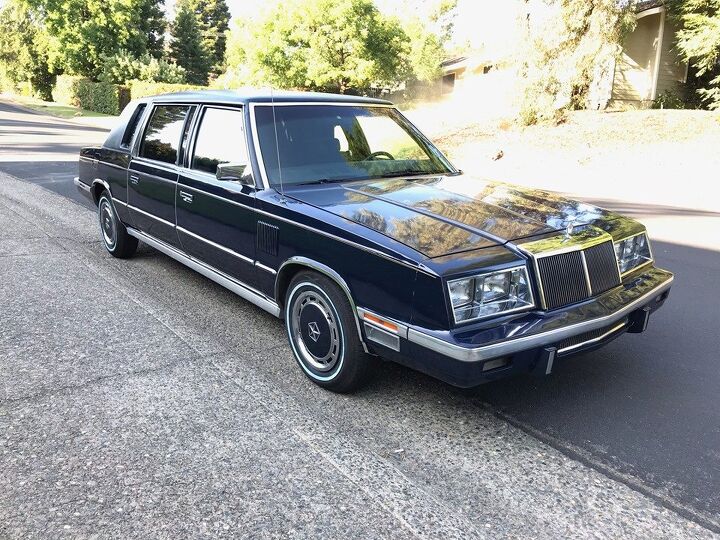
The demand for executive limousines in North America was once satisfied by OEM-lengthened versions of domestic sedans. The Detroit Three built them in-house, or sent regular cars to a domestic coach builder. The lengthened cars were then sold via the regular dealership network. The desired buyer was a wealthy customer who’d have a driver for their daily conveyance. By the Eighties, the limousine market shifted in favor of coming with length: Stretch limousines were in demand. Independent companies built super-extended wheelbase cars for livery-type needs. The factory limousine car market faded away as business magnates chose standard sedans, or long-wheelbase offerings that were not limousines.
But there were one or two holdouts in the factory limousine marketplace, and today’s Rare Ride is one such car. It’s the Chrysler Executive from 1983.
Rare Rides: The 1982 Plymouth TC3, Sporty Liftback Time
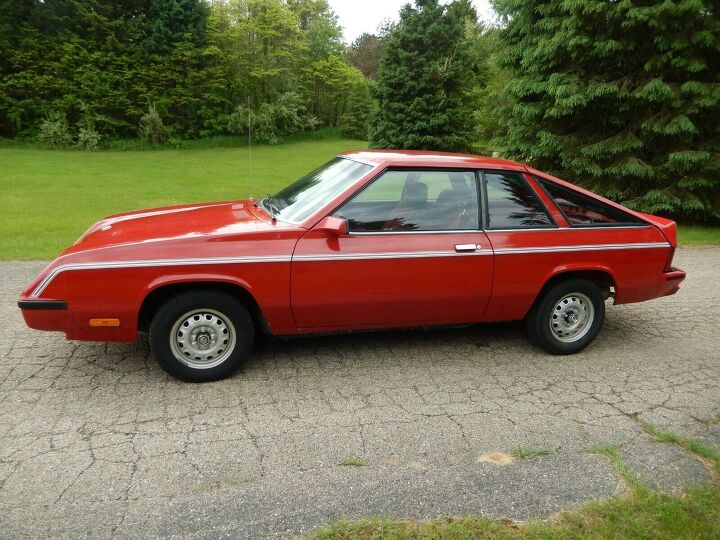
Today’s Rare Ride is the much sportier (but mostly the same) liftback version of the Horizon that everyone forgot. It’s a Plymouth TC3, from 1982.
Now, Voyager: Fiat Chrysler Blows the Cobwebs Off an Old Minivan Nameplate

The Dodge Grand Caravan isn’t dead yet, but minivan buyers in the market for a low-end people mover will have a new option come 2020. Earlier this week, FCA announced the reintroduction of the Voyager — a nameplate that began life as a full-size Plymouth van in the 1970s before morphing into a front-drive minivan for 1984.
Following Plymouth’s death, the Chrysler brand fielded a short-wheelbase Voyager model until 2003 in North America, with Grand Voyagers (LWB Town & Countrys) serving overseas until 2016.
While FCA doesn’t intend the new Voyager to be a cheap, bare-bones stripper, it will replace the lower-rung trim levels of the Pacifica, giving fleet operators something to consider once the Grand Caravan shuffles off into the afterlife.
Renault Taking Time to Consider FCA Merger Proposal

As perviously reported, Fiat Chrysler is currently hard at work, hoping to impress Renault to a point where it will pull the trigger on possible merger. FCA is now in talks with the French government, which owns 15 percent of Renault, hoping it will also find the 50/50 proposal agreeable.
Concessions are already being made. FCA has agreed to France’s request to give the government a seat on an prospective eleven-member board, which also holds four seats for Renault and one for Nissan. Rumors have also suggested that the automaker is considering moving its headquarters to Paris to appease the country.
While France appears to be somewhat receptive, Renault appears to be taking things to the next level. Following a week of discussions with FCA, the company announced it would be taking the rest of the day to give the matter serious consideration.
QOTD: Your Least Favorite Front-drive Nineties Ride?

Last week, Steph penned a QOTD where he let commenters loose on front-drive American cars made between 1980 and 2010. The ask was to pick a favorite from the wide selection; one you’d buy today as new.
This week we’re going to take the opposite tack and talk about the front-drive car you like the least.
2018 Chrysler Pacifica Hybrid Limited - Long-distance Hauler
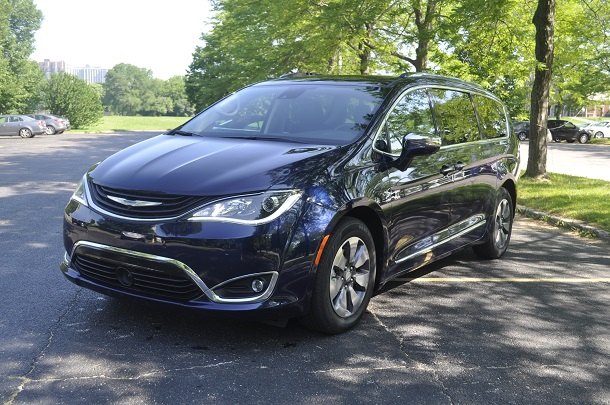
Today’s crossover craze may be in part a rebuke of minivans, but that hasn’t stopped Chrysler from putting effort into the class.
After all, if the company that more or less invented the modern version of the people-toting minivan was offering up a subpar effort in the class, that wouldn’t reflect well on it. Chrysler doesn’t have to worry about that, as its Pacifica minivan has fought the Honda Odyssey for top billing in the class seemingly since its launch.
One thing the Pacifica offers that the Odyssey doesn’t? A hybrid version.
Buy/Drive/Burn: Old Man Garage Queens From the Early 2000s
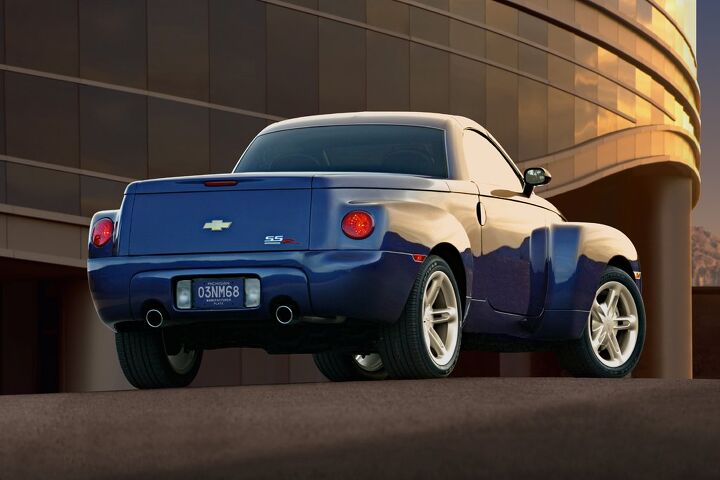
Once upon a time in the early 2000s, a special convergence of factors created three very special cars. The most important element in the cars’ creation was the motoring public’s desire for things that appeared “retro” in the early part of the millennium. This retro desire occurred around the same time as some meetings in Michigan, where executives at the Big Three surely conducted consumer clinics with retired old men.
Remember, you can only burn one of these.
Rare Rides: A Very Brown Talbot Tagora From 1982

Today’s Rare Ride is the European luxury sedan you’ve never heard of. Plush, brown, and boxy, it’s the Talbot Tagora from 1982.
Buy/Drive/Burn: Classic Luxury Coupes From 1963
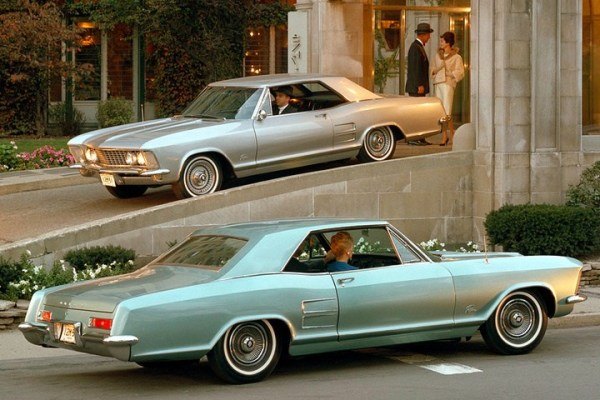
Today’s Buy/Drive/Burn brings three big and brawny American luxury coupes from 1963. You’ll have to burn one — no exceptions.
'The Brand Has Seen Some Softening,' Is One of the Most Accurate Statements Chrysler Has Ever Made About Chrysler
“When I look at the new Imperial,” Chrysler Corporation chairman Lee Iacocca said in 1980, “I see an electronic marvel.”
He may have been reaching.
“We understand the speed with which we have to act,” Chrysler Group CEO Bob Nardelli said in mid-2008, months before Chrysler’s collapse showed that whatever understanding there was did not find itself successfully implemented.
More recently, however, in Fiat Chrysler Automobiles’ recap of its brands’ 2018 U.S. sales performance, the company’s own take on the Chrysler marque’s results was stunningly honest. “Overall,” FCA said in its press release, “the brand has seen some softening during the year following the continued wind-down of the Chrysler 200 and the Town & Country.”
Ya don’t say.

Rumors and Omissions: Chrysler's Product Future Remains Hazy, but Might Not Be As Threadbare As You Think
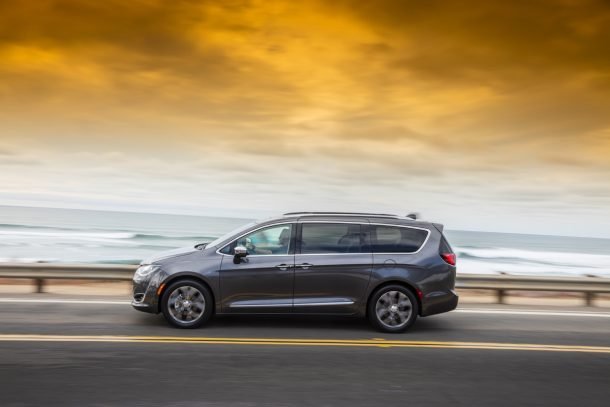
The once-mighty Chrysler brand is not a purveyor of niche sports cars, so its two-vehicle lineup continues to draw attention to itself. To call its lineup sparse would be an understatement. Still, despite a change in its priorities (sparked by the ascension of Jeep and Ram), Fiat Chrysler’s not giving up on the 93-year-old brand.
It would be weird to hop on the Chrysler Freeway in Detroit, head to Auburn Hills, pass by the Walter P. Chrysler Museum on the way, then head to Fiat Chrysler Automobiles headquarters at 1000 Chrysler Drive if the Chrysler brand didn’t exist.
While 2018 brought us news of a new (and fairly wild) Chrysler product, it also pushed two anticipated models into the Maybe Not Zone while throwing away another model’s future. Is there any hope of a Chrysler lineup that’s not a two-car parade? Apparently, there is.
A Straight-six for Fiat Chrysler's Big Guys?
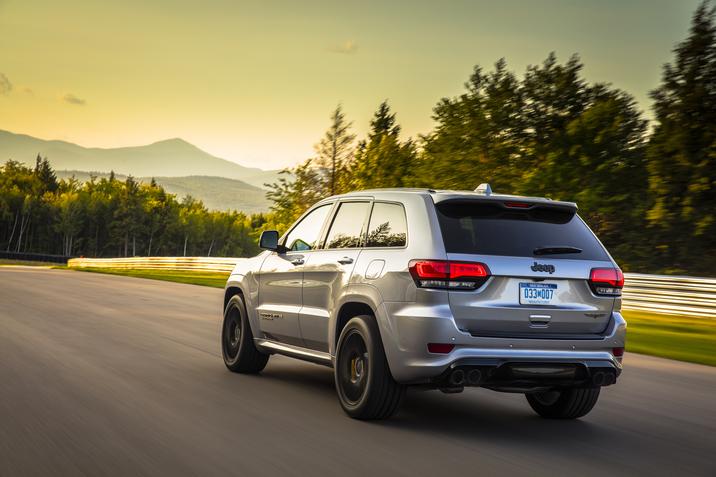
For moving mountains of metal, Fiat Chrysler has no shortage of motivators. Larger vehicles scattered across the automaker’s various brands already have plenty of choice in powerplants, from the 3.6-liter Pentastar V6 to the 5.7 and 6.4-liter V8s. There’s a supercharged 6.2-liter offered in a number of flavors should those mills prove too pokey.
As FCA slooooowly readies a new range-topper for the Jeep brand and prepares for a revamp of the long-running Grand Cherokee, a possible new engine has emerged as a V6 — or even a Hemi — replacement.
Fiat Chrysler Offloads Magneti Marelli Parts Unit for $7.1 Billion

A key goal of Fiat Chrysler Automobiles’ financial fitness regimen, started under former CEO Sergio Marchionne, has come to pass under his successor, Mike Manley.
On Monday morning, FCA announced the sale of its Italian parts unit, Magneti Marelli, to Japan’s Calsonic Kansei, itself owned by KKR & Co. The deal, worth $7.1 billion, sees the parts unit don the name Magneti Marelli CK Holdings. It’s likely very good news if you’re an FCA shareholder.
Chrysler's Pacifica Ads Grow Mildly Risque, As All Minivan Ads Should
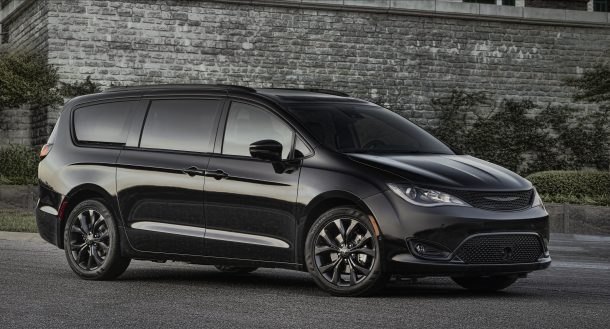
Of all the automakers embroiled in the Mad Men-era rush to plumb the psyches of American car buyers, Chrysler’s Dodge division stood head and shoulders above the rest in one key marketing element: sex. It sells, apparently, and Chrysler Corp. made sure to instill a little bit of it, overtly or subconsciously, into its print and TV advertising. As the circa ’66-67 “Dodge Rebellion” campaign gave way to 1968-70’s “Dodge Fever” gambit, the impact of the counterculture movement and America’s rapidly liberalizing attitudes soon became apparent in Dodge’s ad copy.
It was this era in Chrysler’s marketing history that spawned what’s arguably the most sexist (and psychosexual) car ad ever printed: Dodge’s 1969 Charger R/T ad, titled “The Eternal Triangle.”
These were sexy times for America, but even sexier times for Dodge, which had clearly grown too hot under the collar. The onset of the 1970s saw the brand put the tie-dyed shirt and address book in storage, trading its hedonistic copy for the far tamer “Dodge Material” campaign, and the rest is history (some of it quite embarrassing). Given this rich marketing heritage, it’s nice to see Chrysler attempt to spice up a family-oriented minivan with sex.
Manley Shakes Up FCA Ranks; Bigland Heads Back to Ram

Fiat Chrysler CEO Mike Manley just can’t keep his hands off the Jeep brand. In his first management reorganization since assuming the top position in July, Manley placed the responsibility for key FCA brands in trustworthy hands, though the CEO seems reluctant to part ways with his beloved Jeep.
Prior to becoming CEO, Manley headed up both the Jeep and Ram divisions. Now, Tim Kuniskis will add the Jeep North America file to his responsibilities, maintaining his grip on the Alfa Romeo brand. Given that there was no mention in Manley’s letter to employees of who’ll oversee Jeep’s global operations, it is assumed the chief executive will continue nurturing FCA’s most valuable asset on the world stage.
Junkyard Find: 1982 Chrysler LeBaron Convertible
Report: Stately, Ancient Chrysler 300 to Be Replaced by an Electric Minivan

The appearance of the unabashedly traditional, square-rigged Chrysler 300 in the mid-2000s inspired high-fives among car lovers sickened by the 1990s Ovoid Era. It’s unlikely those same revellers feel the same way about the 300 biting the dust to make room for a tech-savvy, electric minivan.
And yet, that’s what we’re hearing. In 2020, the last Chrysler passenger car will reportedly give way to a second Chrysler minivan, keeping the shrunken brand’s two-vehicle lineup intact. If only we could say the same for its heritage.
Concentrated Rides: An Imperial Collection
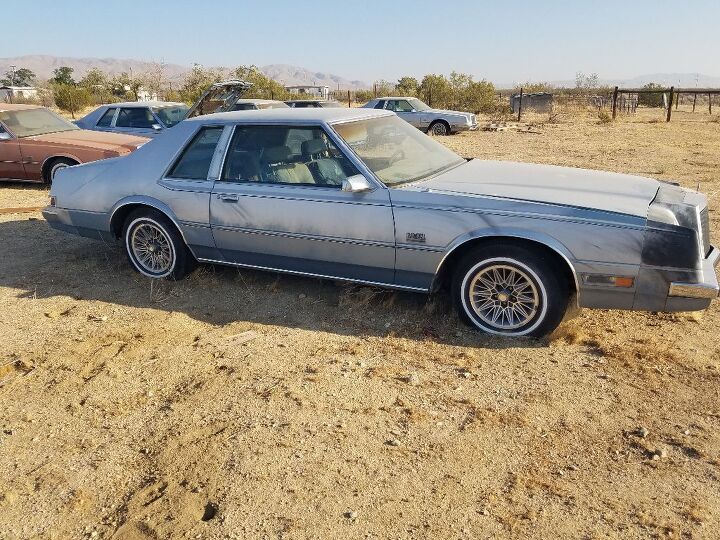
Certain extraordinary circumstances can move a vehicle from the standard Rare Rides classification and into Concentrated Rides. Take today, for instance, where a concerned collector has gathered together 24 Chrysler Imperials in a California desert.
The why here is unclear.
Feds Wade Into Fiat Chrysler-Mahindra Spat, Promise to Get to Bottom of Roxor Affair
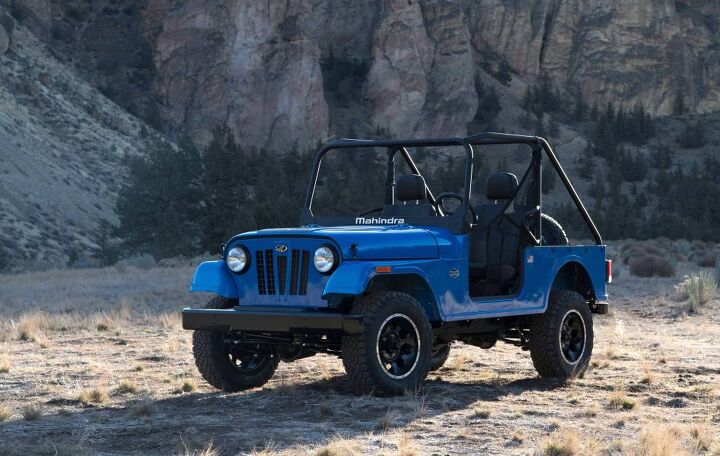
A decade-old document signed by Indian automaker Mahindra & Mahindra and Chrysler Group LLC will be at the center of an investigation by the U.S. International Trade Commission.
Announced Tuesday and reported by Reuters, the feds will look into the patent dispute that erupted when Mahindra began importing the very Jeep-like Roxor all-terrain vehicle into the United States. FCA claimed the Roxor looks too much like the classic Jeep CJ line, predecessor to the Wrangler, and filed an intellectual property complaint to the ITC. Nuh uh — we had a deal, Mahindra responded.
Buy/Drive/Burn: American Wagon Life, Circa 1975
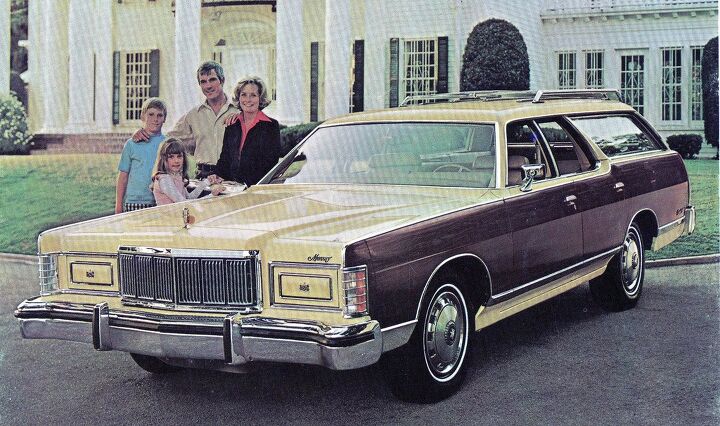
Today’s Buy/Drive/Burn setup comes to us via commenter 87 Morgan, who suggested the trio a while ago. For consideration today: Malaise Era transportation for upper middle-class families. These gigantic wagons served as family haulers before the minivan came along and ripped the sculpted carpet from under their feet.
What will it be — the Chrysler, the Mercury, or the Buick?
A Post-Marchionne FCA Gets Ready to Name a Dream Team

After the sudden illness of industry titan Sergio Marchionne in late July, Fiat Chrysler enacted some quick changes in order to name a new CEO. Mike Manley, who had helmed powerhouse FCA brands, was installed into the role on July 21st, just four days before Mr. Marchionne’s passing.
Reuters reported this morning that Manley will announce his new team during an event towards the end of this month. Until now, little else has been said about the remainder of FCA’s management roster. In a post-Sergio world, who will head up each of the company’s brands?

Mahindra to Fiat Chrysler: Nah, We're Selling Our Little Jeepy-Jeep Thing
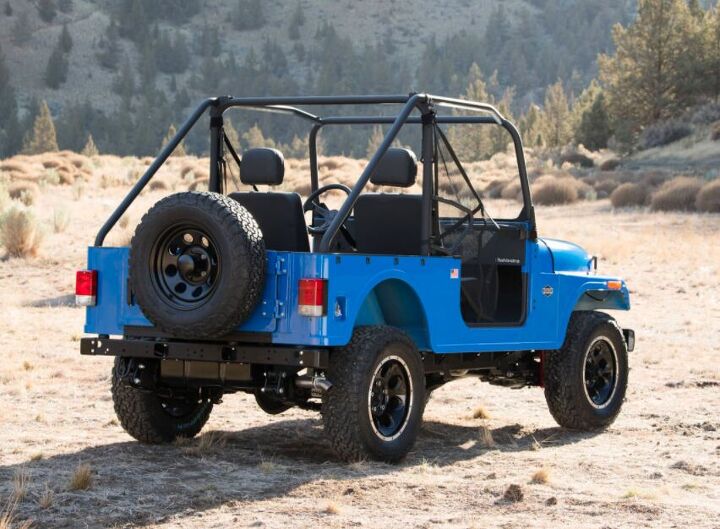
There’s an Indo-Italian-American battle heating up in Michigan. Mahindra and Mahindra, maker of the absolutely adorable, U.S.-built Roxor ATV, is fighting back against Fiat Chrysler’s efforts to squash the little all-terrain vehicle’s future in this country.
FCA’s beef is this: the generously proportioned ATV, which is not road legal here (but is in India), bears a striking resemblance to a classic Jeep CJ7. At the beginning of the month, the automaker filed a complaint with the U.S. International Trade Commission in an bid to stop the importation of Roxor parts to the company’s Michigan factory.
Not gonna happen, Mahindra says. You saw our grille and you gave it the thumbs up.
Rare Rides: The 1975 Jensen Interceptor Convertible – A Very British Chrysler

The Jensen Interceptor brought together American power and British design and craftsmanship in a rare heavyweight sports-luxury liftback.
The company even made a few of them into convertibles, like today’s Rare Ride.
In Vendita: FCA's Magneti Marelli Could Be Sold, Not Spun Off
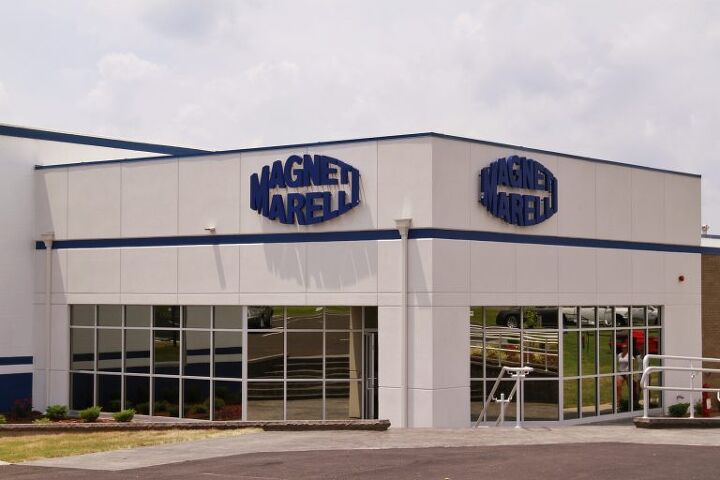
In a story that’s been developing for some time now, Fiat Chrysler is inching closer to shedding its component supplier, Magneti Marelli.
According to a report, a private equity firm is reportedly in talks with the automaker to buy the parts business. This is a shift in direction for FCA which, in the past, was seemingly focused on spinning off Magneti Marelli rather than completing an outright sale.
Rare Rides: The 1978 Chrysler LeBaron Town & Country Gives You Wood
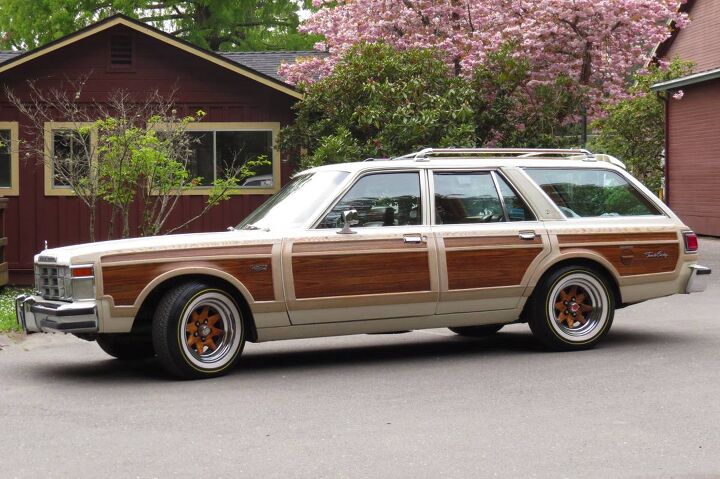
An aluminum garage door rattles open on its track. As the goldenrod-colored panels lift up and away, a luxurious family wagon comes into view. Once the kids, parents, and Golden Retriever are lightly secured inside, the luxury wagon glides out of the lightly sloped driveway and away from the bi-level with the paneled den.
It’s 1978, and it’s Town & Country time.
Rare Rides: A 1967 Chrysler 300 - Large and In Charge

A recent edition of Buy/Drive/Burn included a Chrysler 300M from the turn of the century — a car which represented the third time Chrysler created a line of vehicles wearing “300” badges. The other day, the Internet presented the 300M’s closest ancestor, and my curiosity piqued.
And since we’re into coupes on Rare Rides lately, come along as we check out a big, bold coupe from Chrysler.








Recent Comments