
The Best Heated Seat Covers for Your Car

If you live in an area that experiences freezing temperatures in the winter, you can appreciate the effect of the best heated seat covers for your car. Getting into a cold car with cold seats on a 0 degree morning is a harsh way to start the morning. Even if you start the car in advance to let it warm up a bit, the seats often hold in the cold, creating an uncomfortable situation for the early portion of your morning commute.

Best Wheel Bearing Greases: Just Keep Rollin'

We’re confident a good many of you saw this viral video in which a tire and wheel assembly seemed to warp in from another dimension to clobber someone’s front porch at speed. Pick your favorite part of the video (there’s plenty) – the assembly itself tearing down a rural highway at a tremendous clip, the fact it actually rang the doorbell after impacting the home, or the guy in orange shorts who shows up after the destruction and stands there in complete befuddlement.

Best Rust Converters and Removers: Rid the Iron Oxide
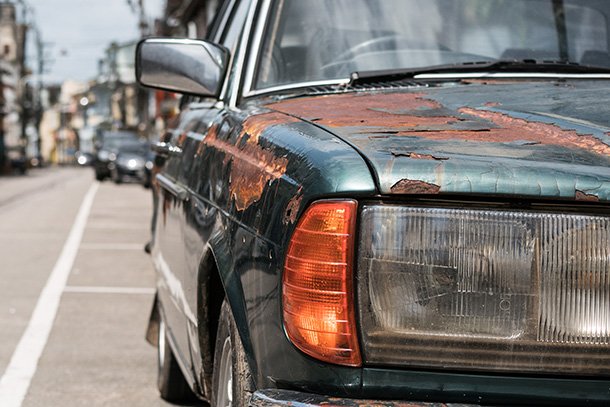
Before you get bent out of shape, know that this post isn’t about those infernal gadgets that late-night television tries to sell us. You know the ones – they promise to send an electric charge through the body of a vehicle to allegedly neutralize conditions in which rust normally forms. The less said about those, the better.
Best Hot Wheels Track Sets: All In Good Fun

Be forewarned. The following items are gateways to a lifelong cycle of fiduciary entanglement. It’s not drugs, crime, or even rooting for the Lions. No, it’s something far worse.
Best Spark Plugs: Sparking Your Interest
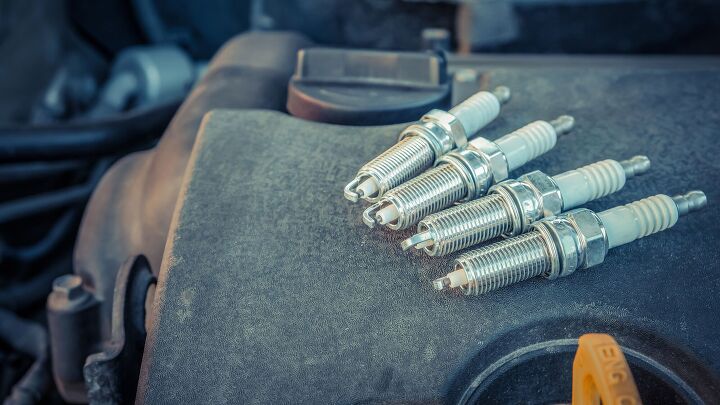
It has been ages since the days when one needed to change the spark plugs in their car every 20,000 miles. Today’s machines are very different, to the point where most owners have no idea the firing order of the engine that’s powering them down the road. Still, plugs do need to be replaced eventually, even if it is at 100k.
Best All Season Tires
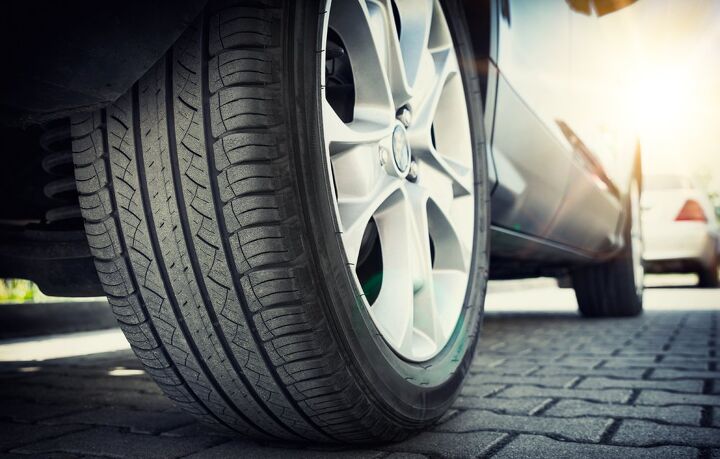
Tires, like donuts, are round with a hole in the middle. Unlike donuts, picking tires can be hard. You can’t just go back the next day and grab another one if you don’t like them. Rather than filling your hunger, tires keep you safe and secure on the road in all types of conditions, both wonderful and miserable. While there are tires designed for summer and tires for winter, for many people, the compromise of an all-season tire is a much better choice. Like a plain donut, the all-season tire is good every day, even if it isn’t your favorite.

Classic Car Restoration: 10 Things You Need to Know
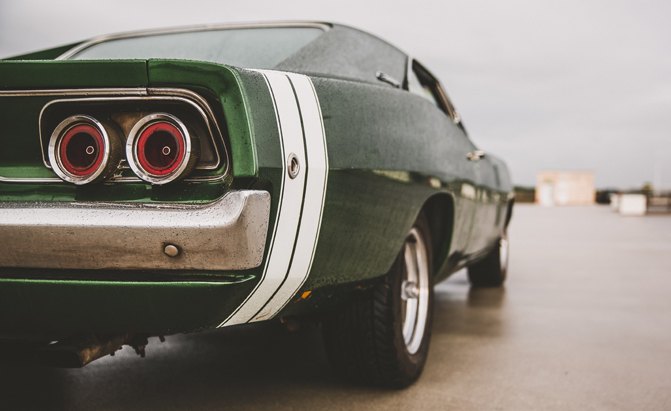
Classic car restoration is a very broad term that can mean almost anything, depending who you ask. Deciding what it means to you is crucial to making sure your restoration project goes smoothly and doesn’t end up as a never-finished pile of parts.
Best Welding Helmets: Agents of Shield

Given the general propensity for most of our readership (and authors) to drive horrible but charming rotboxes, there’s an excellent chance that at least some of you have welded together a piece of metal or two in order to keep your heap on the road.
Best Car Waxes: Wax On, Wax Off
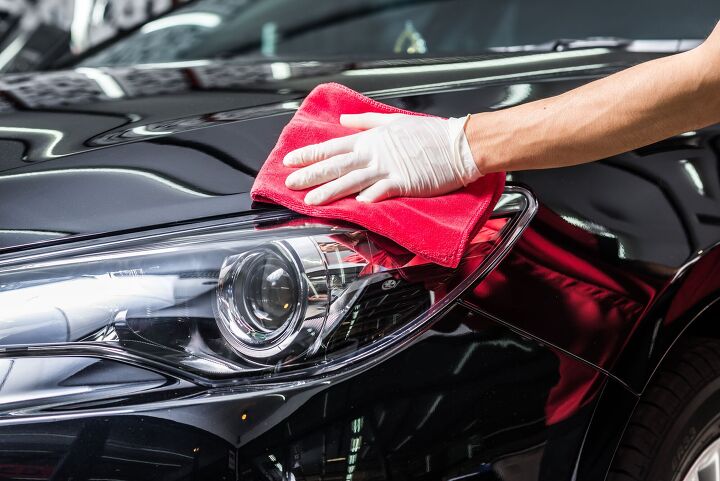
The title for this post is as predictable as your author’s propensity to fix himself a bacon sandwich at dinnertime. All the same, we’re betting you lot tend to take care of your cars, so an article about car wax should be useful.
Best Garage Door Openers: Open Wide
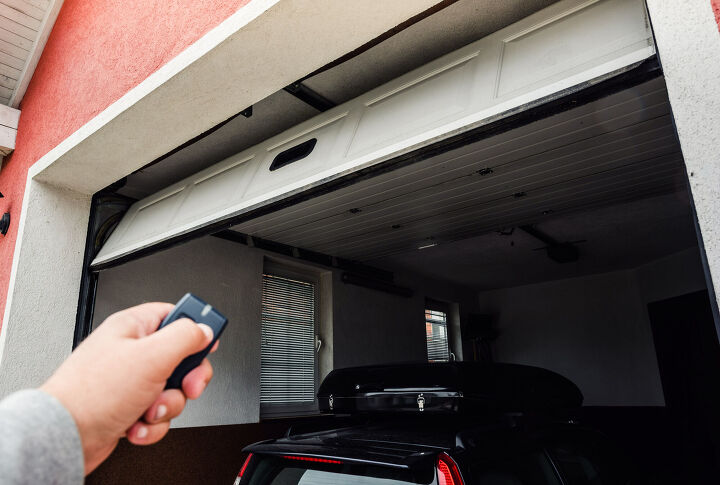
Hands up if you’ve ever toiled on a car behind creaky garage doors with enough gap in the seals to let in heat during summer and snow during winter. Actually, a solid number of us have likely changed engines or replaced fenders curbside or in the parking lot of AutoZone. Ok, replaced wipers and batteries, at least.
Best Garage Seats: Wheely Good Idea

It’s unfortunate the word ‘creeper’ has a different connotation in the Internet era. Anyone saying “Do you want to see my new creeper?” or “I crushed my old creeper and put it in the dumpster,” will likely receive a visit from the gendarmes in short order. At the very least, the FBI will be watching your texts for a couple of weeks.
Best Baby Mirrors for Cars: I See You
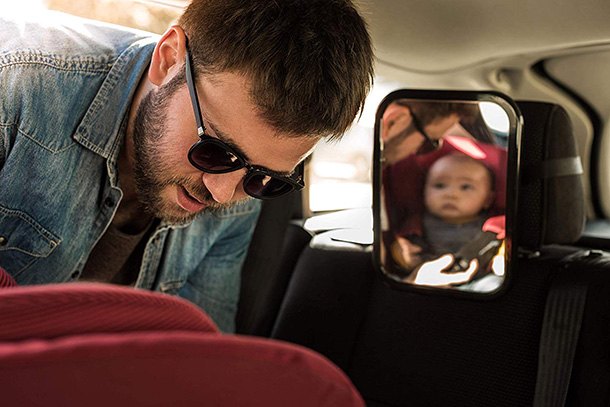
Snicker at this topic if you must, but since we’re no longer allowed to let youngsters roll around in the cargo area of a station wagon like a sack of potatoes, the available number of safety items available for parents to buy has multiplied exponentially. Infants are now strapped into rear-facing car seats that essentially become part of the car’s structure when properly installed.
Best Trailer Locks: Load & Lock

Yeah, it sucks these things exist. But it doesn’t matter what’s in the trailer— boxes of tools, camping equipment, or a Hemi ‘Cuda — it all makes a tempting target for the criminal element. This goes for camping trailers, too. A retailer near your author’s hometown has to deal with loss prevention more often than anyone would care to admit. After all, in most cases, the theft is as simple as a hitch-up-and-go.
Best Tire Shines: Rise 'n Shine
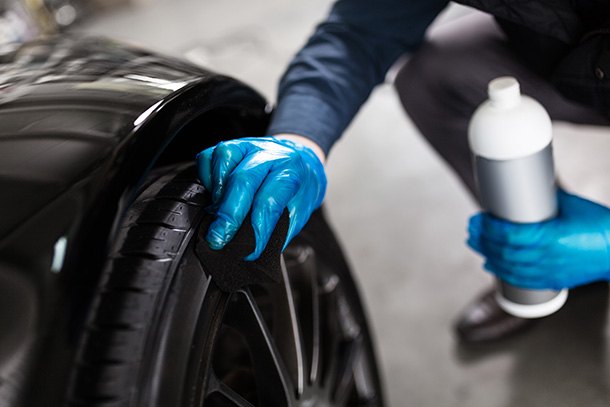
Hands up if your spouse has ever stood in the with a perplexed look as you applied tire shine to the ride-on lawnmower. Anyone? No? Well, I guess it’s just me and my fanaticism for clean machinery, then.
Best Windshield Repair Kits: Pane in the Glass

You’re on the way home from work, minding your own business, when *bang* that service truck you’ve been following for the last 10 miles flicks up a rock which impacts yer car’s windshield. Great; just great (let’s see if I can get the TNG clip timing right this time).

The Best Headlight Restoration Kits: I Can See Clearly Now
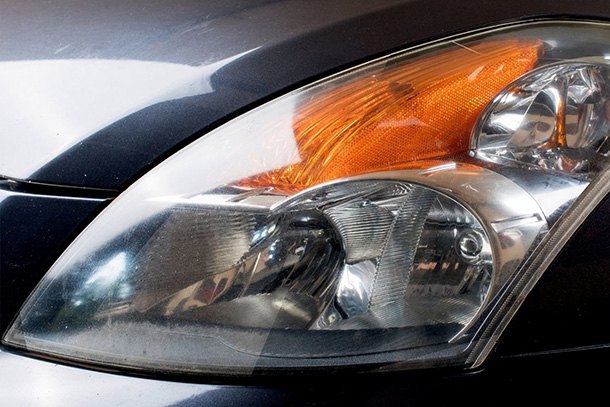
You’ve all seen them – sad, yellowed headlights on the nose of a vehicle offering all the illumination of two fireflies in a couple of jam jars. There are several theories as to why some cars end up looking as if they should be extras in a 1970s French movie: exposure to ultraviolet light, constant assault from road debris, and just general poor quality plastic are some of the leading explanations.
Best Jeep Tires: Jeep Thrills

There’s no question the Jeep brand has been on a bit of a roll. After launching the new Wrangler a couple of model years ago, they followed that up with the similar-but-really-not Gladiator and are set to (finally) have a three-row offering in the new year. Combine that with volume from the Cherokees – both Grand and un-Grand – plus the Renegade, and FCA essentially has a license to print money.

The Best Gifts for Gearheads: TTAC's 2020 Holiday Gift Guide

When it comes to the holiday shopping season, this year may be a bit different. And you may be celebrating holidays virtually. So with that in mind, here are some gift ideas for the gearhead in your life — including ones you can ship. Happy shopping!
Best Fuel Filters: Fuelish Behavior
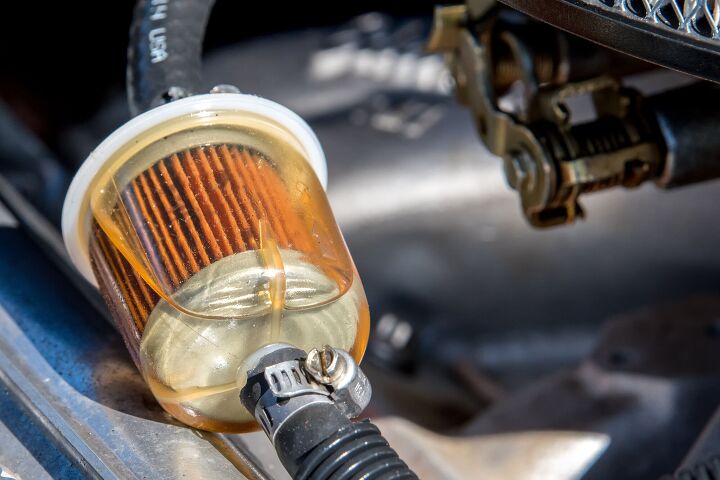
This is a slightly difficult list since virtually every vehicle on the road takes a different type of fuel filter. Unless you’re driving a GM product from the ’90s; experience shows they all used roughly the same one from about 1990 until about 2008. Also, know that there typically aren’t service intervals for the replacement of these things – generally, when they go bad, you know.
Best Phone Mounts: Can You Hear Me Now?
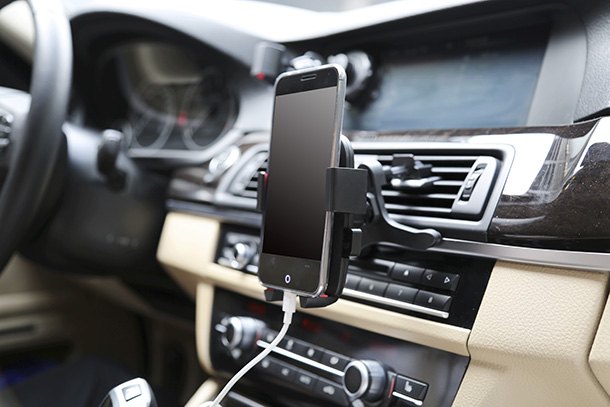
We know, without a doubt, there are several readers in the audience shouting into their screens that few people use a phone mount these days. One’s phone generally stays in a pocket or unceremoniously flung into storage bin or cupholder. And, yeah, you’ve got a point.
Street Rod: The Granddaddy of Car Culture Software
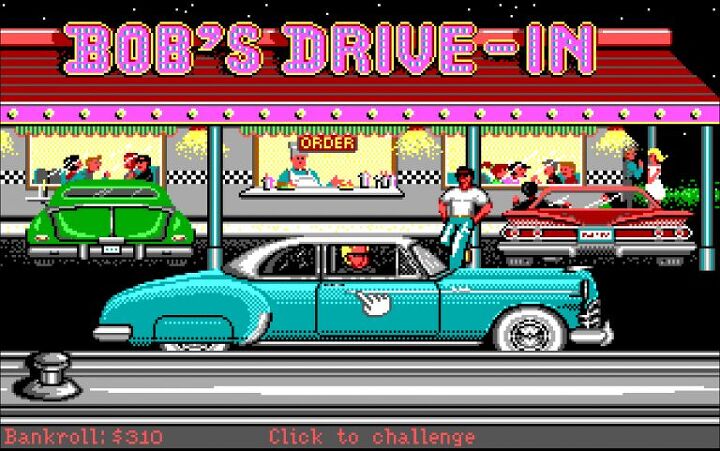
While the summer months are normally the perfect time to take a road trip, New York has mandated that any jaunts out of state require a 14-day quarantine upon return — and any location one might want to visit on a lark has a strong likelihood of being closed to visitors.
Seems like a lot of hassle with very little payoff for yours truly, so I’ve been escaping into old films and television shows before they’re cancelled for being offensive. Video games have also become a staple of the modern pandemic lifestyle and, if you read my review of the Ford Simulator franchise, you’ll recall that my tastes skew toward terrible, automotive-themed DOS programs from the late 1980s.
Today’s entry is actually pretty decent, however — or at least it would have been at the time of its release.

Best Ceramic Coatings: Big Shiny Cars
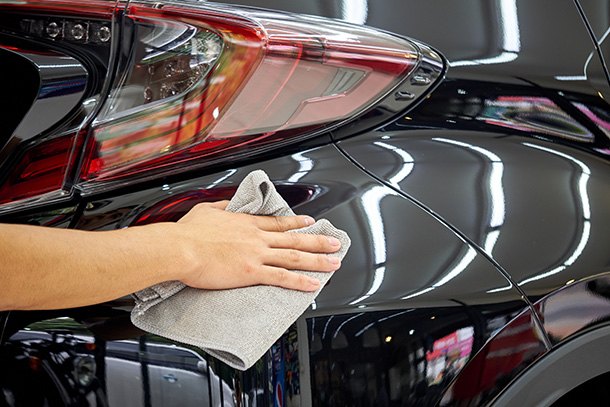
There’s an urban myth amongst gearheads that a clean car runs better. Whether or not it’s true, we can’t say. However, why take that chance? Best to keep your ride in spic-n-span shape.
Best Multimeters: Volt of Lightning
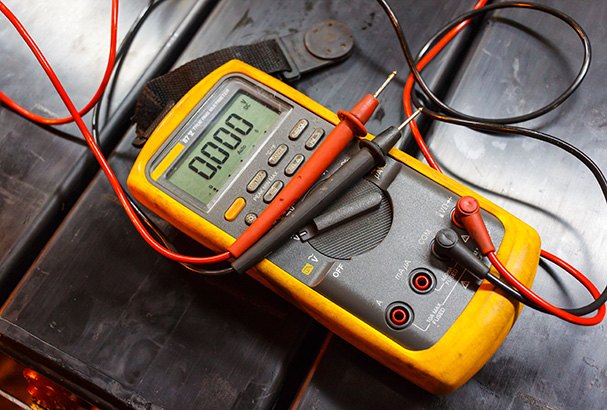
Whether you’re working on a collector car or a daily beater, having a multimeter on hand when one’s required can be a lifesaver. Not only can it help diagnose electrical issues but it can also help narrow down issues and prevent the replacement of perfectly good parts.
Best Welding Gloves: Just Glovely

Following up our list about welding helmets we felt it appropriate to compile a list of welding gloves. After all, you’re not trying to stick metal together with your bare hands are you? And that pair of cotton gloves is totally inadequate, by the way.
Best Convertible Car Seats: Safety First

It’s all well and good to reminisce about the good old days but, chances are, we’re looking at another time through seriously tinted rose-colored glasses. Sure, more than a few of us used to bounce around on the bench seat of a station wagon or in the bed of a pickup truck but there’s no way anyone can argue in good faith that it was very safe.
Best Electric Pressure Washers: Under Pressure
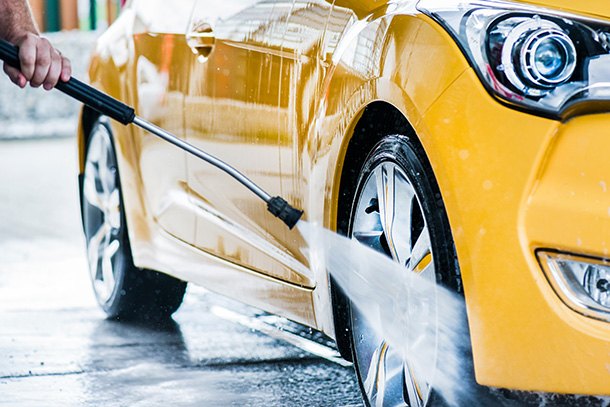
It’s totally not a filled-with-soap myth that a clean car runs better, right? Except for off-road rigs. They run best when caked with a thick layer of sticky mud and dirt.
Best Tool Boxes: Organize This
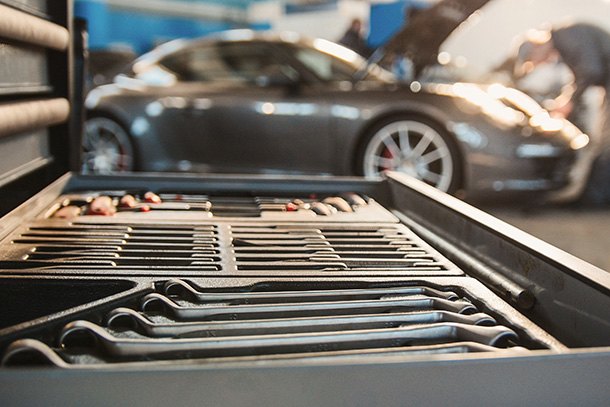
It’s a debate for the ages: should one put tools back in their place during a repair? One school of thought says that if you don’t, then they’re at hand and easy to reach. Others argue that the time spent walking back to the bench is well spent since you always know exactly where the tools are sitting. We’ll let you guess which side of the debate this author resides.
Best Dog Car Harnesses: Who's a Good Boy
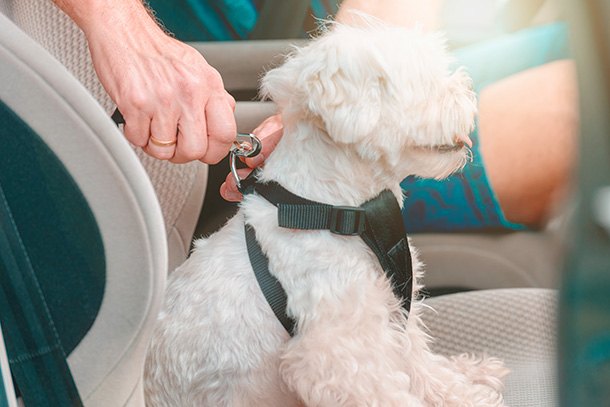
We’ll preface this post with the note that your humble author has never, and likely will never, have any canine livestock in his home. But plenty of people do, while continuing to maintain their gearhead status, explaining the presence of today’s list.
Best LED Fog Lamps: Mist the Mark
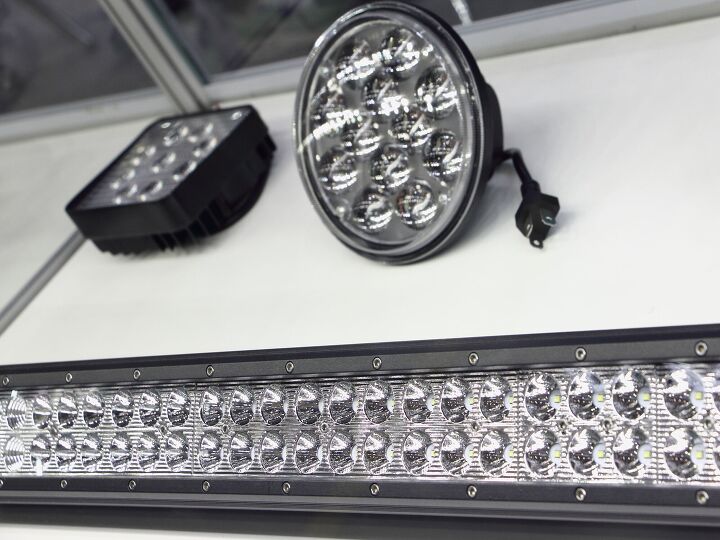
Tacking extra lights onto one’s vehicle is a practice nearly as old as the concept of the automobile itself. After all, you know better than the cadre of engineers who worked for ages designing the thing, right?
How to Score All The Cashback Deals From Tire Rack
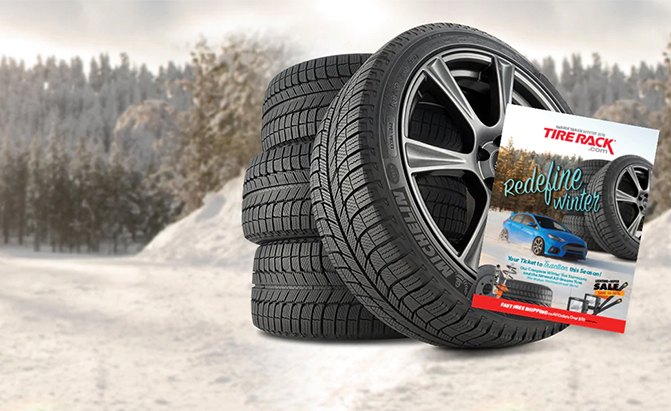
You already saw our feature on the tire sale at TireRack on Goodyear winter tires, but it’s looking like the online superstore has a bunch of ways to earn some solid cashback between now and the end of the month. Covering everything from winter and all terrain tires to more basic all-seasons, the deals include options from Michelin, Continental, Yokohama, Cooper, Dick Cepek, Firestone, Khumo, and Pirelli. Click through the links below for a closer look at the various promos out there and how to qualify.
When 18-Year-Old Auto Upgrades Go Wrong: Forward Collision and Lane Departure Warning System - Advent LDWS100
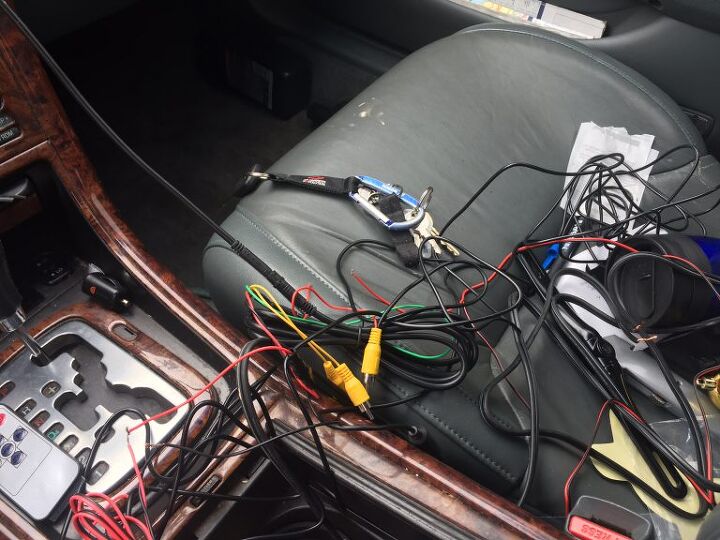
If there’s anything we’ve learned with this project, it’s something we should have already known but tend to forget: Most projects turn out bigger than first imagined, and some are so large as to be either impossible, or not such a good idea after all — at least for those without the proper tools or knowledge.
Such was the case when we went to install the Advent LDWS100 Advanced Driving Assistance System. This is not to say the Advent isn’t a good device. Or to say that it is. It’s simply to say that we couldn’t get it working, so we don’t know.

Drive a New Civic? Got a Tax Refund? Time to Add Power
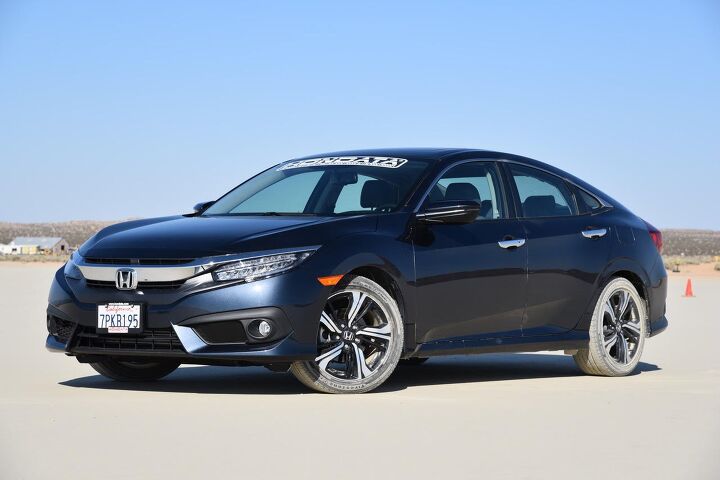
Honda’s new Civic is a heck of a car, even if the styling is polarizing. But it’s not a performance car like Civics of old, where mixing and matching engine and transmissions from other models could yield a very quick ride with a stratospheric redline. Enthusiasts are anxiously awaiting the Si and Type-R trims, which promise plenty of power — but what of those who already have a car, or need features the high-performance cars don’t have?
Enter Hondata, the firm that’s been tuning Honda engine management systems for years. It’s been the industry leader for those looking to do those engine swaps, and has developed software and devices to add performance to the factory ECU.
Recently, Hondata released its FlashPro for the newest Civic powered by the 1.5-liter turbo engine, and I had a chance to drive a Hondata-tuned 2017 Civic.
Even stock, the new turbo Civic is faster in the quarter-mile than the previous-generation Civic Si, so the extra performance should be impressive.

The 18-Year-Old Auto Upgrade: Backup Sensors - Hopkins NVision

If you’re looking for some electronic assistance backing your car but don’t want to mess with installing a rearview camera, a backup sensor system might be the solution.
Consisting of ultrasonic sensors mounted at the rear of the vehicle and connected to an audible alarm inside the car, a sensor system gives you a warning when you’re getting close to something behind you, typically growing more urgent as you get closer.
The 18-Year-Old Auto Upgrade: Backup Camera - Pyle PLCM7500

There’s no question a rearview camera can add a measure of convenience to the business of backing up and increase your margin of safety. Studies have shown a rear camera makes it easier to see small children, pets, or obstacles behind your vehicle that might be otherwise invisible using just your mirrors or looking out the rear window. And that goes double for pickups and other tall vehicles, which can have a blind spot as long as 50 feet to the rear. Adding a rearview camera can also make it easier to see and hook up a trailer.
Many new cars have backup cameras, and it’ll be mandatory equipment by the 2018 model year. For those of us without, the aftermarket offers plenty of choices.
The 18-Year-Old Auto Upgrade: Compact Inverter - Schumacher X114
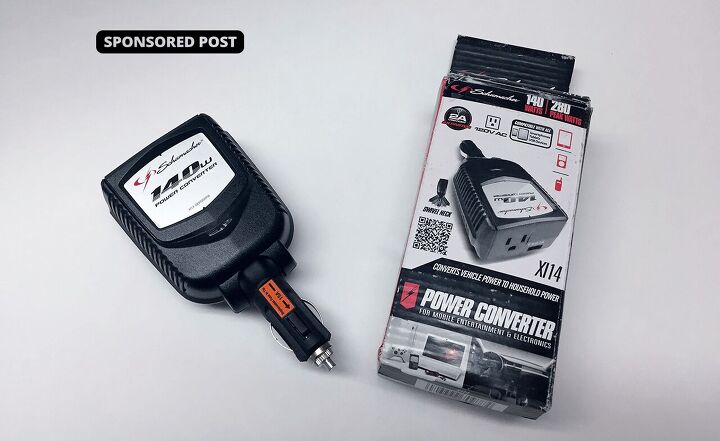
If you’re looking for an inexpensive power inverter and don’t want to sacrifice a cup holder or other interior real estate, the Schumacher X114 might be just the ticket — as long as you don’t mind a bit of noise with your power.
Capable of putting out 140 watts of continuous power, the X114 has more than enough juice to drive a laptop or other small electronic device. To that end, it comes equipped with one 120V receptacle, and a 2-amp USB outlet for charging a phone, music player, or most anything else that can be charged via USB.
The 18-Year-Old Auto Upgrade: Head-up Display - Garmin HUD+

A windshield head-up display, or HUD, is a beautiful thing. Capable of displaying navigational guidance, vehicle speed, and other information on the lower part of the windshield and in the driver’s line of sight, HUD systems have become increasingly common on new cars since their first appearance a couple of decades ago.
More recently, a handful of aftermarket suppliers and startups have gotten on the bandwagon, offering devices that pair with a smartphone via Bluetooth to provide similar functionality, even if these devices lack the seamless integration of a factory system.
The 18-Year-Old Auto Upgrade: Power Inverter - Energizer EN180

Even if your car is equipped with a built-in power port or two, it may not have enough outlets to support all the electronic devices and habits of you and yours, or said ports may be inconveniently located or accessed. Maybe you want a configuration your car doesn’t have, like a 120V outlet to power a laptop or portable DVD player. Or maybe whatever ports your car has just haven’t been quite right since that last Big Gulp incident.
If any of these scenarios is the case, a power inverter can be the solution. Depending on the make and model you choose, an inverter can give you the versatility to power several devices at once, juice up your laptop or other electronic device, or provide more power and quicker charging than built-in ports in your car. And with prices starting at less than $50, inverters are affordable enough to make sense for almost any budget.
The 18-Year-Old Auto Upgrade: Bluetooth Speaker - Motorola Sonic Rider

Safety experts generally agree that shutting off your phone altogether while behind the wheel is the safest way to travel, but the reality is that just isn’t going to happen for many drivers. In spite of thousands of deaths and close to a half million injuries chalked up to distracted driving every year, we are a society largely addicted to our phones.
But experts also agree going hands free is a safer option than handling a phone on the go, and most newer vehicles now have Bluetooth so drivers can keep their eyes on the road and use voice commands to make and receive calls. While arguably still distracting, hands-free calls are a better idea than punching keys at highway speeds, when a car travels the length of a football field in about five seconds — coincidentally, the average length of time it takes to read or send a text message.
For owners of vehicles without built-in Bluetooth, there are all kinds of aftermarket solutions available, from small units with a microphone and speaker that clip to a sun visor and cost as little as $20, to replacement head units that will set you back hundreds of dollars or more. For the purposes of this exercise, we looked at the former for their ease of installation and low cost.
The 18-Year-Old Auto Upgrade: Phone Mount - IOttie Easy One Touch 2

With the average age of cars on the road now on the far side of 11 years, the latest electronic safety and convenience systems don’t do most drivers much good. But the good news is that any car can be upgraded with many of these features, from blind spot warning to Bluetooth for streaming music and hands free phone calls. You can easily install most of them yourself, and for a lot less than making payments on a new car.
Our new series of articles detailing some of these features will take you through what products are available, how they work, and what they cost. We’re starting with nine products available from the automotive aftermarket provided by our sponsor eBay, who has also graciously offered up three $500 gift cards. We’ve independently made our product choices based on ease of DIY installation, popularity, favorable reviews from other sources and users, and brand recognition with websites and readily available customer support.
Oh, and we’re installing all these upgrades on a 1999 Acura TL with 152,000 miles.
First up, let’s keep it simple: a trick phone mount from iOttie, the Easy One Touch 2.
Movie Review: The Last Chase, Starring a Porsche 917 (and Lee Majors)
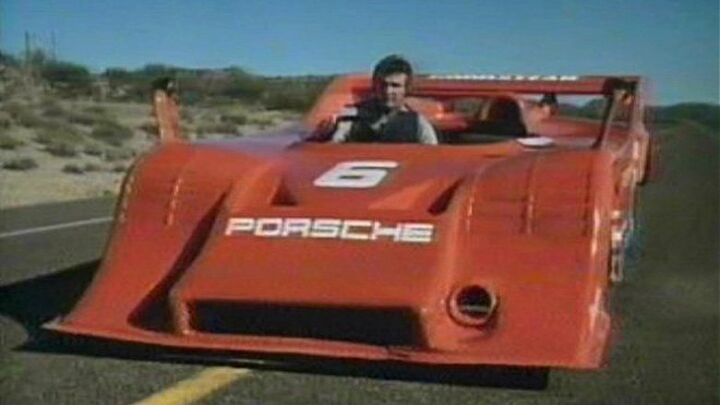
This post started, as some of mine do, with a question about cars from my brother Jeff.
He texted me from Jerusalem, Israel, wanting to know whether the Porsche in a 1981 movie titled “The Last Chase,” starring Lee Majors, was a real Porsche or a replica.
Not knowing anything about the movie, I told him it was likely to be a real 911, since they weren’t that expensive then, so nobody would have bothered making a replica. He texted back that it wasn’t a 911, but something that looked “more like a Chaparral.”
Intrigued, I did an image search and he’s correct. While it’s easy to tell a Porsche 917 from one of Jim Hall’s racers, the 917 in The Last Chase does indeed look more like a Chaparral than like Porsche’s iconic 911 road car.
My brother’s question answered, I proceeded to watch the film, which is posted in its entirety on YouTube (you can watch it below the jump).
My next thought: how did I not know about this movie?

Product Review: Will the ReliefBand Motion Sickness Device Let Me Go Racing?

They say the Lord giveth and the Lord taketh away.
I was blessed with an appreciation for road racing and cars that corner and handle well. Unfortunately, I’m also very prone to motion sickness. That means I can’t race cars.
Back when I was riding around in the rear facing far back seat in the Buick station wagon belonging to my best friend Stevie Margolin’s mom, this affliction was called “car sickness.” It was either in that Buick or on one of Detroit’s Bob-Lo boats that I recall first experiencing nausea when in motion.
Nausea and motion have a long association. The term nausea in fact comes to use from the ancient Greek word for boat. Up to 95 percent of the population experiences some form of motion sickness, with 5-15 percent being extremely sensitive to it. Placebos, pharmaceuticals, over the counter medications, pressure bands, and even skin patches behind the ear have all been tried as treatments to varying degrees of success and side effects.
A new wearable medical device called the ReliefBand may make that motion induced nausea a thing of the past — and finally let me go racing.
Tire Test: BFGoodrich KO2 in the Snowy Hills of Maine

BFGoodrich’s All-Terrain T/A tires can be found everywhere, from your local construction site to the most grueling of off-road races. I’ve fitted some of my trucks with the original KO and used them on and off-road, so I was curious what improvements BFGoodrich could bring to its latest iteration: the new KO2.
BFGoodrich brought me up to Bethel, Maine to test out its new tire in the nearby hills — and to catch this year’s Red Bull Frozen Rush.
The Frozen Rush trucks run a one-off spiked version of the same tire, but I was more interested in the street version that might adorn one of my (or your) vehicles.

K40 RLS2 Radar Detector Review

I’ll admit it. I haven’t used a radar detector in years. My typical method of avoiding tickets has relied on the (patent pending) Spousal Alert System, in which the wife screams at me if the car is going too quickly in proximity to one of Ohio’s finest.
Problem is, 10 years in, I have yet to find the mute button.
Plus, she doesn’t drink coffee, so the Spousal Alert System has some glitches on drives longer than four hours. A planned family reunion in northern Wisconsin, 10-plus hours from home, reminded me that an alternative was needed. Thankfully, the kind folks from K40 Electronics offered their new RLS2 radar/laser detector for review. I’m pretty sure it already saved me from a ticket or two. With an MSRP right around $400, it is priced in the ballpark of the major players in the market.
2015 Infiniti QX70S RWD Review
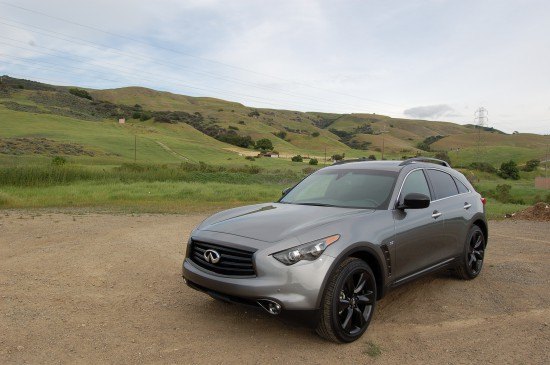
Fifteen years ago, buying a practical luxury car to replace a Honda Accord meant going down to your BMW, Mercedes, Lexus, or occasionally, Audi showroom and coming back with a 5-Series, E-Class, GS, or if you were particularly brave, an A6. All these brands except Audi had SUVs at the time though, but they were hardly replacements for a midsize luxury sport sedan. The Mercedes ML handled like a truck while the RX300 wasn’t exactly intended for the sport sedan driver, something emphasized by the number of moms and AARP members who bought them at the time. Meanwhile, my dad test drove an X5 and 5-Series back to back and promptly bought a 530i.
But no one fifteen years ago would have considered Infiniti, whose only rear-drive sedan was the full-size Q45, which no one bought. A few years later, Infiniti went through a product renaissance, bringing out the Infiniti G35 (which many people bought), the M (the one based on the JDM Nissan Gloria few people bought), and an updated Q45 (which even fewer people bought). In 2003, they also brought out a sporty crossover – the FX. It was meant to compete with the X5, Porsche Cayenne, and XC90, but the FX was dramatically better on-road than off-road compared to most of its competitors. The FX, despite being smaller and not capable of tackling off-road trails, became a sales success for Infiniti.

Book Review: No Time to Cry by Wilmer Cooksey, Jr.

“On one occasion I was called out into the yard because there had been a shooting. A guard, a line worker and a car thief had been shot. The thief had been wounded gravely by the guard and was bleeding but he had made it into the cab of the car hauler and had driven for some distance before he crashed and was caught.”

Book Review: "Detroit: An American Autopsy"

(When I put this into the TTAC “back-end”, I forgot to change the author. This article is the work of John Marks, not Jack Baruth — JB)
Former Detroit News city-beat reporter Charlie LeDuff’s memoir Detroit: An American Autopsy (2013; newly out in paperback) fairly pulsates with not-quite-controlled rage, but at least he came by it honestly. A working-class native of Detroit who parlayed his talents for finding stories and for telling stories into a position at the New York Times, LeDuff quit what once had been his dream job in 2007.
After ten years (a span of time that included 9/11), LeDuff had had enough of the Times’ “intellectual mud wrestling and… oblique putdowns.” The straw that broke his back was an editor’s telling him that he spent too much time writing about “losers.” (One gets the idea that if that editor wasn’t a Brown graduate named Chauncey who was wearing a Brooks Brothers oxford-cloth shirt, he might as well have been.)
After a brief unsatisfying stint in Los Angeles, LeDuff and his wife and infant daughter returned to Detroit in 2008, so he could “chronicle the decline of the Great American Industrial City.” His timing was impeccable, to say the least.

Product Review: LX Dual USB Car Charger With Leather Grip

The vehicles we aspire to own have one thing in common: timeless design over mere transportation: Ferraris over Fiats. CUVs instead of sedans, or personal luxury vehicles in lieu of a hatchback. So why not treat yourself to a leather-wrapped charging apparatus?

Cars I've Loved And Hated by Michael Lamm
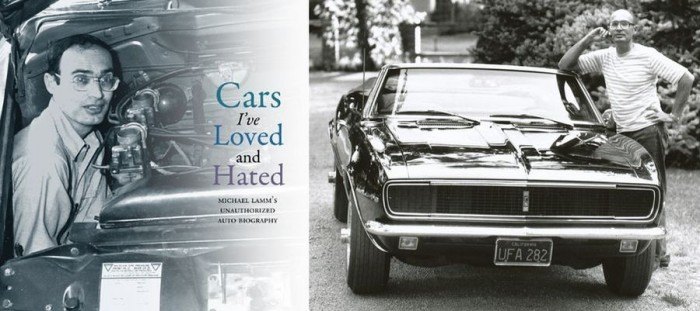
Micheal Lamm has worn a lot of hats in the automotive media world, including stints as editor and publisher at a number of respected publications (besides siring the man who gave the world the 24 Hrs of LeMons series). In addition to wearing a lot of hats, Mike has also owned a lot of cars including about 80 collectible and special interest automobiles over the past 62 years. Most of them he loved, others he grew to hate.
Toyobaru Drift School Post-Mortem
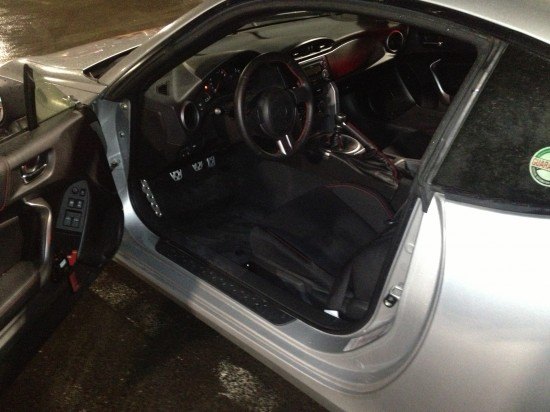
Regular readers of TTAC already saw Justin Wheels Crenshaw and W Christian Mental Ward had a chance to attend the Abu Dhabi Drift School where the RWD Toyota GT-86 is the car of choice.
After sliding around like hooligans, we both had some opinions on them and continued the discussion at the Viceroy Hotel’s “ Taste of Atayeb” while overlooking Turn 18 of the Yas Island Circuit.

Slide Rules: A Day At Toyobaru Drift School

Subayotas by night
Buckle your seatbelts folks; we’re firing up the wayback machine. Last week I had the privilege of attending the Yas Island Drift School with none other than Justin “Wheels” Crenshaw. I have actually known Justin for a few years now, back when he was juggling press loaners and writing for TTAC, while I had no idea this site existed. He helped me with this story, as well as editing it, so hopefully he saved Baruth some stress and the B&B some frustration with my tenuous language skills.
Behold, the Yas Island F1 track and general gearhead amusement park. We arrived for class and set about beating up their Toyota GT-86’s.

Dead Tree Maps Aren't Dead Yet

With fall foliage peaking, it’s time for my third annual Appalachian Road Trip. Last year my friend and his father couldn’t make it, so it was just the old man and me. With fewer time constraints, I planned a route from West Virginia to “The Dragon” and back. Lessons were learned, among them the insanity of planning 360 miles of back roads driving in a day that also includes a few hours of hiking (my new max: 250) and, the subject of this piece, the inability of navigation systems to replace good old paper maps.

Move Over!!!!!!
Don’t you sometimes want more attention? Aching to simply blow people away? The people at Banshee Horn LLC might just have the thing for people who want to be noticed. It is called the Banshee Horn, and it does what the name says. The folks promise in an email to TTAC that the gadget helps you “warn motorists up to 3 blocks away” with a pain-inducing 139 decibel horn.

Book Review: Once Upon A Car
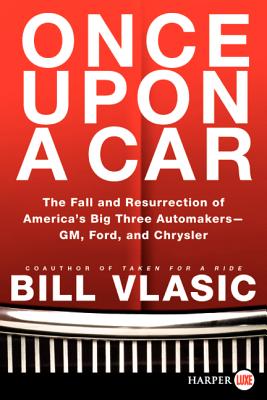
“In the end, it was all about the car—designing, engineering, assembling, and selling a product that consumers wanted to own and drive.” So observes Bill Vlasic near the end of Once Upon a Car, his 379-page account of the recent “fall and resurrection” of the Detroit car manufacturers. Vlasic’s book is quite late to the party, following other journalistic accounts by Alex Taylor III and Paul Ingrassia and insider accounts by Steve Rattner and Bob Lutz. Can it possibly offer anything new? Is it worth reading? Yes, and yes. Yet Vlasic’s book also shares a fundamental weakness with the others, one all the more damning because of the above observation.
TTAC At The Movies: "Drive"
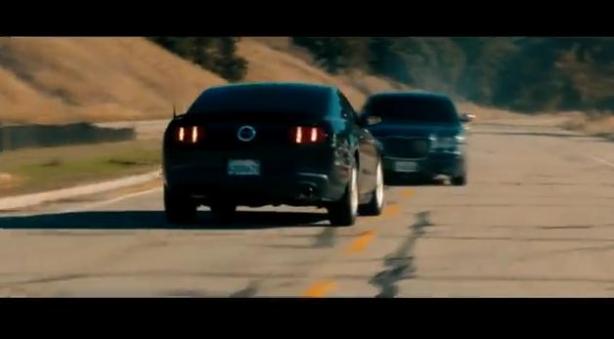
Somewhere around Season Five of The Sopranos, mob boss Tony Soprano asks his psychiatrist, “Whatever happened to the strong, silent type?” Here’s one answer to that question: Ryan Gosling’s performance in Drive. Awkwardly taciturn in many scenes and utterly wordless in others, Gosling’s nameless Driver has a ruthless economy of both word and action. As an action movie, Drive is patiently paced; as a love story and character study, it is almost too sparse to parse. Since this is TTAC, however, we’ll mostly talk about the cars and the driving…

Book Review: "Car Guys Versus Bean Counters," Take Two

Never assume that press accounts of what’s going on inside the auto companies resembles what’s actually going on. For my Ph.D. thesis, I inhabited General Motors’s product development organization much like an anthropologist might inhabit a Third World village. What I observed during my year-and-a-half on the inside bore virtually no resemblance to what I read in the automotive press. Journalists aren’t inside the companies, have contact with select high-level insiders, and tend to print the PR-approved accounts these insiders provide. These accounts reflect how senior executives want outsiders to think the organization operates and performs much more than how it actually does. To the extent journalists know the reality—and few do any digging—they rarely print it. So I’ve refrained from even guessing at what’s been going on inside GM. Instead, I’ve been hoping that some insider would write an insightful account of the eventful past 10 to 15 years. None have, until ex-vice chairman Bob Lutz’s new book, Car Guys vs. Bean Counters: the Battle for the Soul of American Business. Lutz has a reputation for speaking his mind and straight shooting. What does his book tell us about what really went on inside GM?
Read My Review Of "American Wheels Chinese Roads" At The Wall Street Journal
As promised yesterday, my review of Michael Dunne’s American Wheels Chinese Roads: The Story of General Motors in China is now live at the Wall Street Journal website [sub] as well as today’s print edition. Be sure to pick up a copy and stay tuned for TTAC’s own review of this important book, by our man in China, Bertel Schmitt.

Movie Review: Senna
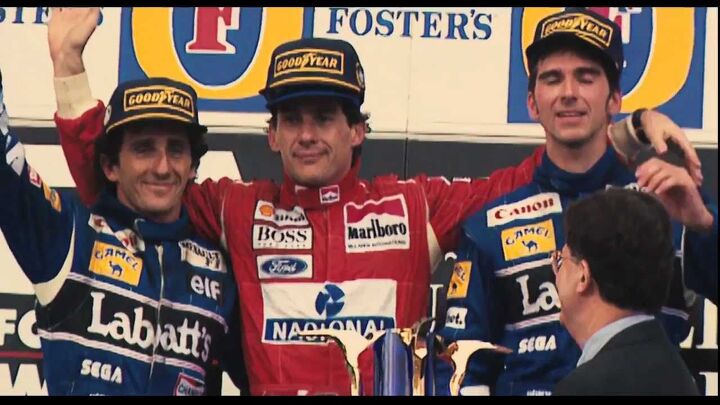
I was just a pre-licensed car nut when the July 1994 issue of Car and Driver passed along the news of Ayrton Senna’s death. Brock Yates’ column in that issue said, “In a sad way, Ayrton Senna’s death dignifies motor racing…He did not die in vain, but rather he made the ultimate sacrifice in seeking his own personally mandated pinnacle of achievement. Tragically, ironically, he may serve his chosen profession more in death than life.” This meant nothing to me at the time. But it means something now.

Battle Of The Batteries: Toyota And Nissan Power Houses With Cars

„When will it discharge?“ asked a reporter on Monday at Nissan. I ducked under my desk. “In one or two years,” answered Nissan CEO Carlos Ghosn. I broke cover when I realized that they were talking about the Leaf powering the house.
Book Review: Car Guys Vs Bean Counters: The Battle For The Soul Of American Business
I can’t say that I was completely surprised when, about two thirds of the way through Bob Lutz’s new book Car Guys vs Bean Counters, I caught a sideswipe at myself and The Truth About Cars, which the retired Vice-Chairman of GM describes as
a Web site that often offers anything but.
After all, TTAC and “Maximum Bob” have long been sparring partners, and were indirectly debating the fate and fortunes of General Motors well before I ever started writing about cars. What was surprising was that this passing shot at TTAC’s credibility would actually help bring us, two presumptive arch-enemies in the world of automotive ideas, to a better understanding of each other. The exchange that a single paragraph prompted taught me that, against all odds, Bob and I share a fundamental character trait: we are at our best when we’ve been goaded into action by a no-holds-barred call-out. In celebration of this shared value, let’s take off the gloves and give Car Guys the unflinching look it deserves.
Review: Toyota Under Fire
Has it really been a year since the United States tore itself apart in a frenzy over the possibility that Toyota’s might suddenly accelerate out of control? So intense was the furor over Toyota’s alleged misdeeds, that it seems like the whole scandal occurred only yesterday, yet the brevity of the crisis already gives it the distance of ancient history. Now, just a year after the height of the hysteria, the first major book on the subject has arrived, casting a clear light on the events of the recall. Serving as a history of the scandal, a case study in Toyota’s responses to it, and a cutting critique of the media’s coverage of the recall, Toyota Under Fire is a powerful reminder of the many lessons that emerged from one of the most intense and unexpected automotive industry events in recent years.









Recent Comments