Surprise: The Ford Transit Trails Tires are Too Big and Need a Recall
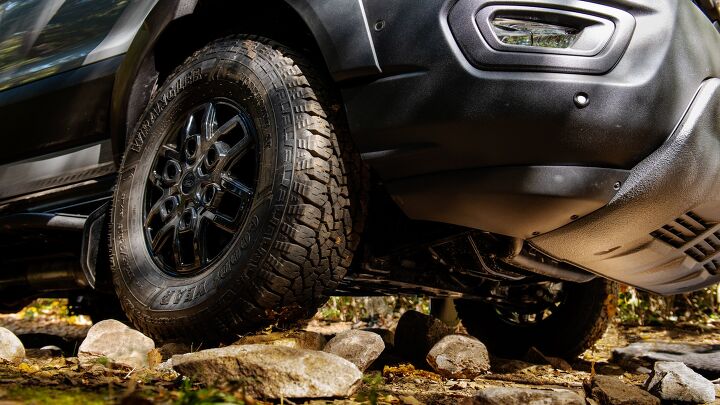
It’s not uncommon to see a poorly modified vehicle having technical difficulties, but it’s extremely rare to see a factory-modified vehicle experiencing the same issues. That’s the problem that Ford is having with the Transit Trail van, which was recently recalled for having tires that are too big, causing rubbing.

Ford Announces New Mustang Appearance Package, Anniversary Event, and Mystery Update

Ford took a victory lap this week after realizing the Mustang is now the only traditional front-engine, rear-drive, V8-powered American sports coupe that’s still available after 60 years on the market. To commemorate the achievement, the brand debuted a special red and black logo it said was inspired by the badging and wheel center caps on the Mustang that debuted at the 1964 World’s Fair. This is apparently tied to a 60th Anniversary Appearance Package the brand will soon be offering and a digitized “special feature” that will be made available on April 17th.

2025 Toyota 4Runner Officially Teased
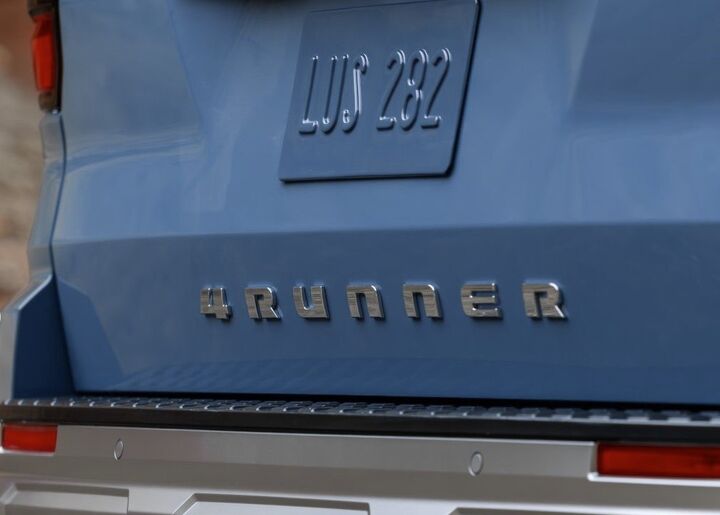
Toyota has officially previewed the redesigned 4Runner for the first time via Instagram. But the photo in question doesn’t offer much information beyond the model wearing its name at the bottom of the rear hatch and getting some new taillights. There’s likewise a contrasting bumper, which may just end up being an option. However, Toyota offering up a teaser for the 2025 model year should also indicate that the much-anticipated SUV’s formal debut is likely right around the corner.
China is Unhappy with the Inflation Reduction Act and Has Complained to the WTO
Among many other things, the Inflation Reduction Act changed the way EV tax credits work in the United States. With an eye on reducing America’s dependence on Chinese batteries and materials, the Act incentivizes automakers to source materials from free-trade-compliant countries and build EVs in North America. Now, China is expressing its unhappiness with the legislation by raising a dispute with the World Trade Organization.
The Kia Telluride Faces a Recall for Rollaway Risk
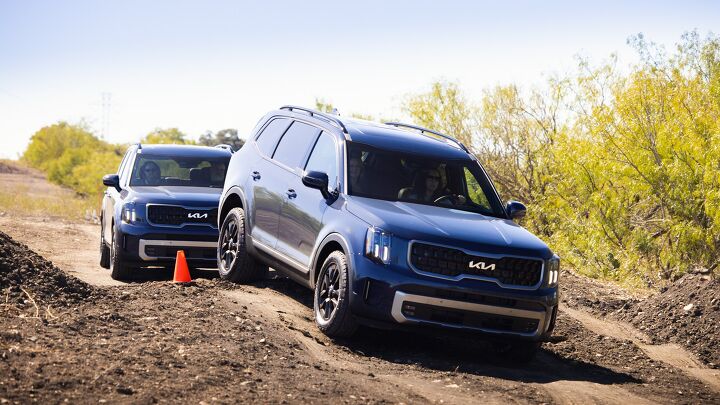
Kia is recalling more than 400,000 Telluride SUVs for risk of rolling away in park. The ultra-popular family hauler’s driveshafts may not fully engage, causing damage and unintended rolling.
These are the 2024 World Car of the Year Winners
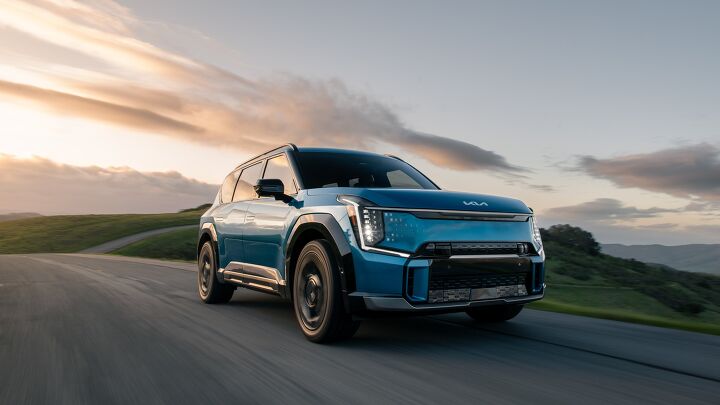
Every year, different groups of auto journalists and industry professionals come together to choose a “best of” list to recognize vehicles in various categories. One of the groups is the World Car of the Year (WCOTY) jury, which includes journalists and professionals from several countries. They recently revealed their 2024 picks at the New York auto show, and it’s clear that legacy auto brands are facing increasingly tough competition.
2025 Mercedes-Benz G-Class Inches Closer to Electrification
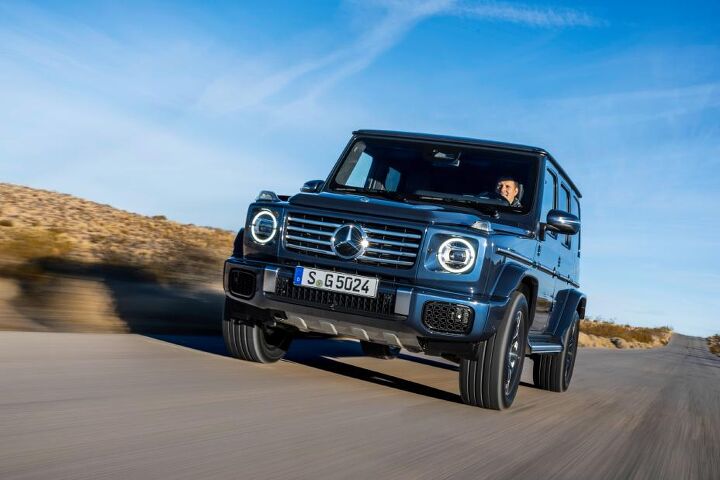
There are a handful of models that change so slowly that it’s almost imperceptible, leaving you with the impression that they might have never changed at all. The Mercedes-Benz G-Class could probably serve as the poster child for this phenomenon and has recently undergone another round of subtle tweaks for the 2025 model year. However, this is actually one of the more comprehensive updates the G-Wagen has seen between generations.
2025 Mini Cooper S Hardtop Revealed in NYC
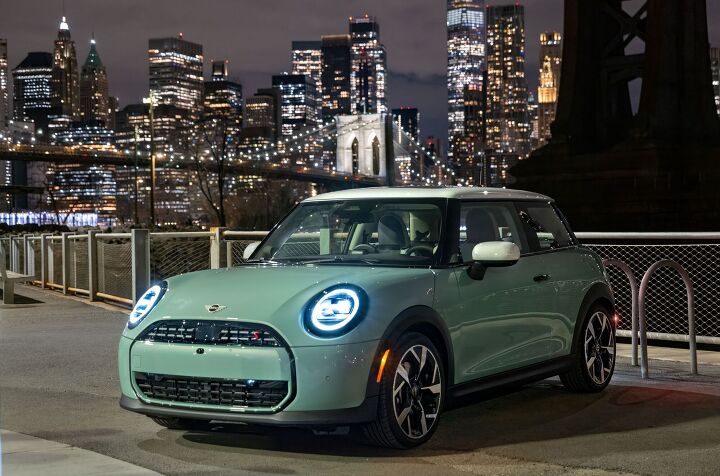
Mini has released the 2025 Mini Cooper Hardtop, specifically the performance variant that’s likely to appeal to enthusiasts that aren’t interested in the hardcore John Cooper Works version. The manufacturer is reviewing the model at the New York auto show this week and looks to have kept the car that’s slated for sale in North America quite close to its European counterpart — with a few exceptions.
Volkswagen Outlined Two Trims for the Upcoming 2025 ID.7
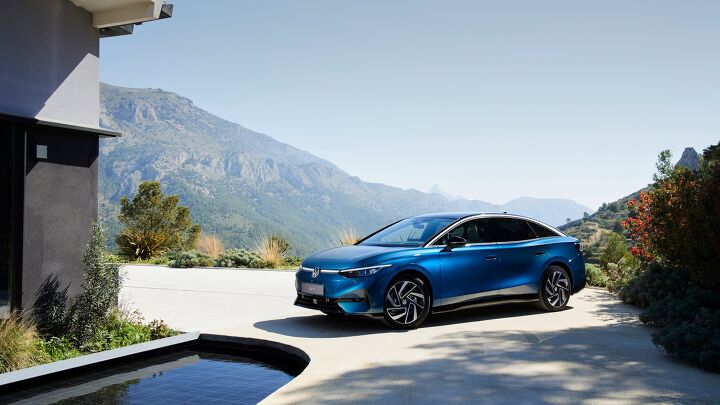
The 2025 Volkswagen ID.7 will be here soon, and the automaker recently outlined specs for the upcoming electric sedan. VW will offer it in two configurations with up to 335 horsepower and said that pricing details will be available closer to the vehicle’s launch in the third quarter of this year.
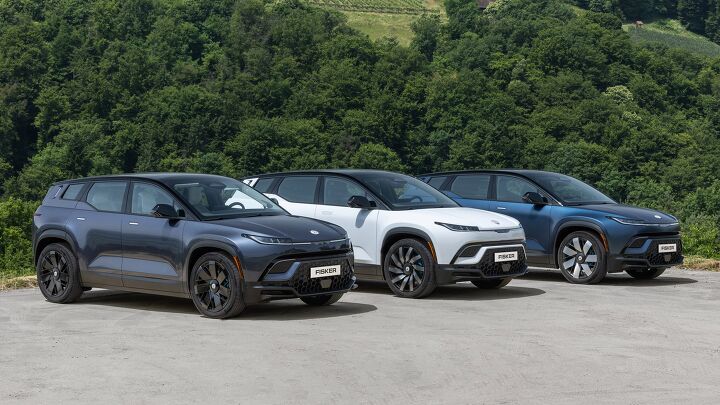
The Fisker-Nissan Deal is Reportedly Dead
J.D. Power: EV Owners Not As Satisfied as Gas Owners On Tire Wear
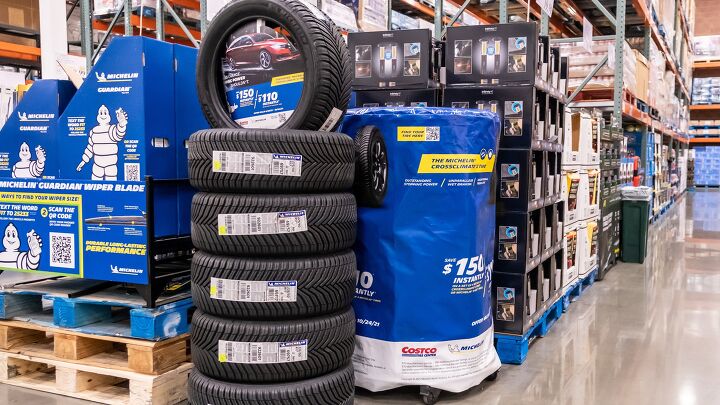
While it’s true that electric vehicles don’t require the same level of routine maintenance that gas vehicles do, EVs have some downsides. A main point of complaint for owners has been tires, as a new J.D. Power study showed that many are surprised that their heavy, torque-rich EV burns through rubber faster than when they had a gas vehicle.
Kia Details Specs for the Upcoming 2025 K4 Sedan
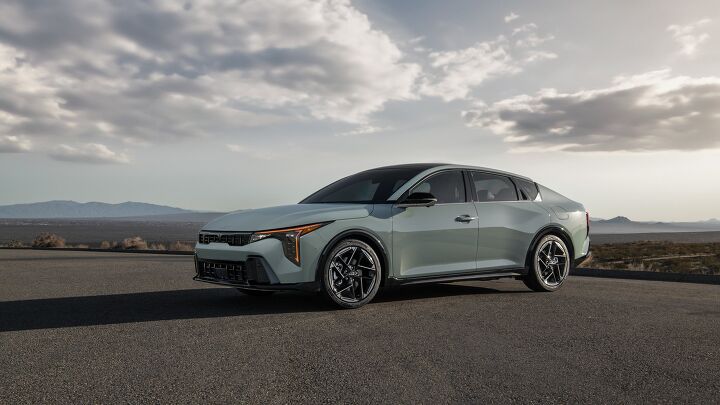
Though some automakers have abandoned cars in favor of trucks and SUVs, Kia remains steadfastly committed to the format. It recently announced the upcoming 2025 K4, and today, Kia detailed specs for the car.
2024 New York Auto Show: Hyundai Doubles Up
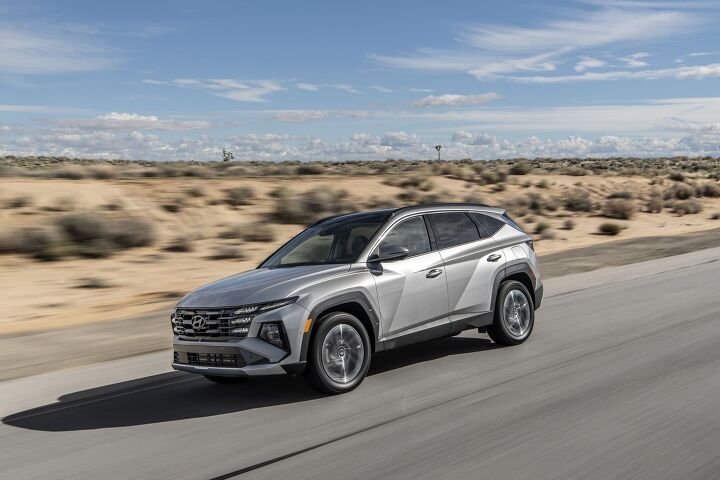
NEW YORK -- Hyundai kicked off the 2024 New York International Auto Show by dropping the new Tucson and a refreshed Santa Cruz minitruck.

Land Rover to Introduce Twin-Turbo V8 Defender
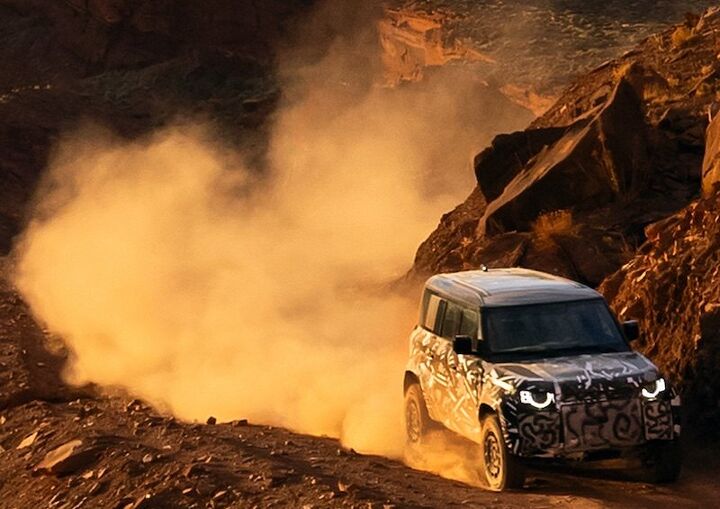
If you like yer British off-road weapon served with a size of boost, you’re in luck. Land Rover announced this morning they are stuffing a twin-turbo V8 up the nose of its blocky Defender.

Baltimore Bridge Collapse Has Major Implications for Automotive Sector

A cargo container ship exiting the Port of Baltimore collided with the Francis Scott Key Bridge early Tuesday morning. You’ve undoubtedly seen the footage by now, as well as the rampant speculation about what happened. As of now, nobody seems to know the full details of the incident but the ramifications should be relatively easy to predict. As a major shipping corridor for the United States, losing access means supply chain bottlenecks.
Union Vote Scheduled for Mid-April at VW's Chattanooga Factory

United Auto Workers union president Shawn Fain has not been shy about his desire to organize non-union auto factories in the United States, and a new report suggests he’s making headway. Automotive News reported that Volkswagen’s Chattanooga assembly plant will hold its third union election in mid-April, setting the stage for what could be another dramatic win for the popular leader.
Tesla CEO Elon Musk: All New Deliveries to Get Full Self-Driving Demo
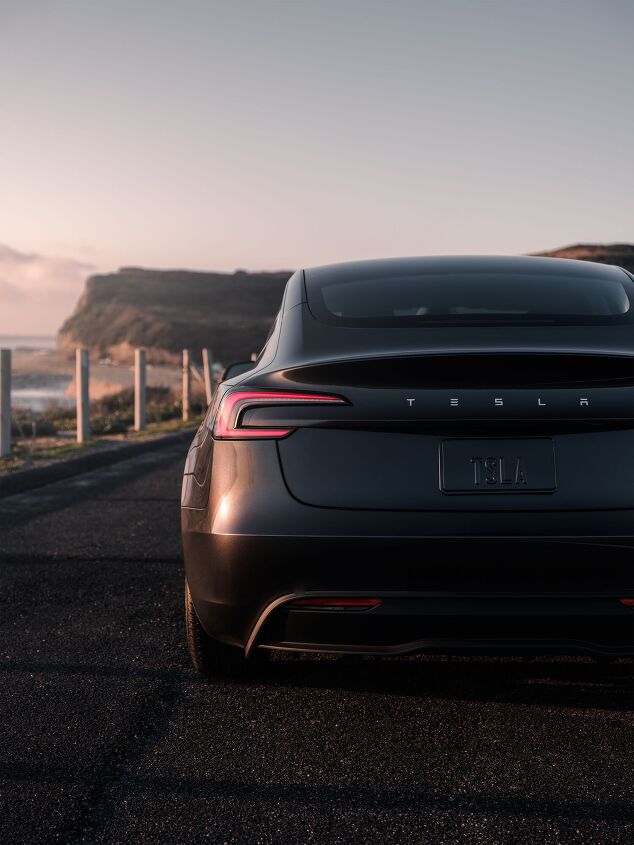
Tesla has long faced questions about the driver monitoring systems it employs to keep people in line when using its advanced assistance systems. Despite that, CEO Elon Musk has mandated that all new Tesla models come with a Full Self-Driving (FSD) Beta demo, seemingly ignoring the scrutiny in favor of selling more services to customers.
Genesis Unveiled Two Futuristic Concepts In New York
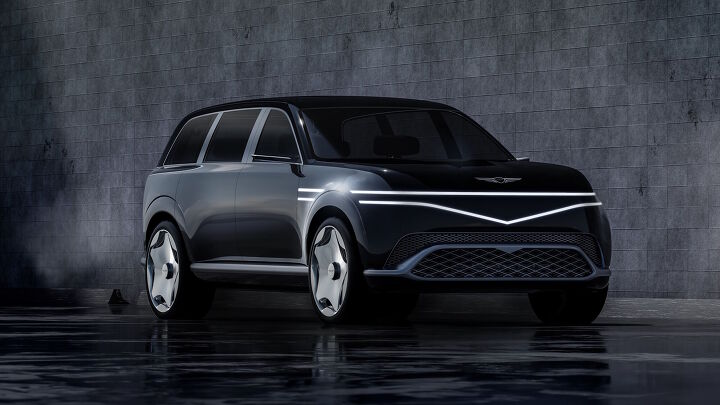
In recent years, auto shows haven’t been the exciting showcases of new vehicles they once were, but this year’s New York International Auto Show has already seen a few compelling concept vehicles. Genesis took the opportunity to show off a pair of SUV concepts, including a sleek electric model and a performance SUV from a new sub-brand called Magma.
Porsche Stops Selling the 718 Boxster and Cayman in Europe
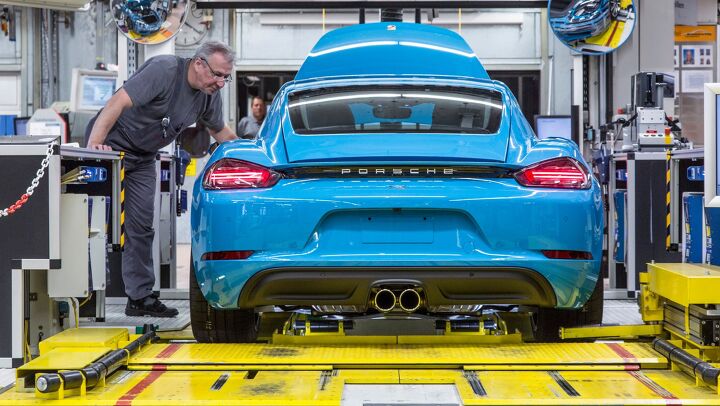
The Porsche 718 is now dead in Europe after it failed to meet the European Union’s so-called “cybersecurity” regulations. The Cayman and Boxster be joining the gasoline-powered Macan SUV in the afterlife, which encountered its own regional demise for similar reasons. While all models will reportedly return as electric vehicles, we know things will never be the same.
Nissan Has a Turnaround Plan That Involves Cheaper EVs and Other Electrified Models
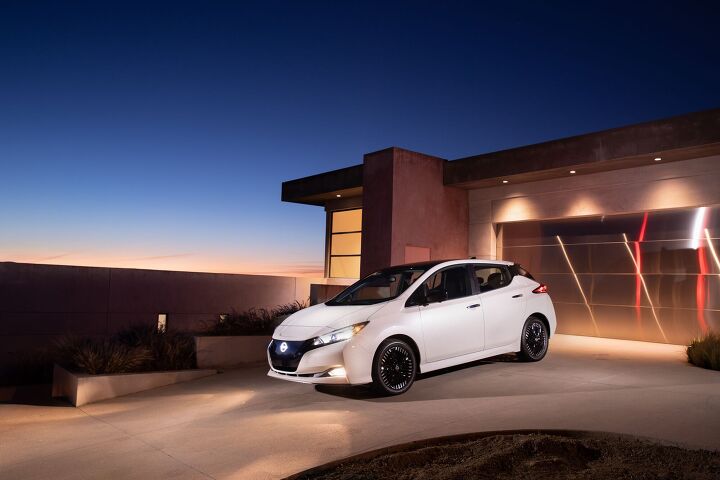
The last decade hasn’t been the kindest to Nissan. Its former CEO had to flee Japan and is currently hiding in Lebanon, and several high-value employees left shortly after. Now, the company has reportedly backed out of a tentative deal to invest in Fisker and is eying the possibility that China could eat everyone’s lunch with affordable EVs. CEO Makoto Uchida recently outlined the automaker’s comeback roadmap, called “The Arc,” which he said would involve launching dozens of new models and enhancing the brand’s competitiveness in the EV space.
Bentley CEO Jumps Ship for Aston Martin
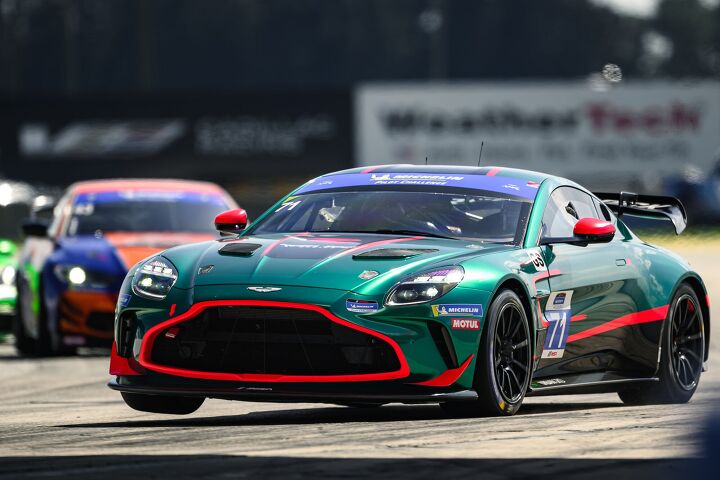
Bentley's former CEO Adrian Hallmark has broken with the company after making remarks that sales were down due to wealthy people buying fewer luxury products over concerns that it might upset poorer people living in those markets. That’s paraphrasing and his words were chosen much more carefully. However subsequent clarification from Bentley suggested that some markets were “experiencing continued economic and political difficulty” that would dissuade “showing displays of wealth.” It didn’t play well in the media and Hallmark has reportedly left the brand and since taken up with Aston Martin.
McLaren Has a New Owner and a New Lease On Life
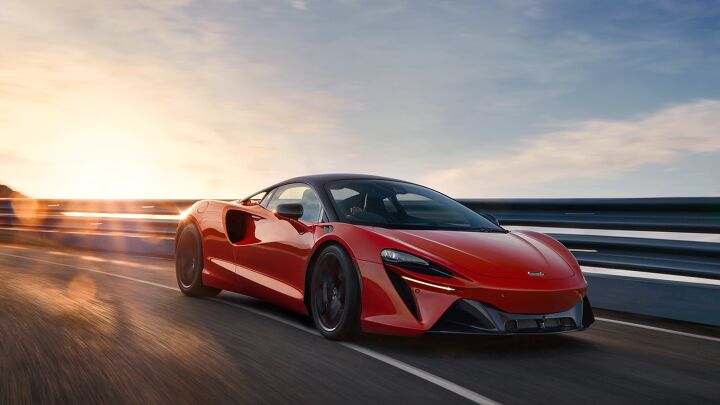
The Bahraini fund called Mumtalakat was already McLaren’s largest shareholder, but now, it has taken over full ownership of the storied British sports car brand and racing teams. McLaren has had some rocky years financially, so the move will help shore up its base and prepare it for success moving forward.
Here's Why Your Car Insurance Has Become More Expensive
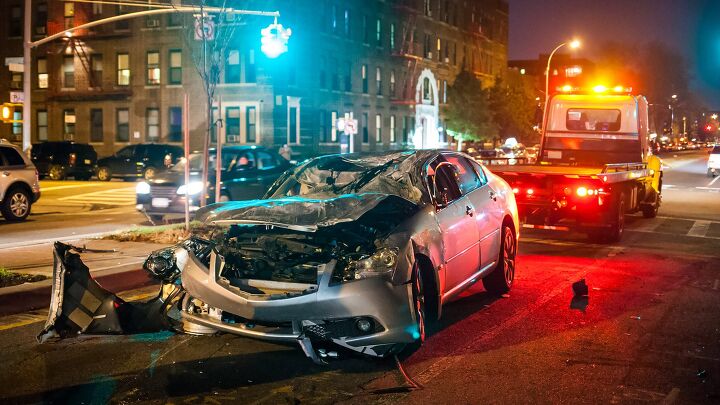
Millions of vehicle owners have been shocked when opening their most recent auto insurance bills. Rates are up across the board, hitting $2,543 in 2024, which represents a 26 percent increase from 2023. CNBC and Bankrate reported on the rate increase, noting that some states and drivers have it much worse than others.
Quartet of Jeep Concepts for 58th Easter Safari
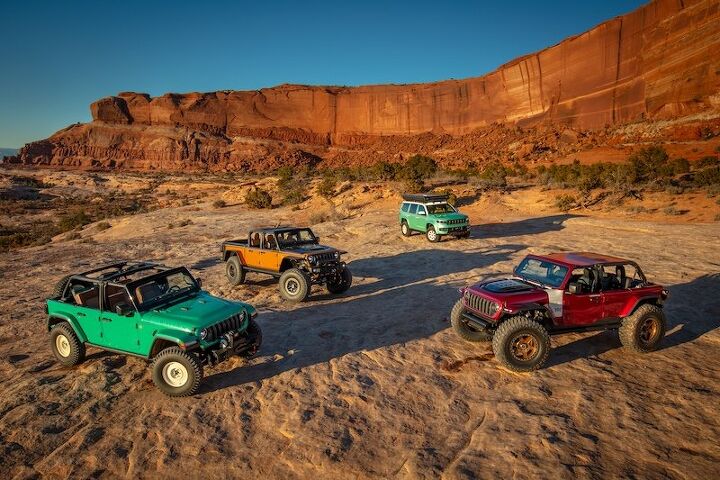
For ages, Jeep has been using the fan-directed Easter Jeep Safari in Moab as an opportunity to show off working concepts to brand faithful. This year is no different, with four machines appearing on the slickrock.
Why Did Trump Propose a 100-Percent Tariff on Mexican Auto Imports?

Earlier this week, Donald Trump suggested that he would impose a 100 percent tariff on select automobiles manufactured in Mexico — sending the industry into a minor tizzy.
Having done some digging into the matter, Trump only appears to be targeting Chinese vehicles being manufactured south of the border. The statement was made during the “Buckeye Values PAC” rally in Dayton, Ohio, and comes after Chinese automaker BYD announced plans to build a production facility in Mexico. While most of the resulting vehicles are assumed to be electric, BYD has stated its intention is not to sell them within the United States.
The DOJ Thinks Apple CarPlay is Bad for Consumers and the Industry

A significant percentage of new car buyers want Apple CarPlay in their next vehicle, but that popularity has the government on high alert. As part of its recent antitrust lawsuit against the tech giant, the U.S. Department of Justice listed CarPlay, saying that it stifled the development of technologies that could work with a phone while residing in the vehicle’s interface.
GM Offering Reimbursement to Early Chevy Blazer EV Owners
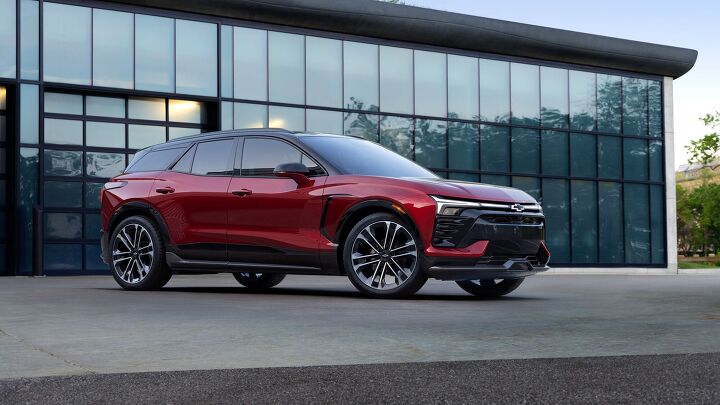
General Motors desperately needed its next-generation EVs to make a good impression. The company is fighting Ford and others in a race to match and outperform Tesla, but it hasn’t had the best luck along the way. After announcing that Ultium-based EVs would not offer Apple CarPlay or Android Auto, GM issued a stop sale for the Chevy Blazer EV over software issues. The issues were bad enough for the automaker to offer an olive branch to early owners in the form of a financial reimbursement.
Pumped Up Kicks: 2025 Nissan Kicks Gains Square Styling
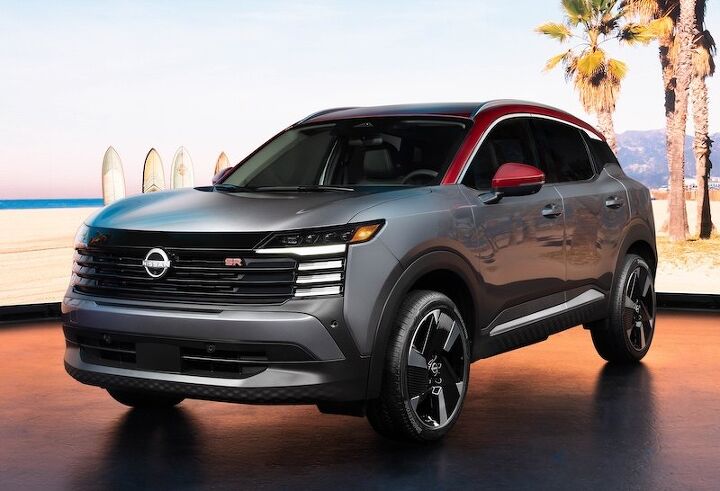
Leaning into the connection between its name and slang for sneakers, Nissan unveiled the 2025 Kicks in Brooklyn at the opening rounds of this year’s NCAA tourney at Barclays Center.
Not a Joke: Tesla is Giving Away a Sledgehammer As a Referral Reward
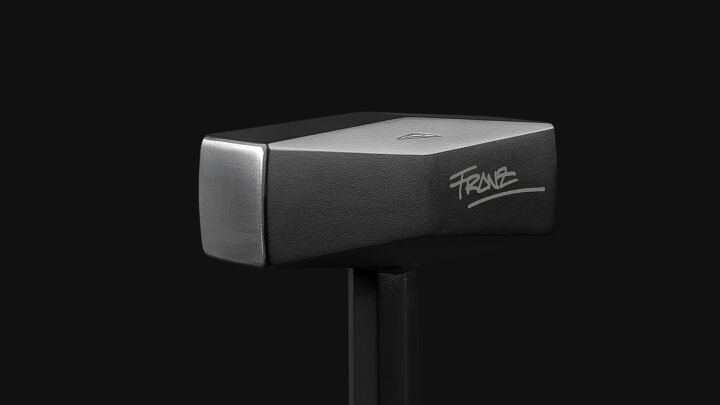
The world does not need another way for Tesla superfans to show their love for the company. Beyond the endless legions of people (or bots) willing to spring into action online anytime someone speaks ill of the company, it has released novelty products, like liquor, to adoring fans. The company is now offering another way to show Tesla love. Head designer Franz von Holzhausen recently tweeted images of the CyberHammer, an actual sledgehammer available through Tesla’s referral program as a reward.
The 2025 Infiniti QX80 Ditches V8 and Picks Up Concept Styling
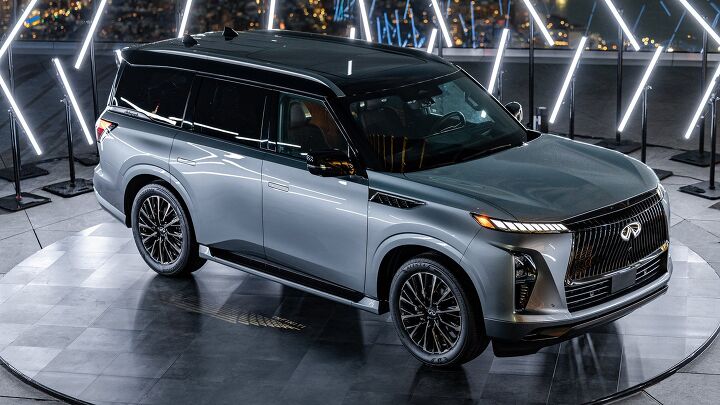
Concept vehicles don’t often make it to production unchanged, but the new Infiniti QX80 looks an awful lot like the QX Monograph concept the automaker showed late last year. The new SUV was recently revealed with boxier styling, more interior space, and an updated interior design with more tech and high-end materials.
The 2025 Kia K4 Looks Like a Step Up from the Forte
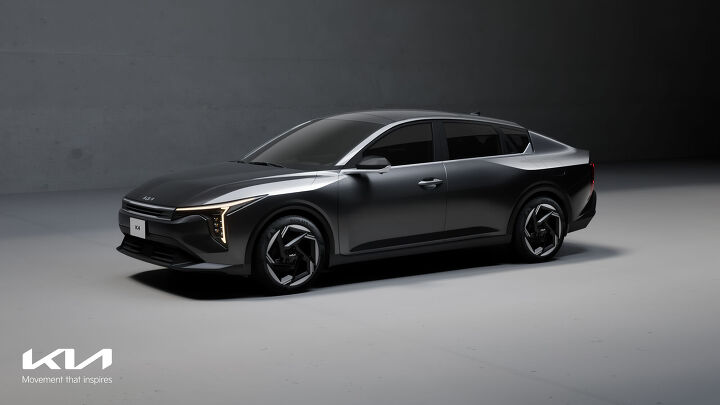
Kia is revamping its entry-level car. The 2025 Kia K4 will be revealed later this month at the New York auto show as a replacement for the long-running Forte. We won’t have full specs on the car until next week, but its styling and design mark a significant step forward for what will likely still be Kia’s most affordable model.
Study Suggests Automakers Lose $6,000 On Each EV Sold
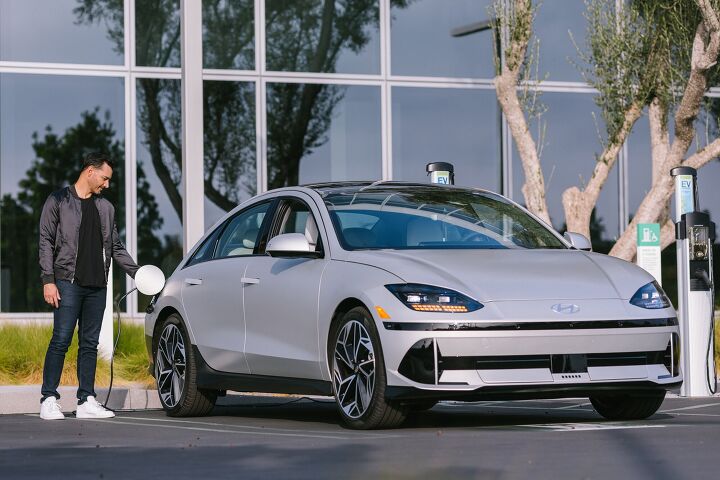
A new study is claiming that automakers lose an average of $6,000 for every $50,000 electric vehicle they sell. Boston Consulting Group, an American-based global management consulting firm that issued the report, said the figure accounts for customer tax credits — painting a rather bleak picture for the future of EVs.
New Rules Includes Hybrids and PHEVs to Cut Tailpipe Emissions

New standards are coming for tailpipe emissions in the next few years. An announcement from the Biden administration this week unveiled the rules, which look to remove more than seven billion tons of carbon and other pollutants from our air.
The Jeep Wrangler Sends the V8 Off With a Bang
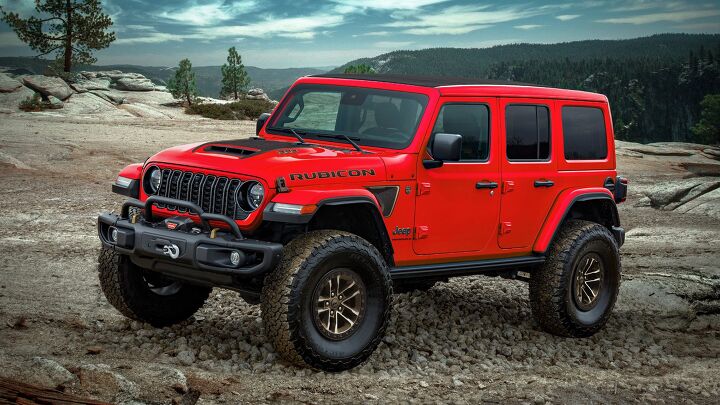
Back in the early 1990s, when I was in high school, a friend’s dad owned an off-road parts distribution company, and we had a ton of fun with his Chevy big block-swapped Jeep CJ. I specifically remember shredding the driveshaft on at least three Tennessee backwoods trails. Modified Jeeps are nothing new, but the automaker is jumping into the fray with a send-off model to honor the rowdy V8 it offered for the SUV’s last few model years.
Bentley CEO: Rich People Felt Bad About Showing Off, Causing Drop in Sales
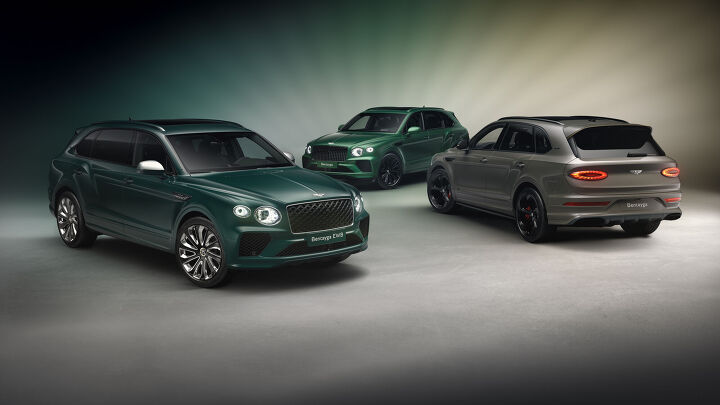
People who buy cars from brands like Bentley aren’t generally concerned with things like recessions and the opinions of the masses, but the automaker thinks its customers are buying fewer expensive cars because they feel bad about showing off. Bentley CEO Adrian Hallmark said the company’s disappointing profit numbers from 2023 reflect its buyers’ “emotional sensitivity.”
Gas War: California Brings Stellantis to Heel
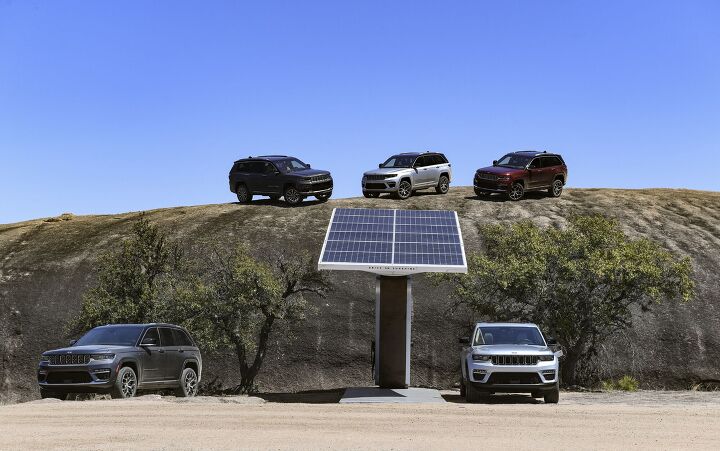
Stellantis has agreed to adhere to California emission policies, including requirements to make two-thirds of new cars to zero-emission or electric by 2030. This means the automaker — which oversees Dodge, Chrysler, Jeep, Ram, Fiat, Maserati, Alfa Romeo, and several brands that are not sold in the United States — will be required to cut emissions through the 2026 model year and adhere to California’s requirement to have a majority electrified fleet within the next several years. There are also provisions for the company to spend millions of dollars on charging stations and community outreach programs designed to encourage EV sales.
GM Eying Oddly-Shaped EV Batteries to Improve Cooling and Performance
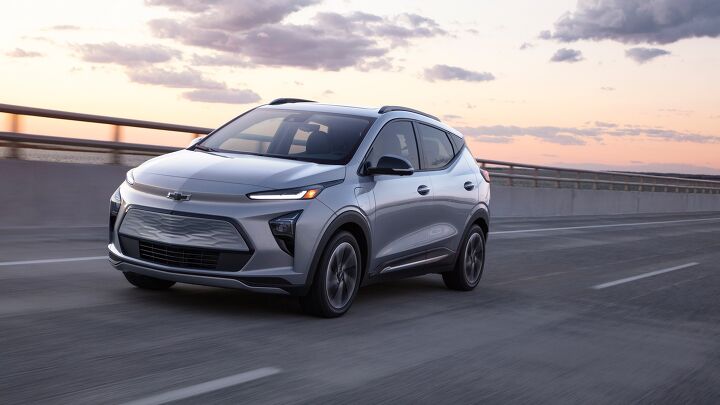
Despite all the innovation in the electric vehicle world, battery packs haven’t deviated from the two primary shapes they’ve always taken. Automakers generally employ either a rectangular or cylindrical battery pack, which limits their ability to position them in some places on the vehicle. General Motors might be looking to buck that trend, as a recently discovered patent application shows the automaker is looking at less traditional shapes for its next-generation battery packs.
Cleveland City Planners Change Policies to Create 15-Minute City
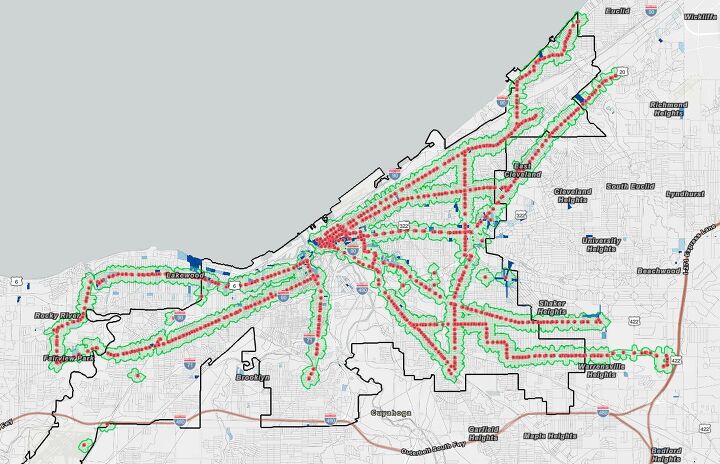
Cleveland, Ohio, has approved new zoning and transportation policies that are angling to transform it into the next “fifteen-minute city,” The City Planning Commission voted to move forward with changes to building codes in several pilot neighborhoods it wants to make more pedestrian friendly. However, such policies have become contentious with European examples further down the path of progress seeing relatively consistent opposition due to the fact that the ultimate goal is to eliminate the automobile.
Hertz CEO Leaves After Buying 100,000 Teslas
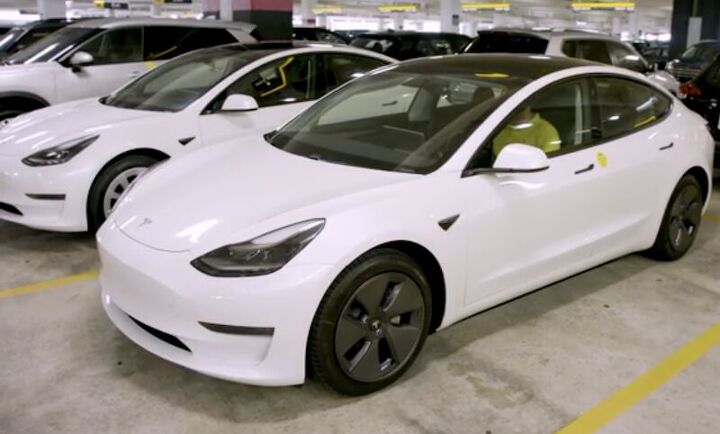
Almost all of us have made a boneheaded purchase or three in our lives. But few are notable as the debacle at Hertz, a company which most gearheads know decided to buy tens of thousands of electric vehicles only to bin them at severely subvented prices. Now, the CEO is stepping down from his role.
IIHS: Here's Why We Don't Crash Test at More Than 40 MPH
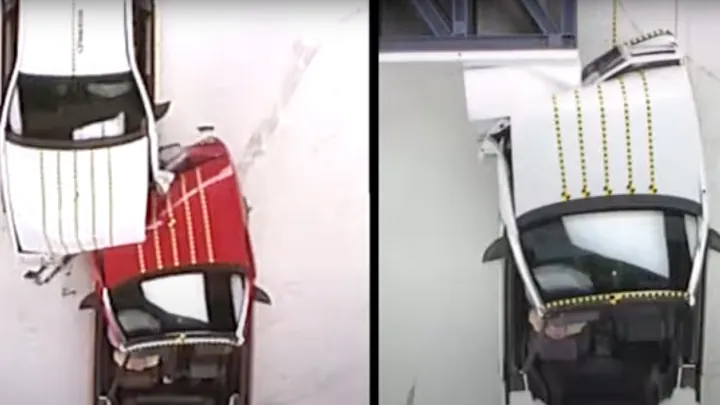
The Insurance Institute for Highway Safety occasionally updates its testing methods to keep pace with a rapidly evolving automotive industry, but there’s one thing that hasn’t changed with the new tests: Crash speeds. In a recent YouTube video, the IIHS detailed why it hasn’t increased crash-test speeds above 40 mph despite the fact that most highway drivers routinely hit much higher speeds.
Musk: Tesla Roadster Will Use SpaceX Tech and Have Rocket Boosters
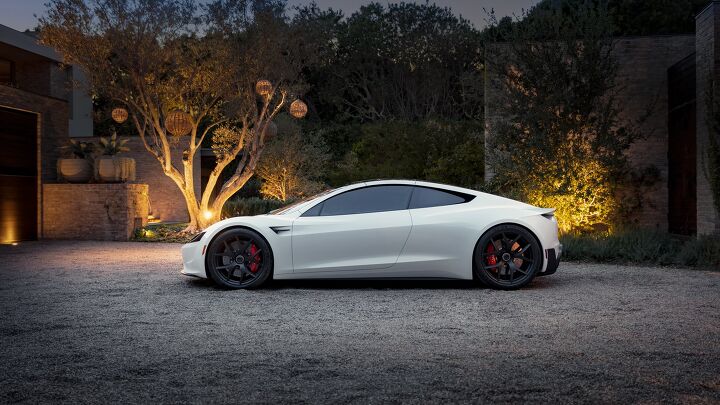
Tesla presented the “new” Roadster back in 2017, but the car isn’t expected to officially launch until next year. CEO Elon Musk has made some big promises about the car, including that it could break the one-second 0-60 mph time barrier. We’re now hearing more grandiose claims about the car, with Musk saying that it would feature rocket technology thanks to a partnership with his other company, SpaceX.
Report: Ford's EV Skunkworks Team to Create Three Affordable Electric Models
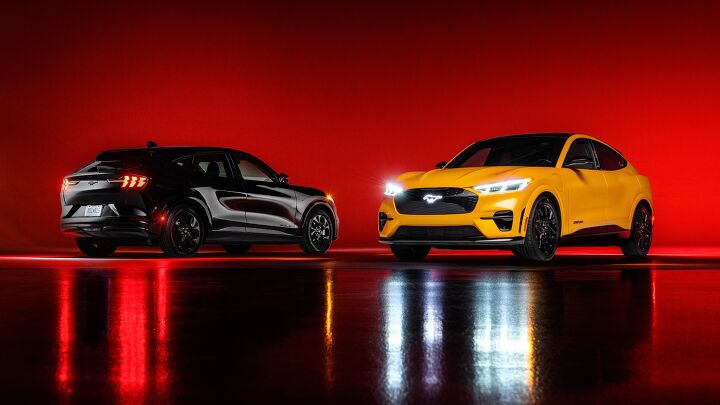
A few weeks ago, Ford announced that it had created an internal skunkworks team to focus on affordable EVs and a new platform to underpin them. Bloomberg recently reported more deeply on the project, noting that The Blue Oval may be planning up to three new electric models on the new architecture, including a compact SUV and a small pickup truck.
Report: Lithium Americas Breaks Ground in Nevada Mining Operation
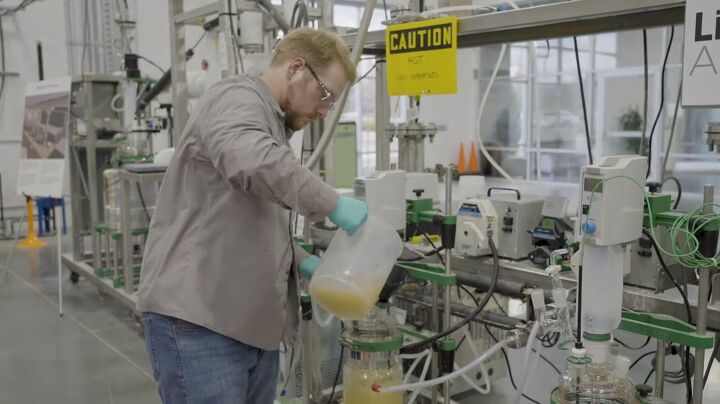
Lithium Americas has broken ground on its Thacker Pass mining operations, potentially opening the door to what some are calling the largest lithium deposit in the entire world. However, it’s estimated to be another three years before refinement takes place and the materials can be adapted for use in battery powered products — including all-electric vehicles.
UAW Announces Volkswagen Workers Filing for Unionization Vote in Tennessee
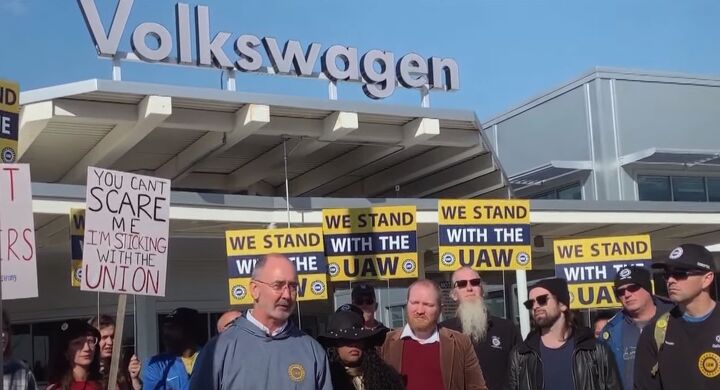
Volkswagen employees in Chattanooga, TN, have filed a petition with the National Labor Relations Board for a vote to join the UAW. Clearly pleased, the union shared this world with the news on Monday to be accompanied by the requisite media agitprop.
This will be the first time a non-union automotive plant has filed for a union election in quite some time. The UAW called it a “grassroots effort” following the UAW’s previous contract negotiations with Ford, General Motors, and Stellantis.
Mercedes-AMG Gifts All-Wheel Drive to Slinky GT, Jacks the Sticker
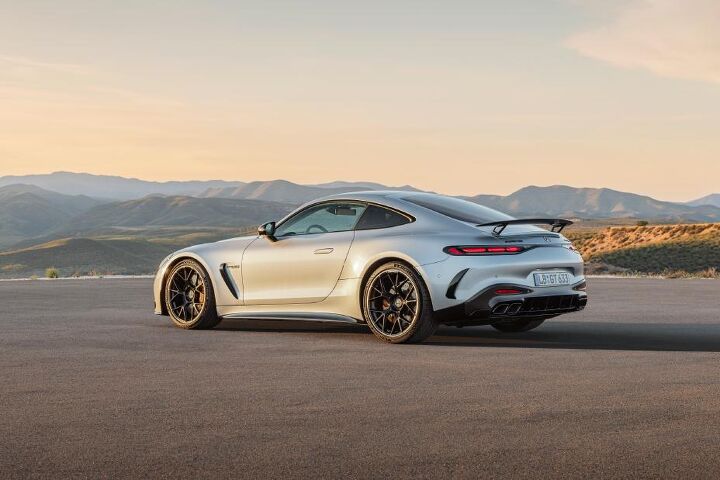
It will be of little surprise to learn that Mercedes-AMG, like just about every other car company on this green earth, are fettling the prices of their wares. Still, even the one-percenters who fork out for sporty machines like the Merc GT coupe may be blinking in askance upon seeing that model’s new sticker price.
Ford's BlueCruise Under Scrutiny After Fatal Crash
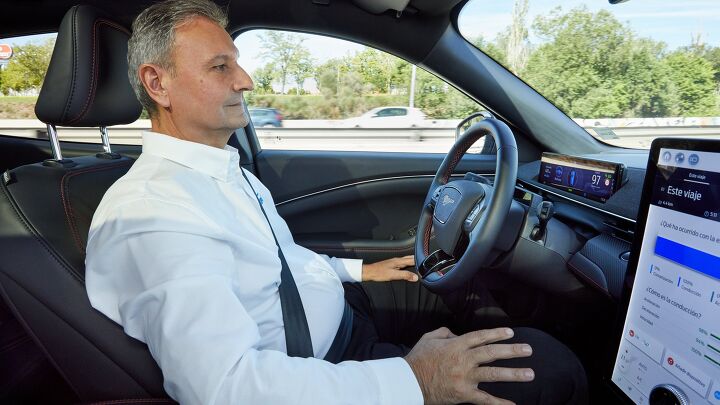
Tesla’s Autopilot and Full-Self Driving tech have been under scrutiny for a while now over their repeated failure to stop collisions and monitor driver behavior. Now, it’s Ford’s turn under the spotlight with its BlueCruise system. The NTSB said it wants to find out if the system was in use when a Mustang Mach-E was involved in a deadly crash in San Antonio, Texas.
Tesla Looks to Boost Model Y Sales with Threats of Nearing Price Increases
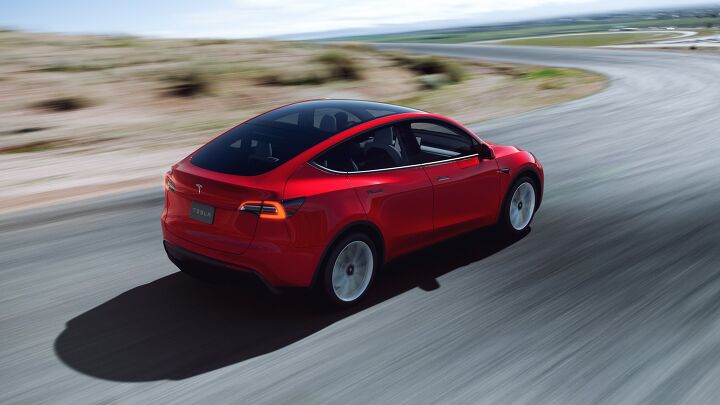
The Tesla Model Y is a wildly popular EV on the global stage, but the automaker is still looking for ways to boost sales and keep it relevant. As we approach the end of the first quarter of 2024, Tesla is pushing the Model Y with a message that prices will increase on April 1 in hopes that the threat of higher purchase price s will drive buyers to act in the next two weeks.
Toronto Police Recommend Letting Thieves Steal Your Car

While car crime has been up generally in recent years, some North American cities have seen staggering increases in automotive theft. Toronto estimates that it has endured a nearly 150-percent in automotive crime over the past six years and local authorities are rolling out a new tactic to cope with the situation — police have advised the public to just let thieves take their vehicle.
Nissan Fettles GT-R for 2025, Could Be Last Call

In what may very well be the final round of drinks at the GT-R table, Nissan has rolled out a few changes to Godzilla for the 2025 model year.
AAA: Most People Don't Trust Autonomous Vehicles
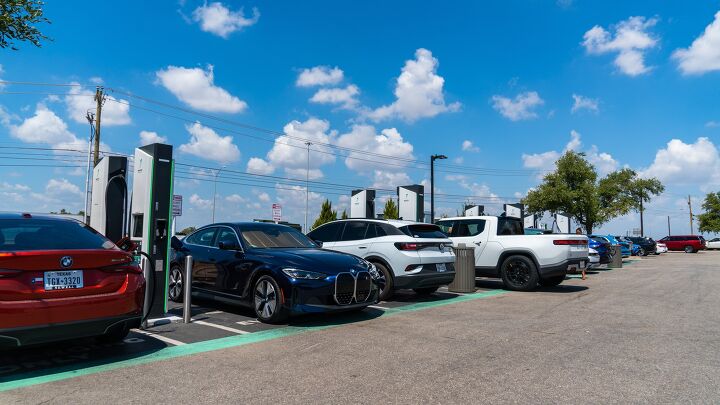
Most people in the U.S. are distrustful of autonomous vehicles. That’s the message from AAA’s latest study, which found that a surprising number of people express fear, and many are uncertain about autonomous technology.

Honda and Nissan are Teaming Up to Accelerate EV Development
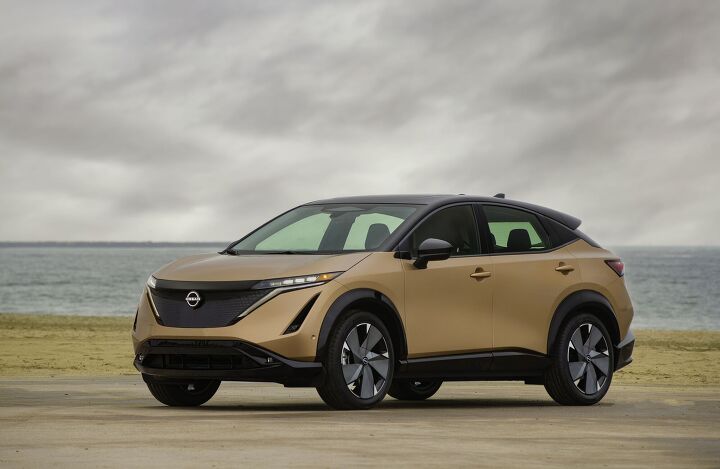
Honda’s partnership with General Motors yielded the Prologue EV and Acura ZDX, and the Japanese automaker is now looking to team up with Nissan to do more of the same. The pair announced their fresh collaboration at a news conference earlier today.
Driving Dystopia: Automakers Are Selling Your Driving Data to Insurance Companies
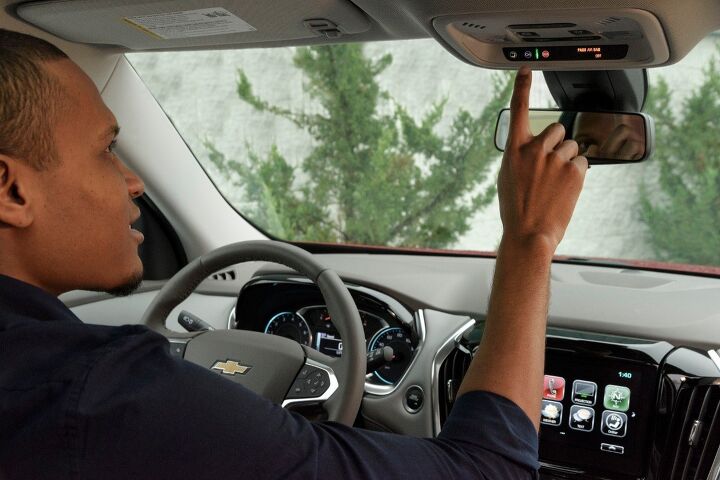
A recent report from The New York Times has accused automakers of selling customer driving data to insurance firms. While this is something many drivers had already been made aware of since the implementation of connected vehicles, the outlet claims that the amount of data has ramped up to a staggering degree. Not only is the amount of data being shared staggering, so is the specificity and degree to which it’s impacting people’s insurance rates.
The report focuses on LexisNexis’ “Risk Solutions” program formerly dedicated to keeping track of accident reports and moving violations. However, the division has expanded dramatically over the years and now oversees just about every scrap of relevant data modern vehicles can accumulate about you.
What Kind of Cars Do Women Actually Want?
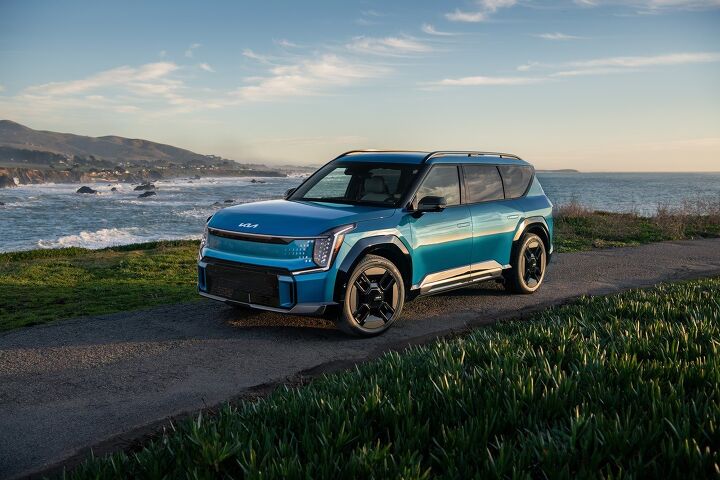
On International Women’s Day, the Kia EV9 was announced as the “Supreme Winner” of the Women's Worldwide Car of the Year (WWCOTY) 2024. However, saying that this is the vehicle women most desire — let alone are willing to spend money buying — is probably a stretch.
The 2025 Hyundai Ioniq N Will Land With an Almost $70,000 Price Tag
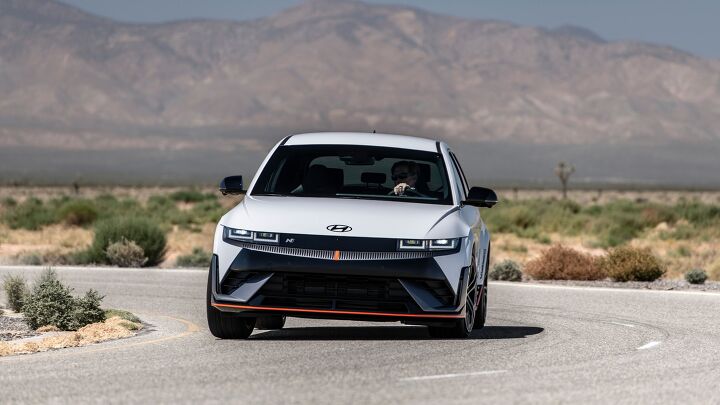
Hyundai is expanding its “N” performance line with the new electric Ioniq 5 N, which will land as a 2025 model. The automaker recently priced the hot EV, making it the most expensive vehicle in its lineup in the United States.
Cadillac's New Electric V-Series Concept is Far From a Silent EV

It was easy to make fun of Dodge and the “fake” exhaust it chose to employ on the new Charger EV, but it’s no longer the only one trying to capture the thrill of a performance gas engine with a silent electric powertrain underneath. We’ve seen “exhaust” systems for the Mustang Mach-E that mimic a V8 sound, and now, Cadillac’s getting in the game with a new concept car. While we haven’t seen a complete picture of the new electric Opulent Velocity concept, the automaker’s short teaser film let us hear the car, which sounds somewhere between a spaceship and an eight-cylinder’s roar.
In Memoriam: Marcello Gandini, an Automotive Design Master
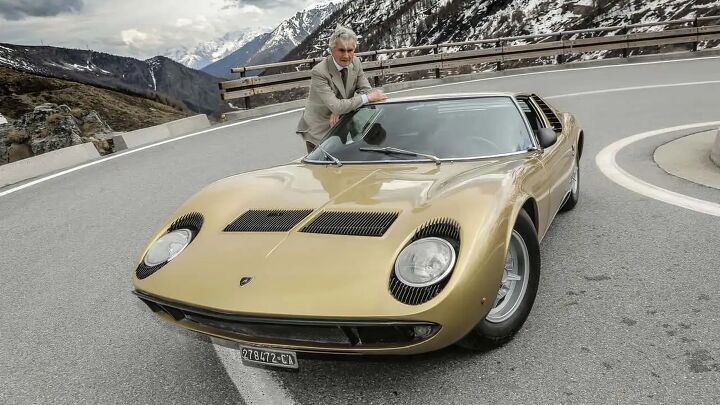
The world lost one of its preeminent car designers today, as Marcello Gandini has passed away at the age of 85. Though perhaps best known for the flashy and outrageous Lamborghini Countach, Gandini’s pen was applied to many other Italian, German, French, British, Japanese, and Swedish concepts and production designs. Gandini’s prolific portfolio of work made a permanent mark on automotive design.

Ford Trademarks 'RS200' Name in Europe

Ford has trademarked an interesting name from its back catalog. Oval has filed trademarks for "RS200" and "Ford RS200" within the European Union Intellectual Property Office, according to our sister publication.
Self Driving Probably Won’t Improve Until Artificial Intelligence Does
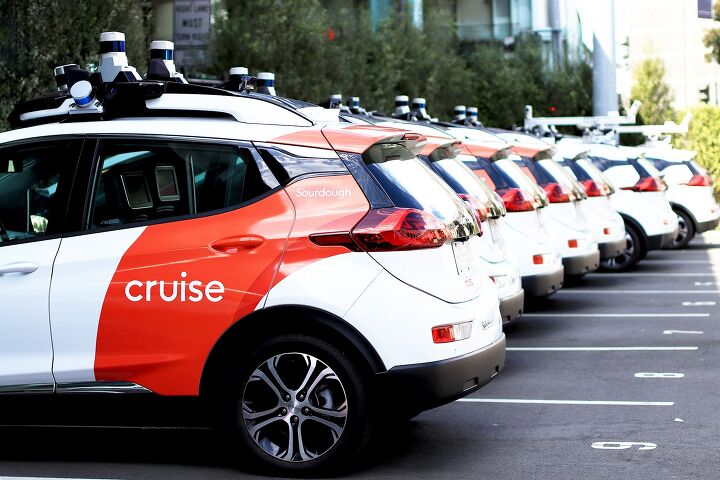
Following yesterday’s article about the IIHS suggesting the implementation of driver-monitoring as a way to mitigate lackluster advanced driving systems, many readers asked why automated driving still seemed so far behind in terms of development. After all, we have had companies promising the sale of commercially viable autonomous vehicles for years. But companies are nearly half a decade behind schedule with a public that has almost completely lost faith in the program.
What happened?





Recent Comments