

Consumer Reports Lists Least/Most Expensive Car Brands to Maintain
With the average vehicle now older than ever before and fewer people capable of spending the kind of money required to purchase a brand-new automobile, maintenance has become even more relevant. To that end, Consumer Reports has furnished an analysis on just how much each nameplate is likely to set you back in terms of upkeep over its lifespan.

QOTD: Is Professional Detailing Worth It?
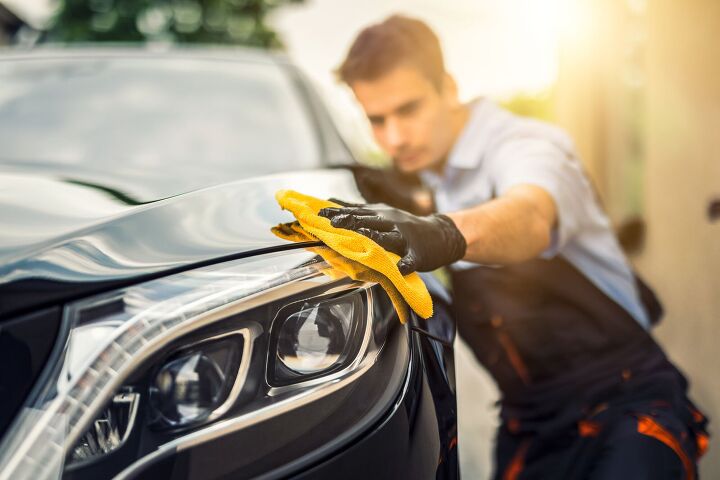
You wouldn't know it by the weather, at least in parts of the country, but it is springtime according to the calendar.
Snow tires are coming off. So are car covers. And soon, the nation's detailers will be setting to work getting people's rides summer ready.
The question is -- is it worth it to pay for professional detailing?

Study Suggests Time Plays Important Factor in Repair Costs for EVs Vs ICEs
Since the hottest news surrounding the automotive industry today happens to be rolling updates about supply shortages, factory downtime, and how it’s not impacting manufacturing profits as much as anticipated, I’ve been diving back into studies and research pertaining to the future of the automotive industry. It’s a little more enjoyable for my own gray matter to process and might provide readers with a touch more to ponder than another story about how automakers are stalling production because an insufficient number of doodads were placed on a boat that’s waiting off the California coastline.
Earlier this week, we examined research exploring how much electric vehicles actually cost to run and that theme will persist. There’s a new study suggesting EVs boast lower repair bills than gasoline-driven alternatives. But there’s an interesting tipping point that occurs early in a vehicle’s lifespan that makes it happen. Before that, it’s cheaper on average to maintain something equipped with an internal combustion engine.
Right-to-Repair Movement Gets Federal Attention
While the right-to-repair movement is fighting a national battle, the brunt of the action has been taking place on America’s coasts. Consumer activists are taking on multinational corporations that don’t want you to modify your mobile devices, affix aftermarket components to your vehicle, or have complete access to the data that’s amassed by the staggering number of products that are needlessly networked to the internet. After years of petitioning the government, often while arguing with high-paid lobbyists, the group achieved a major victory in Massachusetts in 2020. Voters decided that automakers should not be allowed to withhold information from the vehicle’s owner or use it as a way to prohibit them from taking their car into independent repair shops (rather than manufacturer-certified service centers) or tinkering with it themselves.
Now the federal government is getting involved. Joe Biden has signed an executive order that effectively forces the Federal Trade Commission (FTC) to take regulatory action that would settle the matter. But we don’t really know if that’s going to lead to a market where customers are free to treat their property (and private data) as they wish, one where the manufacturer holds all the cards, or simply result in a regulatory minefield displeasing all parties.
2013-15 Honda Accords Heading in the Wrong Direction
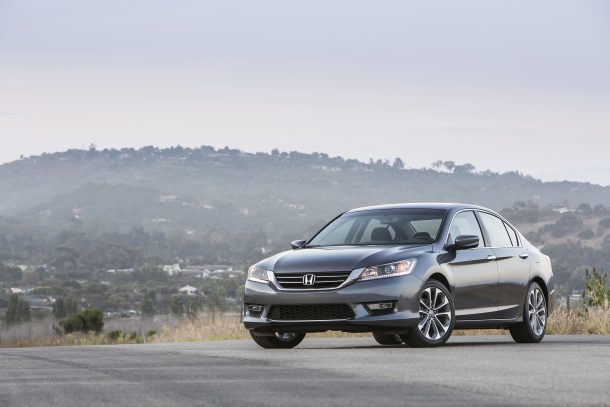
2013-15 Honda Accords are under investigation by The National Highway Traffic Safety Administration (NHTSA) for a steering issue. Allegations of Accords suddenly losing control without warning have led to 107 complaints. According to a Motor1 report, there are as many as 1,120,470 Accords in the US that could be affected.

Tread Lightly! Clears Hey Joe Canyon Trail

Tread Lightly!, with the help of partners and volunteers, cleared 11 miles of tamarisk from Hey Joe Canyon, an off-road trail in Moab, Utah. The Easter Jeep Safari stewardship project was completed during the event.
Supreme Court Allows Auto Aftermarket to Access APIs

The Supreme Court ruled on April 5th in the Google v. Oracle case, a copyright dispute over software. Their decision was that application program interfaces (API) are fair use in building compatible components.
Mitsubishi Tries Harder in 2021 J.D. Power Study

Mitsubishi Motors’ third-place ranking in the latest J.D. Power Customer Service Index (CSI) indicates the brand is trying harder to improve the experience for service done under warranty and or customer pay. Up one spot from 2020 among non-premium, mass-market nameplates, Mini ranked the highest with a score of 864, Buick ranked second at 859, followed by Mitsubishi at 857, GMC at 856, and Kia in fifth at 855.
Massachusetts Passes Right-To-Repair Protections

Independent repair shops and aftermarket parts retailers have been pitted against major automakers and their dealer networks in Massachusetts for years. The state has served as the primary battleground for right-to-repair legislation that would permit/prohibit customers and independent entities from working on or modifying vehicles. However, a major victory came on Tuesday after voters overwhelmingly approved a ballot measure updating existing right-to-repair laws to give vehicle owners and small shops better access to vehicle data typically reserved for industry giants.
The resulting decision gives consumers substantially more control over what’s done with the data being harvested by the industry (often without their knowledge) and frees up their options on who to go to when their vehicle needs fixing.
DIYers Take Note - the 2019 Ford Ranger's Oil Change Procedure Contains a Big Extra Step [UPDATED]
![DIYers Take Note - the 2019 Ford Ranger's Oil Change Procedure Contains a Big Extra Step [UPDATED]](https://cdn-fastly.thetruthaboutcars.com/media/2022/07/19/9186069/diyers-take-note-the-2019-ford-ranger-s-oil-change-procedure-contains-a-big-extra.jpg?size=720x845&nocrop=1)
Ever swapped out the battery in a cloud-car Chrysler, or maybe an old Sebring or PT Cruiser? You’ll be reminded of that when the time comes to change your new-generation Ford Ranger’s oil, assuming you’re a proud member of the DIY crowd.
Job One for those looking to freshen the Ranger’s internal lubricant, besides heading to the store for a couple of jugs of synthetic and a filter, is to break out the jack. You’ll need to remove a wheel.
(Editor’s Note: Ford has reached out to us to inform us that the service procedure we referenced below is incorrect, and that the wheel does not need to be removed. We regret the error, and we have further addressed it here.)

Dealer Association Chair: Relax, Critics - Electric Car Owners Still Have to Visit the Shop
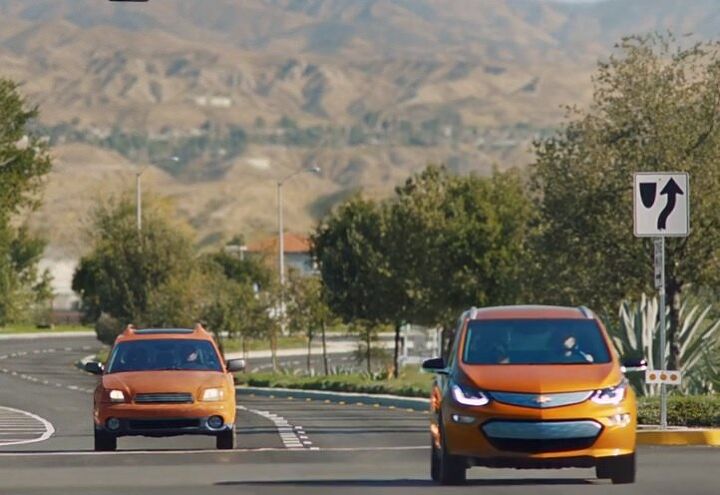
National Automobile Dealers Association chairman Wes Lutz doesn’t have much time for critics who claim traditional car dealers don’t want to sell you an electric vehicle. As EVs boast fewer moving parts and lower running costs, green car advocates often say dealerships view the vehicles as a threat to a business model that relies heavily on service visits for profit.
Not so, says Lutz. The parts that do move are the ones they profit from.
How to Score All The Cashback Deals From Tire Rack
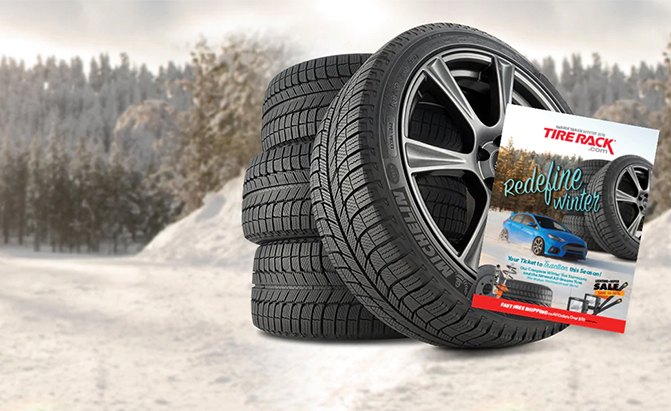
You already saw our feature on the tire sale at TireRack on Goodyear winter tires, but it’s looking like the online superstore has a bunch of ways to earn some solid cashback between now and the end of the month. Covering everything from winter and all terrain tires to more basic all-seasons, the deals include options from Michelin, Continental, Yokohama, Cooper, Dick Cepek, Firestone, Khumo, and Pirelli. Click through the links below for a closer look at the various promos out there and how to qualify.

Rodents May Have Flavor Fetish For the Wiring Insulation in Newer Vehicles

Shortly after the dawn of new millennium, automakers started implementing bio-plastics made from corn starch, genetically engineered bacteria, or vegetable fats and oils. The rationale for this was that sustainably sourced materials were better for the environment and lowered dependency on petrochemicals. Unsurprisingly, bio-plastics gained in popularity at roughly the same time as ethanol.
Since at least 2010, soy-based bio-plastics have been a popular alternative for wiring insulation in automobiles. But there’s a problem — rodents love how it tastes. This has allegedly resulted in a surprisingly high number of owners reporting that rats chewed through the wiring inside their automobile.
While the problem isn’t entirely new, the frequency of the incidents appears to have been spurred by automakers using more palatable materials. In fact, the issue has grown so bad in recent years, numerous lawsuits have cropped up demanding manufacturers pay for damages. Honda was named in a suit from two years ago involving 2012 to 2015 model year vehicles, and Toyota was hit with one for cars produced between 2012 to 2016.
Eternal Life: NISMO Heritage Program Building New Spare Parts for the GT-R
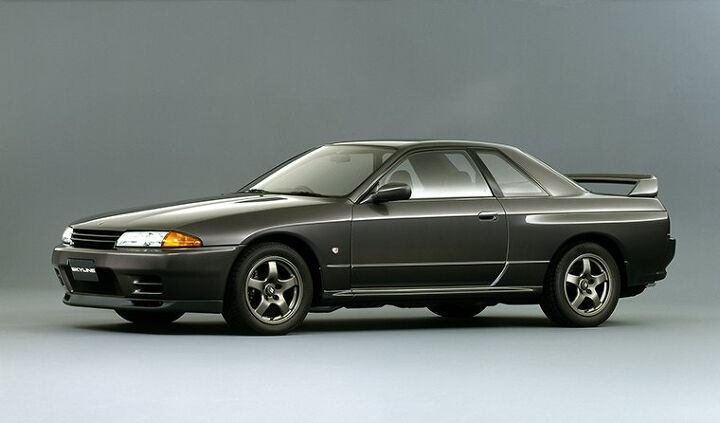
Nissan R32 GT-R owners in Japan will be able to enjoy wheeling their treasured rides around a lot longer, thanks to a program making new replacement parts available.
The parts will go on sale in Japan the first week of December as part of the new NISMO Heritage program, meaning that poorly modified R32 Godzillas hacked together in the wake of each Fast & Furious movie can now be properly restored.

If Robots Can Build Our Cars, Why Don't They Service Them?

Robots may be able to assemble your car, but they aren’t going to be servicing it anytime soon. Automation has made many industrial occupations irrelevant over the last few decades. Machines have even begun entering the fast-food industry and proven themselves adept line cooks. So then why aren’t they changing your oil?
The technology is available but implementing it is too damned expensive and slow. No machine yet qualifies as a “full-service” device, so centers would have to purchase multiple rigs and keep someone on staff to operate them — not exactly cost-effective. However, as those machines come down in price and gain in number, we’ll begin seeing them put into use more and more. Eventually, you’ll be returning to the servicing department to complain about a robot ruining your car instead of an inexperienced mechanic. But when?
Repair Costs on the Upswing After Declining for Two Years

Nothing lasts forever, as Axl Rose once said. After flatlining for a couple of years, during which time car owners — on average — saw no increases in repair costs stemming from “check engine” lights, bills are headed back up.
A study looking at average repair costs in 2016 has found that the price of discovering the cause of that dreaded light rose 2.7 percent between last year and 2015. That brings the average repair bill for this type of garage visit to $398. However, not every region of America took a hit.
'What is Cost of Ownership?' Asks One Third of US Drivers While Borrowing to Pay Repairs

According to the American Automobile Association, one third of drivers in the U.S. cannot pay for an unforeseen vehicle repair without going into debt.
AAA says the average trip to the shop will set you back between $500 and $600. So, what does that mean for the 64 million American drivers who can’t afford an unexpected repair bill?

Volkswagen's Diesel Fix Has European Customers Wishing They Hadn't Bothered

Volkswagen’s U.S. diesel woes have consumed most of the oxygen in the room for the past year and a half, but Europe has its own issues with the automaker’s emissions-spewing powerplants.
While owners on the continent haven’t had to hand their vehicle over in exchange for cash, the region’s less-stringent environmental laws still require that VW offer a fix for its rigged diesel engines. Good news for air quality, but bad news — apparently — for drivers. Many owners have discovered the fix turns a perfectly fine (though illegal) vehicle into a nightmare.
The Cadillac CT6's Achilles Heel: Collision Repair

Owning a range-topping Cadillac is supposed to be a trouble-free affair, and — barring gremlins — it still can be, so long as your sharp-edged, oddly light CT6 remains unbent and unbroken.
Cadillac’s liberal use of high-strength aluminum in the sedan’s body structure won accolades when the CT6 debuted for the 2016 model year. Body stiffness, curb weight, and fuel economy all benefit from this mingling of metals. However, trouble arises when those carefully bonded metals come apart.
As it turns out, fixing a damaged CT6 could prove difficult for many of the model’s 7,876-plus owners.
Looking for Cheap, Low-stress Car Ownership? Head to the Cornfields

If it wasn’t for the blissful autonomy and convenience that comes with car ownership, how many people would want to shoulder the ever-growing cost? Insurers lie in wait to squeeze you, law enforcement waits to punish you, environmental groups demonize your lifestyle, and governments at all levels salivate at the thought of making it more expensive to own a personal vehicle.
Meanwhile, you dance to the tune set by oil companies and geopolitics, weathering financial blows when pump prices rise. If only there was a place where those worries fell away — where the act of owning and driving a car wasn’t as stressful.
As it turns out, this place exists. And it’s just west of the Mississippi.
Ford Super Duty Owner Gets Refund After Diesel Pickup Grows Afterburner

If the dome light in Shelley Shields’ Ford F-450 Super Duty stopped working, she could easily have read a book by the hellish glow emanating from underneath her pickup.
The Cochrane, Alberta driver returned the 6.7-liter Power Stroke diesel-powered vehicle shortly after purchase after noticing flames shooting from the tailpipe and the exhaust glowing like a certain part of Amsterdam, Truck Trend reports.
Ford Backtracks After Giving Up Parts Search for Man's Seven-Year-Old F-150
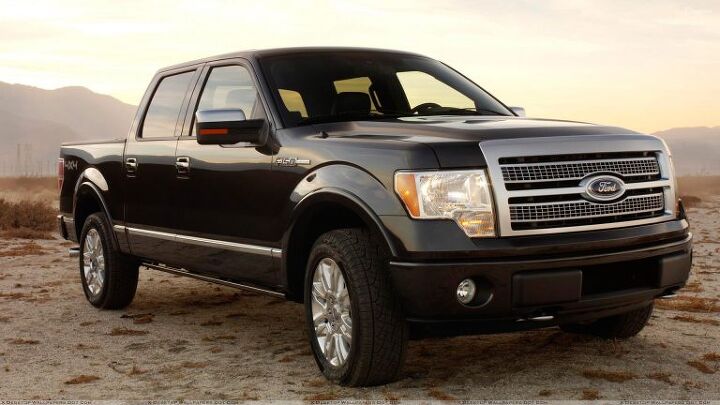
Just because your vehicle is the most popular model in the world doesn’t mean there’s spare parts stashed in every storage room and broom closet.
The owner of one 2009 F-150 crew cab found this out the hard way, forcing him to turn to the media and consumer rights groups to keep his truck driveable after an extensive search for a replacement part turned up dry.
Vehicle Breakdowns Hit a Record High in 2015: AAA
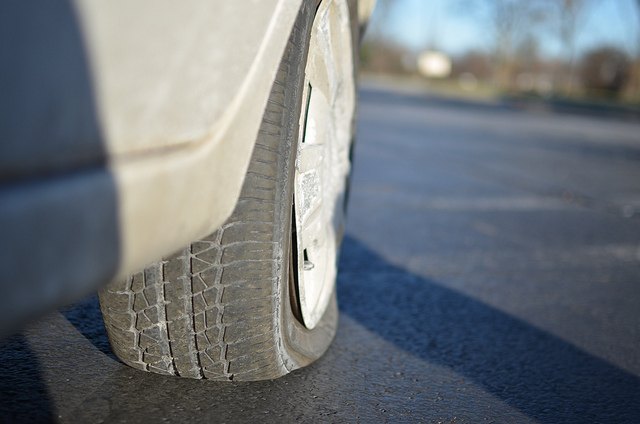
More Americans enjoyed a vacation on the side of the road last year than ever before, according to the American Automobile Association.
Vehicle breakdowns reached a new high in 2015, with 32 million calls logged to AAA from drivers in distress. Of the most common problems, vehicles less than five years old make up a large part of the tally. So, what’s the deal? Are vehicles going backwards in quality?
Want to Be an Authorized Ford GT Service Center? You'll Need to Pay Up

The 500 Ford GT supercars that will reach customers in 2017 and 2018 sold for more than $400,000, but the privilege of working on them comes at a premium, too.
Any dealer looking to become an authorized Ford GT service center will need to spend at least $30,000 to upgrade their operations, according to a document obtained by All Ford Mustangs.
AAA Study Finds Drastic Differences In Gasoline Quality
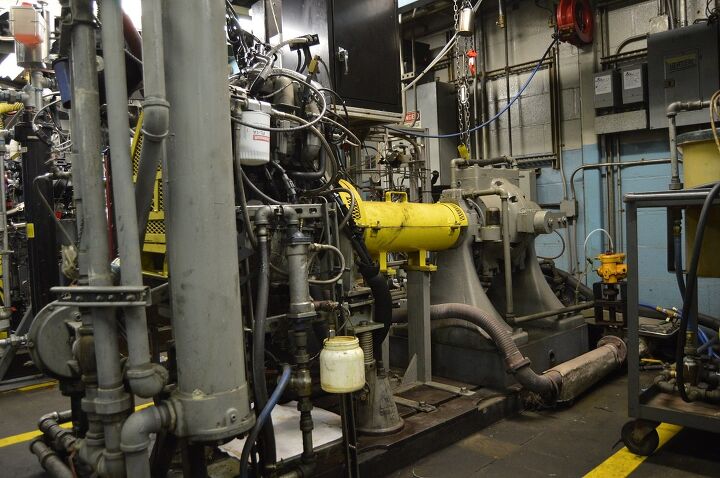
AAA hired an independent lab to complete 4,000 miles of simulated driving to compare Top Tier gasoline with the cheaper blends. Their findings show that the additive packages in Top Tier gas resulted in fewer carbon deposits than those found in the non-Top Tier gasoline test.
The study also found that there were some secondary benefits to the better additive packages, including slightly better fuel economy and better drivability. The benefits are apparent, but do consumers really care?

Your Quick Lube Place Is Probably Snitching on You to Your Insurance Company
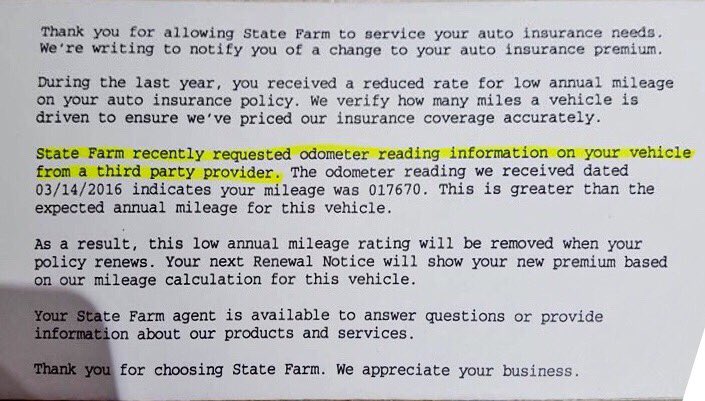
Ever wonder exactly how the various “quick-lube” places in your city made a profit?
The price of motor oil rises and falls — mostly rises — but the pricing stays at $19.95 or $24.95 or whatever your local market will bear. As fate would have it, most of my vehicles aren’t compatible with the quick-lube business model of having some sweaty dude waving your air filter in your face and telling you that it has the Zika virus while an actual rhesus monkey cross-threads your drain plug using an impact gun. My 993, as an example, has two oil filters, while my Boxster requires a 32-step process to get to the air filters. Nor would I trust my mighty Accord V6 to somebody whose path in life hasn’t qualified them to work above ground.
Not all of us have the luxury of doing our own oil changes at home, however. You might not have the space, the tools, the ability, or the time that’s required to do it correctly yourself. That last factor is perhaps the biggest. If you’re working two McJobs to make ends meet, the Valvoline Oil Change down the street might be your only practical choice. The good news: it’s cheap. The bad news: some of that cost savings comes from another way the shop makes money on you, without you even knowing.

Study Reveals the Best States for Teen Drivers. Sorry, South Dakota

Statistics show that, as a whole, teen drivers are unsafe, and could easily saddle you with a huge repair bill.
So, what’s the best state to live in if you’re planning to hand your keys to someone aged 15 to 24? A new study by WalletHub maps it out, ranking each state based on three categories — safety conditions, driving laws and economic environment.
Long-Term Update: 10 Months In, Our 2015 Honda Odyssey Finally Has A Problem

8,000 trouble-free miles ended in early April when our 2015 Honda Odyssey EX began squeaking, squawking, and groaning.
An intermittent rattle in the glovebox this was not. The noise was growing worse by the day. Sounding like a flexing structure when turning into an uneven parking lot entry, like a handful of golf balls bouncing around together when traversing a rougher section of road at very low speed, and like a dying crow in nearly every other circumstance, our Odyssey went from refined to cacophonous in a matter of days.
All blame was laid at the feet of our minivan’s power sliding doors, large apparatuses responsible for shuttering two vast orifices in the sides of a 17-foot-long pod that lacks the inherent structural rigidity of a traditional three-box saloon car.

Cars and Cocaine Are a Helluva Mix at This Audi Dealership

A pissed-off motorist wants the world to know that a service technician working at a dealership that might take rolled-up bills as a downpayment took his car on an alleged powder-fueled joyride. And he has dashcam video of the whole thing.
A revealing video posted to Youtube yesterday by user “Carrera Chris” documents the April 12 point-of-view journey of his vehicle as it leaves a Palo Alto Audi dealership with the technician behind the wheel.
DOT Goes Wikileaks on Dealers, Puts Your Car's Secrets Online

Your vehicle’s hidden flaws and most shocking (mechanical) secrets will soon be just a click away.
The Department of Transportation is ending the clandestine relationship between your car’s dealer and the manufacturer by posting all Technical Service Bulletins (TSB) online, according to Consumer Reports.
TSBs, which outline the recommended procedure for repairing vehicles, will be posted in PDF form on the safercar.gov website.
Finally, a Respectable Use For a Smart Car

Let’s face it: when it comes to modern cars, no model is as maligned as the diminutive two-seat Smart Fortwo. Well, maybe the Mitsubishi Mirage.
Measuring just 8-feet-10-inches in length, the rear-engined Smart looks less like a car than a rolling phone booth, or perhaps the bubble that would take Patrick McGoohan back to The Village in the TV show “ The Prisoner.”
Jokes and instances of car-tipping aside, the Smart harbors a secret ability that sets it apart from its larger peers — and it took an Ontario mechanic to find it.
Winter Tires: Business Up Front or Party in the Back?
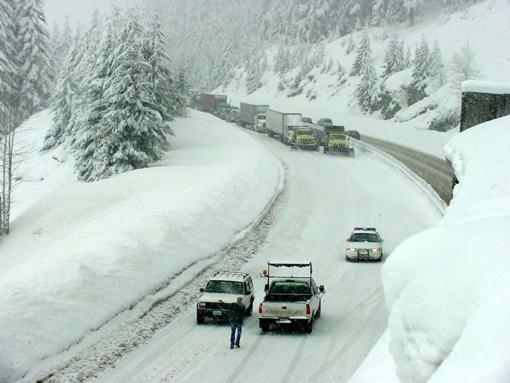
Suppose you have a front-wheel-drive vehicle and you’re looking to fit a set of winter tires. Also, let’s assume that two of those tires have much more tread depth than the other two. On which end of the car do you install the better rubber?
According to the CBC, a woman in Dartmouth, Nova Scotia, Canada (that’s my town!) ran into just this problem, complete with conflicting advice from two repair shops: One said putting the fresher rubber up front is safer as the vehicle is front-wheel drive, while the other said giving the rear more grip is the best course of action to reduce the chance of a spin out.
Which one is correct?

Tesla Quietly Killed Its $100 Flat-fee Home Service Program
Sometime this year, Tesla Motors quietly ended its Ranger program that would dispatch service technicians to fix or send for service Tesla cars for a flat rate, Automotive News reported.
The program, which was touted by the company in 2012 as “ transforming automotive service” said the service would cost $100 “regardless of how far away owners live from a Tesla Service Center.” Tesla’s service page now says: “Tesla Ranger service may be available in your area. Service begins at $100 per visit and increases based on your distance from the nearest Tesla service center.”
A four-year, prepaid service plan for the cars, which cost $2,400 and included unlimited Ranger service visits, now only costs $1,900 without mentioning Ranger service, according to the company. A spokesman for Tesla didn’t immediately comment on the report.

TTAC Project Car: Sacrifice to The Sierra Gods!
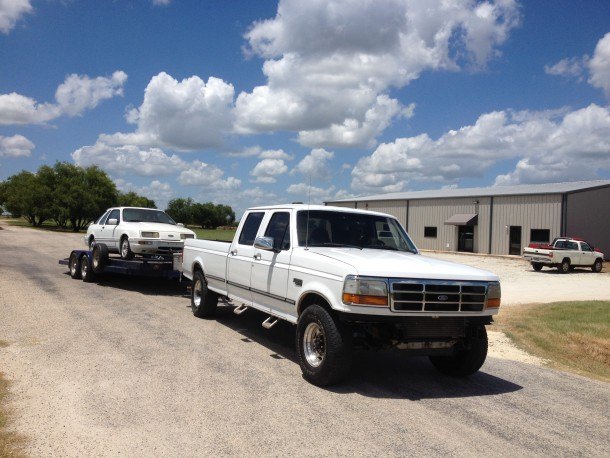
Merkur? ZOMG SANJEEV Y U NO LS1-FTW?
No surprise, the auto journo that insists on everything LS-swapped is actually a big ol’ fraud. Do as he says, not as he does with TTAC’s Project Car — a 1983 Ford Sierra Ghia previously reviewed with the promise of more to come.
Promises: kept.

Volvo Offers Lifetime Warranty on Replacement Parts

Volvo announced today it will warranty any replaced part and labor, not including wear-and-tear items and accessories, for the life of the car. The coverage extends only to service at dealerships.
Volvo owners will pay for the initial replacement parts and labor on vehicles with expired warranties, but Volvo will pay for any additional service on that part for as long as the owner has the car. The parts warranty covers all models from all years and will be honored at all North American Volvo dealerships, according to the automaker.
Repair Estimates For Tesla Model S Higher At Certified Shops

No matter how minor or major an accident, Tesla Model S owners and their insurers will feel the financial pain from Tesla’s certified shops.

TTAC Readers Call It: Town & Country Troubles
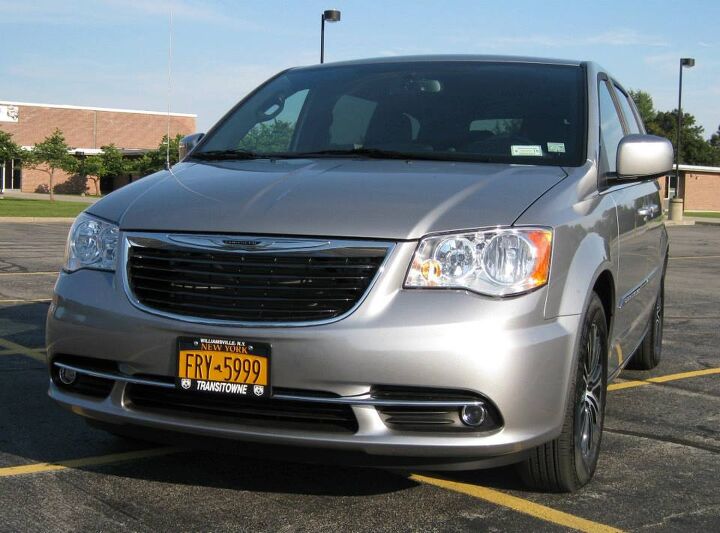
Way back on August 13, 2013, just two comments into the discussion in which I trumpeted to the world the selection of the Chrysler Town and Country S as the chariot of choice for the mid-size Kreutzer family, user “Infinitime” wrote: The only hesitation I have about buying a Caravan when the time comes, is their propensity to use the most fragile components for the automatic transmission. Hopefully, the design of the new six-speed has finally addressed this concern. Well, here we are just a year and three months later and I am forced to acknowledge the wisdom of the best and the brightest and ponder, once again, why it is that transmissions always seem to grenade on rainy, crappy days.

Question Of The Day : How Much Would You Charge To Teach The Basics?
I grew up not knowing the difference between a V6 and a V8.
Cars were a mystery to me. Motor oil could have been the same thing as cooking oil right up until my 16th birthday.
Then I caught the bug. We all get it. A nasty incurable fever known as, “First-car-itis”.
I wanted a car in the worst possible way. I knew that if I just grabbed my hands on every magazine, book and repair manual I could find, that first car would become mine for a long, long time.
I didn’t expect a steep learning curve.

Toyota Recalls 870,000 Units Due To Arachnophobia
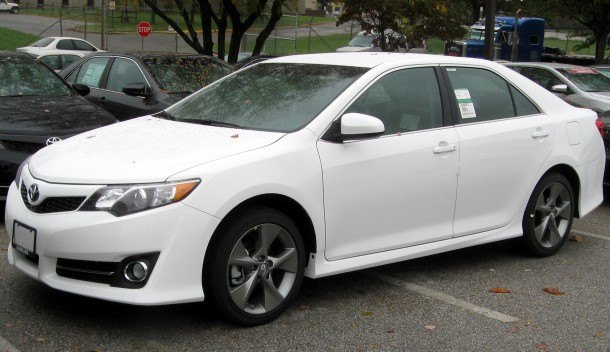
One blah Monday morning, you’re commuting to the anonymous office park some 90 minutes away from the bedroom community you call a home in your equally anonymous Toyota Camry Hybrid, listening to yet another story about Congress kicking cans down roads and/or some wacky antics your favorite DJs had the past weekend while you take another swig of that mermaid-branded caffeinated goodness.
Total Recall Update: Rustectomy Successful But Change Is In The Wind

Saturday was a day of reckoning for my Ford Freestar. As detailed in an article I wrote last week, my Freestar required a trip to the dealer to repair rust related issues that affected the rear wheel wells and the third row seat latches and the cost of the repairs were covered by Ford under a recall issued earlier this year. I promised then that, once the repair was completed, I would report back to you on how everything turned out.
Nissan Gakuen: My Visit To Nissan's Technical College
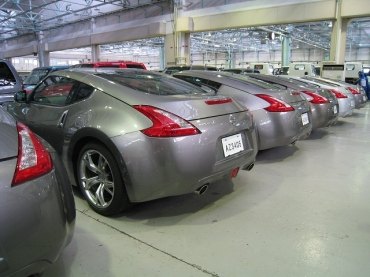
A lifetime of World War 2 movies and an 11 year marriage has taught me one thing about the Japanese; they never do anything half way. Whether it is diving a Zero into an American ship or cutting yours truly down to size, if it is a job worth doing it is worth being fanatical about. The attention to detail the Japanese put into every tiny thing they do is awe-inspiring and so it makes sense that when a Japanese car company spends billions of yen to design and produce a vehicle, they back that up with a mechanics’ training program so thorough that an average graduate can completely tear down and rebuild one of their cars. And isn’t it convenient that one of Nissan’s main training centers was located just a kilometer from where I used to live?
Total Recall: Ignore At Your Own Peril
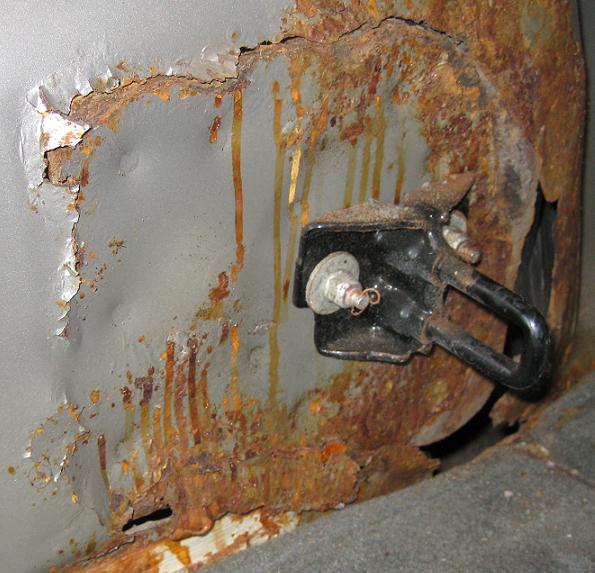
In March Ford announced another recall for their Ford Freestar minivans. The last time this happened I took my Freestar to my local dealership for transmission work and a few weeks later ended up replacing the entire transmission at my own cost when the part suffered an “unrelated problem.” This time Ford tells me that my van may suffer from corrosion in the wheel wells and that the affected areas include the third row seat mount. Presumably, the metal under the seat rusts out which could prevent the seat from latching properly. The condition, they continued, affects about 196,500 vehicle registered in the United States and that the vehicles most at risk are in states where salt is used on the roads to melt snow in the winter. I made note of the recall but then life intervened and my best laid plans to take the van in for a quick repair evaporated.
Gettin' Lubed: I Was A Minit Lube Minuteman

I still remember them. Tall and clear eyed, their square jaws clenched tightly as a sign of their strict discipline and inherent resolve, they dressed in perfectly pressed brown shirts and marched in straight, ordered ranks before the camera. For them there was only duty and their duty was their honor. Nothing would sway them from their purpose. As they marched they sang, and their song was a call to action. “We’re the Minit Lube Minutemen, trained to do the job and do it right.” God help us, we loved them for it.
GM Throws In Free Scheduled Service
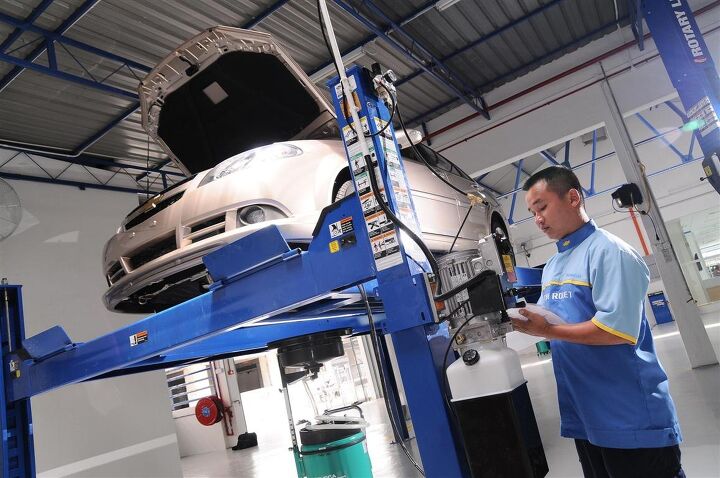
A free-maintenance program introduced earlier this year to get its full-size pickups moving was expanded across the entire 2014 line. For most 2014 vehicles, Chevrolet, Buick and GMC dealers will complete an oil and filter change, four-wheel tire rotation, and conduct a 27-point vehicle inspection based on what’s called for in the vehicle’s maintenance plan.
According to GM CEO Dan Akerson, this plan sells more cars:

Dark Days: Broken Hearts and Blown Gaskets

She done me wrong. I was beside myself with grief, anger and stress. Things had been going so well when, suddenly, a former lover waltzed back into her life and caused her to leave me in the lurch. Part of me wanted to win her back, to show her I was better than him. The other, darker part of me wanted to find that guy and kick his ass. It was a terrible time, and to make matters even worse, by faithful Dodge Shadow wasn’t running right.
Got Any Good Car Maintenance Recipes To Share?

For years, Bruce Lubin and his wife Jenny collected tips to save time and money, published on their whoknewtips.com website and their Who Knew? book. Here are some good ones for your car:
Shakken Up: How A Little American Persistance And One Little, Old Japanese Man Beat The System

My 1986 JDM Twin Turbo Supra
Wherever I am in the world I will always be a typical American man. Despite a lot of the stereotypes that spring to mind when I say that, I learned a long time ago that it isn’t a bad thing. I was raised right and I have solid values. When seats are limited I will stand so my elders can sit. I always hold the door open for ladies, and I keep plugging away no matter how hopeless the situation might seem. There are a few things here and there that can cause problems once in a while, too. For example, I won’t be deliberately insulted, I need my personal space and, of course, I feel like I am loser if I don’t have my own set of wheels.
Collision Collusion: How Insurance Companies Junk Your Car

Drivers who were in a collision often follow the recommendation of their insurance company when it comes to fixing the car. By doing so, they hope for a more accommodating insurance company. They also are likely to end up with a car that has lost a lot of value. In collusion with insurance companies, low-cost collision shops use knock-off or used parts.
How to Buy a Used Car - Pt. 3: Due Diligence (The Inspection)
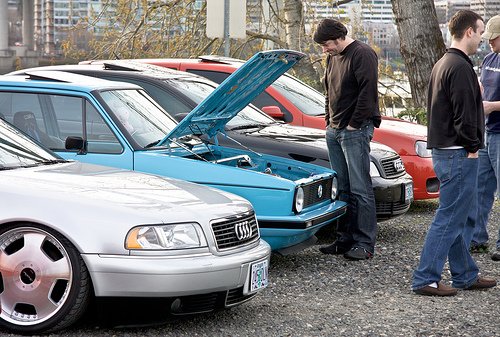
[Ed: Part one of Steve Lang’s updated used car buying guide is here, part two is here.]
You can rigorously apply the tests described by previous installments of this series without encountering a single setback. However when it comes to buying a used car, it pays to assume one simple salient fact: you don’t know the complete truth.
At least not yet.
Five Simple Technologies For The Long Haul
Just Imagine What I Can Do To Your Car!
Everybody wants a deal. But precious few people are willing to change their habits to make their deal last longer.
Watch Out: Your Dealer Is In Trouble, And He Needs Your Money

Five years ago, car dealers throughout the country were hit hard by carmageddon. Now, they are about to get hit again where it really hurts: In the workshop, where the real money is being made. The auto sales collapse of 2008 winds its way through the years like a diet through an anaconda. While showrooms were empty five years ago, now it’s the service bays that are deserted.
Massachusetts Right to Repair Law Left Senate
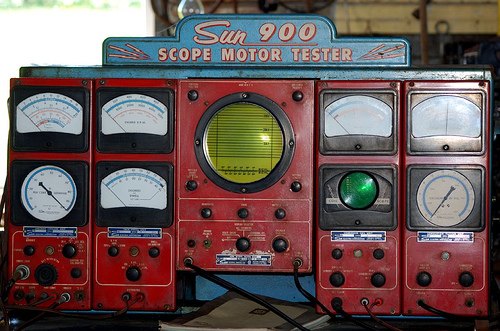
The Right to Repair law winds its way through the Massachusetts legislature. The law was approved in the Senate last week, says the AP via Businessweek The law now heads to the House of Representatives. If that sounds like deja vu to you, then your memory is excellent.
The Joy of Wrenching
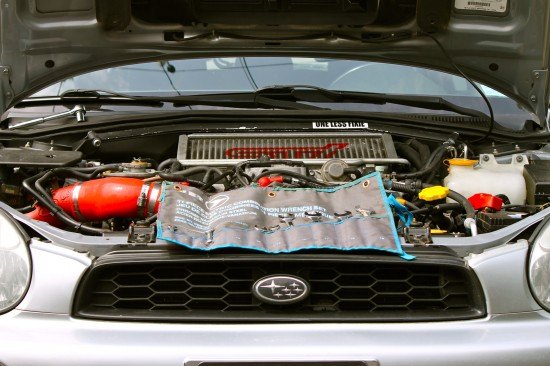
Yesterday was my day off, and by “day off” I of course mean, “day in which I work my ass off sans remuneration”. No doubt this’ll strike a chord with those of you who also have older houses with plenty of, uh, character.
It was a day no thumbs would die by accidental hammer-blow: there was work to be done on the car, and they don’t call me “Spanner” McAleer just because I’m a bit of idiot. Actually, maybe they do – well anyway, to arms!

How Much Did You Spend On Your Car?
Car owners have a warped view when it comes to their automobile’s cost.
When you ask someone the, “How much did you spend..” question, their usual response is to take the price they paid and just let that be that.
“Oh, I got this Mercedes for $50k.” They then will usually go about telling you the options they chose, and other trivial realities related to the car.
But as we all know, that’s not the question.
The Tesla Roadster "Bricking" Story Deconstructed
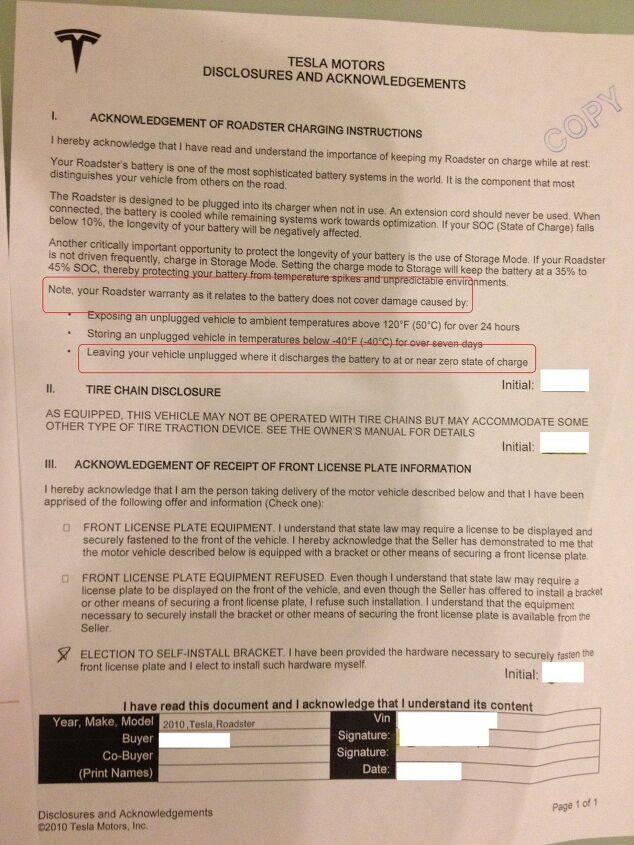
I was originally hesitant to jump on the Tesla Roadster “bricked batteries” bandwagon, and my initial story was written with a sort of cautious neutrality. Further context will be provided by the details that have surfaced in the 24 hours since the story broke. Hope you’re ready to dive in to it all.

The Fix Is In As GM Makes Changes To Volt After NHTSA Investigation

General Motors announced changes to the Chevrolet Volt’s design after a NHTSA investigation into why a Volt caught fire following crash testing.
The changes will go into effect once production restarts at the Hamtramck, Michigan facility, but customer cars already sold will follow a different protocol.
Hammer Time: Longevity

How many of you have ever eaten horse chow? What? You don’t know what it is? Well it’s made out of four key ingredients. Oats, olive oil, honey and a bit of peanut butter added if you want extra richness. It’s the basic original granola and for the last fifteen years it has encompassed most of my breakfasts. Sounds healthy and a bit dull on paper. But it’s surprisingly good to eat.
Which brings me to a related question about our cars. What we can do to and for our own vehicles to keep them healthy and running strong?
Customer Care: Whose Problem Is It Anyway?
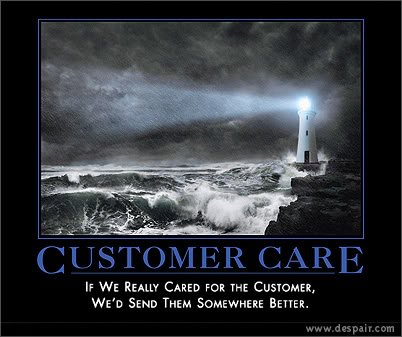
Three years ago I suggested that Detroit win back car buyers by doing something no one seemed to be doing: provide customer care deserving of the name. In a similar vein, Steve Lang recently asked readers whether manufacturers or the government should do more when a model commonly suffers from an expensive problem. Well, according to an article in Automotive News this week GM has strongly encouraged its dealers to pick up the tab on more out-of-warranty repairs to reward and create loyalty.
According to the article, the bottleneck hasn’t been GM—the customer care money has been there, but dealers have been too tight with it because of fears that GM would punish them if they spent it. Why did dealers have these fears in the first place? The article doesn’t say. The important thing isn’t how these fears came to exist, but that they’re currently unwarranted. One dealer calls the new “open pocketbook” approach to keeping customers happy a “seismic shift.” Problem solved?

TrueDelta Updates August Reliability Stats

Thanks in part to the help of people from TTAC, TrueDelta received a record number of responses to July’s Car Reliability Survey—over 22,300. Updated car reliability stats have been posted to the site for 570 model / model year / powertrain (where warranted) combinations. With partial results for another 464 cars, the total is now over 1,000. These stats include car owner experiences through the end of June 2011, making them over a year ahead of some other sources.
Ask The Best And Brightest: Covering Your Rear (Engine Sportscar) With An Extended Warranty?

TTAC commentator stephada writes:
Hello I drive a 2010 C4S, bought new, now with 42k miles and I am considering an Extended Warranty through a company called Protected Life, sold through the Porsche dealership. My service manager said they used to not offer this because they had trouble finding one that could cover things well enough, until they found Protected.
I’d like the Best and Brightest to weigh in on the specific example I’m facing. I’ve read the original B&B thread but it dealt with the issue philosophically and generally. I trust the B&B can help out again in my choices, as they did on the question of ”S or 4S?” [Ed: follow-up here].











Recent Comments