

Volkswagen Plans India Specific Models
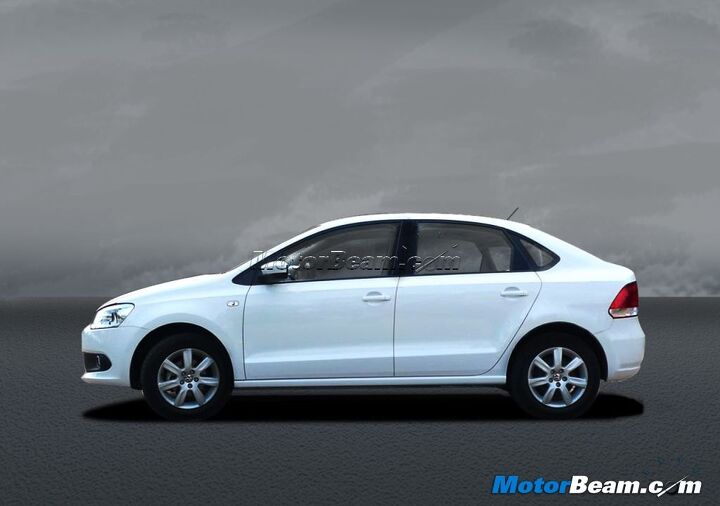
While Volkswagen is soaring high in most countries, its India innings have been far from successful. Everybody keeps talking about China and India being the next big automobile markets in the world. The truth is, China has already peaked, while India has a long way to go. For instance, Volkswagen sold 2.8 million units in China last year, while in India, they sold less than 100,000 (which is their plant capacity).

The Empire Comes Full Circle As Jaguar Land Rover Investigates Pukka Indian Assembly
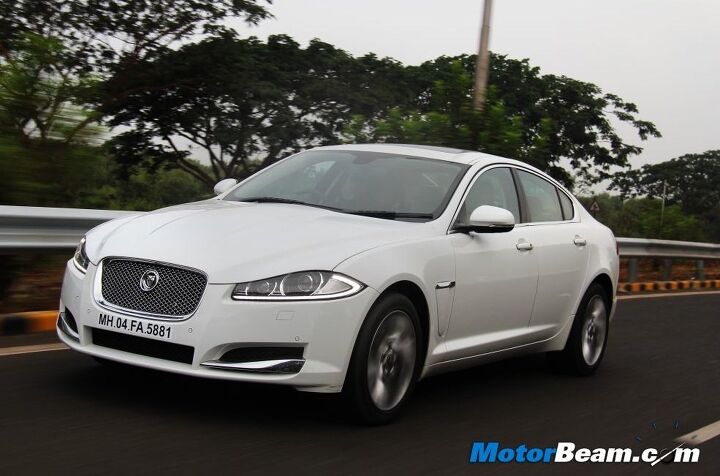
Although Jaguar Land Rover has made tentative forays into building cars in India (such as building the Jaguar XF from CKD kits), the British luxury group, now owned by Tata, is apparently on the cusp of establishing full production in India.

How The Indian Government Screws Its Automobile Industry
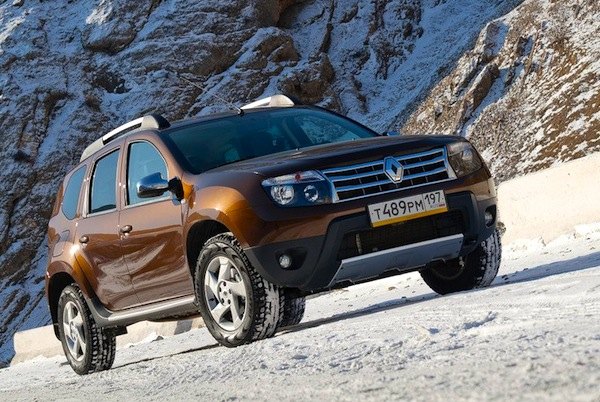
The whole world is betting big on India and China. I don’t have much idea about China, but India definitely needs to move its game if it wants to become a biggie in the automobile sector. Scams, scams and some more scams is what India is becoming more famous for, resulting in a huge deficit for the government. This in turn results in hue and cry by the ministers, resulting in increased taxation.
Honda Took The Wrong D-D-D-Direction With The CR-V In India

The Honda CR-V might be a major success in Europe and America, but in India, it performs very poorly, selling in double digit numbers every month. Since the time of launch, Honda has sold 13,739 units of the CR-V in India. Honda launched the CR-V here ten years ago in 2003, and it still isn’t in the groove. India is d-d-d-diesel dominated, and SUVs and crossovers better be diesel or they are d-d-d-destined for d-d-doom. BMW recently launched its facelifted X1 in India, offering it with a diesel engine only. Yes, heresy, d-d-dat’s right.
Suzuki Esteem Turned Into Veyron Replica

The Bugatti Veyron is one of the fastest cars in the world and definitely the rarest car in India. The very few (single digit) Veyrons that have been sold in India make it a sighting as probable as Elvis. Now an Indian car designer (SF Carz) has taken a Maruti Suzuki Esteem (second generation Swift) and turned it into a Veyron. The result hasn’t turned out too bad. Although the smaller dimensions of the Esteem are immediately visible, the effort is certainly a good one.
Fiat Plans Big For India
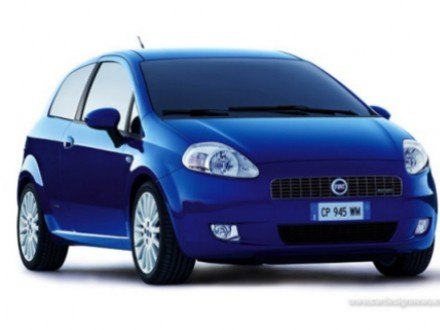
Fiat is one of the oldest car manufacturers in India, having enteredat a time when there was no GM, Volkswagen, Nissan, Renault, Toyota, Honda, Hyundai in the country. Today, Fiat is the second last in terms of market share, selling just less than a thousand units on a monthly average. The company below Fiat in terms of market share is Mitsubishi, which only sells SUVs in the Indian market. So how did Fiat manage to perform so poorly? Poor customer service, bad marketing and lack of new products has lead to Fiat’s slow demise in the Indian market. No more, says Fiat.
66 Years After The Raj, Jaguar Builds In India

If there’s a better symbol of how much the world has changed since the fall of the British Empire than an Indian-made Jaguar, built by Tata, then I haven’t seen it.
Indian Court Issues Arrest Warrant Against Porsche Board
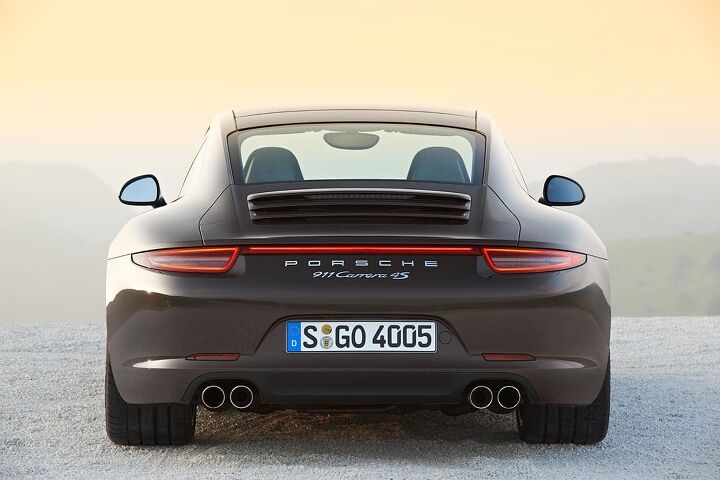
Yes, the Jaipur court has issued arrest warrants against the Porsche CEO and eight board members for cheating. Porsche entered India a few years ago, appointing Precision Cars as their official importer. The local company made investments in 7 dealerships over the course of time and suddenly Volkswagen appointed itself as the new importer, thereby abruptly ending Precision Cars’ contract. According to media reports, likely sourced from lawyers, the German car maker did not give any prior notice and neither parties were able to come to a conclusion since April 2012. Precision Cars says it got in touch with Porsche several times but received no response from them. Precision Cars wants to see Porsche managers in handcuffs and a cell.
Renault Duster Becomes Indian Car Of The Year
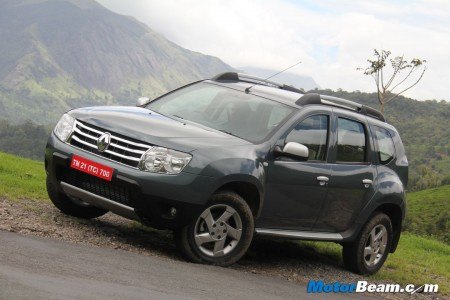
We had posted earlier about how the Duster was setting sales charts on fire for Renault. Now, the Duster’s commercial success has been matched with critical acclaim, as it has taken home the coveted Indian Car of the Year award.
Ford Takes It Slow In India
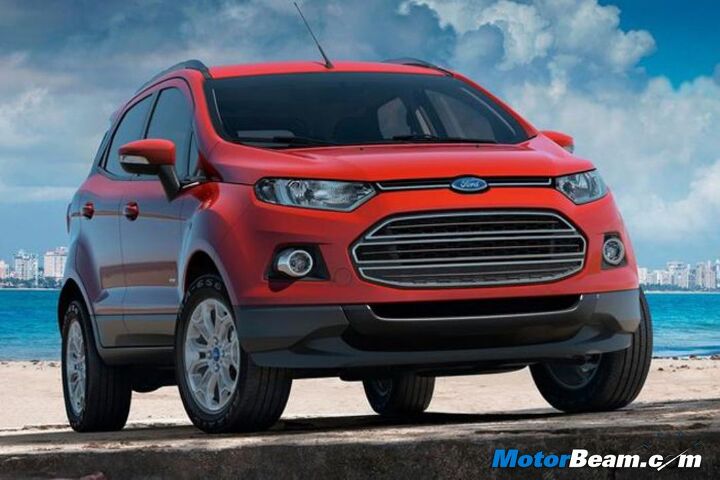
While Ford has launched quite a few vehicles globally in 2012, the American automaker hasn’t launched a single new product in India this year. After the success of the Figo (a hatchback developed especially for India and now being exported to emerging markets), Ford announced its plans to launch 8 new products by 2015 in the sub-continent. The company promptly launched the first product, the new Ford Fiesta. It performed quite badly due to the high pricing. At the Auto Expo earlier this year, Ford created a huge wave among prospective buyers by unveiling the second generation EcoSport.
Renault-Nissan Working On Really Low Cost Car

Last week, when talking about Volkswagen’s future $10,00o low-cost car, we said that “is rumored to work on something that costs about half.” Guess it is no longer a rumor. Reuters writes that Gerard Detourbet , the man behind Renault’s Logan program, is in Chennai, India, to work on a real budget car, costing about half of Volkswagen’s targeted price. India is the battlefield for low-cost cars. And that’s not because of Tata’s Nano.

Land Rovers, Made in Saudi Arabia

In a “build them where you sell them” move, Saudi Arabia’s commerce ministry says it has signed a $1.2 billion deal with Jaguar Land Rover to build a 50,000 unit Land Rover factory in the country. JLR still plays hard to get and said that “this is purely exploratory” when contacted by Reuters.
SAIC/GM Take First Steps Towards A Worldwide Partnership

In its darkest hour, GM handed China-partner SAIC half of GM’s India business in return for some cash. Recently, GM injected cash (which it has again) into the joint venture, which resulted in GM owning 91 percent of the India business, and SAIC nine. That was widely lauded as GM regaining its independence. Some even said GM and SAIC don’t get along anymore. The opposite is true: GM and SAIC are expected to march hand in hand all over Southeast Asia. SAIC’s influence on GM is spreading.
Skoda Naming Strategy In India Confusing

Skoda is one of the oldest European car manufacturers in India, having launched its first product, the first generation Octavia, way back in 2001. Volkswagen, which owns Skoda, only entered India in 2007. Skoda launched the second generation Octavia globally in 2004. However, the Czech company did not want to discontinue the old Octavia in the Indian market. Thus the second generation Octavia was re-badged as the Laura, while the first gen model continued to sell, till there were no takers in 2010. It is getting worse.
Aston Martin Leads To Surprising Find: Agricultural Important Part Of Sports Car Maker DNA

Mahindra Tractor in Ferrari livery
Mumbai tractor moguls Mahindra & Mahindra hope to emerge as owners of Aston Martin by the end of the week, but Italy’s InvestIndustrial shares the same aspirations, reports Reuters from the sidelines of the bidding war for the British sports car maker. While the world waits for the hammer to come down, scientists make a perplexing discovery.
New Range Rover Arrives In India Soon
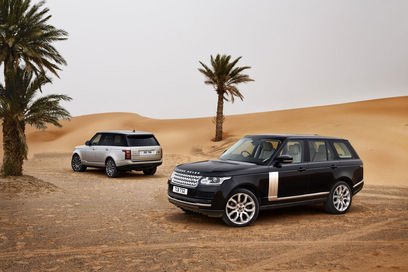
Less than two months ago, Land Rover unveiled the new Range Rover in India. It is set to go on sale in other key markets later this year / early next year. Due to its pricing, the Range Rover barely sells in India. The vehicle is brought in as a completely built unit from the UK. CBU models are taxed at a hefty 110% plus, which results in the price of the vehicle becoming more than double. Thus the new Range Rover range is expected to start at a price of Rs. 1.5 crore ($ 270,562). For the record, the Audi Q7 costs half as much. The Q7 is brought in as a CKD, resulting in much lower duties.
Renault's Quest For The 3,000 Car
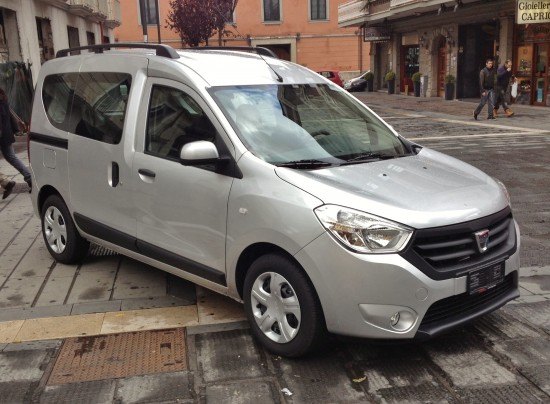
Brio Amaze Is Honda's Most Important India Model
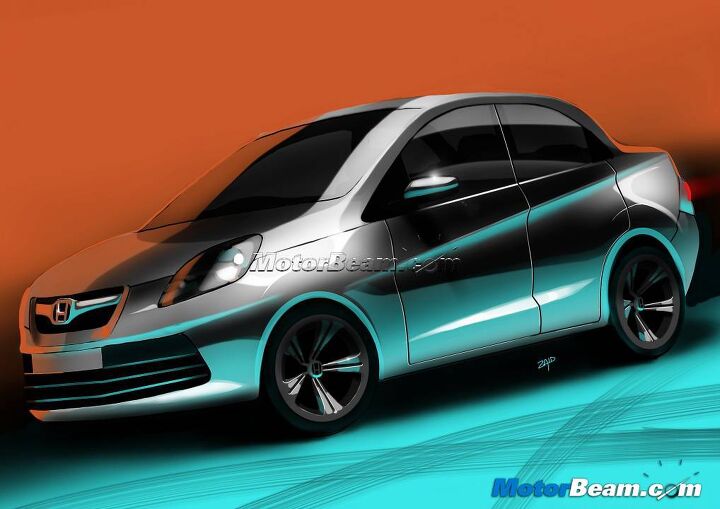
While the Civic, CR-V and Accord rule the roost in developed places like Europe and North America, the situation is quite different in emerging markets like India. Sales of these vehicles is so low that Honda has indefinitely put on hold the launch of their next generation models. Instead, Honda has chosen to concentrate on entry-level hatchbacks and sedans. The Brio was one such product which was developed for emerging markets (like India, Thailand, etc) and the Brio Amaze is the sedan version of the Brio hatchback.
While Big Deal With GM Fizzles, PSA Plays Footsie With Tata

Ah, those French! With their alliance with GM on les rocks, PSA is casting about for a new partner, just in case “the co-operation with GM and Opel should fail,” writes Germany’s Manager Magazin. PSA and Tata already had first talks, the usually well connected German business magazine says.
Hyundai Brass Hungry For Quality, Rank-And-File Seek Quantity
In a world obsessed with quantity, volume, economies of scale, speed, expedience and all that comes with it, wouldn’t it be nice if someone wanted to ease up a little and make sure things work?
Tata Motors Working On Global Products
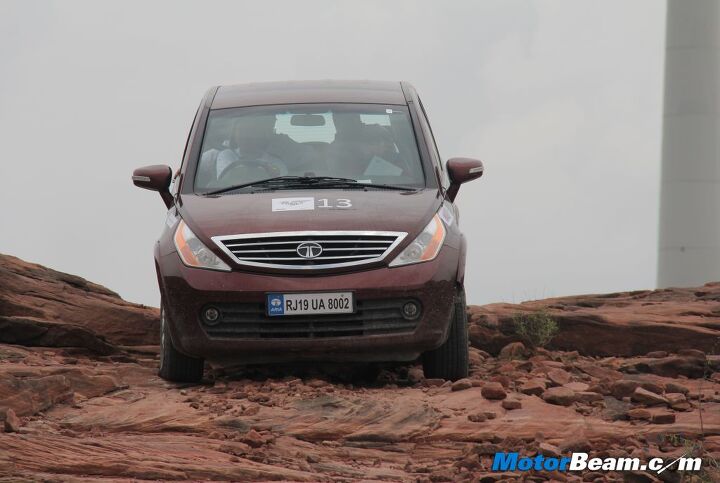
Tata Motors is one of the biggest and oldest vehicle manufacturers in India. The company has been building trucks and buses for a long time now. The first passenger vehicle from Tata Motors came in the 1990s and there has been no turning back since then. Tata Motors sells many vehicles in Europe, Asia and Africa, including the Indica Vista, Indigo Manza, Safari and Aria (pictured above). However, these products haven’t shaken the market so far.
VW, Skoda Working On Compact Sedans For India

The Volkswagen Up! and Skoda Citigo are compact cars with a huge potential for emerging markets like India. As much as Indians love small cars, they are big fans of sedans too. Thus everyone wants to upgrade to a sedan as soon as possible. However, big sedans are priced quite high since they attract additional excise duty. In India, a car which is less than 4-meters in length and has a gasoline engine less than 1.2-litre capacity or diesel engine less than 1.5-litre capacity, is classified as a small car.
Chinese Invade India, GM-SAIC Launch Sail

Chinese products have dominated almost every industry – except of course the automobile industry. But this could easily change. Chinese made cars are improving at a rapid pace and could soon challenge more established car makers. The Chinese invasion will soon start in India, with General Motors launching the Sail hatchback. The Sail is the brainchild of GM’s joint venture with SAIC (Shanghai Automotive Industry Corporation), which is by far the largest Chinese car maker, and which also happens to be GM’s joint venture partner for India.
Great News Everyone! Maruti Alto 800 To Start At 244,000 Rupees
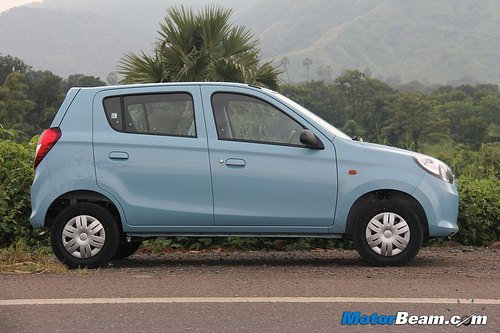
Want something cheaper than the Dacia Sandero? Maruti Suzuki will sell you a brand new car for 244,000 rupees. That’s $4,613.
JLR Approved To Make Cars In China. Or Maybe Not

Being at odds with its number one trading partner Japan at the moment, China shows that it doesn’t have to be the big bully, and that it can make nice with other former enemies if it feels like it. China gave a surprising regulatory nod to a joint venture between Tata-owned Jaguar Land Rover and Chery. If you think they were long married, then you are right. They said yes a while ago. However, in China, a joint venture is not really a joint venture unless the National Development and Reform Commission (and sundry other bureaucracies) have given their nod, and did put their chop on the contract.
Review: New 15-Year Old Daihatsu Terios, Sold In India As Premier RiO
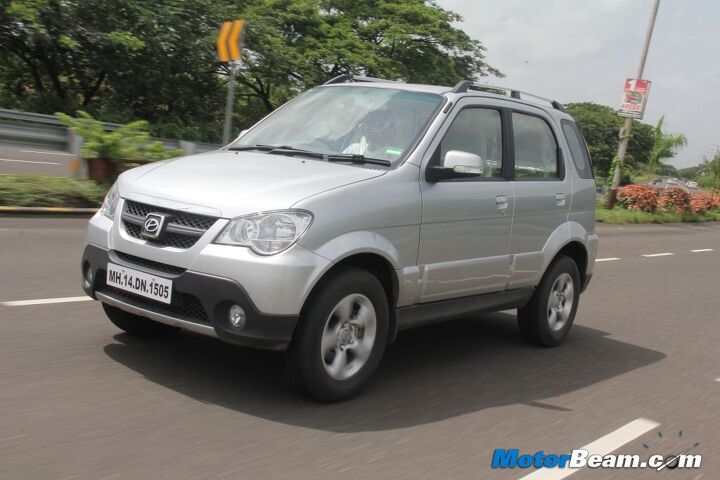
Ever heard about the Daihatsu Terios? It was born in 1997 and it is sold in India as the Premier RiO. No, not the second generation model, but the first generation model is being sold in India. The rights of the first generation Terios were sold to China’s Zoyte in 2006. Premier (one of the oldest automobile companies in India) imports CKD kits from China and assembles the Terios. I had a chance to drive this car. All I can tell you: This 15 year old does show its age. Premier positions the RiO as India’s first compact SUV. I position it as a fail.
GM Brings Chinese Cars To India
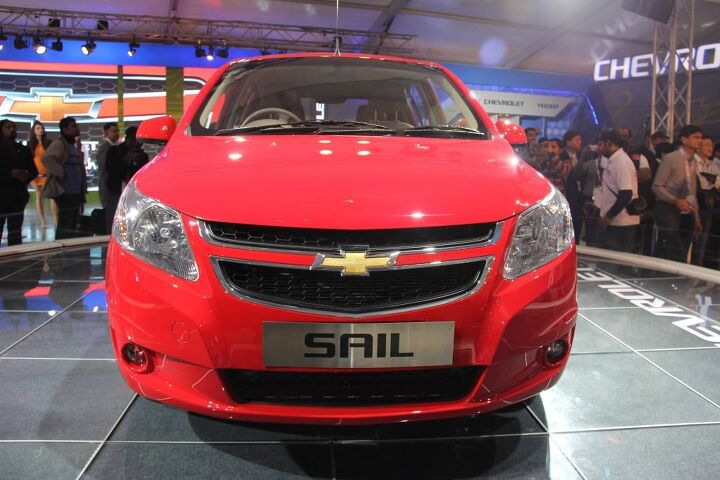
When you want to make and sell cars in India, you don’t need a joint venture partner. Except when you are GM. In the dark days of December 2009, GM cut a deal with Chinese partner SAIC, gave them half of its India business and a golden share in China for much needed cash. SAIC underwrote a $400 million loan when GM was out of money. Now, India is flooded with Chinese cars bearing the Chevrolet badge.
Review: Toyota Etios, Indian Spec, In India
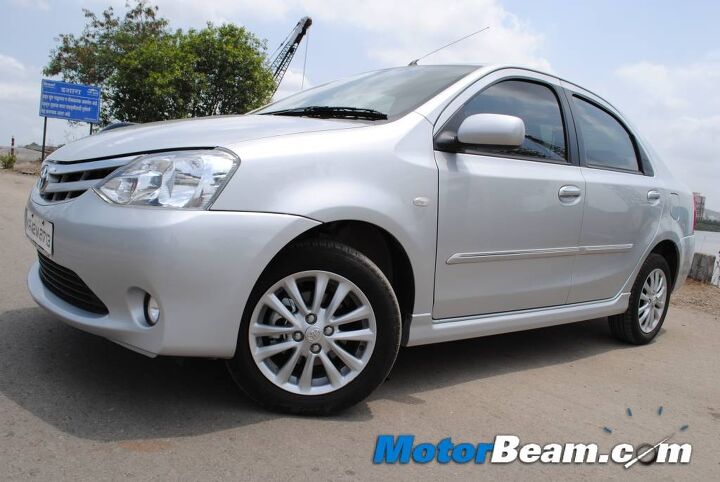
Toyota is well known to develop quality cars but for the very first time, there is an exception. This exception comes in the form of the Toyota Etios, which lacks the quality Toyota is known for. The Etios is positioned as an entry level sedan in India, where it competes with the Maruti Suzuki DZire (Swift sedan), Ford Classic (last generation Fiesta) and Mahindra Verito (Renault Logan). Toyota’s reputation in India is such that people blindly swear by the brand. However, when the company launched the Etios, many people changed their very thinking about the brand.
Honda City Converted Into Bugatti Veyron
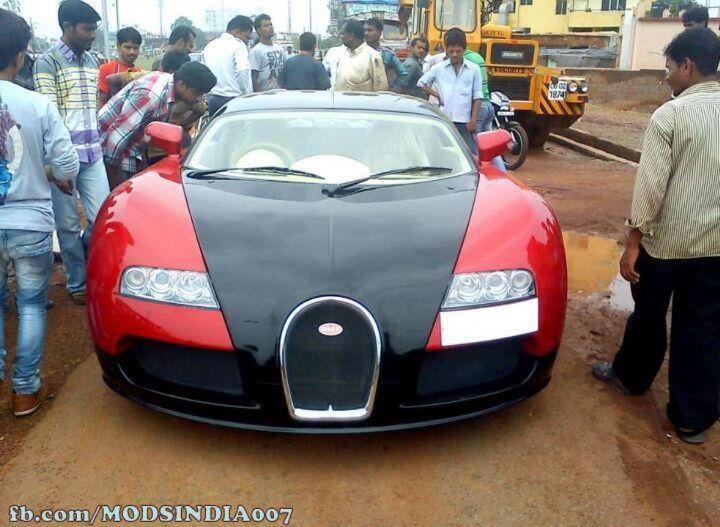
Its massive price tag and limited availability keeps the Bugatti Veyron out of the reach of most. But what if you really wanted to own one yet didn’t want to break the bank? Enter the Bugatti Veyron replica, which costs $40,000 (inclusive of the donor car). This particular vehicle belongs to a rich businessman in New Delhi, India. He uses it as a support car for his Lamborghini Gallardo. The roof can be folded too, which makes it the Grand Sport.
Suzuki To Open Indian Plant With Two Guards For Every Worker

The Nikkei’s good contacts to Suzuki ( CEO Osamu Suzuki occasionally blogs for The Nikkei) did not fail the Tokyo wire. Yesterday it was reported on a rumor basis, today, it is officially confirmed that Maruti Suzuki will restart production at its Manesar factory on August 21, about a month after a mob killed the firm’s human resources manager and burned down parts of the factory. The factory makes the Swift hatchback.
Suzuki Said To Reopen Indian Plant While Rumors Of Leftwing Terrorist Involvement Won't Die

Maruti Suzuki “ will likely resume partial production at its violence-hit factory in Manesar, in the northern state of Haryana, by Aug. 21,” says The Nikkei [sub]. The plant remains closed since a mob killed the firm’s human resources manager and burned down parts of the factory. Fifty management personnel and 9 police officers were injured during the clashes. Mass arrests were made. Maruti Suzuki declared an indefinite lockout at the plant on July 21.
Maoist Terrorists Blamed For Deadly Suzuki Riots

A month after the deadly riots at Suzuki’s Manesar factory in India, Maoist extremists are being blamed for the insurrection. Maruti Suzuki Chairman R.C. Bhargava told The Nikkei [sub] that “left-wing extremists pushed the factory workers to riot.”
Next Generation Range Rover Around The Corner. Get The Details Here
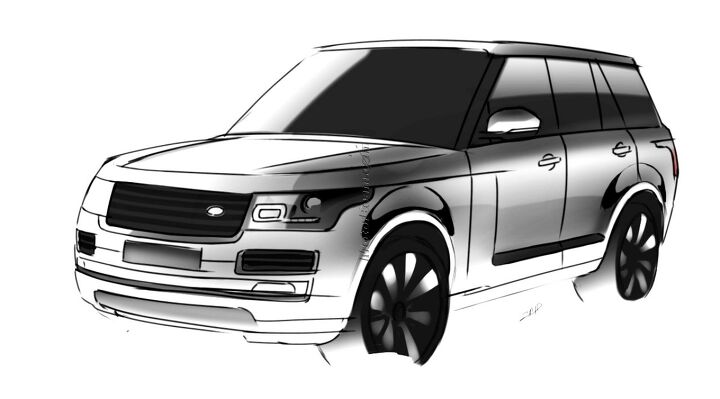
The all new fourth generation Range Rover is around the corner. I have already given you all the (available) details of the new Range Rover along with accurate renderings. Now for the reveal dates. Land Rover will unveil the new Range Rover to the media around the 6th of September. Around the 23rd of August, the company will reveal pictures and more details about the vehicle. These details will be revealed online. The new Range Rover will have its first public outing at the upcoming Paris Motor Show in the last week of September.
Mercedes E-Class Lengthened
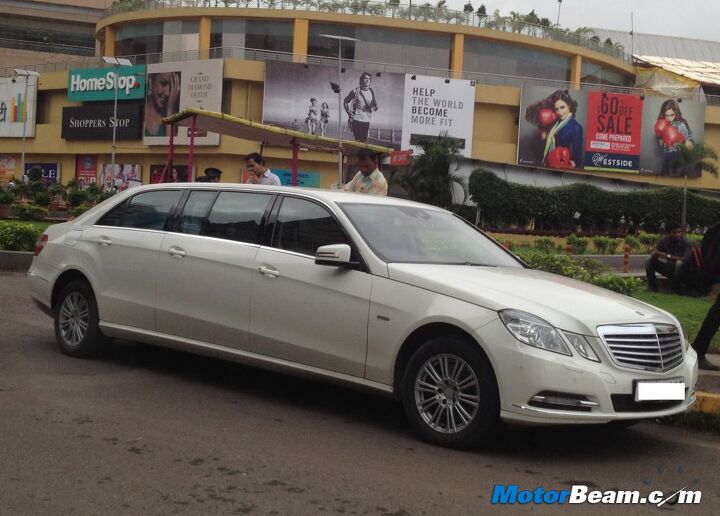
If you have been to India, you will certainly know that big is often considered better. When it comes to cars, the same philosophy holds true. That’s the reason why the Renault Duster took the market by storm when it was launched last month. After China, the Indian car market is said to have the most potential. Naturally car makers are rushing to India, launching all they could to satisfy the growing need of personal transport. But what happens if you want something more than whats on offer?
BMW Goes Super Aggressive In India
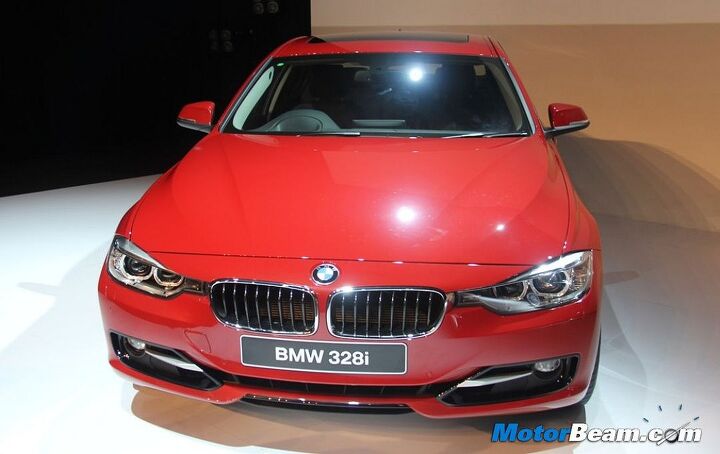
In my last post on TTAC, I wrote about how Mercedes-Benz, Audi and BMW are aggressively fighting for leadership in the luxury car market in India. This segment is just 20,000 units a year, but is expected to reach 1,50,000 units a year by 2020. Audi was breathing down the neck of BMW. However, BMW has bolstered its number one position with the launch of the F30 3-Series. The German automaker launched the new 3-Series in style, bringing in all the six generations of the 3-Series for the launch.
Mercedes Vs Audi Vs BMW In India
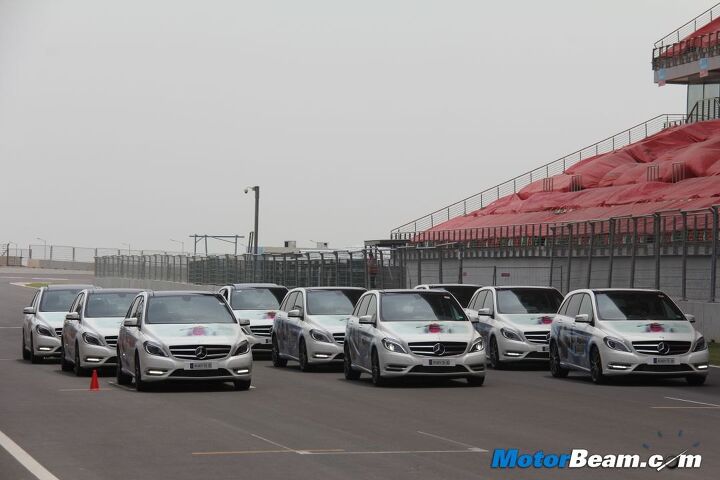
The German trio – Mercedes-Benz, BMW and Audi – is having an intense battle in India. While the luxury car segment is not really big (20,000 units a year) yet in India, the three automakers are trying their level best to claim the number 1 position. India is regarded “the next China” , nobody wants to get caught napping. What this has resulted in, is an onslaught of vehicles. All three automaker don’t reveal segment wise sales, but are quick to claim that their cars outsold the others. That said, the German automakers will soon feel the heat from Volvo and Jaguar, which are slowly but surely building inroads in the segment.
Rundown of Indian Press Coverage of Maruti Suzuki Riot & Lockdown: Talk of Conspiracies and Outside Influences

The major Indian news operations are pretty much flooding the zone in covering the riot and lockdown at Maruti Suzuki’s Manesar plant. Besides whatever labor unrest there was at play in the Manesar factory riot, internal politics within the state of Haryana or competition with Gujurat state may have had something to do with it, with accusations of conspiracies and outside influences. Here is a rundown of the news.

Maruti Suzuki Locks Out Workers At Mobbed Factory

Maruti Suzuki locked out the entire workforce of its Manesar factory until authorities finished their investigation of the deadly riots earlier this week. Suzuki said reopening the plant would risk lives of its employees until the workers guilty of instigating a mob are identified.
Suzuki Riots: Police Wants To Arrest Whole Workforce, Riots Pre-Planned

Police in India is seeking to arrest the entire workforce of 3,000 at the Maruti Suzuki’s Manesar factory after a Wednesday riot left a manager killed, hundreds injured and the factory torched, Reuters says. Maruti Suzuki’s factory is closed. A lengthy shutdown that could cost $15 million a day is expected.
Suzuki Workers Burn Factory, Manager Killed
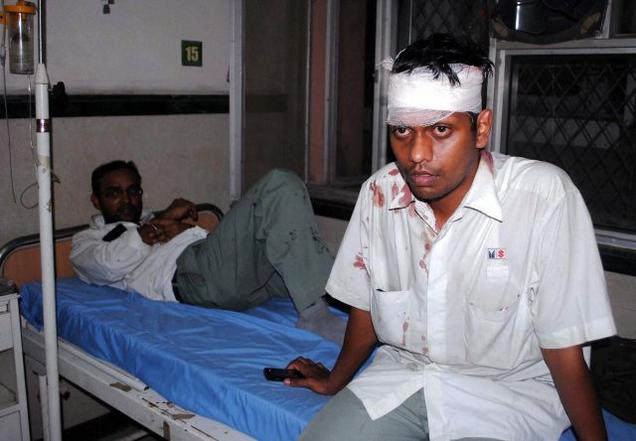
Workers at Maruti Suzuki’s factory in Maneshar, India, ransacked and burned the factory, leaving the personnel director dead and many injured, Reuters reports.
Renault Duster Captures India
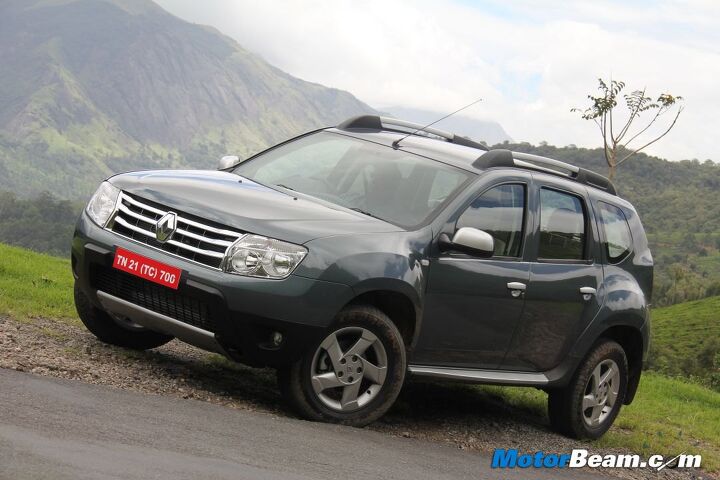
My last post on TTAC was on the Renault Logan, but the vehicle pictured above, also a Romanian derived Dacia, is one that changed Renault’s fortunes in India overnight. After the Logan was licensed to Mahindra, Renault re-started its India innings with the launch of the Fluence and Koleos in 2011. The French automaker launched a re-badged Nissan Micra (called the Pulse) earlier this year. Renault’s monthly sales after the launch of these three cars revolved around 400 odd units, which equates to an yearly figure of around 5000 units. This gives them a 0.24% market share in India and places them in 13th position.
How Renault Logan Became Mahindra Verito
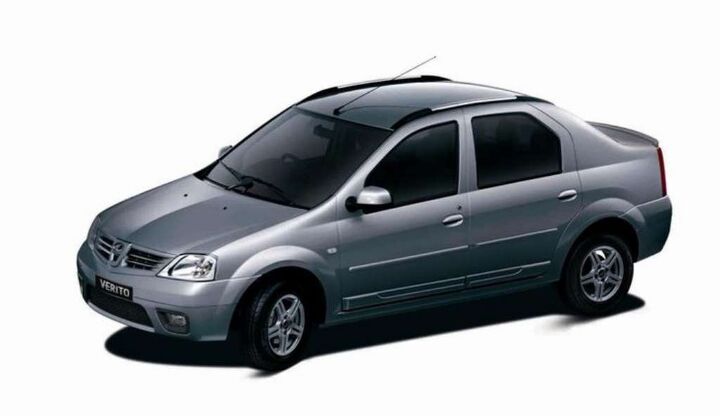
The Dacia Logan is a very famous car. It is one of the cheapest 3-box cars in the world and was developed after Renault bought Dacia. The Logan is an inexpensive no frills car and was made for developing markets, one of them being India. Renault started its India journey with the Logan. However the company had to tie up with Mahindra to reduce costs. The Renault brand was not famous in the country and the price was not as cheap. Tata Motors’ Indigo was available at a cheaper price. The Logan bombed and sales were very low.
India's Only Own Supercar, The DC Avanti
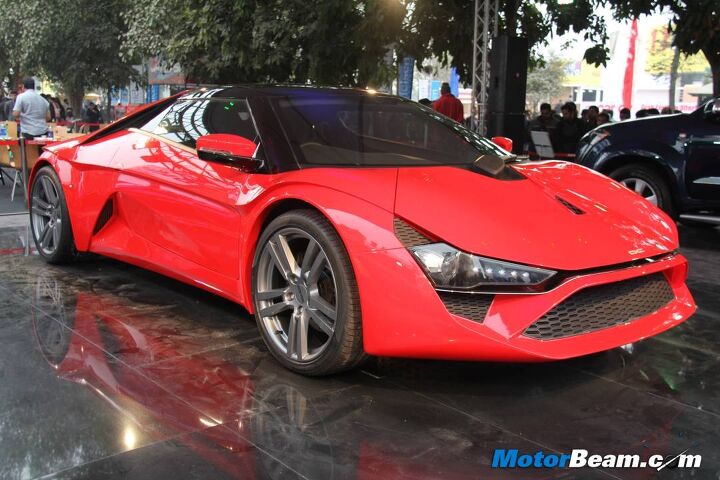
Remember DC Designs? It is the same company which made the 3-door Evoque-alike. DC Designs has also developed its own supercar, India’s first and only home-made supercar. Known as the Avanti, the vehicle looks fabulous at the front, just about average at the sides and terrible at the rear. The interiors feature bucket seats, the quality seems to be below average.
Sell It To The Indians: A Polo At Four Times The Price
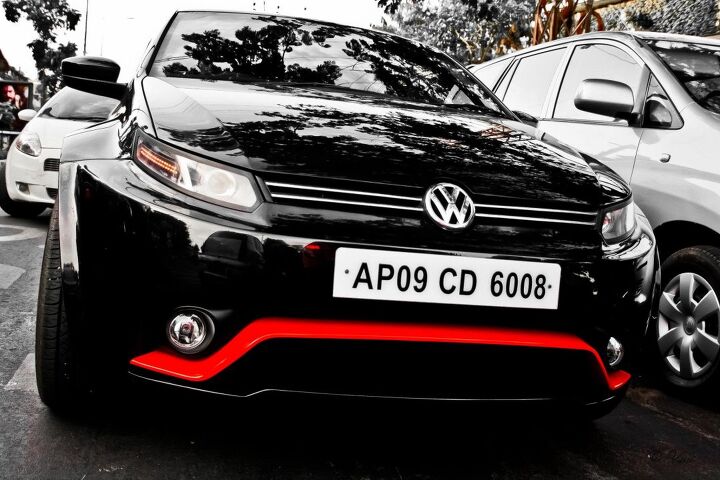
Volkswagen Polo is the German automakers entry level offering in India. It is offered in three engines – 1.2-liter diesel 75 BHP, 1.2-liter gasoline – 75 BHP and 1.6-liter gasoline – 105 BHP. It is by no means a hot hatch, but is positioned as a premium hatchback in India. DC Designs is one of the leading after market car designers in India. He has done various projects, including one-off specials for movies. Recently, he worked on the Volkswagen Polo for a client, transforming the vehicle from a 5-door hatchback to a 3-door crossover.
Mahindra XUV500 Receives 4-Star ANCAP Rating
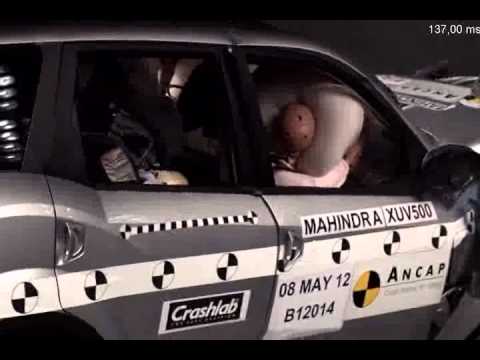
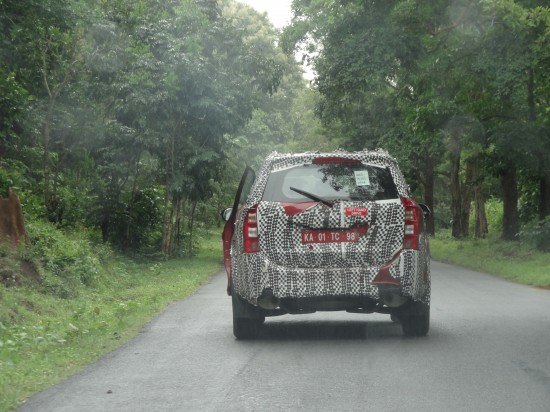
The Mahindra XUV500 is one of the most hotly spoken about Indian cars after the Tata Nano. Built as a global SUV, the left hand drive version of the XUV500 was recently spotted by me in India, undergoing routine tests. Mahindra plans to launch the XUV500 in Europe (Spain will be the first country to receive it) next year, South Africa and the U.S.A are going to get the XUV by 2014. However it is Australia which will see the XUV500 go on sale next month.
India's Least Selling Car – Toyota Prius
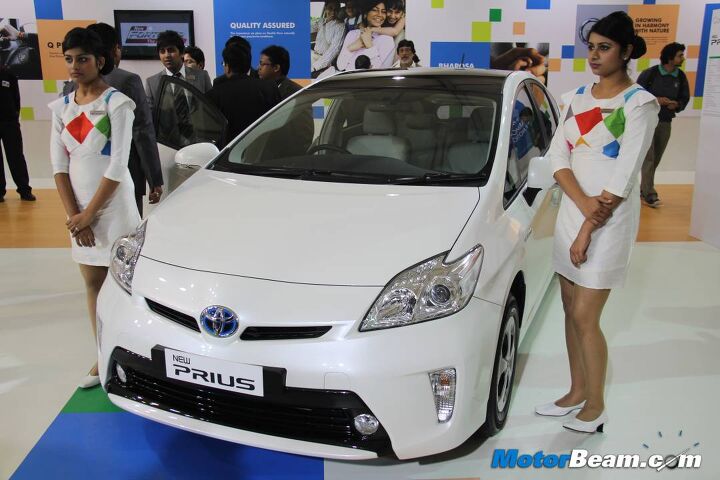
Just recently we wrote a post on India’s highest selling car, which is the Maruti Suzuki Alto. Now its time to look at the other end of the scale. Which is India’s lowest selling car? The answer is quite shocking. India’s least selling car is indeed a global success, the Toyota Prius. The Maruti Suzuki Alto sells 99,000 times what the Prius sells. But how did the Prius become such a massive failure, in one of the largest car markets in the world?
Mahindra XUV500 Spied By Our Man In India
India's Best-Selling Car – Maruti Suzuki Alto
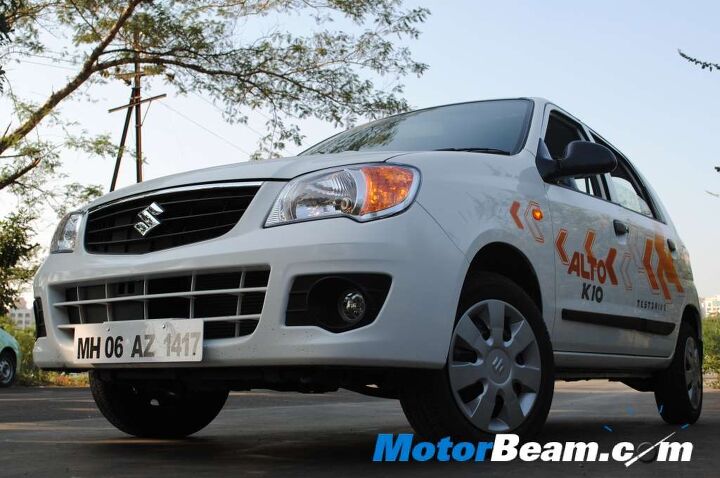
India is touted to become one of the biggest car markets in the world by the end of this decade. However, there is a lot of uncertainty in the Indian automobile market. Fuel prices fluctuate (usually northwards) abruptly, while the Government tries to cover its mis-governance by increasing taxes on cars when its least expected. But which is the car that Indians are buying the most? It is the Maruti Suzuki Alto!
Ta-ta! Announcing The Range Rover Evoque You Might Be Able To Buy Three Years From Now

Tata Motors-owned Jaguar Land Rover is working on a bigger version of the Range Rover Evoque, which is set to debut after 2015, if my sources in India are correctly informed, and they swear they are. This bigger Evoque has been codenamed L560. The renderings were made at the time I received this information. However, these renderings can hardly be accurate as the styling of this bigger Evoque hasn’t been frozen yet and the company is still working on the design. However, my source says the drawings are mighty close.
Lamborghini Gets Serious About India
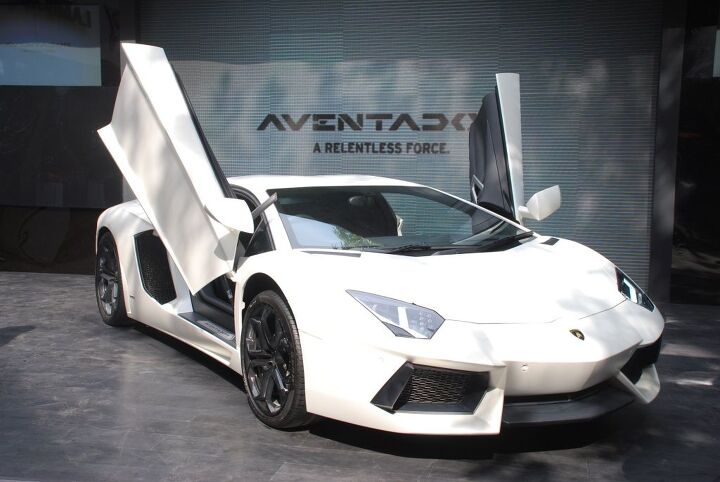
Lamborghini has become very bullish about the Indian market. The Italian automaker launched its second showroom in the country last week and also set up a national sales agency.
A Look At The Mahindra XUV5OO

Mahindra & Mahindra dates back to 1945, when they started to produce the Willys Jeep in India under license. Soon after that, they started developing light commercial vehicles and utility vehicles. In 2002, Mahindra launched the Scorpio, which was also introduced in Europe as the Mahindra Goa a few years later. Last year, the XUV5OO (pronounced five double Oh) was launched. Mahindra had to stop accepting bookings (which were opened in just 5 cities across India) after just 10 days of launch. They received 35,000 test drive requests in the same time. The second phase of bookings saw more than 25,000 applicants, which were put through a draw! Bookings have been closed since then and you can’t buy the XUV5OO even if you have the money. So what is the Mahindra XUV5OO all about?
Short Cars With A Rump, And Why India Is Nuts About Them

According to lore, Americans dig big cars, Europeans love their hatchbacks, Australians love pick-ups. And the Indians? Indians love sedans. The sedan is a status symbol for most in India. It provides a feeling of accomplishment. It also costs more. A sedan does not cost much more to make than its hatchback platform cousin. What makes a sedan more costlier are the taxes we have to pay.
The Indian government wants to promote small cars as they are eco-friendly and consume less fuel. They are easy to park and maneuver. They take less space on the road and help in reducing traffic congestion. If you visit India, you will notice that the infrastructure growth is not keeping pace with the GDP growth. This makes small cars extremely important, and the Government of India is leaving no stone unturned to promote them. But how do they do that?
Audi Designs Special "Extra Loud" Horns For Indian Market
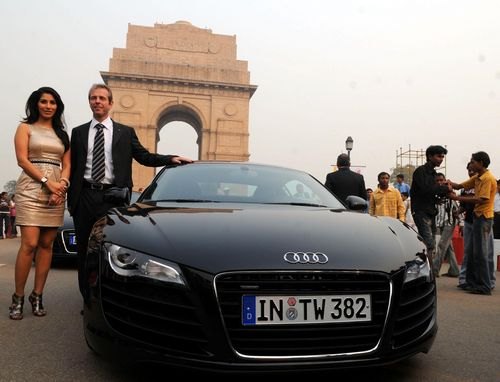
Horns are a fixture of Indian driving. Rather than being used to signal anger like in the United States, horns are used for almost everything on Indian roads – one study found that major intersections in Calcutta have one horn honk every three seconds.
Jaguar Land Rover Coming To China. Honestly Now
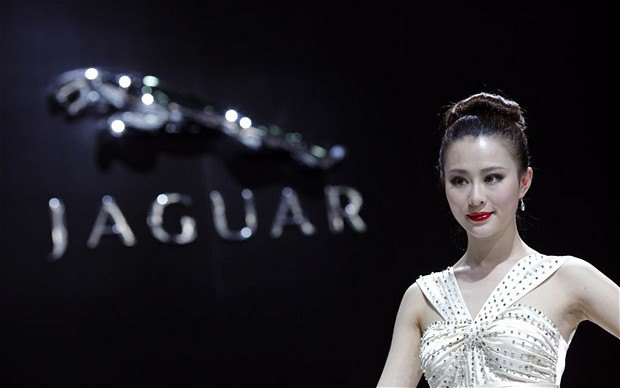
After years and years and years of rumors and premature announcements, Jaguar Land Rover (JLR) has finally, honestly, cross your heart and swear to fry, “finalized a joint venture agreement with Chery Automobile Co to manufacture and sell vehicles in China,” Reuters reports.
India Drowns In Car Factories
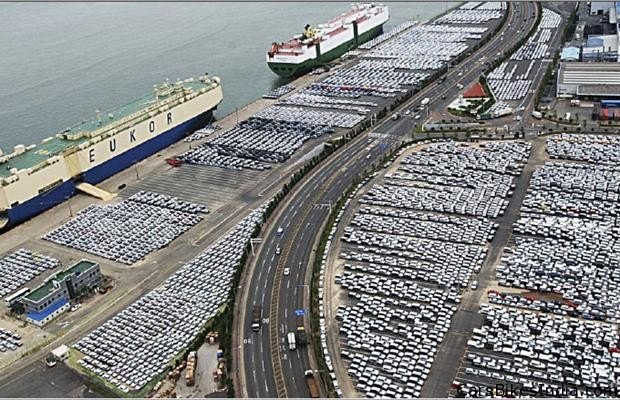
India, often touted as the “next China,” has too much capacity and not enough sales, says a report by Reuters. It is getting worse: India’s carmakers “speed towards a head-on collision with a capacity glut,” the report says.
World's Cheapest Car Not A Good Idea

Launching the “ world’s cheapest car,” the Nano, into one of the world’s fastest growing auto markets, India, looked like a surefire concept back in 2009. Today, it looks stupid. Like many surefire concepts, the Nano turned out to be a dud. Says India’ Economic Times:
“After several years of disappointing sales, it has now become clear that the snubnosed hatchback’s unique selling point — its price — was actually a commercial sticking point.
Weekend Weird Crush: "The Small God For The Big Future"
Maruti Suzuki’s big news at the Delhi Auto Show was the debut of its production compact MPV, the Ertiga. But it wasn’t all staid family-carriers at the Suzuki stand, as the Japanese-Indian automaker also debuted its XA Alpha concept, described in this dramatically-narrated (to put it mildly) video as “The Small God For The Big Future.” Remember the Suzuki Samurai (our global readers will certainly remember the Jimny)? It’s getting ready for its 21st Century makeover…

Suzuki Shows Compact MPV In Delhi, India Rides The Ertiga

MPV times in India. At the same Delhi show where GM demonstrated a good-sized MPV concept, market leader Suzuki showed what they call “India’s first compact Multi Purpose Vehicle” a.k.a. the ERTIGA.
While our friends at Motorbeam.com where snapping pictures, Shinzo Nakanishi, Managing Director and CEO of Maruti Suzuki explained that the MPV will strengthen Suzuki’s position in an increasingly crowded market:
GM Shows First Fruits Of Indian JV With China's SAIC

In GM’s darkest hour, in December 2009, GM and SAIC cut a strange deal: GM ceded control of the 50:50 China joint venture by selling 1 percent to SAIC. GM also transferred half of GM’s India operations to the Chinese company. GM received a $400 million line of credit. SAIC received access to the Indian market, which it had coveted, but the Indians had sworn to keep the Chinese out. Now they rode in on GM’s coattails.
At the New Delhi auto expo, GM India yesterday “unveiled the first two products from its joint venture with SAIC,” while our friends of Motorbeam.com were in attendance to snap pictures.
Ratan Tata Does Damage Control On Brit Criticism, Downplays Nano Quality Issues
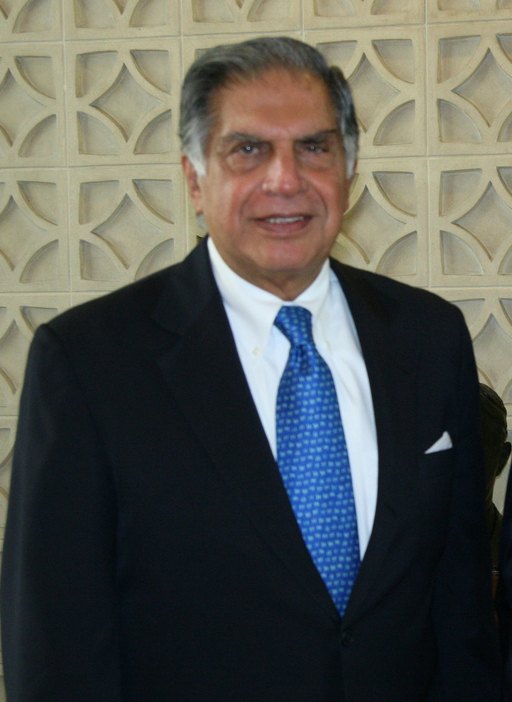
After making rather disparaging remarks about the management culture at Jaguar Land Rover, Tata CEO Ratan Tata is attempting to do some major damage control after he criticized the Brits in a May, 2011 interview with The Times.
Although the article is hidden behind a pay wall, Tata is widely quoted as saying that “…nobody is willing to go the extra mile, nobody.” At the Delhi Auto Show, Tata essentially backtracked on his comments, saying his fairly explicit comments were misunderstood.










Recent Comments