
Tesla Battery Swap Pilot Status Tied To California ZEV Credits

Tesla’s battery swap pilot program in Harris Ranch, Calif. may never leave the pilot phase, thanks to how California handles ZEV credits.

Whistleblower Incentive Legislation Passes US Senate Panel
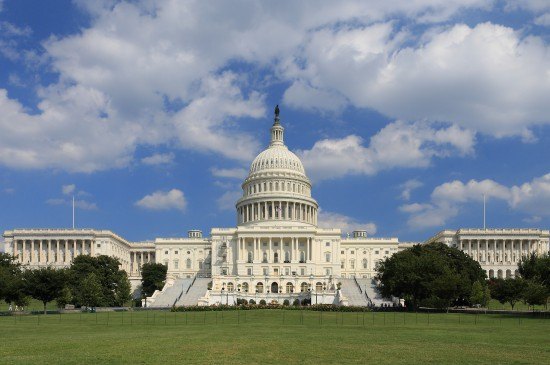
A whistleblower bill that would grant financial incentives to auto industry employees who expose safety defects won backing by a U.S. Senate panel Thursday.
Georgia Bill To Eliminate EV Credits Gains Traction

The bill that would kill EV incentives in Georgia has taken a step closer to being voted upon by the state’s legislature.
T&E: First-Gen Biofuel Use In EU Face 6 Percent Cap By 2020

Much like in the U.S., biofuel is an ongoing concern in the European Union, where those opposed recently gained a victory in restricting its use.
Beshear To Transplants: Kentucky Is Not Tennessee

Unlike his Republican counterparts down south, Kentucky governor Steve Beshear says his state is not like Tennessee as far as attracting transplants go.
Ford Cuts $900 From Fusion Hybrid, Energi Price Tags
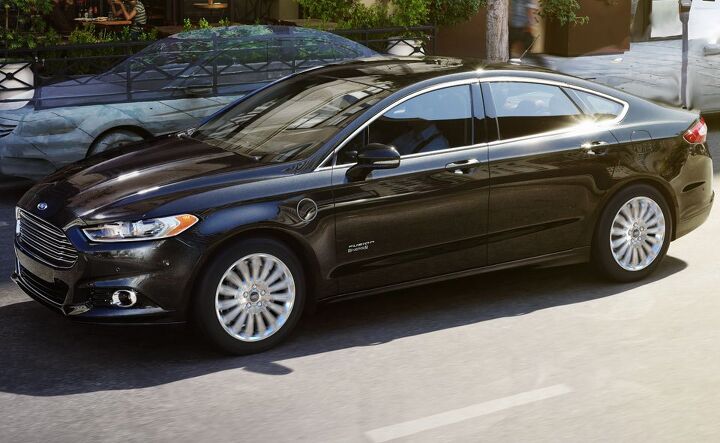
Shopping for a Ford hybrid or PHEV? The 2016 Fusion Hybrid and Energi models won’t be as thirsty for your wallet as before.
WSJ To Tesla: Cast Aside Corporate Welfare To Improve Image
Despite its visions of having a valuation on par with Apple within a decade, Tesla’s subsistence on subsidies may be hard for some to swallow.
Hyundai, South Korean Government Opening Fuel-Cell Innovation Hub
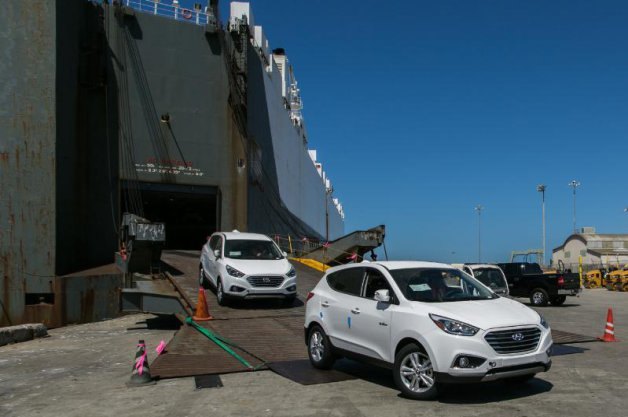
Hyundai Motor and the South Korean government are coming together to open a hydrogen innovation center to help spur a creative economy.
Volkswagen To Invest $10M In EV Charging Infrastructure Through 2016
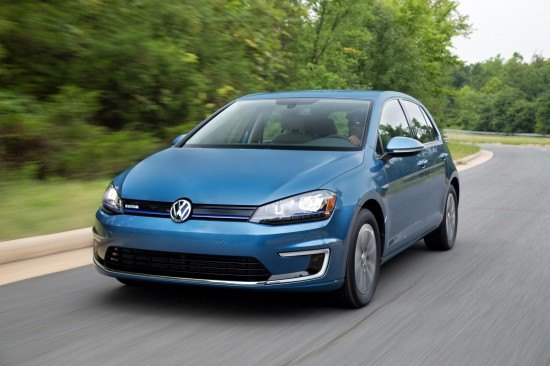
Hoping to encourage federal investment, Volkswagen is putting up $10 million for EV charging stations to be ready by 2016.
Washington State Looking To Encourage EV Adoption Via Legislation

Legislators in the state of Washington have a slate of bills in mind that would encourage more EV adoption in order to help reduce air pollution.
France Encouraging Diesel Drivers To Go Electric Via €10K Incentive
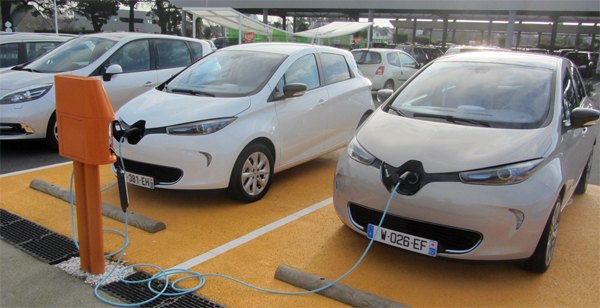
Starting in April, France will encourage diesel drivers to replace their oil burners with electric power through an incentive up to €10,000 ($11,422 USD).
Schmidt: Western Europe EV, PHEV Sales Stalling Through Decade
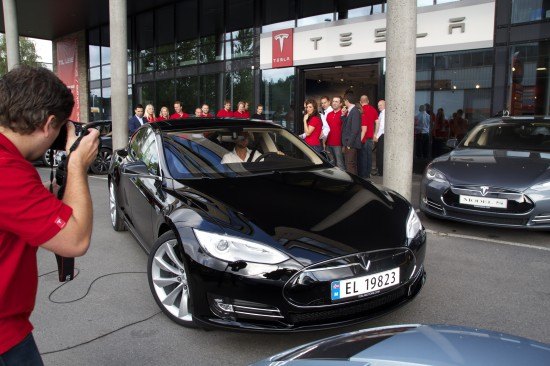
EV and PHEV manufacturers may have fared well in Western Europe last year, but further gains in the market aren’t likely for some time to come.
Study: US Better Off Funding EV Charging Infrastructure Over Tax Incentives

According to a new study, federal funding of EV charging infrastructure would do more to increase EV adoption rates than what tax credits do now.
Federal EV, PHEV Tax Incentive May Increase To $10K

Is the $7,500 federal tax incentive not enough to consider owning a new green machine? If President Obama has his way, that figure could climb to $10,000.
Volvo Considering Three Southern States For New Plant
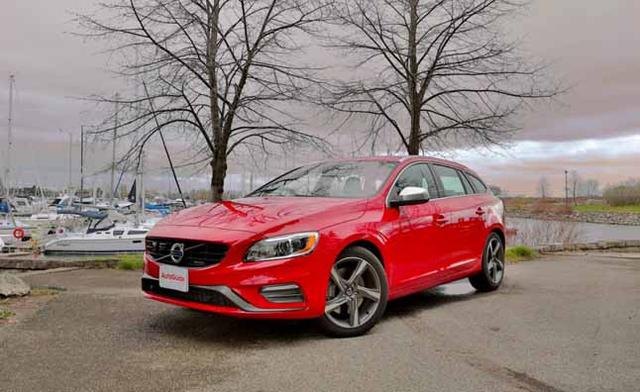
Volvo could soon join BMW, Mercedes-Benz and Kia in the Southeastern United States, as the Sino-Swedish automaker is seeking a home for a new factory.
Thwaite: Save Georgia's EV Incentives From The Guillotine

Plug In America vice president Michael Thwaite is making a call-to-arms to ensure Georgia’s EV incentives do not go quietly into the night.
General Motors Undercuts Competition With Lower Starting Prices
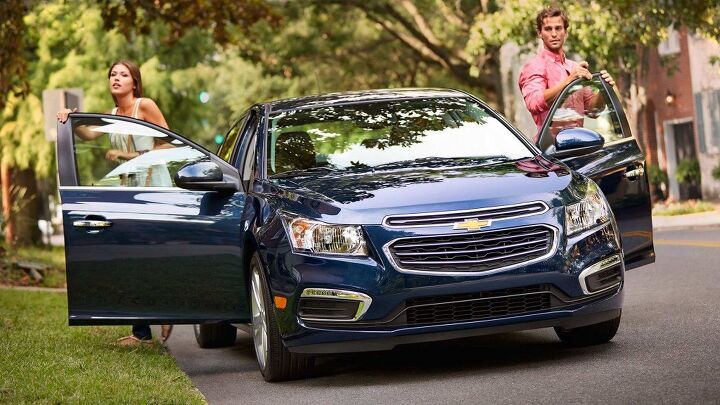
Looking for a new Cruze, LaCrosse or Terrain? You might have a bit more money left thanks to some undercutting by General Motors.
Toyota Marketing Mirai With $8K Hydrogen Credit Despite Expiration

Despite the recent expiration of the $8,000 federal credit for hydrogen vehicles, Toyota is still marketing its Mirai as if it never happened.
Nissan Looking Beyond Federal Credits For Leaf
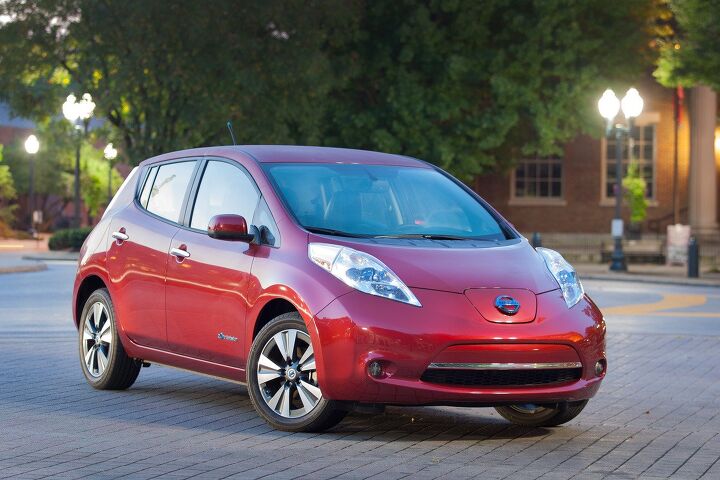
Though Nissan has sold over 77,000 Leafs since 2010, the automaker has plans for when the federal credits end with the 200,000th unit of the popular EV.
Lower Fuel Prices Mean More Savings On Green Vehicle Purchases
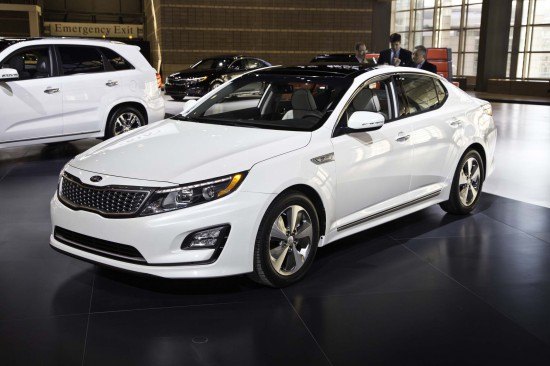
Just like when high fuel prices knocked down the sale price of many a truck and SUV, the current drop in price at the pump is pulling down the prices for many a hybrid, PHEV and EV.
NAIAS 2015: The Return Of The Ford GT

We thought this wouldn’t happen, but here it is: The Ford GT has returned.
Toyota Grants Royalty-Free Use Of Over 5K Hydrogen Patents

113th US Congress Leaves $8K Hydrogen Credit On The Table
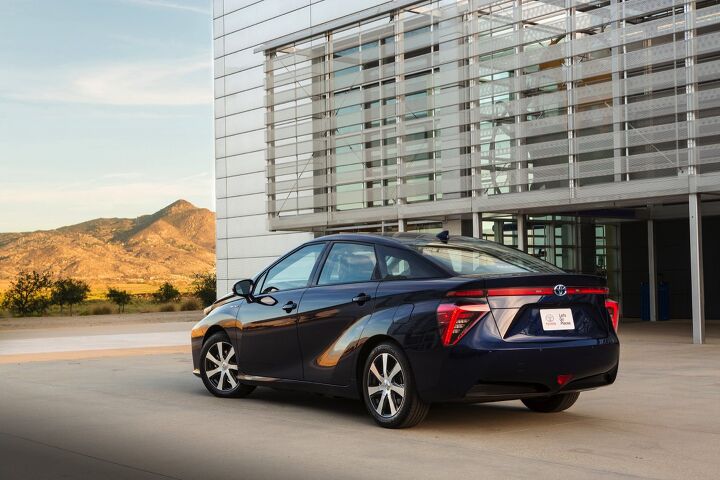
For the few who will be purchasing a Toyota Mirai in 2015, you may be out of luck as far as tax savings are concerned. For now, anyway.
MBUSA Looking South For New Home
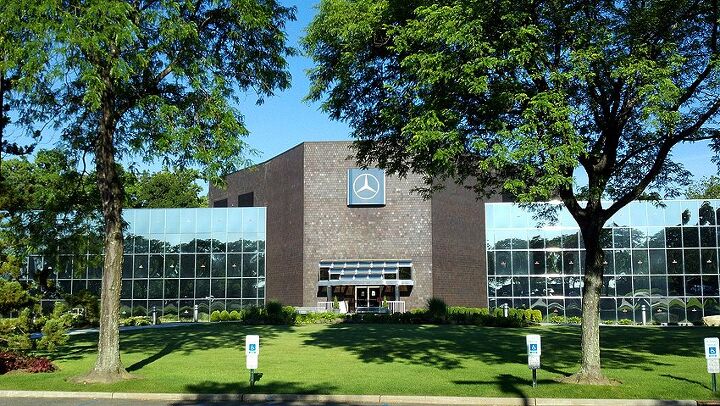
With Cadillac getting its inner hipster on in SoHo, and Subaru trekking four miles west to conduct its American hustle in Camden, N.J., Mercedes-Benz USA is feeling the urge to heed the song of the South and go with the wind.
Two-Tier Wage System Targeted For 2015 UAW Negotiations

2015 is only 15 days away, which means new contract negotiations between the Detroit Three and the United Auto Workers are coming, the main focus being the elimination the two-tier wage system implemented in 2007.
Ford: Market Share Declines Will Continue Near-Term
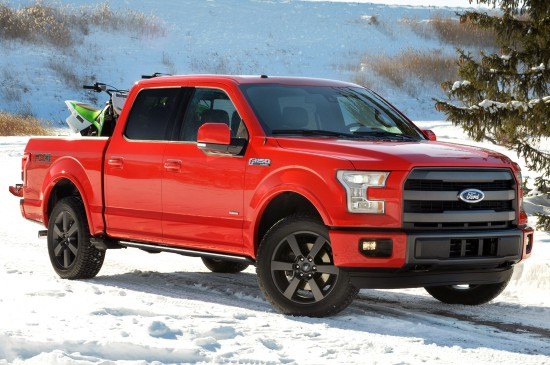
Things are rough for Ford on Truck Mountain, with ground lost for the fourth consecutive month in November in a market-share situation that isn’t about to improve any time soon.
France Begins Divorce Proceedings Against Diesel
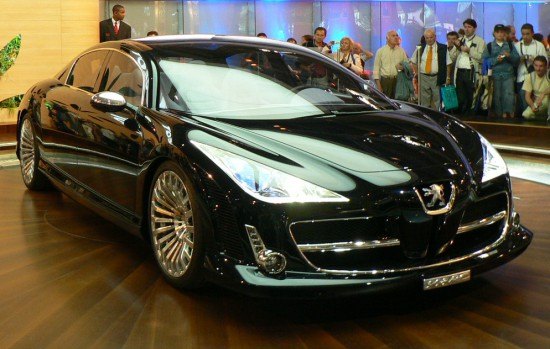
For the longest time, France loved the diesel. Alas, the thrill has gone away.
Toyota's Texas Move Could Reduce US White-Collar Workforce 70 Percent
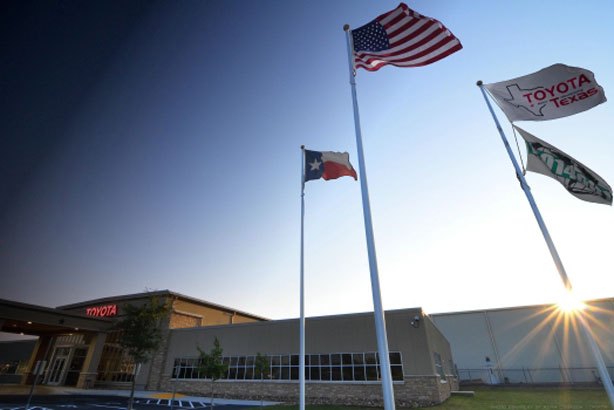
As Toyota prepares to consolidate the majority of its U.S. operations into its new headquarters in Plano, Texas, it may end up retaining as little as 30 percent of its engineering, sales, finance and corporate workforce after the move as uncertainty takes hold.
GM Offers Gift Cards To 700K Affected By Ignition Recall

Just in time for Black Friday or Black Thanksgiving (for those heathens who really want Alex from Target to scan their cheap HDTV, instead of giving him the day off by voting with their wallets), General Motors will be giving their customers a $25 gift card if they bring in their vehicles affected by the February 2014 recall by December 1.
Sovereign Subsidies Fuel Norwegian Tesla Registrations
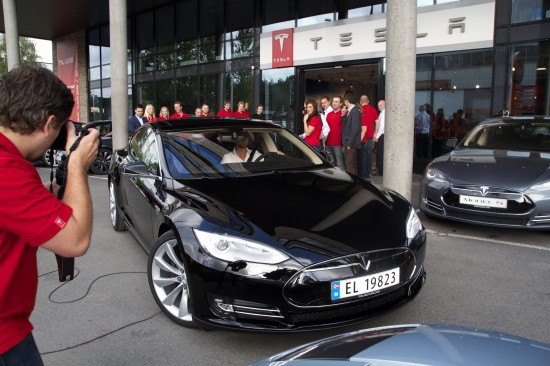
Not too long ago, Tesla set up shop in Norway, looking to gain some market share in the frosty nation of 5 million.
Little did anyone know just how big the share would grow.
Nissan, Tesla Sold Most California ZEV Credits In 2013
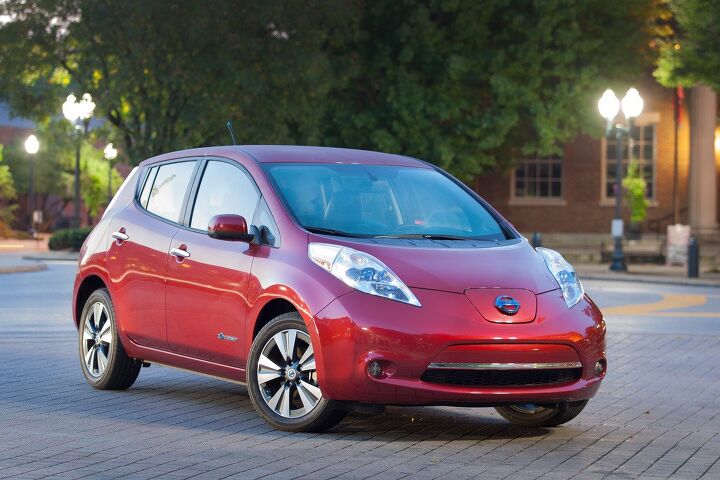
In one corner of the California ZEV credit octagon, the Tesla and its air of luxury. On the other side, the Nissan and its down-to-earth vibe.
Who won this year? Nissan.
Georgia EV Supporters Prepare To Defend State Credit In 2015

EV supporters in Georgia are gearing up to save the state’s tax credit from the chopping block after nearly losing it earlier this year.
Automakers, Utilities Collaborate On Plug-In Cloud Charging Technology

A group of eight automakers are collaborating with 15 utility companies in the United States to give PHEVs and EVs the ability to communicate with the latter party and the grid through cloud computing.
Saudis Accept Lower Barrel Prices In Fight Against US Production

While some OPEC nations are panicking over oil prices not being above $100/barrel, Saudi Arabia says it wouldn’t mind accepting barrels worth $90 or $80 for the next year or two, so long as it slows down production elsewhere.
Sen. Reid Calls Upon Congress To Raise EV Tax Incentives
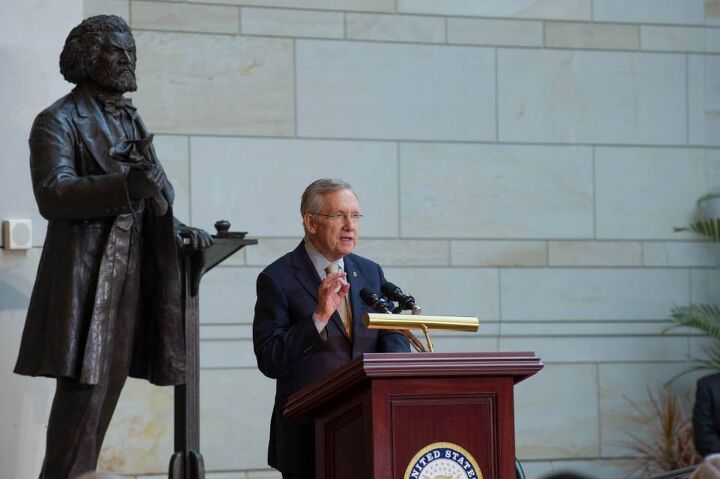
For the past three years, President Barack Obama has called upon Congress to raise tax incentives for electric vehicles from $7,500 to $10,000, with those calls going unanswered.
This year, the top Democrat in the U.S. Senate is taking the charge.
German Government Unveils Bill To Spur ZEV Adoption
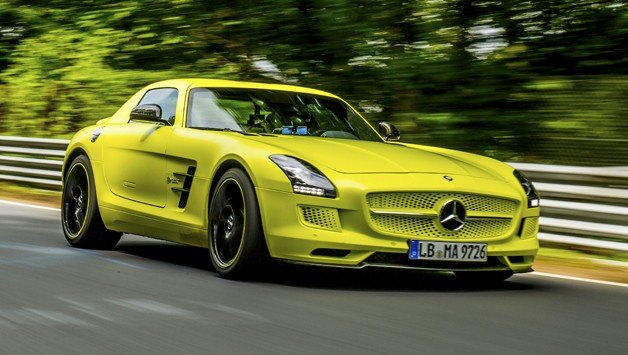
Should you happen to call Germany home and are shopping for a car, the government would like to offer you free parking, tax exemptions for 10 years, and bus-lane privileges if you purchase an EV, FCV or PHEV.
IRS Plug-In Vehicle Credit Cap Data Lacking Accuracy, Detail

In 2008, Congress passed a tax bill that would provide a credit of up to $7,500 for customers who purchase plug-in vehicles as a way to encourage adoption of cleaner vehicles. The credit would last in full for the first 200,000 units an automaker sold, then phased out over the course of 12 months.
The problem? The agency responsible for handling the credit, the Internal Revenue Service, has no clue as to where things stand as far as that cap is concerned, despite every automaker that sells a plug-in model reporting the figures every quarter, as required by law.
Nevada Governor Signs Tesla Tax Package Into Law
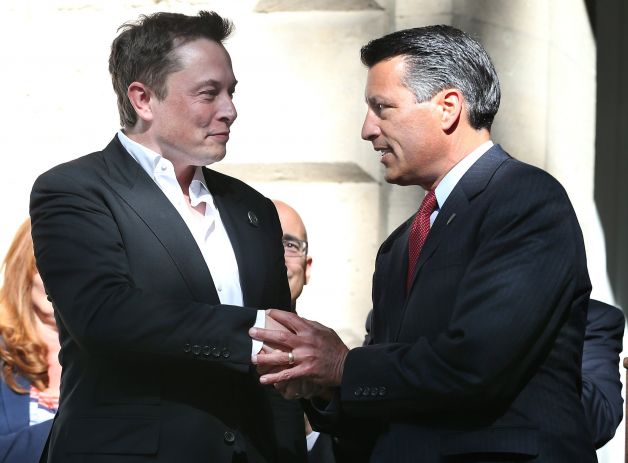
A week after the announcement, and through two days of deliberation by the state legislature, Nevada governor Brian Sandoval signed into law September 11 the $1.25 billion tax package that won over Tesla enough to bring its Gigafactory to the Silver State.
Dongfeng Nissan Launches Leaf-Based Venucia E30

After 3.1 million miles of pilot testing, Dongfeng Nissan last week launched its version of the Leaf for the Chinese EV market, the Venucia e30.
2015 Kia Soul EV Coming To US With $33K Price Tag

Looking for an EV that doesn’t cost Tesla money or resemble a jelly bean? Then Kia might just have what you need with its electrified version of the Soul when it arrives in showrooms later this year.
Nevada Legislature Deliberates Tesla Tax Package In Special Session

Kuniskis: Dealers Must Prove Themselves Worthy Of Selling Hellcat Challenger

Dodge dealers wanting to help their customers destroy wannabes with the 2015 Challenger SRT Hellcat will themselves need to prove their worth to the brand before a single car leaves the carrier.
Volkswagen: Hydrogen Will Struggle Outside of Japan
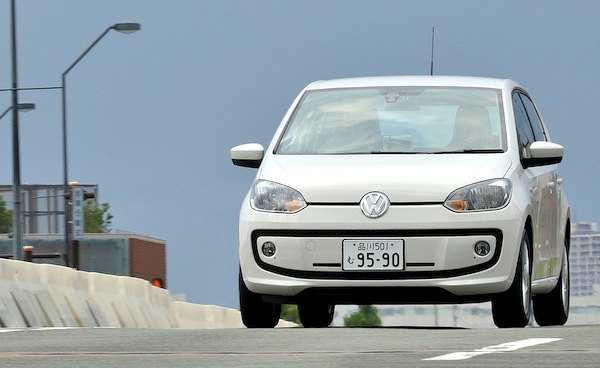
While Toyota and the administration of Japan Prime Minister Shinzo Abe are going all in on hydrogen, Volkswagen Group Japan President Shigeru Shoji proclaims FCVs will struggle to make headway elsewhere.
Sandoval, Musk Announce Tesla Gigafactory To Be Built In Nevada
It’s official: Tesla will build its Gigafactory in Nevada pending legislative approval.
Tesla Gigafactory May Land In Nevada

After months of wondering as to where Tesla’s massive Gigafactory would end up, an answer could come as soon as 4 p.m. Mountain, when Nevada Governor Brian Sandoval and the automaker plan to hold a joint press conference in Carson City.
Russian Government Moves Ahead With Revived Cash For Clunkers Program

A few days ago, we reported the Russian government was considering bringing back its cash for clunkers program to help spur domestic auto sales in the face of Western sanctions. The government as since decided to go forward with the scheme.
California ZEV Democratization Initiative Passes State Assembly

Remember when we reported on an initiative to bring ZEV credits and incentives to low-income residents in California? The initiative is two steps away from becoming law.
Russian Government Considering Revival Of Cash For Clunkers Program

In an effort to combat plunging auto sales, the Russian government is deliberating on a decision to bring back its cash for clunkers program, last seen sending Ladas, Volgas and GAZs to the crusher back in 2010.
Ford, Chevrolet Begin Labor Day Battle Weeks Early

Hold onto your wallets: Ford and Chevrolet are getting the jump on Labor Day sales weeks in advance of what most consider the end of the summer season.
California Bill Aims To Democratize EVs Among Low, Mid-Income Residents

California’s low- and mid-income residents may soon be able to board the EV train with help from a bill now working its way through the state’s legislature.
Japanese Officials Pushing Hard With Subsidies For New Hydrogen Mirai

The 2015 Toyota Mirai may be breaking new ground in the fuel-cell vehicle game beyond merely existing, as subsidies galore are being thrown at potential consumers on all sides, including the possibility of owning the FCV for free.
Bubble Warnings Loom Large Over US Auto Sales Boom

Business is booming on the lot, with the industry on pace to move some 16 million vehicles out onto the highway by the end of 2014. However, some Wall Street insiders are growing bearish with this bull market, blaming easy credit for the surge in demand.
Federal Highway Safety Grants Go Mostly Unclaimed Over Stringent Qualifications

Aside from funding issues with the U.S. Highway Trust Fund, state governments are having a difficult time applying — and receiving — federal grants to make their part of the system safer.
BMW Unveils $6,500 Suitcase-Size EV Charger
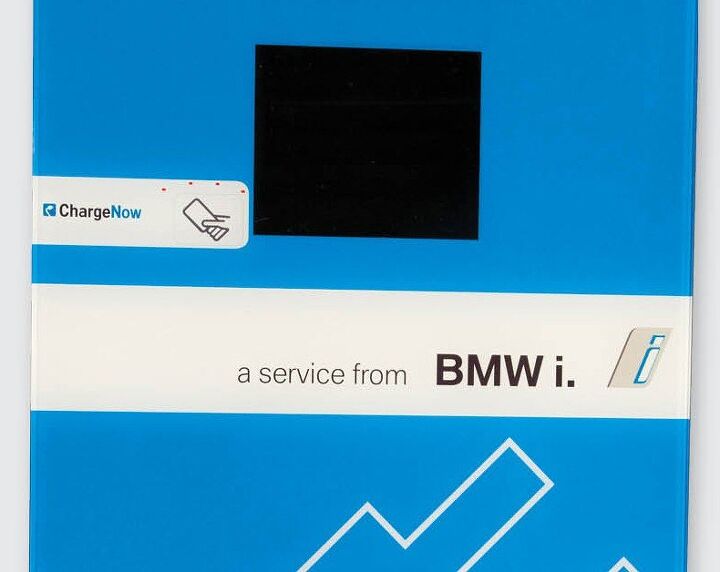
Owners of BMWs i Series vehicles may soon have more places to charge their vehicles, all thanks to the automaker’s new, less-expensive, suitcase-sized charger.
Japanese Government To Push FCVs Via $20k Subsidy

With Toyota ready to make big moves with its 2015 FCV, the Japanese government is ready with their own big move: $20,000 USD in incentives.
Hyundai, Tesla In Spat Over Funding Of Supercharger Network
Hyundai’s head of U.S. product planning Michael O’Brien may have written a check his mouth can’t cash when he claimed Tesla’s Supercharger network was paid with taxpayer dollars.
Kalanick: UberX Could Become Cheaper Than Owning A Car
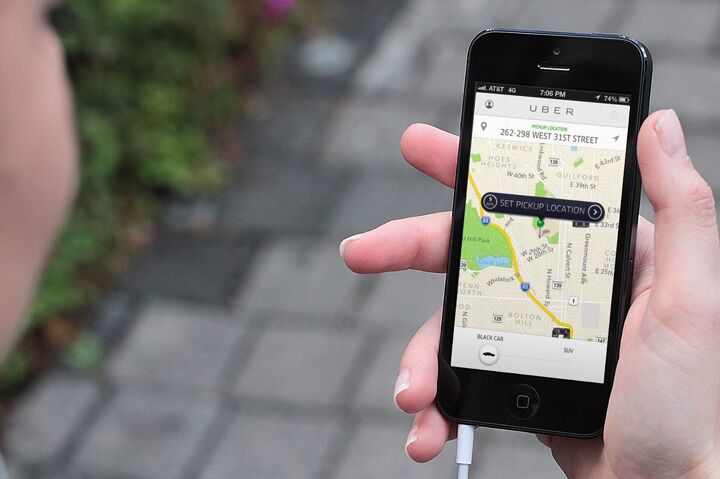
Uber wants to do more than disrupt the traditional taxi service, seeking to bring its pricing low enough to replace your own vehicle, period.
Japan Three, Others Meet With President Over Supplier Aid Pledge
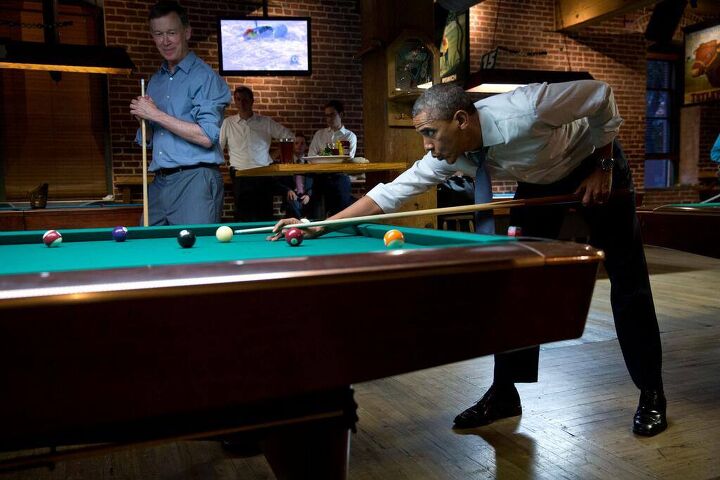
A number of U.S. and multinational corporations met with President Barack Obama Friday to shine a light upon their pledge to pay their suppliers within 15 days as part of an initiative to help small businesses expand and bring on more employees.
Buy-Here, Pay-Here Dealers Face Stiff Competition From New-Car Dealers' Cheap Credit
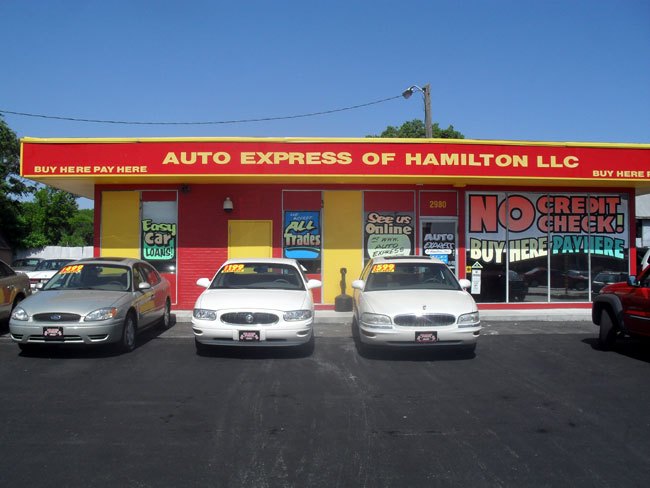
Buy-here, pay-here lots, traditionally the place to find a vehicle with little, bad or no credit, are facing some stiff competition as of late from new-car dealers offering cheap financing.
2015 Acura TLX To Start At $30,995, Arrives In August

After a bit of a delay to sort out a few kinks, the 2015 Acura TLX — the new sedan replacing both the TL and TSX — will finally arrive in August with a base MSRP of $30,995.





Recent Comments