Borrowing Binge: Auto Loan Debt Hits a Record High
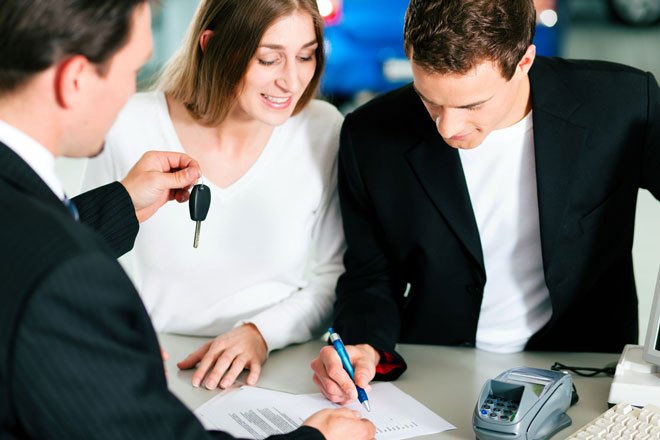
With memories of the 2008 financial meltdown still fresh, American consumers aren’t borrowing wildly anymore — except when it comes to cars and credit card purchases.
As of the end of June, car buyers racked up the highest auto loan debt in U.S. history — $1.1 trillion, according to a quarterly report from the Federal Reserve Bank of New York. Also on the rise? Credit risk.

Tesla Buys Solarcity for $2.6 Billion, Wants to Sell You a Whole New Lifestyle
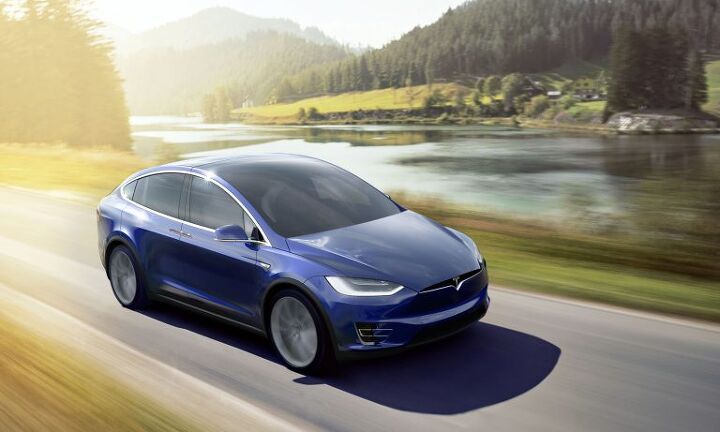
To bastardize an old Dodge slogan, if you’re willing to devote your life to sustainable driving and ditch your electricity provider, you could be Tesla material.
The electric automaker announced a deal with solar company SolarCity today — an all-stock agreement worth $2.6 billion. Acquiring the nation’s largest rooftop solar provider gives Tesla CEO Elon Musk the top-to-bottom green company he always wanted, but it opens the company up to new risks.
Ford Hits a Profit Wall in North America

Ford Motor Company says its profits dropped 9 percent in the second quarter, and warns that leaner times are coming.
Net income, global market share, and earnings per share all fell, but the automaker’s financial news wasn’t all bad. Still, Ford plans to do some cost cutting as the red-hot new vehicle market cools off in North America.
GM Thrilled by Earnings Boost, Despite Stagnant Global Sales

General Motors is busy phoning friends and posting on its Facebook wall after it made record net revenue in the second quarter of 2016 and boosted its net profit by 157 percent.
A net revenue of $42.4 billion is a high point for the company, even though the automaker’s global sales were flat compared to this time last year, with 2.4 million vehicles sold. Is it any wonder GM isn’t concerned about its falling market share?
Samsung (Once Again) Turns to the Automobile Market to Make Money

Bad News for Sergio: Brexit Catapults Fiat Chrysler Off Key Stock List

After Britain referendumed themselves right out of the European Union last week, there was plenty of talk about how the country’s automakers would fare in the wake of the Brexit.
But what about an Italian-American automaker? Today, investment bank Goldman Sachs removed Fiat Chrysler Automobiles from their “conviction” buy list, citing uncertainty over the fate of the EU, Bloomberg reports.
Is Musk Biting Off More Than He Can Chew With SolarCity Proposal?

It was a little terrifying watching the question-and-answer session near the end of Tesla’s livestreamed annual shareholder’s meeting, and it wasn’t just the lady asking about goji berries.
All of the speakers — well, the majority of them — seemed to possess a stratospheric level of admiration for Tesla CEO Elon Musk. Like religious (or political) disciples, the trust they placed in the man’s brilliance and decision-making abilities seemed limitless.
Well, after this week’s announcement that Tesla is offering to buy SolarCity — a solar energy provider co-founded and chaired by Musk — cracks are forming in his circle of supporters, especially in the financial realm.
Volkswagen's Annual Shareholders Meeting Was a Real Cage Match

Let’s hope the cutlery was plastic and the sandwiches didn’t come with toothpicks.
Amid an investigation into the emissions scandal that recently ensnared the company’s ex-CEO and current brand chief, Volkswagen shareholders big and small gathered today to calmly discuss the company’s actions and finances.
By all accounts, the calm didn’t last.
Elon Musk's Company Wants to Buy a Company Founded and Chaired by Elon Musk
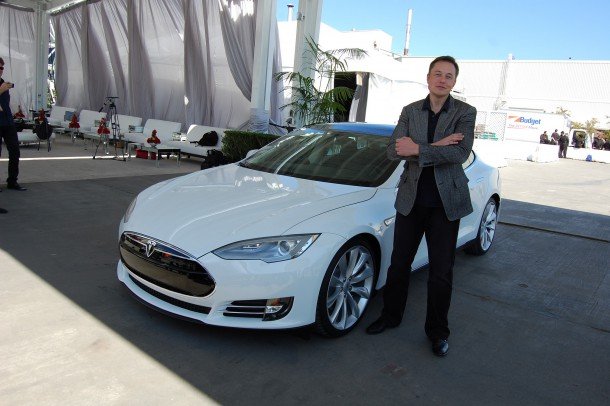
Founded with the intent of finding energy solutions (and profit) in the power of the sun, SolarCity’s photovoltaic energy business has grown in leaps and bounds since 2006. Now, as the company poises itself for bigger profits, a very familiar man wants to acquire the operation.
Tesla Motors published a note on its website yesterday stating its intention to acquire SolarCity. The offer, made by Tesla, would see the electric automaker trade shares with the San Mateo, California-based company, bringing the business into its fold.
Tesla founder and CEO Elon Musk is no stranger to SolarCity’s operation — he co-founded it with cousins Lyndon and Peter Rive (CEO and CTO of Solar City), and serves as the company’s chairman.
Jalopnik On Course to Receive Old Chrysler Money

Famous for being a failed savior, a financial hound of Hades has come to the aid of Gawker Media and its many online publications.
Cerberus Capital Management L.P., the infamous private equity firm that produced headline gold — and not much else — after its ill-fated 2007 purchase of Chrysler, is now offering cash to another bankrupt company. The firm announced it will hand Gawker $22 million to keep the lights on while the media giant completes its bankruptcy proceedings and sell-off.
Volkswagen Brand Profit Sinks 86 Percent; Company Thanks God for All Those Other Brands
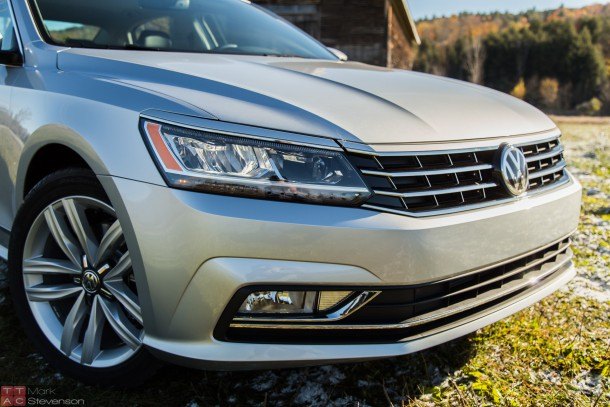
First-quarter earnings just released by Volkswagen Group show a massive hit to the company’s namesake brand, all thanks to fallout from the diesel emissions scandal.
Profit at Volkswagen passenger cars fell 86 percent to 73 million euros ($81 million), down from 514 million euros last year. That plunge leaves the brand with a nano particle-thin operating margin of 0.3 percent.
Still, the scandal isn’t a killing blow for the company. Why? Investment advisers aren’t lying when they say diversity is key to weathering shocks.
Is Salvation Near for Fallen Airbag Giant Takata?

The company behind one of the largest safety recalls in automotive history might have a lifeline thrown its way.
Takata, the manufacturer at the heart of the exploding airbag scandal, is being courted by private equity firms, Bloomberg reports, with at least one high-profile company already in close talks.
Tesla Confirms Model 3 Order Cancellations; Musk Goes Looking for Cash

It’s billed as the affordable electric car of the future, but 12,200 reservations have dropped off the Tesla order list since the company’s Model 3 came on the scene.
The new tally was revealed when Tesla announced plans to raise $1.4 billion through a share offering to boost its financial standing, Bloomberg reports.
Since orders opened, 4,200 duplicate reservations have been erased by the company, and 8,000 customers have backed out of their purchase. That leaves 373,000 reservations on the books, each backed by a $1,000 check.
Nissan to Spend $2.2 Billion for Controlling Stake in Mitsubishi

Yesterday’s vague Japanese media reports proved right this morning, as Nissan Motor Co. announced it will purchase a 34 percent controlling stake in scandal-plagued Mitsubishi Motors.
Taking advantage of Mitsubishi’s reduced market value following the company’s admission of cheating on Japanese fuel economy tests, Nissan’s 237 billion yen ($2.2 billion) bulk buy of shares makes it the automaker’s largest shareholder.
It’s a big win for Nissan, which can take credit for exposing the gas mileage scandal less than a month ago.
Volkswagen Board Totally Cool With Management's Actions, Despite Ongoing Investigation
Investigators are still probing Volkswagen’s actions in the diesel emissions scandal, but the board that oversees the actions of the company’s top brass isn’t too concerned.
The supervisory board, made up of investor and labor interests, just cleared Volkswagen’s management of any breaches of duty in 2015 in preparation for their annual shareholders meeting, Bloomberg reports.
To say 2015 was an eventful year for Volkswagen is akin to saying Neil Armstrong had fun in the late ’60s. It was so eventful, its CEO took a permanent vacation. Many medicine cabinets in Wolfsburg were likely renovated to handle an influx of new prescriptions.
Volkswagen Isn't Selling Any Brands Just Yet, But It's Still Their 'Plan B'
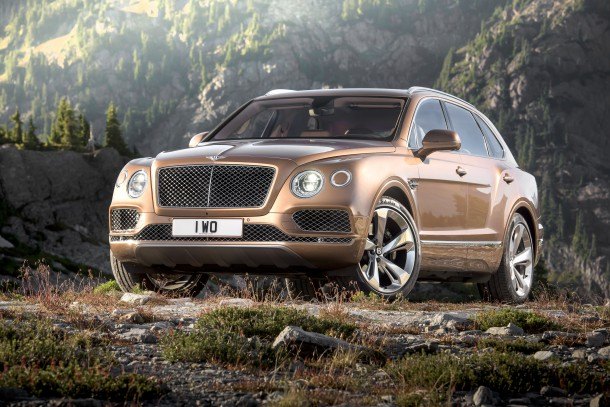
Rival automakers salivating at the thought of snapping up a castoff from Volkswagen’s brand portfolio will have to sit and wait.
Amid grim fourth-quarter financial data and ongoing expenses linked to the diesel emissions scandal, the company is standing by its assets, but admits they might have to jettison some if unexpected expenses crop up.
Some Good News for Volkswagen Owners' Panicky Shareholders

After Volkswagen announced last week that it would cut dividends by 97 percent due to the financial fallout of the diesel emissions scandal, there’s a ray of light for those who have shares in the company’s owner.
Porsche Automobil Holding SE, the investment vehicle of Volkswagen AG’s ultra-wealthy owner family, said it will front the cash to allow shareholders a bigger return, according to Bloomberg.
GM Profits Soar, and Volkswagen is the Anti-GM
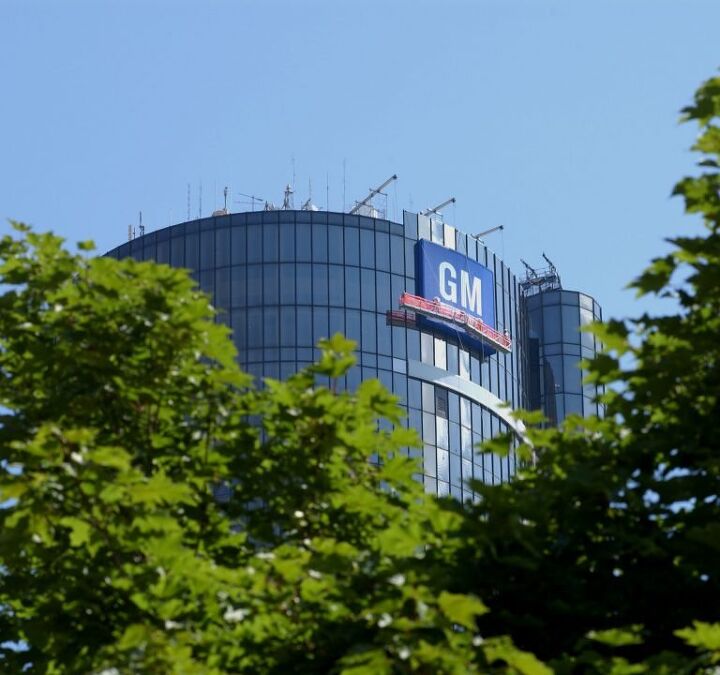
There’s happy faces inside the Renaissance Center today.
General Motors saw its first-quarter pretax profit rise 28 percent, despite continuing trouble in foreign markets, Automotive News has reported.
A net income of $1.95 billion means investors will reap $32.66 a share, a 1.5 percent increase. Revenue was up four percent in the first quarter, at $37.27 billion.
Volkswagen Fills Its Scandal Jar With $18.2 Billion, Warns of Financial Pain Ahead
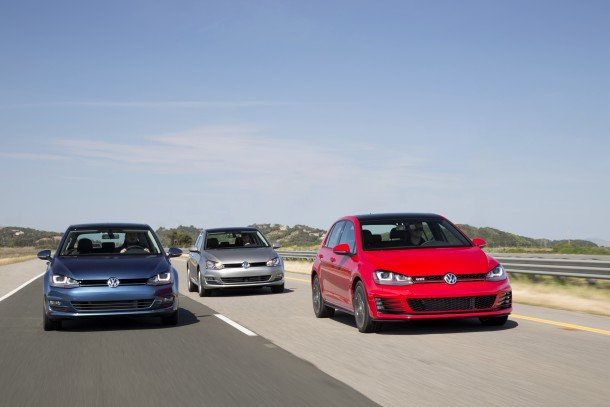
The heavy financial cost of Volkswagen’s diesel emissions scandal is becoming clear.
After reaching a settlement yesterday with U.S. consumers and regulators, the automaker is more than doubling the size of its “make the problem go away” cash pile, Bloomberg is reporting.
Volkswagen set aside 16.2 billion euros ($18.6 billion) today to deal with the scandal’s fallout, up from the 6.7 billion euro ($7.6 billion) figure previously stated.
Tiny Vehicle's Thirst Means a Supersized Headache for Mitsubishi
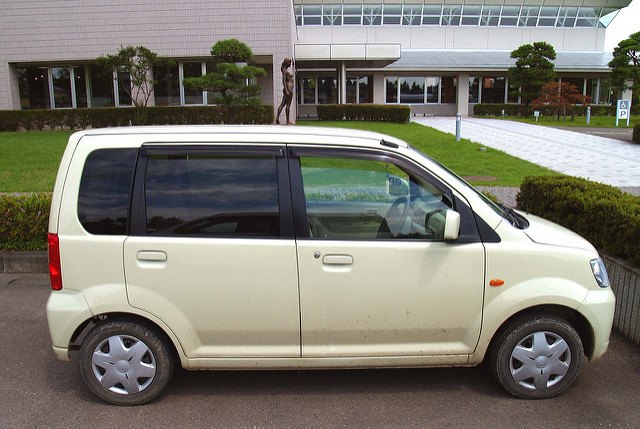
Mitsubishi Motors has some ‘splaining to do after fuel economy figures for its tiny overseas eK wagon were proven to be false.
The automaker overstated gas mileage by five to 10 percent over the last three model years, Bloomberg reports, allowing the minicars to be classified as greener than they actually were.
Powered by small-displacement three-cylinder engines, the vehicles are called “kei cars” in Japan (no, not K-cars).
J.D. Power Bought by XIO Group; Deal Appears to Have High Initial Quality

J.D. Power and Associates is planning to put more of your possessions under the microscope, now that they’ve taken on new ownership in a deal worth $1.1 billion.
Best known for its vehicle quality ratings, J.D. Power, a unit of McGraw Hill Financial Inc., was snapped up yesterday by London-based XIO Group, according to Reuters (via Automotive News).
The investment firm muscled out a competing private equity firm to land the cash deal, which is expected to close in the third quarter of this year. XIO Group has a strong footprint in China, where it is linked to many high-powered investors.
Ferrari CEO to Depart; Marchionne to Create World's Longest Business Card

Sergio Marchionne, wearer of many hats, appears poised to don yet another cappello.
Following the departure of former Ferrari chairman Luca di Montezemolo, who high-tailed it in 2014 due to clashes with Marchionne over company strategy, Bloomberg is reporting that current Ferrari CEO Amedeo Felisa is planning to retire after the nomination of a new board of directors, expected sometime this week.
Felisa does plan to stay as a board member, but this change will leave the role of CEO vacant … and we all know how much Sergio loves to be the Big Boss of Things.

Petition Demands That Sergio Spin Off Jeep in Order to Save It

A group of Jeep fans wants Fiat Chrysler Automobiles CEO Sergio Marchionne to make a Sophie’s Choice-style decision to save their beloved offroader.
To avoid the destruction of the storied brand at the hands of its parent company, FCA must cast it loose, the group states in a strongly-worded Change.org petition.
“As owners and fans of Jeep vehicles, we are calling on Fiat Chrysler Automobiles to separate Jeep from FCA’s stable of failing brands and debt,” the petition states. “We urge FCA to execute a spinoff to save Jeep.”
Sausage Fight! Decadent Daimler Shareholders Tangle in Bratwurst Brouhaha

Sometimes, stereotypes exist for a reason.
Things got heated yesterday at a Daimler AG shareholders meeting in Germany, where a fight broke out over lengthy, plump sausages, Bloomberg has reported.
This, despite the fact the lucky shareholders were told they’d be receiving the biggest dividend in the company’s history — 3.25 euros ($3.70) per share. You’d think the windfall would have tempered flare-ups, but you’d be wrong.
TTAC News Round-up: Ford Soothes Investors, Dodge Gets Its DiCaprio Moment, and Kentucky Aims for Volkswagen's Center Mass
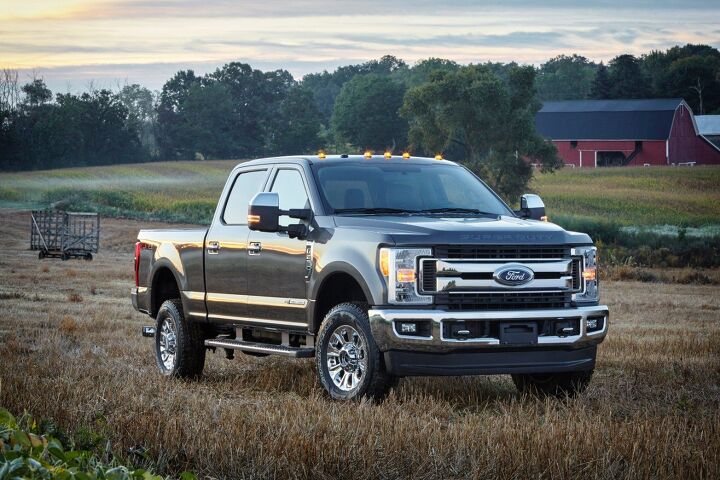
Ford is doing so well, you’d be a damn fool to ever think of not investing in Ford, says Ford.
That, hiring a crop of cranky old people paid off for Dodge, Kentucky joins the let’s-sue-Volkswagen party, Honda gets a Hoosier boost, and ethanol continues to suck … after the break!
TTAC News Round-up: Millennials Love Ford, Silverado Sprouts Cameras, and Chrysler Finds a Stash
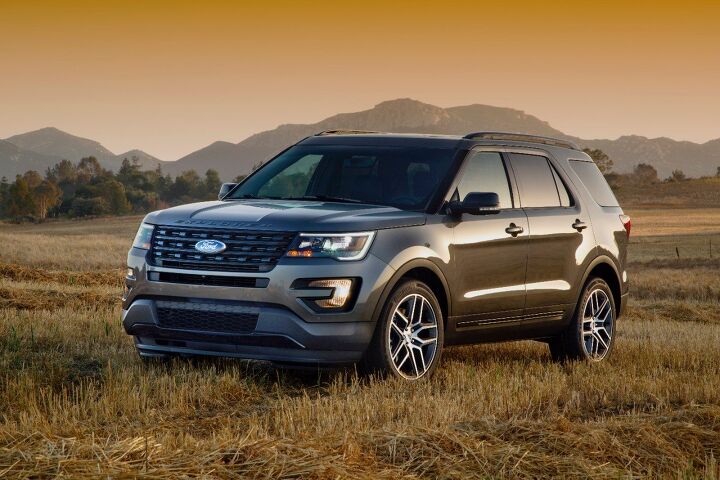
Millennials are buying Ford SUVs like it’s going out of style, no doubt dismaying the friends who like to lecture people about their lifestyle on Facebook.
That, Chevrolet offers a voyeur package for its full-side pickup, Fiat Chrysler Automobiles grabs a stack of cash with both hands, Mercedes-Benz gives its midsize SUV the AMG treatment, and two more automakers eye the Formula E grid … after the break!
Elio Motors Says It Will Sell 100 Pre-Production Prototypes to Fleets, Delays "Consumer" Production Till 2017
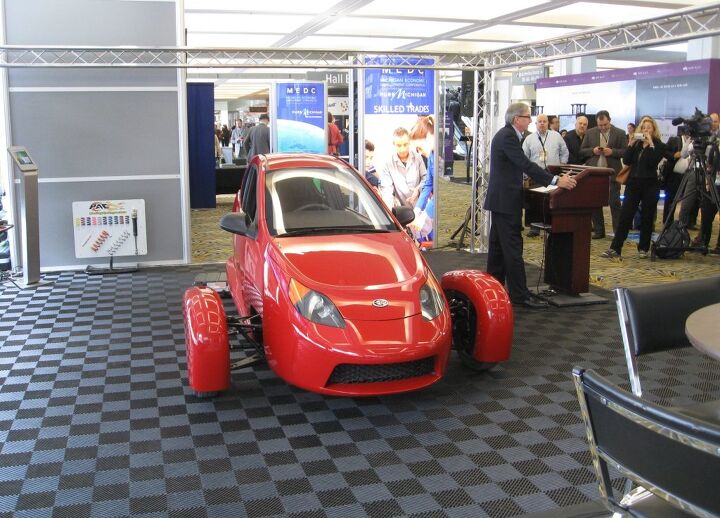
In a move that has already generated criticism from disappointed deposit holders, Elio Motors announced that production of its enclosed tandem three-wheelers will be delayed, yet again, to an undisclosed date sometime in 2017.
In a statement issued on Friday, Elio Motors said, “the bulk of the consumer launch will have to be moved into 2017 at a date to be determined, as the company continues to seek additional funding.”
Ironically, that delay was made public as the company appeared to make progress towards getting at least some vehicles built in Shreveport later this year. Founded in 2009, Elio had previously announced production dates of 2014 and more recently the end of 2016.

Ford Creates a Spin-off of Its Most Popular Show

Ford Motor Company has decided it wants to do more than just sell cars and trucks.
On March 11, the automaker announced the creation of a new business subsidiary in the hopes of becoming a leader in the field of mobility services.
Ford Smart Mobility LLC will be headed by former Steelcase CEO Jim Hackett, who will leave Ford’s board of directors in order to take on the new position.
Ford joins a growing list of automotive rivals looking to diversify their operations by investing in the emerging field, the most prominent aspect of which is ride-sharing and ride-hailing services.
TTAC News Round-up: Subaru Goes Beyond the Beige, Battery Battle at Porsche, and Tesla Confuses Economists

Subaru, worried that it might be losing its coolness, could be planning to rebel against its new-found mainstream image.
That, Big Battery picks up steam, Tesla’s stock turbulence continues to amaze, NASCAR wants Millennials to watch a race, and Porsche thanks its lucky stars for SUVs … after the break!
Elio Motors Stock Soars in Over-The-Counter Trading
(Caveat: I know nothing at all about stocks, bonds or other financial instruments.)
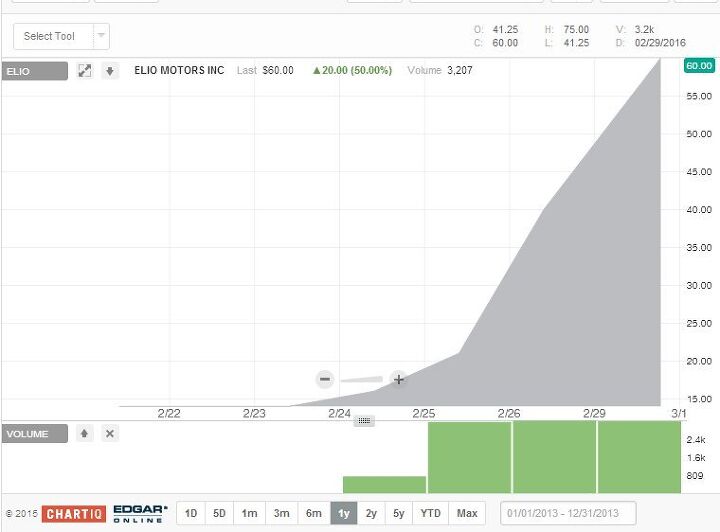
After automotive startup Elio Motors raised approximately $17 million dollars in a Reg-A+ stock offering the company crowdsourced from small investors via StartEngine, it said its shares would be listed on the OTCQX exchange to provide those investors with liquidity.
It’s probably too early to call Elio another Tesla (whose own market capitalization probably exceeds its actual value), and I don’t know how many of those investors are going to sell their stock so soon. But, if they did, they would have more than doubled their money in less than two weeks as of Monday’s close.
Carl Icahn Wants It All

Billionaire businessman and activist investor Carl Icahn wants to snatch up the last bits of Federal-Mogul Holdings Corporation he doesn’t already own, Automotive News reports.
The 80-year-old tycoon already owns an 82 percent share in the Southfield, Michigan-based global auto parts supplier, where he serves as chairman, but his recent offer of $7 a share could net him full ownership.
So Musk Now Owns 22 Percent of Tesla, But Does It Matter?
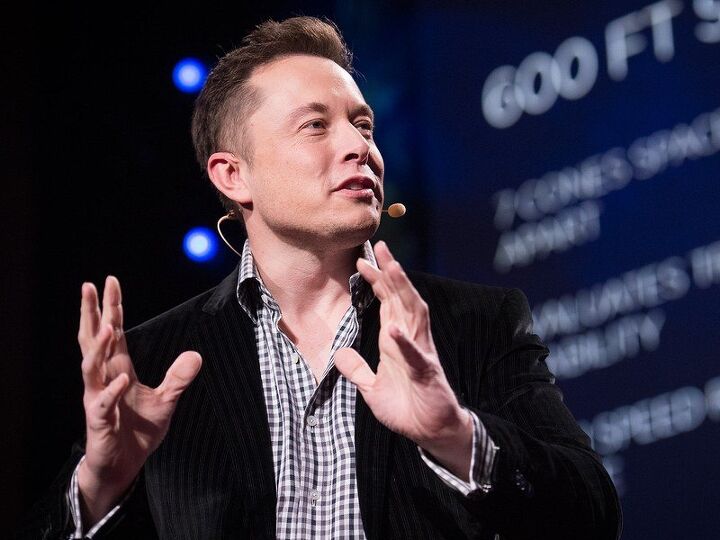
The automotive and tech blogs are aflutter Saturday with news that Elon Musk has gobbled up another chunk of Tesla stock — this time at a discount.
Musk exercised and held a stock option this week that saw the multi-billionaire increase his ownership of Tesla Motors by 532,000 shares. In total, those shares are worth over $101 million as of the last closing price of $191.20/share.
Here’s where the discount comes in: Musk’s option dictated a price pegged to the share value as of Dec. 4, 2009, before the automaker went public, of $6.63/share — or just over $3.5 million.
Sounds like Elon got a stellar deal. But does any of it matter? Is owning 1/5th of Tesla a big deal?

Ford Fueled Record Profits in 2015 With Truck Sales, China Surge
Ford announced Thursday that it had earned a record pre-tax profit of $10.8 billion for 2015 — including $2 billion in the fourth quarter — bolstered by pickup sales in the U.S. and strong growth in China.
The record-setting year for the automaker wasn’t much of a surprise — second- and third-quarter results set records along the way — but Ford’s ability to finally turn a profit in Europe may be the most unexpected news. The automaker had lost money in Europe since 2011.
Latin America, notably Brazil, will continue to be a sore spot for Ford and other automakers. Ford said Thursday it expects to lose more money there in 2016 than the $832 million it lost there in 2015.

Jeep Pickup, Jeep Compass and Jeep Renegade: All The Things We'll Probably Hear Tomorrow From Sergio
On Wednesday, Fiat Chrysler Automobiles CEO Sergio Marchionne will update investors on his long-term plans and fourth-quarter profits — namely, how many Jeeps it sold — during his scheduled earnings conference call.
It’s widely expected that Sergio will address the near-certainty that Jeep will build a pickup based on the Wrangler, as well as the future for the Jeep Compass that’ll likely survive from the Patriot/Compass twin billing, and Jeep’s potential to keep afloat fledgling FCA brands such as Maserati and Alfa Romeo.
Analysts say FCA’s ambitious target of $5 billion profit by 2018 would be almost unattainable at this point.
“‘Ambitious’ is not really an adequate word to describe it, ‘fantasyland’ might be more appropriate,” Bernstein’s Max Warburton told Automotive News.
Report: Ford Building New Auto Plant in Mexico
Ford will announce plans early this year to build a new plant in Mexico, Reuters reported Thursday. The $1.5 billion plant will produce 350,000 cars annually and could eventually produce the new Focus after production of that car leaves Ford’s Wayne, Michigan plant in 2018.
Ford didn’t comment on the report.
Reuters said Mexican officials with knowledge of the facility confirmed that the plant would be built in the state of San Luis Potosi.
GM's Online Sales Program Isn't Direct-sale, But It Is Pretty Clever

General Motors will sell highly coveted lease returns and company cars online starting next month through a program called the Factory Pre-owned Collection.
The program, which we’ve covered briefly, will sell lease returns and company cars through an online portal that makes those cars available nationwide. GM said its inventory would be roughly 30,000 cars, which all have fewer than 37,000 miles and be covered by extended warranties from the factory. Potential owners can apply for credit through the online portal and pick up their cars at a nearby dealer.
So … if GM is selling the cars owned by GM and GM Financial (or related bank) from a nationwide database, which can be financed online, and merely picked up at a nearby dealership, isn’t that just a direct sale?
Dealer Accuses Fiat Chrysler of Falsifying Sales
An Illinois dealer said in a lawsuit filed Tuesday that Fiat Chrysler Automobiles, through its regional sales offices, was intimidating and bribing dealers to report bogus sales at the end of the month to reach inflated sales targets. Automotive News reported first on the lawsuit.
The lawsuit filed by dealers of the Napleton Automotive Group accuses FCA of conspiring to inflate sales numbers through payments of tens of thousands of dollars to the dealer in co-op advertising accounts to disguise the practice. The lawsuit says FCA uses bogus third-party data from J.D. Power and Urban Science to falsely “verify” the sales figures and report publicly that the automaker has continued monthly sales growth since it emerged from bankruptcy in 2009.
The news of the lawsuit and its allegations sunk shares of Fiat so far that trading on its stock was halted in Europe, according to the Wall Street Journal.
Report: Volkswagen Readying To Buy Back Some of Its Cars
German newspaper Sueddeutsche Zeitung reported Thursday that Volkswagen was preparing to buy back about one-fifth of its cheating diesel cars in the U.S., according to Reuters.
That would mean about 115,000 cars — likely older models that would need significant work to bring emissions into compliance — could be taken off the road in an historic buyback. According to the report, the cars would be bought back by the automaker for their purchase price or by significantly discounting a new model for those owners.
AutoNation CEO Knows The Party Won't Last, But Doesn't Want To Hurry To The End
The CEO of the largest car dealer in the U.S. told Reuters on Wednesday that automakers shouldn’t base incentives on volume, which could jeopardize cutting profits.
“We really have to watch the quality of volume,” AutoNation CEO Mike Jackson told Reuters. “We have to find the right balance between price and volume.”
Jackson said he doesn’t anticipate auto sales to waver far from 2015’s record year, but he does foresee “entering a new chapter” with weaker demand for cars.
Barra Named General Motors' First Chairwoman
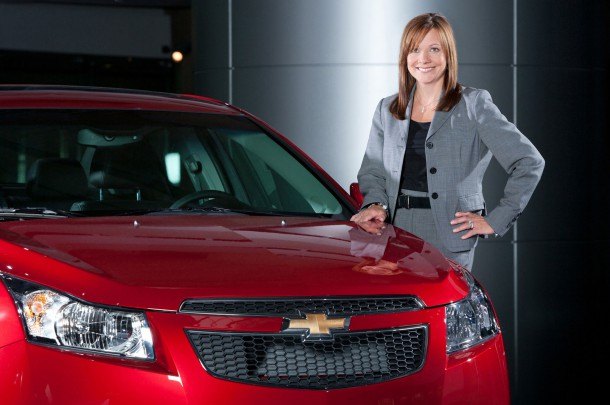
General Motors CEO Mary Barra will be the automaker’s first female chairwoman of their board of directors, the automaker said Monday.
Barra takes over for Tim Solso, who will remain on the board.
Barra took over as CEO two years ago and is GM’s first female CEO. When Barra took over as CEO in January 2014, the automaker split the role of CEO and chairman following Dan Akerson’s departure.
General Motors Makes $500M Bet on Lyft
General Motors announced Monday that it would invest $500 million in ride-sharing service Lyft to help boost the automaker’s business in car-sharing companies and perhaps rental cars.
The automaker announced that the investment — roughly half of Lyft’s latest round of fundraising — would buy the automaker seat on the ride-sharing company’s board of directors. Lyft, which is based in San Francisco, is valued around $4.5 billion, which is significantly less than the $62 billion valuation for rival Uber, according to the New York Times.
GM said the companies would partner on rentals for the car-sharing company, connectivity and autonomous technology.
Analyst: Tesla and FCA Wouldn't Weather 'Mild Recession'
Business Insider transportation editor Matthew DeBord (formerly of Jalopnik too) said Tesla and Fiat Chrysler’s stock show both companies’ susceptibility to market volatility and that each automaker could be in dire situations if a mild recession were to rear its head again.
(Although he does note that the best return on an investment this time last year would have been a few hundred bucks into FCA’s stock.)
Tesla may have more in common with FCA than it likes in terms of market unpredictability, which could raise the specter of a merger if its Model 3 isn’t on time or if the economy takes a dive, DeBord writes. As long as Musk doesn’t talk openly about hugging Mary Barra, he may have a decent shot.
Volkswagen Canada's 'Goodwill' Program Started, Damn Exchange Rate

Volkswagen in Canada rolled out the same “goodwill” package for Canadian customers that they did for U.S. customers last month, according to Green Car Reports (via Autoblog).
Diesel buyers north of the border — up to 100,000 of them — will get the same $500 Visa gift card, $500 dealer gift card and three years of roadside assistance that U.S. owners received in November.
Volkswagen diesel owners can register their cars via Volkswagen Canada’s diesel emissions site.
Carl Icahn Definitely, Probably Secures Purchase of Pep Boys, Maybe
Stop us if you’ve heard this one before:
Billionaire investor, activist and horse racing enthusiast Carl Icahn bid to buy Pep Boys on Tuesday for just over $1 billion, outpricing Japanese tire giant Bridgestone for the franchise, Bloomberg reported (via Automotive News).
Bridgestone’s refusal to tender a competing offer after its final bid of $947 million for the 800 Pep Boys stores seemingly means that Icahn is the winner — although we’ve been here before.
Icahn offered up to $18.50 per share of the company, of which he already owns 12 percent, which is slightly higher than the company’s stock during trading Wednesday.
Pep Boys Agrees to $947M Bid From Bridgestone
Bridgestone will buy Pep Boys for $947 million, shunning a competing bid from investor Carl Icahn, to complete its purchase of the auto parts chain, Bloomberg reported (via Automotive News).
The bidding between Icahn and Bridgestone began in October when the auto parts chain shunned a $800 million price from Icahn to agree to an $835 million bid from the Japanese tire giant. Icahn raised his bid first to $863 million, then up to up to $1 billion for the chain, but Pep Boys ultimately decided the $947 million offer from Bridgestone was a better deal.
The last-minute bid for the chain would create the world’s largest chain of 3,000 stores, including Bridgestone’s Tires Plus, Firestone Complete Auto Care, Hibdon Tires Plus and Wheel Works stores.
Steven Lang And Doug DeMuro Debate Carmax

Earlier this week I wrote about how CarMax is heavily constrained by a market that has flip-flopped between six years worth of heavy car sales and about 18 months of resurgent truck and SUV demand. Long story short, CarMax’s acquisition costs for trucks, SUVs and crossovers has gone up considerably, and the supply of this inventory has cratered due to new car dealers keeping the bulk of this inventory for themselves.
Not everybody liked what I wrote. Case in point.

Old Porsches: Good For Investors, Probably Bad For Drivers
Looking for a place to park that retirement cash? Find a Porsche crest.
Last year, the average sale price for 1974-1977 Porsches increased by 154 percent, according to Bloomberg — and the prices aren’t expected to drop anytime soon, according to the report.
“European sports cars in general have been on a real rise in the last couple of years,” Gord Duff, from RM Sotheby’s, told Bloomberg. “Ferraris lead the way and then you go to the next greatest European sports cars, which are Mercedes, and then you get to Porsches. If we are saying Mercedes have peaked, Porsches are the next best thing.”
Judge Overturns Sale of Miller Motorsports Park
A Utah judge has blocked the sale of Miller Motorsports Park to a Chinese investment firm because county commissioners may have illegally lowered the price to below fair-market value, KSL reported Thursday.
In a filing, Judge Robert Atkins said Tooele county officials tasked with selling the shuttered racetrack ignored higher bids to sell the racetrack for $20 million to Geely-backed Mitime Investment and Development Group. According to the report, county tax officials estimated the value of the track at $28.1 million.
A competing bidder, Center Point Management, said it offered $22.5 million for the park. The Wyoming-based company filed a lawsuit to stop the sale because they said county officials ignored their bid based on unverified promises by the Chinese group.
Is the Classic Sports Car Bubble About to Burst?
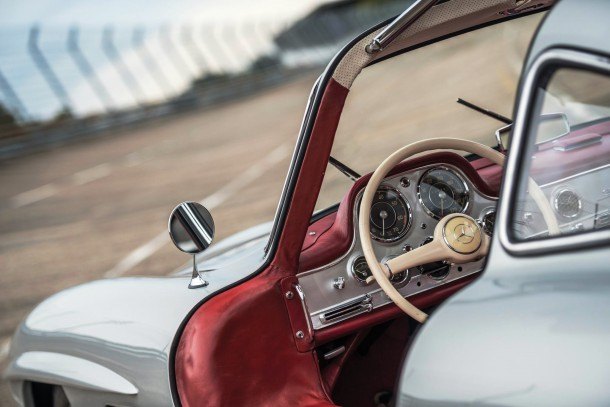
During the last week, much has been written about the “Driven By Disruption” auction Dec. 10 by RM Auction/Sotheby’s.
Most of that reporting was about Janis Joplin’s Porsche, which sold for a mildly outrageous sum of $1.6 million (plus fees), which beat the estimate about 2.5 times. Other top-dollar cars were mentioned as well, especially the first Aston Martin DB4GT Zagato sold in almost a decade, or the Ferrari 290 MM that was driven by the famous Juan Manuel Fangio in the Mille Miglia. Both cars brought even more eye-watering amounts of money – $13 million for the Aston, $25.5 million for the Ferrari. The Aston even set a historical record for the most expensive British car ever sold at auction.
The message is clear: The collector car market is not only alive and well, it’s thriving. Cars sell for ever-higher sums and they are a marvelous investment value. After all, they aren’t making any more classic Ferraris and Astons, are they? So the value can only go up, right?

TTAC News Round-up: Takata Can't Silo, Porsche's New Production Boss, Suppliers Love Each Other

Who would have known that one of the largest parts supply recalls in U.S. history could poison the well for the rest of your business?
That, and Jeep needs you to keep it dry for a minute, Porsche pulls another player from Volkswagen’s bench and how big does Magna International’s yacht need to be anyway, after the jump.
Volkswagen Temporarily Shutters Showcase Phaeton Plant To Save Money

Volkswagen will suspend production at its small, flagship facility in Dresden that produces the Phaeton for at least a year, Reuters reported ( via Automotive News).
The small, boutique plant will be shuttered to help cut costs for the automaker, which announced it would scale back some projects to help it pay for its massive diesel scandal. According to the report, development of the Phaeton cost roughly $1.1 billion and the sedan hasn’t met sales targets since it was introduced 2002.
Reuters reported that the plant would be shuttered for about a year, beginning in March, and would be retooled to build an all-electric Phaeton by about 2019.
Volkswagen's Woes Mount, Fraud Office Investigating Misuse of Money

The European Union’s anti-fraud office is investigating Volkswagen for misusing publicly funded loans to develop illegally cheating software in its cars, the New York Times reported Wednesday.
Volkswagen was provided the low-interest loans by the European Investment Bank to develop engines that were more fuel-efficient and produce less carbon dioxide, according to the report. In September, the automaker admitted that 11 million vehicles worldwide polluted more than advertised and used an illegal “defeat device” to fool emissions tests.
The automaker’s woes compounded Wednesday: A European bank — partly funded by the U.S. — announced it would suspend a $327 million loan to Volkswagen that would have been used to build a $1.2 billion factory in Poland. That factory was slated to build commercial vehicles.
'New GM' is Paying 'Old GM' Claims, Even Though They May Not Have To
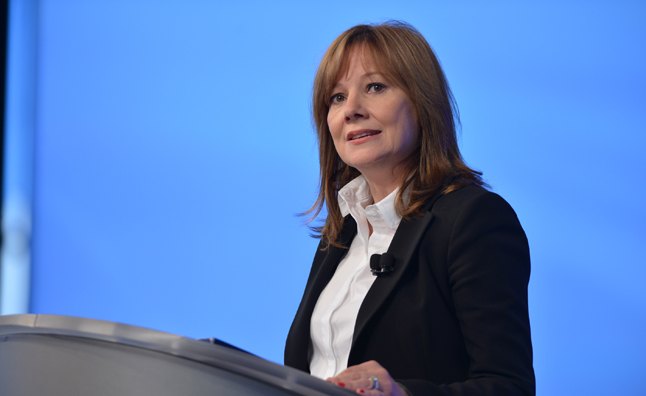
General Motors victims compensation fund is paying for injury claims older than the company’s 2009 bankruptcy and, in some cases, for injuries sustained by drivers who were drunk or weren’t wearing their seatbelts, according to the New York Times.
The newspaper reported the findings by attorney Kenneth Feinberg, who was hired by the automaker to manage the company’s fund to pay for victims of its faulty ignition switch that killed 124 people.
According to the report, 128 claims — roughly one-third of the claims against the automaker — were for injuries before the company’s 2009 bankruptcy. GM fought successfully this year to protect itself from lawsuits against “Old GM.” In April, a judge protected “New GM” from many of those lawsuits.
Carl Icahn Offers to Buy Pep Boys for $863 Million
After disclosing that he had purchased a 12-percent stake of the company, billionaire investor Carl Icahn submitted an offer of $863 million for the Pep Boys chain of automotive parts stores, according to the New York Times.
Icahn’s offer Tuesday of $15.50 per share is higher than Bridgestone’s offer of $15 per share in October for the chain of 800 stores. The Japanese tire giant offered to buy the chain to add to its 2,200 stores including Tires Plus, Firestone Complete Auto Care, Hibdon Tires Plus and Wheel Works to make one of the largest parts, tire and service chains in the U.S.
Pep Boys’ deal with Bridgestone included a $35 million breakup fee, according to the Wall Street Journal, which Icahn is willing to pay as part of his offer. Officials at Pep Boys said publicly that Icahn’s offer could be a “superior proposal” to the Bridgestone deal.
Parts Giant Pep Boys Has New Suitor in Carl Icahn
Billionaire investor Carl Icahn disclosed a 12-percent ownership stake in Pep Boys and said that Auto Plus, a competitor which he owns, should consider buying the retail parts giant, Bloomberg reported.
In October, Bridgestone offered to purchase Pep Boys’ 800 company-owned stores for $835 million to add to its portfolio of 2,200 stores including Tires Plus, Firestone Complete Auto Care, Hibdon Tires Plus and Wheel Works. The acquisition would create the largest chain of automotive service centers, yet many analysts say Bridgestone may be preparing Pep Boys for a potential sale already.
That tender offer from Bridgestone will expire Jan. 4, according to the report.
Qatar Wants Less Labor Influence at Volkswagen, Maybe
According to a report by Bild am Sonntag (via Reuters), Volkswagen’s third largest shareholder, the Qatar Investment Authority (QIA), wants trade unions to have less influence in what happens at the automaker amid Volkswagen’s ongoing emissions scandal.
QIA, which owns 17 percent of Volkswagen, is said to use a meeting scheduled today with automaker CEO Matthias Müller to “demand a scaling back of the role of the works council,” reported Reuters.
Volkswagen representatives denied the report, stating, “Co-determination (joint decision-making by corporate and labor representatives) and the (role of the) works council were not on the agenda of the talks.”
US Lawsuits Could Cost Volkswagen $1.5B 'on the Low End'
Analysts are estimating that more than 400 lawsuits (for now) pending against Volkswagen for fraudulent “clean diesel” claims could cost the automaker billions in court — if they even go that far.
Bloomberg reported (via Automotive News) that as lawyers for owners and Volkswagen wrangle over where to eventually hold a consolidated trial against the automaker, many analysts believe Volkswagen — who has already admitted to committing fraud — may end up paying at least $1.5 billion to customers, before damages or a potential buy back. That figure could rise to $8.9 billion if Volkswagen has to buy back their cars, according to Bloomberg Intelligence analyst Brandon Barnes.
(Presumably, those billions would be spent outside of a single wrench being turned on one of its illegally polluting cars.)
Car Loans Get Longer, Credit Scores Get Lower, and We're More Reliant on Automakers for Money and Cars Now
In news that will shock precisely no one, the current car blitz is partially fueled by longer loan rates, higher monthly payments and an increasing prevalence to finance our new cars from the automaker themselves — when we’re not renting it from them in the first place.
Experian released Wednesday its data on third-quarter sales and financing and found, on average, that borrowers’ credit scores were at the lowest level since before 2008. According to the credit agency, car buyers had an average credit score of 710 when they financed their car — which happens in 86.6 percent of car transactions, an all-time high.
Buyers opted for longer loans too. According to the data, new car loans longer than six years increased to 27.5 percent for the third quarter, up 17.1 percent from the same period last year. Loans between five and six years accounted for 44 percent of new vehicle financing.
Nissan Announces Proposal To Wrest Power From Renault, Paris
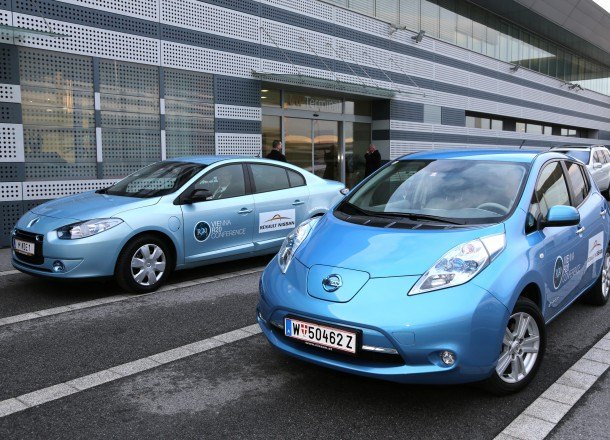
Nissan has announced a proposal which would end Renault’s control of the Renault-Nissan Alliance, and would curtail interferance by the French government.
When we last left off, Nissan was looking to gain a voice in the alliance it made in 1999 with Renault by increasing its stake while mitigating the stake shared between Renault and Paris. The Japanese automaker has held a 15 percent non-voting stake since alliance CEO Carlos Ghosn turned around its fortunes in the early 2000s, as French law prevents affiliates owning less than 40 percent of a French-led company from voting at the shareholders’ table.
Nissan has other ideas.

Porsche-Piech Family 'Stand Behind' Volkswagen, Town Amid Crisis
Deciding that the company’s annual pre-Christmas party wasn’t a great time to be Wetblanket Wildes, the Porsche-Piech clan affirmed that it would be committed to Volkswagen amid its emissions crises (pl.) and said the company that the family-owned company would “master the situation,” according to Reuters.
The Porsche-Piech family, who owns a majority stake in Volkswagen’s parent company, told the automaker’s board and the town of Wolfsburg that the family has no intention of pulling the plug.
“I am firmly convinced that the city of Wolfsburg together with Volkswagen will master the situation and gain further strength,” Wolfgang Porsche said in a statement, according to Reuters. “The Porsche and Piech families stand behind Volkswagen and Wolfsburg as its headquarters.”



Recent Comments