
Happy 10th Anniversary of Your Death, Ford Taurus
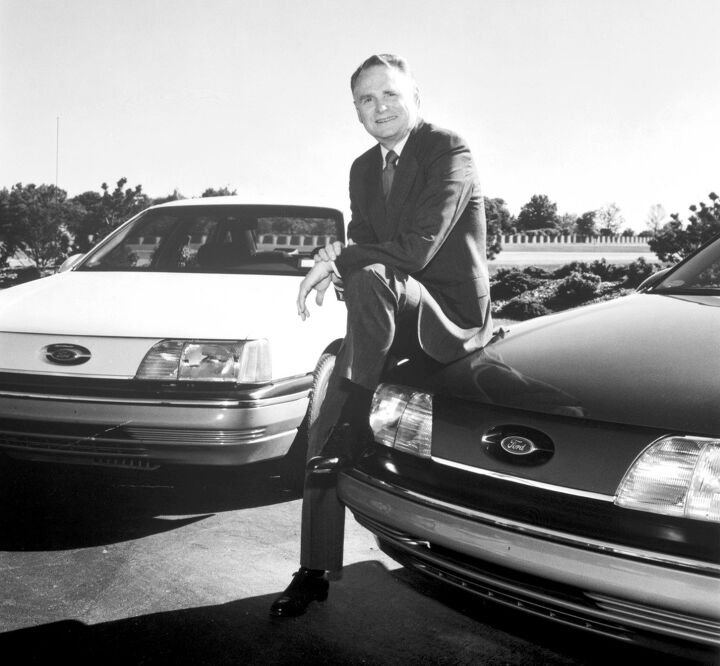
Exactly a decade ago today, Ford ended production of the legendary Ford Taurus.
Along with Dodge’s Caravan, the Taurus is absolutely one of the most influential and important cars of the 1980s. It ushered in a new era of automotive design in North America and created a wholly new template for the modern sedan — and Ford turned its back on it.

Assembly Plant Favored by Bankrupt Automakers Can Be Yours

The former General Motors Wilmington Assembly Plant, which cranked out Saturns, Oldsmobiles and Pontiacs before falling victim to economic and corporate forces, is looking for a new owner.
This time, however, it wants a buyer that isn’t a luxury plug-in electric car maker that folds before a single vehicle can leave the factory.

Is Toyota's FT-4X an FJ Cruiser for a New Generation?
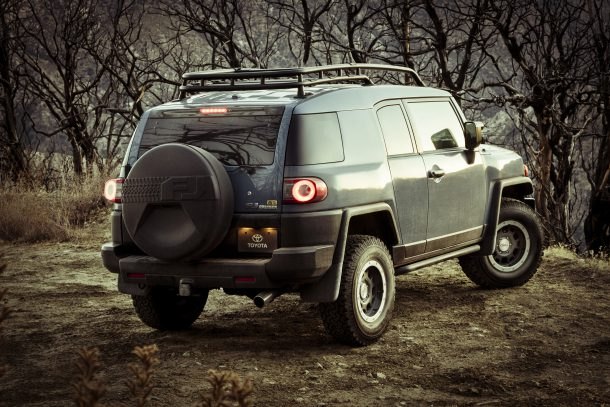
The departed Toyota FJ Cruiser was a vehicle of contrasts, depending on who you talked to. Too big, or not big enough. Too refined, or too often used as a grocery getter. Too retro, or not retro enough.
An homage to its long-dead predecessor, the retro SUV defined “niche vehicle,” and it sold like one too. Not in huge numbers, but in consistent ones. When Toyota phased it out of the North American market after 2014, it left a vacuum that went unnoticed by most.
Is Toyota now planning to fill that void?
Here's Your First Look at the Jeep Grand Wagoneer (and More of the 2018 Wrangler)

The story goes that someone at a recent Fiat Chrysler Automobiles dealer meeting acted quickly when the automaker flashed images of future Jeep models across the screen.
While FCA hasn’t given the public so much as a hint of what the upcoming, range-topping Jeep looks like, we now have a better idea, all thanks to that person’s quick-draw camera. Oh, and there’s plenty of 2018 Wrangler details to gleam, too.
A Retro Mid-Engined Coupe That Could Appear at Nissan Dealers is Almost Ready

A modern take on one of the sexiest four-cylinder cars of the 1960s will officially debut before the end of the year, and there’s a chance it will find its way to these shores.
Alpine, a reborn subsidiary of Renault, is putting the final touches on the production version of its Vision concept, a practical sports car that harkens back to the glory days of the nearly forgotten brand.
Texas Fairgoers Really Wanted a Piece of the Ram 1500 Lone Star Silver Edition
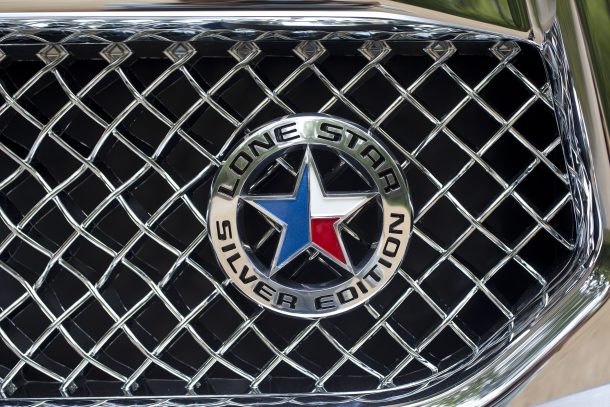
Apparently, the 2017 Ram 1500 Lone Star Silver Edition was such a hit at the State Fair of Texas, visitors stole the badge off of both trucks.
Located in a lower corner of the truck’s chrome mesh grille, the badge lets everyone know that this isn’t just any other Ram model. Texas-sized amounts of polished metal and chrome are other giveaways.
Unfortunately for Ram representatives at the fair, those badges walked away as milled aluminum bling, possibly bound for a hat, vest or belt.
Freaky Friday: Ghosts, Gorillaz, and a Pacer With Your Name on It
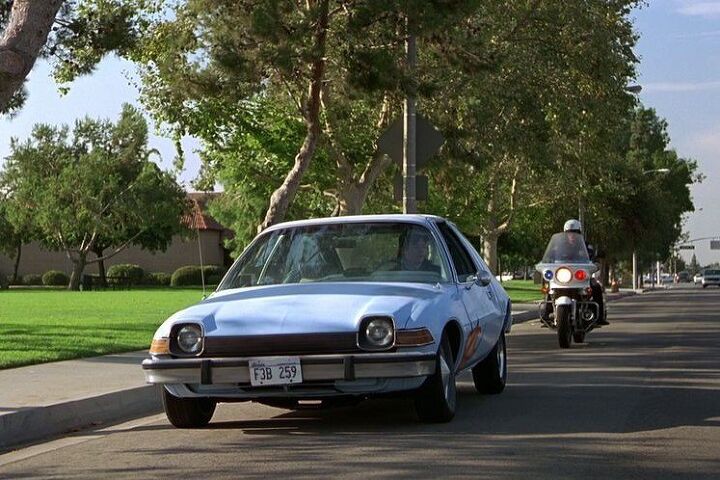
There’s some weird stuff out there today, but let’s get to the pop culture stuff first.
One of the world’s ugliest and most unappealing cars is going on the auction block by way of Barrett-Jackson next week — and it could fetch a ridiculous price.
Yes, it’s the Wayne’s World car.
Falcon Name Bites the Dust as Ford Pulls Out Down Under

It’s a sad day in Australia as Ford Motor Company closes the door on 91 years of domestic vehicle production.
Some 600 Ford employees are now out of work after the automaker shut down factories in Melbourne and Geelong. This marks not just the end of Australian Ford production, but the death of a long-running nameplate.
Senator Pushes for Federal Historic Vehicle Registry
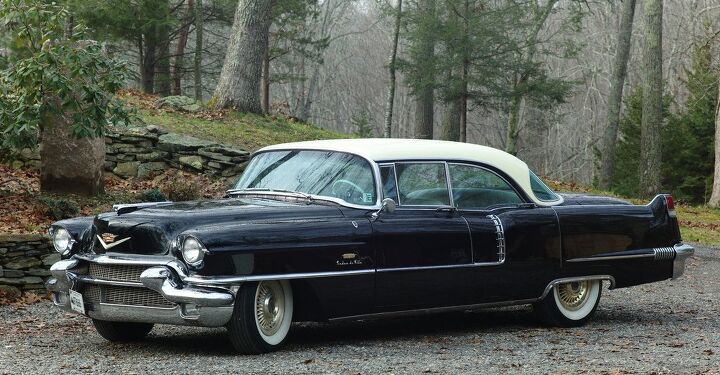
Is your car truly rare or unique? Does it represent a small but significant piece of American history? (We’re not talking about a 1983 Mercedes-Benz 380SL once owned by Gary Busey.)
If so, your ride could one day be immortalized — in a bureaucratic sense. Yesterday, Michigan Senator Gary Peters (D) introduced a bill that, if passed, would create a federal registry for historic vehicles.
Kit Car Paradise Awaits in This Retro Abomination

It wasn’t for kit cars, the Pontiac Fiero would have never realized its dream of becoming a Ferrari or Lamborghini, and we’d be just fine with that.
That product, born of the heady 1980s, seems tame compared to N2A Motors’ latest offering. The U.S. coachbuilder has taken three classic American designs and melded them, Island of Dr. Moreau-style, into the 789 SS.
It’s a questionable way of hiding a fifth-generation Chevrolet Camaro.
Freaky Friday: Is This The Greatest Under-appreciated Car Chase Ever Filmed?

Very few people enjoy Canadian films, and there’s damn good reason for it. Public funding is heavily bureaucratized, giving birth to movies essentially “filmed by committee.” Artsy, yes. Depressing? Very often so. But Scandinavia already has that covered!
This wasn’t the case in the glorious, sleazy 1970s. For a brief era, Canada was a free-wheeling, balls-out orgy of low-grade filmmaking, all thanks to insane tax write-offs. Slasher flicks and soft-core porn, lewd sex comedies and gritty crime dramas, this era had it all — and most of it was awful.
One film crew, who probably saw Bullitt way too many times, knew what audiences — American audiences especially — wanted to see, and set about filming one of the most un-Canadian films ever shot north of the border.
They also produced one of the greatest and least-known car chases ever filmed.
The Mitsubishi Lancer Evolution's Last Hurrah
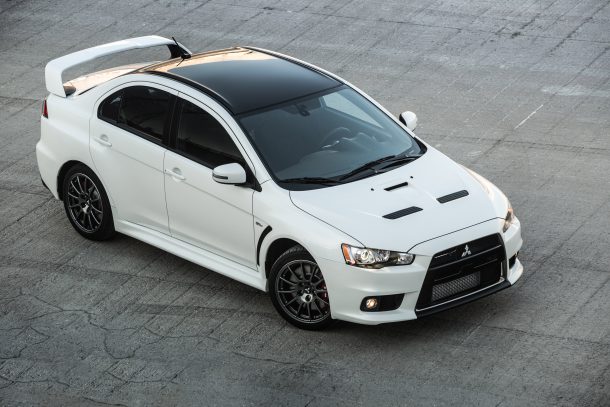
The calendar says it’s closer to 2017 than 2015, but last year’s Mitsubishi Lancer Evolution Final Edition hasn’t finished bleeding media ink.
The last Evo FE to roll off the assembly line is currently up on eBay, placed there by its parent company. A southern California food bank stands to benefit from the online auction, while a deep-pocketed Evo fanboy will gain untouchable bragging rights.
Aston Martin Will Sell You a House … and a Boat

The Aston Martin Cygnet was just the beginning.
For those who thought the luxury automaker’s now-defunct rebadged Toyota city car was a weird idea (and that includes just about everyone), just wait. Aston Martin is now eager to sell you anything — your clothes, your baby stroller, and even your house.
Is NASCAR About to Ban Celebratory Burnouts?
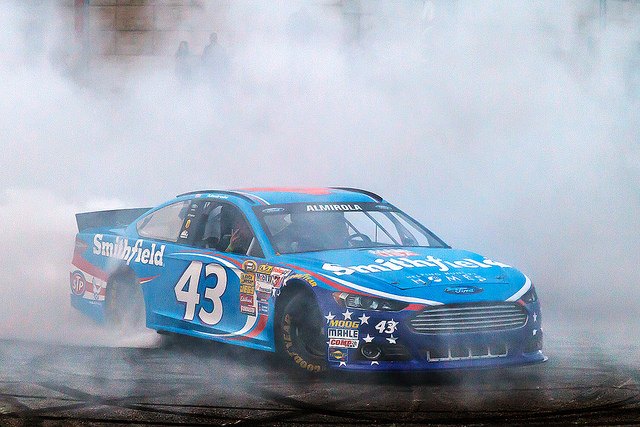
R.I.P. victory lap burnouts? It sure looks that way.
NASCAR seems to have reached a tipping point in its tolerance of post-race victory burnouts, some of which damage the vehicle enough to interfere with the post-race inspection process. After an incident last weekend, the organization says it might have to lay down rules, Autoblog reports.
T-Bird Treasure Trove Found in Michigan Barn, and They Can Be Yours
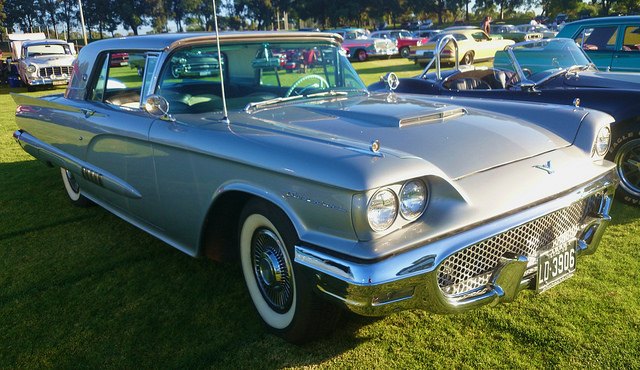
Pitchforks and dung aside, the world’s barns often hold undiscovered treasures, from the 1974 Volkswagen Beetle that sold for $43,000 in June, to a bumper crop of Ford Thunderbirds recently uncovered near Grand Rapids, Michigan.
According to the Detroit Free Press, an unnamed family recently called a Wayland auction house in the hopes of making a sale. The item? The contents of a barn containing about 50 classic cars, including a bevy of Thunderbirds from the porthole to basket handle eras.
This Was as Hot as the Dodge Omni Got, and It Can Be All Yours

The Dodge Omni/Plymouth Horizon twins didn’t get much respect in the 1980s, and even today’s hipsters – who’ll cling to anything avante-garde or ironic – failed to bestow them with latter-day reverence.
Well, never mind the haters. If you’re in Monterey, California on Aug. 19, and you have a hankering to spend a seemingly ludicrous amount of money on a 30-year-old econobox, your day has come.
RM Sotheby’s plans to auction a 1986 Dodge Omni GLHS, once owned by legendary tuner Carroll Shelby. This was the original hot hatch, with only 500 of the Shelby-tuned, turbocharged and intercooled Omni variants build before the model’s swan song.
Happy 100th Birthday, Nash Motors!
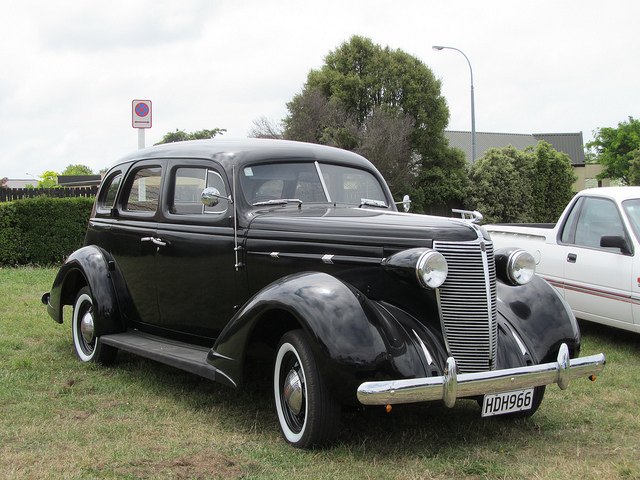
Sure, none of the original players are walking the earth, but we can still celebrate the corporate creation of Charles W. Nash, the man who quit General Motors in its infancy to form his own car company.
Nash Motors wasn’t a Big Three player, but it did make its mark on the automotive landscape. During a wild ride of mergers, acquisitions and changing product direction, the independent automaker spawned a number of innovations that became industry firsts.
The Greatest (Attainable) Car You Never Owned Was Just Killed in Australia
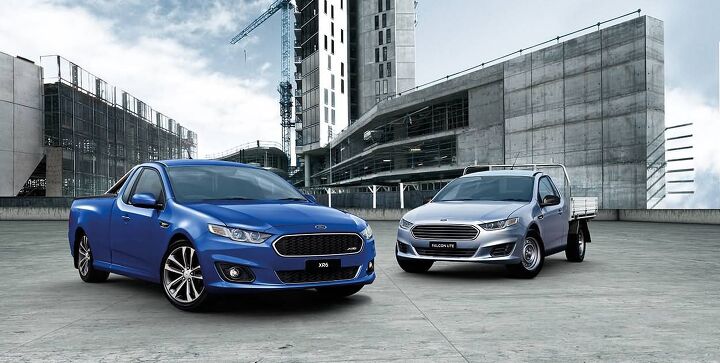
There’s sad news from Down Under. No, Paul Hogan is still alive, and no, dingoes didn’t get into a local kindergarten.
The last Ford Falcon Ute rolled off the assembly line in the Melbourne suburb of Broadmeadows today, ending 55 years of continuous production, Car Advice reports. The death of the FG X Falcon Ute heralds the looming demise of Australian Ford assembly, and leaves just one (doomed) ute in the marketplace of the country that invented it.
Automotive Hall of Fame Moving From Dearborn to Detroit, Wants to Be More Than a Museum

The Automotive Hall of Fame thinks it can better tell the history of the automobile if it makes a move to the Motor City.
William Chapin, the museum’s president, wants to expand the facility’s scope and become part of Detroit’s resurgence, so he’s looking for space near downtown, according to the Detroit Free Press.
Will an Outsider Build a New Defender? Over Our Dead Body, Says Land Rover

Jaguar Land Rover isn’t about to have some upstart company build a new version of its iconic Defender.
The automaker shot back at rumors of a third-party resurrection of the boxy, beloved SUV, Autocar reports, stating that the previous-generation model will remain dead and buried as the company crafts a new model.
Jeep Turns 75 Today: Get Out Your Sunscreen, Fatigues and Small American Flags
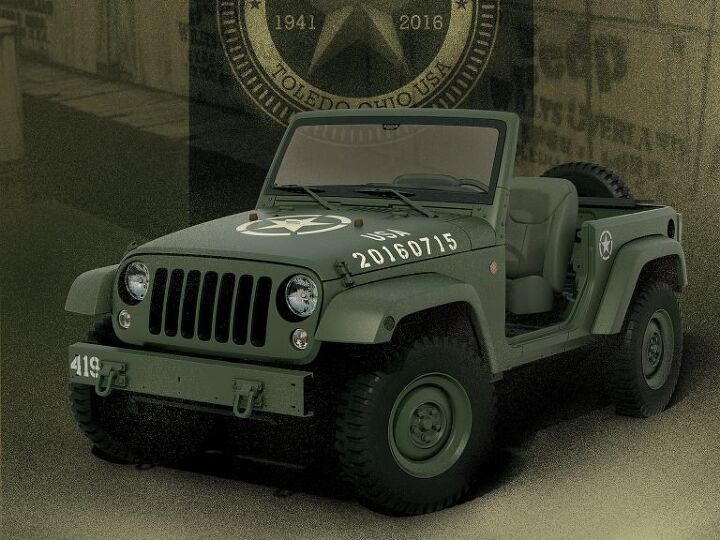
Jeep turns 75 years old today, and its birthday promises to be a lot more upbeat than, say, Plymouth’s.
The storied brand, which started life producing a hastily built battlefield runabout, is now a sales juggernaut for Fiat Chrysler Automobiles, which could be its reward for suffering through so many ownership changes over the years. To mark the special occasion, FCA built a one-off Wrangler that takes the brand back to its roots.
You can’t buy it, but you can remove the doors and fold down the windshield on your own Wrangler, head to a nearby field, paint some signs in German and pretend it’s two weeks ’till V-E Day.
You Missed Your Chance to Score Really Cheap Gas and Dream of a Less Regulated Life
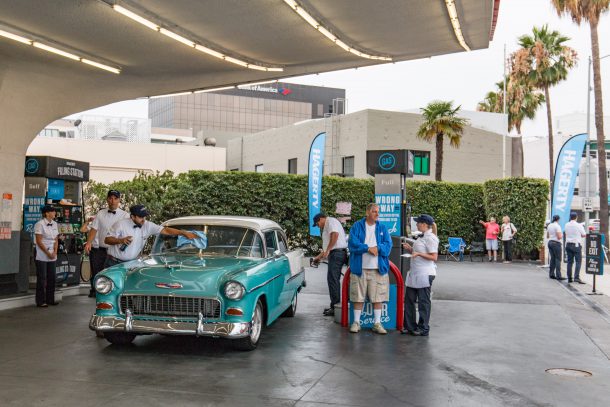
California is typically painted a scorching red on Gasbuddy’s heat map, but some drivers got a break from high pump prices in Beverly Hills this morning.
You needed a classic car to make the cut, and you needed to be at the historic (Union) 76 Gas Station at Little Santa Monica Boulevard and Crescent Drive, but if you were, you took a trip back in time without having to worry about dodging the draft.
FCA Cop Out: Looming Jeep Wagoneer, Grand Wagoneer Are Just Fancy Grand Cherokees

If you were expecting Jeep’s upcoming Wagoneer and Grand Wagoneer to be range-topping standalone models, think again.
According to Automotive News, the new additions to the lineup will simply be upscale versions of the next-generation Grand Cherokee. Consider your retro-tinged dreams squashed.
If You Haven't Bought One Already, Your 2017 Dodge Viper Dreams Are Almost Toast

It’s a great day for an automaker when it can say it sold an entire year’s worth of vehicles in less than a week. Things get less impressive when it’s the final model year of a niche vehicle.
Still, Fiat Chrysler Automobiles is putting on its bragging pants and grabbing the megaphone after it sold every special-edition version of the 2017 Dodge Viper in a matter of days. So great was the response, FCA plans to offer one last version of the 25-year-old nameplate.
Mid-Engine Corvette Rumor Mill Finally Gets Meaty Evidence
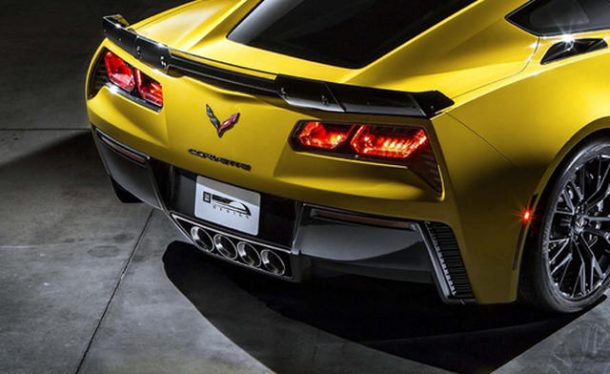
Unexpected plant investments. A suspicious trademarked model name. Colonel Mustard in the library with a revolver.
There’s been plenty of clues to fuel the inferno of rumors surrounding a looming mid-engine Corvette, but long-range images published by Autocar give us what we really want — photographic evidence.
This is Your Last Chance to Order a New Dodge Viper
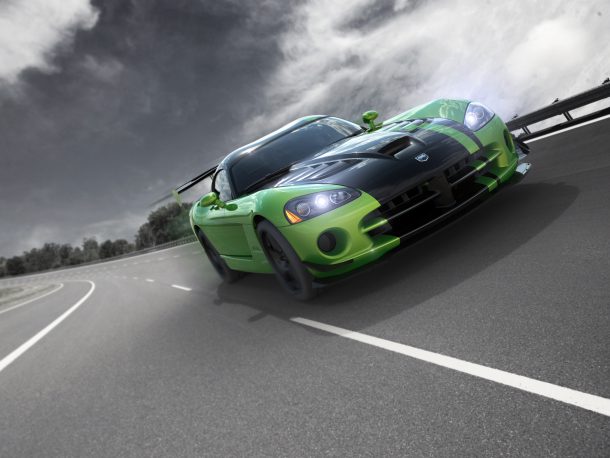
Fiat Chrysler Automobiles will offer five limited-edition versions of the 2017 Dodge Viper before it brings the axe down on the model.
Orders kick off on June 24 for the V10-powered performance beast, with FCA cranking out up to 217 units before it puts an end to the model’s 25-year run. The model bows out the same way it came in — brash, colorful, and obsessed with performance history.
Mercedes-Benz Isn't Popular With Women, but Wooing Them Could Be Dangerous

Women play a very large role in the purchase of new vehicles, and automakers are scrambling to tap into the demographic — among them, the staid, dignified and traditionally male-centric Mercedes-Benz.
The German automaker wants to throw off that old image and make itself the top premium car brand for women by 2020, according to Automotive News.
Returning the 'Zephyr' Name to the Lincoln Lineup Would Be Pointless
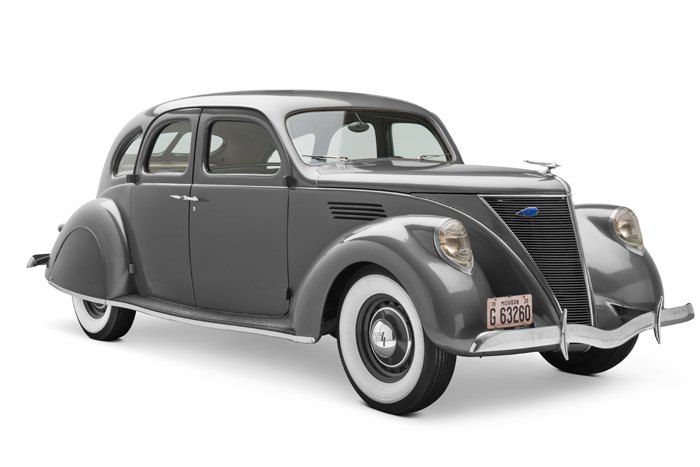
After standing outside the party in the cold, hoping someone inside would hear its plaintive knocking, Lincoln Motor Company is now on the sales rebound.
The restyled MKX is a hit, we’re getting a better looking (and faster) MKZ, and the new Continental is on the way, but there’s also buzz about a another historic nameplate potentially making a comeback. That model is Zephyr — a name Ford Motor Company recently applied to trademark, though if it’s for use on a vehicle, it should probably reconsider.
World's Cleanest VW Beetle Sells at Auction; Buyer Even Gets Original Oil
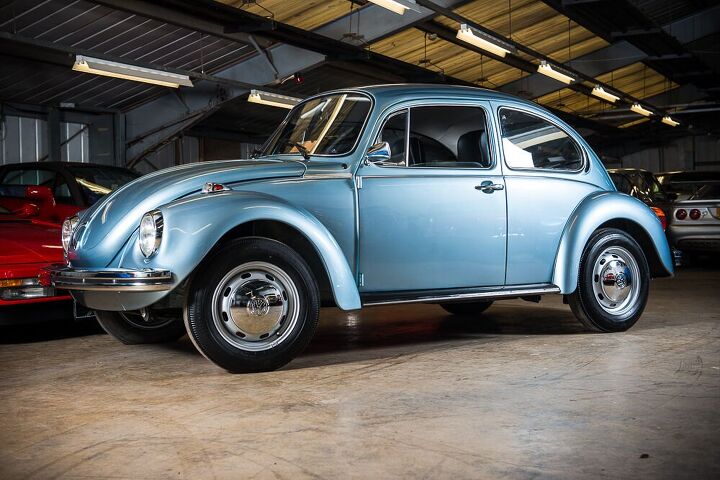
If there was ever a hermetically sealed time capsule of a car, this is it. And we can thank an old, religious Italian man who hated driving for keeping it so fresh.
A beyond pristine 1974 Volkswagen Beetle, once a common sight on roadways everywhere, just sold at Silverstone Auctions in Denmark for a price that would make an original buyer choke on their Tab. Did they get a good deal? It depends on how much value you put on “perfect.”
Riviera, Resurrected? GM Files Trademark Application for Famous Nameplate
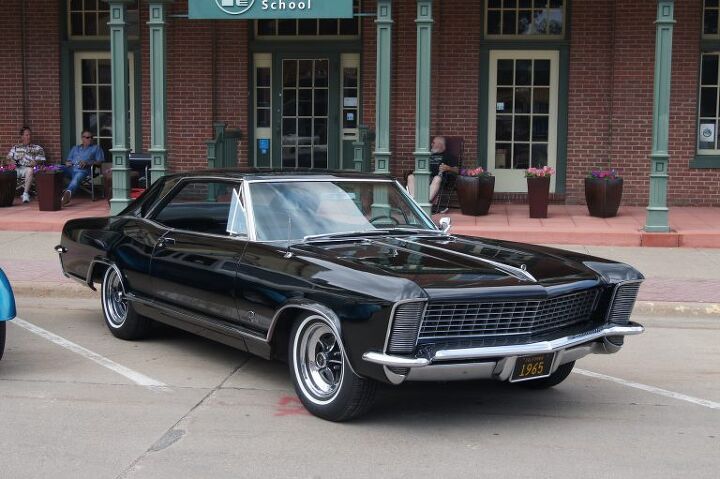
The first name that comes to mind when anyone says “Buick two-door” could make a comeback.
General Motors wants to use the storied Riviera nameplate on a future vehicle, and it now has the trademark application to prove it, GM Authority reports.
The BMW 2002 Hommage is an M2-based Retro Thriller

Just in time for the Concorso d’Eleganza at Villa d’este, BMW revealed a stunning concept today that is just magnificent. Unlike last year’s concept, the automaker chose to blend retro and contemporary styling cues to give every kidney grille fan a real treat.

Dodge Grand Caravan Given a Stay of Execution: Report

Production of the world’s most recognizable minivan might not end next year after all.
If a report published by the Windsor Star is correct, the Dodge Grand Caravan will see its lifespan extended until 2019, all thanks to delayed plans for a Chrysler Pacifica-based crossover.
The Star quotes John McCabe, president and CEO of AutoForecast Solutions, who claims Fiat Chrysler Automobiles got cold feet about building a new crossover at its Windsor assembly plant.
Rebuilding Volkswagen's Reputation - Hard or Downright Impossible? An Expert Weighs In

Decades of feel-good corporate outreach and a hug-worthy relationships with buyers didn’t stop potential customers and veedub diehards from fleeing Volkswagen after the diesel stink bomb went off in Wolfsburg.
Like a husband of 50 years caught cheating with his wife’s sister, the intentional deception behind the diesel emissions scandal shattered the hard-earned trust between the company and its consumers. Thanks to that, Volkswagen’s sales trajectory now mimics that of a very leaky submarine.
Could Volkswagen have managed the scandal better, and can the company rebuild that lost trust?
According to the consumer opinion-tracking Reputation Institute, the answers to those questions are “you bet” and “yeah … it’s gonna take a loooong time.”
Break Out the Bubbly: Rolls-Royce Phantom Zenith Collection is Britain's Finest Hour

Like a Dreadnought-class battleship, the current generation of the hulking and insanely lavish Rolls-Royce Phantom is being mothballed, but it gets one final hurrah.
The folks behind the Spirit of Ecstasy are busy building — sorry, “crafting” — the ultimate Drophead Coupé and Phantom Coupé vehicles before those models slip the surly bonds of earth.
Just 50 will be made, and Rolls is naming the bespoke collection after those big 1970s televisions you saw in the back pages of National Geographic.
Cadillac to Open Artsy Manhattan Coffee Shop; Idea is Either Brilliant or Terrible
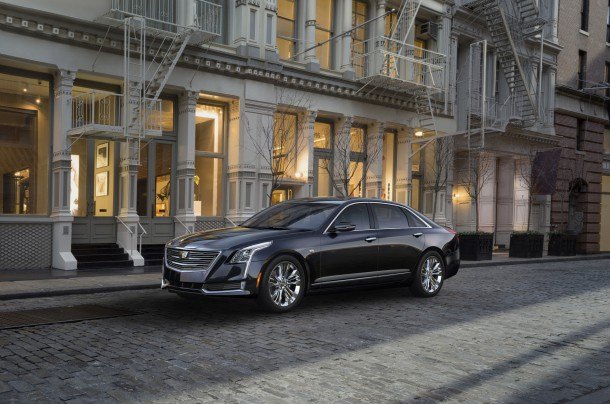
Will there be black berets, obscure Russian poetry and Yoko Ono albums for sale at the door?
Fans of the General no doubt recoiled in horror at reports that Cadillac — a brand that conjures images of Elvis, Bruce Springsteen, the movie Badlands, and the hopes and aspirations of middle America — is opening a swank coffee joint in Manhattan.
Well, it true. They’re here, they’re upscale, get used to it.
If you’re really lucky, maybe one day you will find yourself drinking java from the upper slopes of a mountain you’ve never heard of while discussing designer fragrances and interpreting (wrongly) works of modern art…alongside a Cadillac.
Acura Takes a Sepia-Toned Selfie With Its BFF, the Millennial Car Buyer
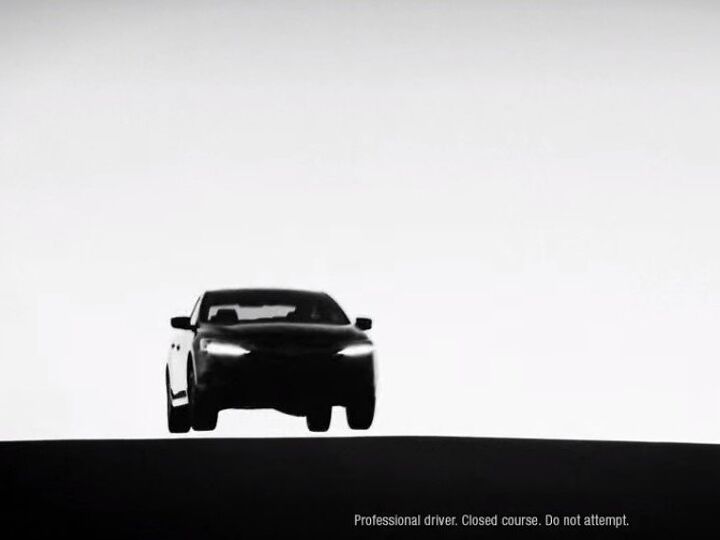
Acura is turning 30, and to celebrate, it’s turning its attention away from the yuppy Gen-Xers who first discovered the brand to the hopeful, car-buying Millennials of today.
It’s not pandering for vehicle sales, it’s a relationship, see?
Honda’s luxury marque just launched a marketing campaign that seems perfectly designed to lure in the largest-growing segment of car buyers. Called “30 Years Young,” the ad plays up Acura’s status as the leading luxury brand of this age demographic, while stroking the ego of the Millennial buyer.
Watch (Most of) These 1958 Sedans Destroy Their Suspensions
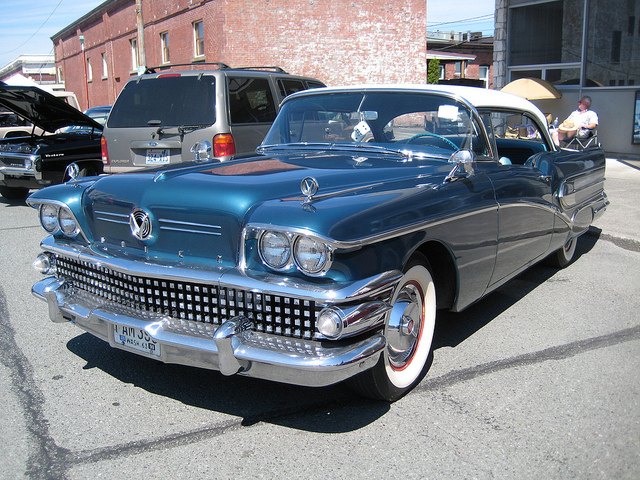
If 1958 wasn’t the peak of automotive glitz and excess, it was damn close to it.
American automakers, emboldened by a never-ending postwar buying spree, heaped more chrome and new technology onto their models that year than ever before. Uplevel models — Lincoln, Buick and Olds, especially — were the worst offenders, somehow managing to make themselves look 1,000 pounds heavier than their tasteful ’57 predecessors.
Get Ready, a Mini Sedan Could Be on the Way

Executives at Mini are busy mulling what to introduce next, and it’s increasingly looking like that model will have a trunk.
Unlike a car modeled after a young man wearing a backward ballcap, a sedan is a logical addition to the brand’s future lineup, and comments made to Autocar by Ralph Mahler, vice-president of product development, make it clear there’s a serious business case for a three-box Mini.
Nonprofit to Americans: Make This Abandoned Property Great Again

An abandoned Michigan manufacturing facility that once cranked out bombers, guns, cars and transmissions could soon be advancing our driverless future.
A nonprofit organization has been created to oversee the transition of the former General Motors Willow Run manufacturing plant property near Ypsilanti, Michigan, into a national self-driving and connected vehicle testing site, reports Crain’s Detroit Business.
The sprawling property is mostly a flat expanse of tarmac, the perfect site for recreating a laundry list of city driving conditions that could confuse an autonomous vehicle’s brain: highway merging, ramps, bridges, elevation changes, high-speed maneuvering, complex intersections and even tunnels.
It's Saint Patrick's Day, Meaning It's Also DeLorean DMC-12 Day

Listen, we don’t want any trouble.
St. Paddy’s Day is a time for all of us — black and white, Irish and American, Catholic and Protestant and all those other religions — to come together and figure out how much green food coloring can be consumed before it has a laxative effect.
But, as we think of the Emerald Isle today, our minds can’t help but be reminded of a famous and totally ballin’ export from the troubled north — the DeLorean DMC-12.
First-Ever Honda N600 Gets Restored in New Video Series

As a relative newcomer to the car-building scene, Honda doesn’t quite have the heritage of classics piling up in a dusty warehouse like most other automakers. They do have a legion of rabid fans, however, including one restorer who specializes in very early Honda cars — and found the very first N600 built for the U.S. market.
Honda partnered with that restorer, Tim Mings, and today released the first of a series of videos and features on the restoration of this very special classic on the website Serial One.

Is Mazda Going to Tell the Miata to Put Its Top Back On?
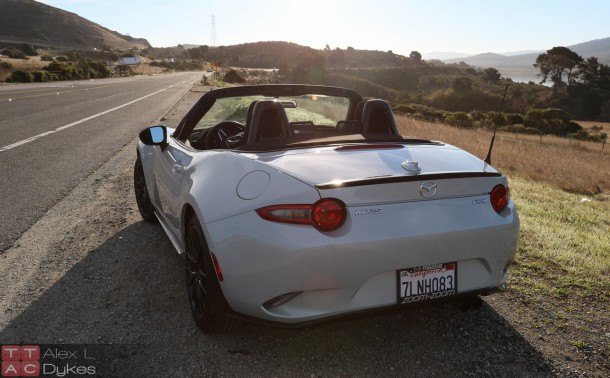
Mazda is teasing a new model reveal for next week’s New York Auto Show, and it could be a MX-5 Miata with more shade.
The invitation to the model’s world premiere later this month asks participants to help Mazda “blow the lid off.” Hmm, let’s think about that one for a minute …
The previous generation MX-5 Miata was available in power retractable hardtop form, but that option died in 2015 when the fourth-generation launched in soft-top guise only.
If You Can Handle a Color From 1970, You Could Be Dodge Material
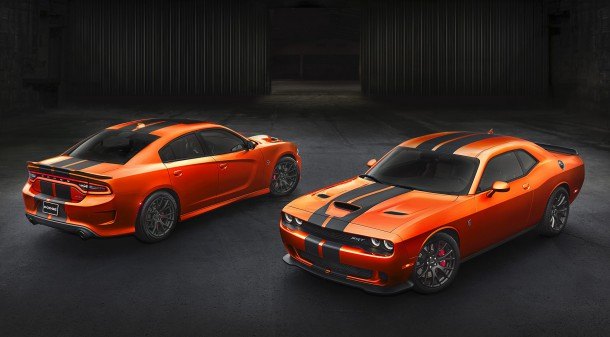
The paint — erm, act could be wearing thin.
In its latest nod to the heady and far-out past, Dodge will let you have your Challenger or Charger SRT 392 or Hellcat in its newest resurrected color, “Go Mango.”
Joining other blast-from-the-past(els) like “Plum Crazy,” Go Mango was offered for the first time on the 1970 Challenger — a legendary car from a truly great year, assuming you weren’t in Vietnam or a Jimi Hendrix fan.
With Peugeot-Citroen Eyeing New Markets, Could There Be a French Car in Your Future?

With the Saab brand now functionally dead, could the next quirky car du jour for individuality-signalling Americans come from France?
All eyes will be on PSA Peugeot Citroen on April 5 as France’s top automaker reveals its new international growth strategy, possibly heralding a return to the long-abandoned U.S. market.
The U.S. and Iran are being looked at as potential export markets, now that PSA’s “Back in the Race” restructuring program has improved the financial fortunes of the once-struggling automaker.
Feast Your Eyes on These Tasty Jeeps, Peasants

In anticipation of the 50th Easter Jeep Safari in Moab, Utah, Jeep turned its best and brightest designers loose and created seven concept vehicles you’ll probably never drive.
But you can gaze, and you can dream.
These rolling showcases for Jeep and Mopar performance parts crop up annually in advance of the off-road love-in (March 19 – 27), but this year Jeep delved deep into the history file to celebrate its 75th birthday.
We’ll highlight the standouts after the break.
Finally, a Respectable Use For a Smart Car

Let’s face it: when it comes to modern cars, no model is as maligned as the diminutive two-seat Smart Fortwo. Well, maybe the Mitsubishi Mirage.
Measuring just 8-feet-10-inches in length, the rear-engined Smart looks less like a car than a rolling phone booth, or perhaps the bubble that would take Patrick McGoohan back to The Village in the TV show “ The Prisoner.”
Jokes and instances of car-tipping aside, the Smart harbors a secret ability that sets it apart from its larger peers — and it took an Ontario mechanic to find it.
BMW Looks to Future, Hopes Predictions Don't Instantly Become Dated

It’s BMW Group’s centenary — and except for some problematic stuff in the late 1930s and early ’40s, it’s been a great 100 years.
Rather than gaze wistfully at the past, BMW is spending its birthday looking into the future and imagining what marvelous things might lie ahead. Naturally, one of those things will be a BMW, and, lo and behold, here’s a futuristic concept!
The BMW Vision Next 100 concept was unveiled in Munich on March 7 and was designed with an autonomous future in mind, one where individuality remains a selling point with buyers.
Volkswagen Beetle Lets Out A Cry in the Dark, Killed Off in Australia

Aussies are clearly not in love with the Volkswagen Beetle. The company will scrap sales of the slow-selling vehicle in Mel Gibson’s homeland later this year.
According to Caradvice, Australian sales of the Beetle fell to just 240 units in 2015, a small fraction of what Volkswagen enjoyed when the first-generation New Beetle arrived on its shores in 2000. In contrast, Volkswagen sold 22,667 Beetles in the United States and 2,347 in Canada during 2015, according to GoodCarBadCar.net.
Call Me 718: Porsche Changes Names of Boxster, Cayman For Some Reason

Porsche announced Wednesday that it would change the model names for 2016 of its Boxster and Cayman models to “718 Boxster” and “718 Cayman” because there was once a race car in the 1950s and 1960s that had four cylinders and competed in a bunch of races, I guess. Either that, or Porsche is really into the Queens area code.
Oh yeah, and the company confirmed what we heard in September: the mid-engined Stuttgart machines will get a turbo fours instead of flat sixes from here on out. (Maybe GT4 models will retain the 3.8-liter six. Maybe.)
The name change seems, well, odd. Despite the loose association with a 60-year-old car, the switch to 718 Boxster and 718 Cayman seems to add a level of unnecessary naming convention for a German company that counts the ounces of its seatbelts for chrissakes.

Porsche Wants To Get in On Some of That Classic Porsche Action
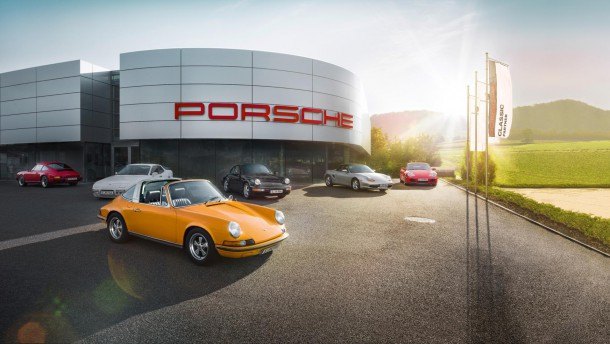
Porsche announced Friday that it opened its first classic Porsche center in the Netherlands, the first among nearly 100 centers that will sell, service and make money on maintain old sports cars.
The network will eventually include a center (or centers) within North America, according to the automaker.
Porsche says that nearly 70 percent of all the cars that it has made are still on the road, and that its centers would be staffed with specially trained technicians that can identify and work on any problem. (Plus, Singer can’t make all the money on old Porsches.)
LA 2015: 1968 Alfa Romeo 33 Stradale is Beautiful, Angry (Video)
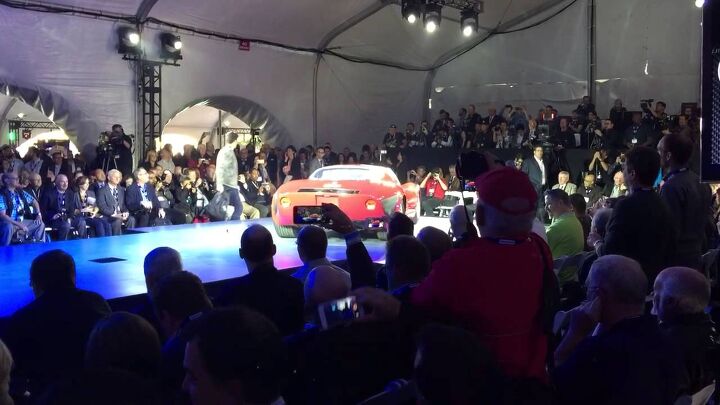
Classic cars are the ultimate form of navel-gazing. And a car like the 1968 Alfa Romeo 33 Stradale is the ultimate nerdgasm.
The 33 Stradale was so limited that when it rolled off the production line, no one knew how to fix it. Its composed of equal parts of unobtainium and eludium. Cars like this are harder to find than unicorns humping a rainbow.
At $10 million it’s hard to think that it’s anything other than comically overpriced. But when it starts up and screams like that, it’s hard to think about anything at all.
Utah Man Says State Insurer (the State) Shortchanged Him
Matt Gephardt and KUTV in Salt Lake City have a good story about a Utah man who was hit by a state vehicle and its insurance company — which is the state itself — shortchanged him on his 1985 Mercedes-Benz SL Convertible.
The car was totaled, and the state offered to pay $8,000 for the car. Tyler Winger, who said he restored the car with his grandfather, said the car was worth $12,000 to $13,000. ( He’s not completely wrong.)
Winger said the state told him that they wouldn’t budge and that he couldn’t complain to the state’s insurance oversight board since that board doesn’t have oversight over the state’s self-insurance company.
Eisenhower Did Just About the Worst Damn Road Trip, Ever
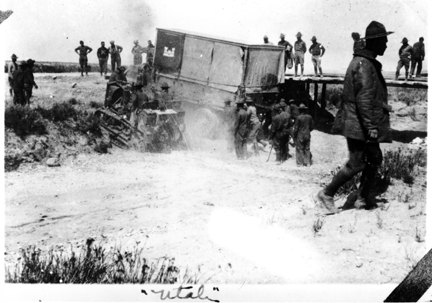
Atlas Obscura has a fine, fine retelling of former President Dwight Eisenhower’s treacherous slog across the U.S. in 1919, presumably before Google Maps could tell him where to go.
His 62-day, transcontinental epoch may have served as inspiration for the creation of America’s interstate highway system — not the threat of a nuclear attack and evacuation of America’s major cities, apparently — later on during his presidency.
Among the highlights: 6 mph traveling speed, biblical salts in Utah and misery in Nebraska. Pack a lunch for the long read, because it’s entertaining.
Steve McQueen's Air-cooled Porsche Turbo Up at Auction

The last car the King of Cool custom-ordered will be up for sale next month in Monterey, California.
Mecum Auctions (via Autoblog) details the 1976 Porsche 930 Turbo Carrera (sold here with the internal type number — 930 — in its name) that McQueen ordered shortly before he died. The 3.0-liter, air-cooled turbo 911 will be sold for charity, with proceeds going to Boys Republic, a nonprofit school for at-risk teenagers in Chino Hills, California.
According to Mecum, the car was fitted with a switch to kill the rear lights if McQueen was being chased down Mulholland. That’s so cool.
Land Rover Defender Production Extended Into 2016

Land Rover, just after building its two-millionth Defender (pictured), looks to be extending final production of the go-anywhere utility into January of next year.
According to Automotive News Europe, the manufacturer will extend production of the Defender and increase production before the new best-before date to meet renewed demand, the company said a statement.

Chrysler Files Extension for Barracuda Name Many Times for Zero Cars

Folks over at Chrysler have filed another extension for the Barracuda nameplate, according to Allpar, which would be at least the fifth extension in three years with no new car in sight.
The filing over at the U.S. Patent and Trademark Office is wonderfully vague, specifying only “passenger automobiles, their structural parts, trim and badges” in the filing made June 23.
Reviving the Barracuda name would be incredibly difficult, considering it may not currently have a place to live.
California's Black License Plates Are Back In Production
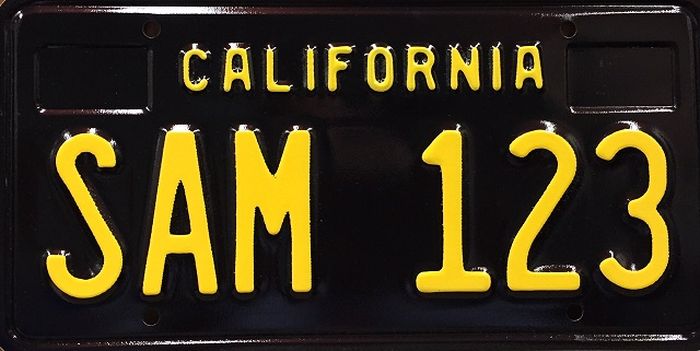
Thanks to California’s Legacy Plate Program, the state’s classic black license plates are back on the presses.

Nakamura: Next-Gen Nissan Z May Take Inspiration From 240Z
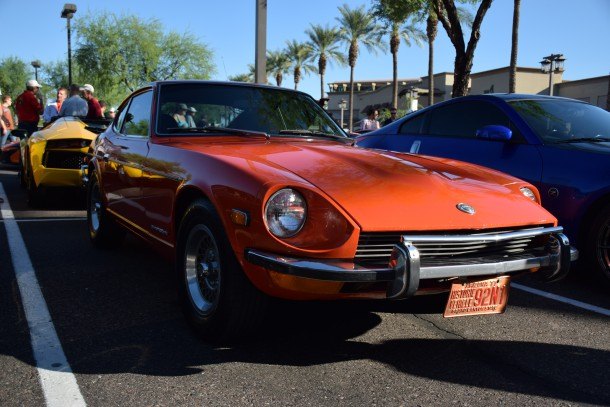
Nissan design chief Shiro Nakamura revealed the next-generation Nissan Z could take its inspiration from the Datsun 240Z.
Citroen's Famed Hydraulic Suspension Rides Comfortably Into The Sunset
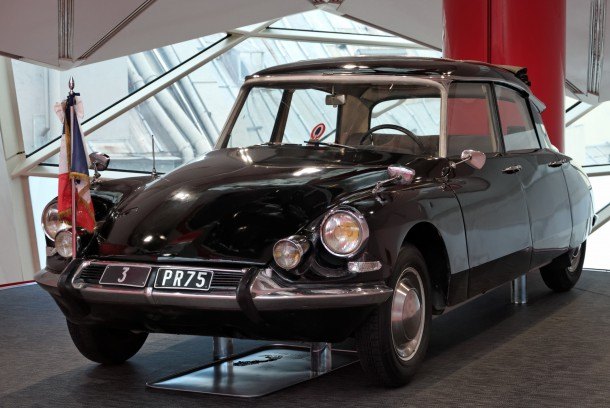
The suspension setup known for helping to save the life of late French president Charles de Gaulle will soon join him in the pages of time.
2017 Ford GT Entering 2016 24 Hours of Le Mans

Nearly 50 years ago, Ford threw down against Ferrari at Le Mans, sweeping the podium in so doing. Come 2016, Ford aims to do the same with the 2017 Ford GT.











Recent Comments