Elon Musk's Future Vision: Your Tesla Gets a Day Job, and Why That Might Not Be a Good Idea

In his Master Plan, Part Deux, some of Tesla CEO Elon Musk’s visions make a lot of sense, like a compact SUV based on the Model 3 platform, and a pickup truck, which will presumably have more than enough torque to haul around a big load (and plenty of space for a big battery pack).
That’s not at all what I want to talk about. Instead, I want to talk about some of the more speculative parts of the Musk vision: the self-driving vision. ( I first wrote about some of the dystopian aspects of self-driving cars for TTAC in 2010.)
Musk wants you, the owner of a Tesla, to click a button and have your self-driving car go off and Uber itself during the day while you’re at work, earning you money. It will come back to you at the end of the day, ready for you to use again. This vision is going to have a very harsh collision with reality.

Hackers Burrow Into a Jeep Again - Will FCA Give Them $1,500?

The same two guys who brought you last year’s remote hacking of a Jeep Cherokee on a Missouri highway (and resulting 1.4 million vehicle recall) are at it again.
This time, Charlie Miller and Chris Valasek entered the same Cherokee’s electronic brain, bypassing security software to gain control over key driving functions, according to Wired.

Musk Pushed Back Against Tesla Employees' Autopilot Concerns: Report

Tesla CEO Elon Musk’s drive to develop and market new driving technology is well known, but former employees say he brushed aside their concerns about the safety of the company’s Autopilot system.
Several employees, including a former Autopilot engineer, told CNN Money that their concerns fell on deaf ears, as Musk always reverted back to a “bigger picture” position on safety.
Apple Hires Blackberry Exec for Car Project; Project Team Heads in New Direction

Apple’s annoyingly mysterious self-driving unicorn car project has a new team member.
Dan Dodge, founder and former CEO of Blackberry’s QNX automotive software division, has already joined the ranks of Apple’s shadowy “Project Titan” team, Bloomberg reports. After endless speculation about the future iCar (and what it will look like), sources close to the company say the project is now moving in different direction.
Is the Apple car fading from view?
Mercedes-Benz Slammed Over Misleading Commercial
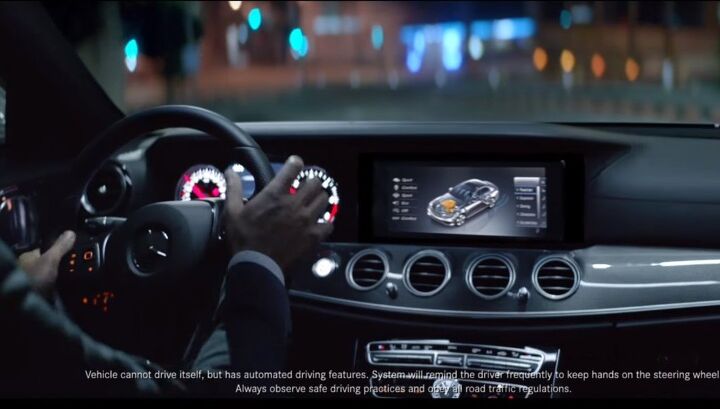
A glitzy Mercedes-Benz commercial that touts the 2017 E-Class as a vehicle that “can drive itself” has consumer and safety advocates fighting mad.
A number of groups are calling on the Federal Trade Commission to take action against the automaker, saying Mercedes mislead the public. In a letter to FTC chairwoman Edith Ramirez, the groups claim the E-Class doesn’t come close to being a self-driving vehicle, and fine print doesn’t cut it.
Samsung (Once Again) Turns to the Automobile Market to Make Money

Security Experts Say Fiat Chrysler's 'Bug Bounty' Reward Isn't Big Enough

Fiat Chrysler Automobiles will give you up to $1,500 to find weaknesses in its vehicles’ security, but cybersecurity experts want the automaker to pony up more dough.
After the company announced its industry-first “bug bounty” program on July 13, many professional hackers say FCA’s reward isn’t enough to attract real talent in the search for software breaches, Forbes reports.
Don't Blame Autopilot for That Pennsylvania Tesla Crash, Says Musk
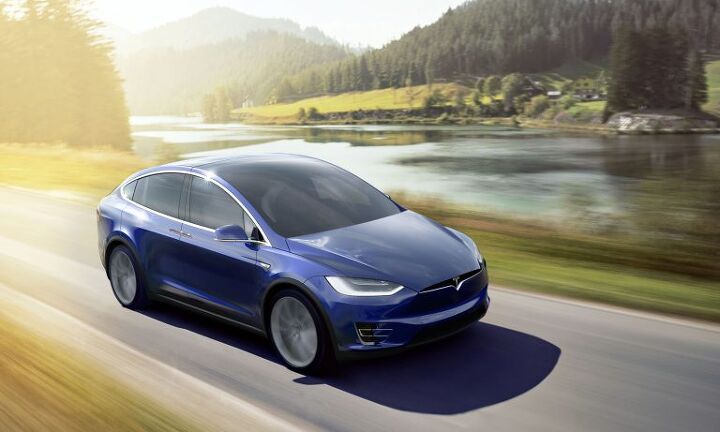
Tesla’s Autopilot system is many things to many people — an automated folk devil to safety and consumer advocates, or a nice thing to have on a long drive ( according to Jack Baruth) — but it isn’t the cause of a July 1 rollover crash on the Pennsylvania Turnpike.
The automaker’s CEO took to Twitter yesterday to claim that the Model X driven by a Michigan man wasn’t even in Autopilot mode at the time of the crash. Elon Musk said that data uploaded from the vehicle shows that Autopilot wasn’t activated, and added that the “crash would not have occurred if it was on.”
Tesla then released those digital logs to the media.
Tesla's Buyback Program Bites the Dust; Consumer Reports Takes on Automaker Over Autosteer

Getting a good price for a used Tesla is now solely up to its owner, after the automaker discontinued a program that allows three-year-old vehicles to be bought back for 50 percent of the purchase price.
Tesla dumped the program on July 1, Reuters reports, allowing the company earmarked for the program for other purposes. The program was created to assure would-be owners of a basic resale value after the Model S entered the marketplace.
Fiat Chrysler Will Give You Cash to Find Cyber Threats

In a few weeks, after Pokémon Go jumps the shark and we all head back to our homes for nights of solitude, Fiat Chrysler Automobiles will offer another opportunity for high-tech geekery. And a lucrative one, too.
Announced today, the automaker will hand tech-savvy individuals cold, hard cash in return for information on weaknesses in its vehicles’ cybersecurity. Exposing a hidden backdoor that hackers could sneak through will net you up to $1,500.
Autopilot is Here to Stay, Says Musk, as NHTSA Delves Deeper Into Fatal Crash

Tesla CEO Elon Musk has no plans to remove the Autopilot feature from his vehicles, despite demands from safety and consumer groups.
Musk told the Wall Street Journal that lack of education is the problem, not the technology behind the semi-autonomous driving system. The executive’s comments come after the National Highway Traffic Safety Administration delivered a lengthy list of questions to Tesla as part of its investigation into the fatal May 7 crash of a Model S.
Jeep and Ram Owners in Houston Targeted by Laptop-Wielding Thieves
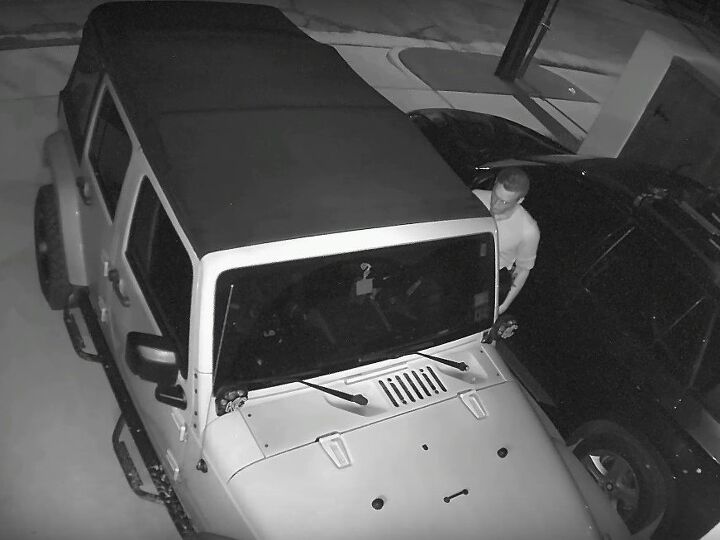
It looks like car thieves in Houston have found a way to break into (and make off with) Jeep and Ram vehicles without using a slim jim, crowbar or screwdriver.
Surveillance video from a Houston garage shows a Jeep Wrangler being methodically commandeered by a man using a laptop and tablet. After last year’s remote-control Grand Cherokee incident, this is another hacker-related headache for Fiat Chrysler Automobiles.
Do Automated Safety Aids Make Drivers Complacent? The NTSB Wants to Know

The National Transportation Safety Board plans to investigate the fatal May 7 Tesla crash to see if the trend of increased automation in driving functions has a dark side, Bloomberg reports.
Already, the National Highway Traffic Safety Administration is looking into the incident and the role the vehicle’s semi-autonomous Autopilot system played in the crash, but the NTSB has a broader scope in mind. As vehicles increasingly rely on electronic aids for safety, drivers could be letting down their guard.
Consumer Watchdog Slams Elon Musk, Demands Tesla Pull the Plug on Autopilot

America’s highest profile consumer advocacy group is calling out Tesla CEO Elon Musk for waiting a month to disclose the potential risk posed to owners by the company’s Autopilot technology.
In a letter to Musk, Consumer Watchdog demands that Tesla sideline its Autopilot system until it can be proven safe, criticizes the CEO for side-stepping blame in several crashes, and accuses him of putting the public at risk.
GM and NASA Create Superhuman "RoboGlove" Technology, Sounds Like a Terrible Movie

Not too long ago, engineers from General Motors and NASA stood around a glove, thinking, we can rebuilt this — better, stronger, more dexterous than before.
Well, they did, and now RoboGlove — a term that conjures up images of a vaguely 1980s dystopian future — will soon get its manufacturing debut at the end of select GM workers’ arms.
No LIDAR Means No Safety in Self-Driving Vehicles, Says Auto Supplier Exec

If you’re going to let people take their hands off the wheel and let the vehicle do the driving, you’d better offer every tool available to make sure it’s safe.
That’s the view of Stefan Sommer, CEO of German auto parts supplier ZF Friedrichshafen, who advocated for the use of LIDAR (light detection and ranging) in autonomous or semi-autonomous vehicles in the wake of the fatal Tesla crash.
Tesla Picks an Awkward Time to Announce Updates to Its Autopilot System

Less than a week after it was revealed that Tesla’s semi-autonomous driving mode played a role in a deadly May crash, the automaker is planning a host of changes to its Autopilot system.
The changes, billed as the 8.0 upgrade, include a feature that allows the vehicle to exit a highway and navigate an off-ramp while in Autopilot mode, according to Autoguide. The function will be activated by the vehicle’s turn signal.
Does Tesla's Autopilot Hate Humans, or Just This Guy?
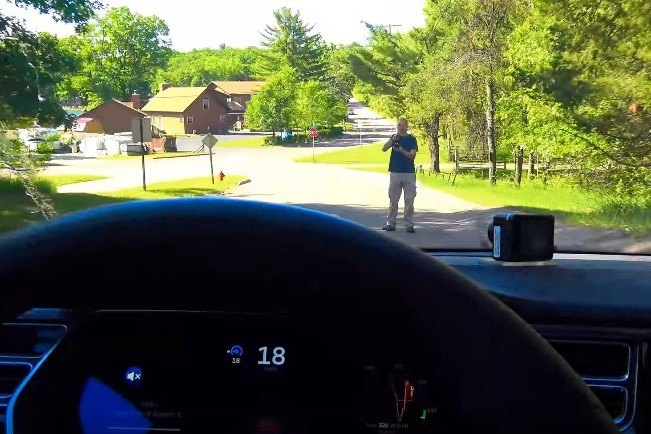
There’s no shortage of safety-minded autonomous technology on Tesla vehicles, but a video suggests some features could say “forget it” when asked to work.
YouTube user Kman recently posted a video showing real-world testing of the collision avoidance abilities of the Autopilot feature in a Tesla Model S 90D — tests that nearly got his friend splattered across the pavement.
Driverless Vehicle Dilemma: Who Should Your Car Kill If Things Go Bad?
We’re told the future will bring us a blissful, autonomous driving experience that allows us to enjoy the scenery as we read our tablets and enjoy a Venti Macchiato, free of the burden of driving decisions and liability.
Now, for the less happy stuff: who should your safety-minded car kill if it’s forced to make an autonomous Sophie’s Choice-style decision — an occupant or a pedestrian?
A study published in the journal Science tackled that question, with researchers posing various scenarios to 1,900 participants via an online survey. The results show our sense of moral duty is matched by our sense of self-preservation.
Is 'Auto Park' the Cure for Runaway Jeeps?

A software fix issued to Jeep dealers sheds light on how Fiat Chrysler Automobiles plans to stop the accidental rollaways plaguing many of its vehicles.
The dealer service document, issued for recalled 2014-2015 Jeep Grand Cherokees with the confusing Monostable shift lever, was obtained and published by Jalopnik.
FCA voluntarily recalled 1.1 million vehicles in April after the shifter, which sometimes stays in gear after drivers think they’ve shifted into “park,” was linked to hundreds of rollaways and 41 injuries. That was before the shifter became the focus in the recent death of actor Anton Yelchin.
Toyota to America: Sorry, No Solar Prius Roof for You
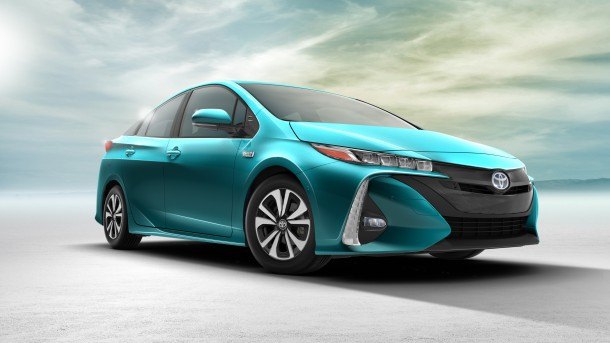
Hybrid fans looking to harvest free solar power as they drive (or park) won’t get that ability when the Toyota Prius Prime arrives in the U.S. this fall.
The automaker announced that European and Japanese buyers will get a solar roof version of the plug-in sedan, but Stateside customers will have to wait, Automotive News reports. Toyota faces an engineering and regulatory hurdle in the U.S. — America has stricter crash regulations, and its engineers haven’t been able to create a solar panel mount that doesn’t shatter during rollovers.
Rolls-Royce's Future: Star Wars Meets Superfly
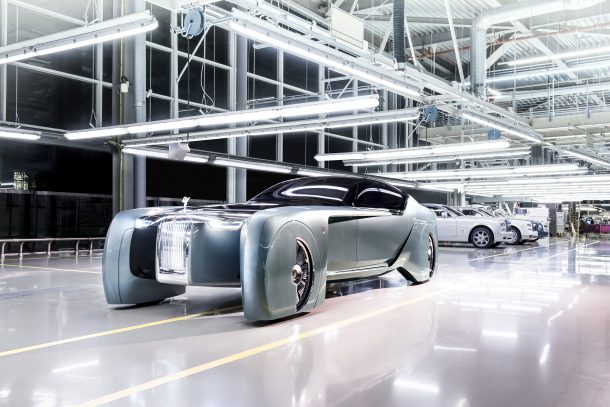
The thing about really old car companies is that they seem to enjoy taking the gulf of time they’ve been in existence and projecting it into the future.
Rolls-Royce, the 110-year-old purveyor of rolling boutique enclaves for the horses and mahogany set, just looked ahead and saw something…intergalactic?
'Rear Seat Reminder': GMC Adds Warning Chime So You Don't Forget You Have a Kid
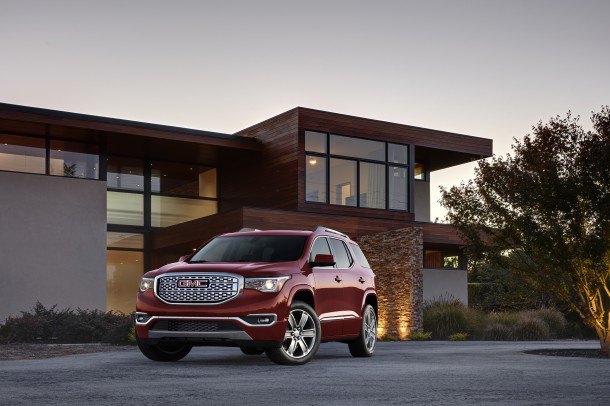
Sometimes, someone invents a device that perfectly sums up the world we live in. Selfie sticks and microwave bacon racks are good examples, but GMC has a strong candidate with its Rear Seat Reminder.
The automaker just announced that the new warning chime, which monitors the rear doors of the 2017 Acadia SUV, will alert drivers to the fact that they’ve procreated, and that their vulnerable offspring is currently sitting in the backseat.
Voyeur Edition? The Cadillac CT6 is Ready to Record Your Private Moments
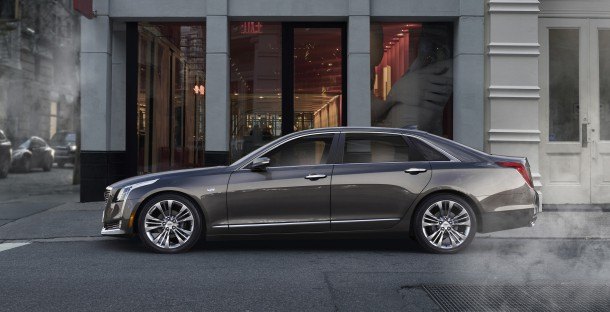
You just know this feature is going to be used by a frisky couple or a penniless college film student with a traditional, “buy domestic!” uncle.
Cadillac made a big deal about the video rear-view mirror in its 2016 CT6, but now it says drivers can film — and store— video shot by four external cameras. With the range-topping sedan now rolling into dealers, the automaker really wants people to know just what the industry-first system can do.
Don’t lose that memory card if you’re an adventurous driver.
Fiat-Chrysler Could Partner With Uber on Self-Driving Cars: Report
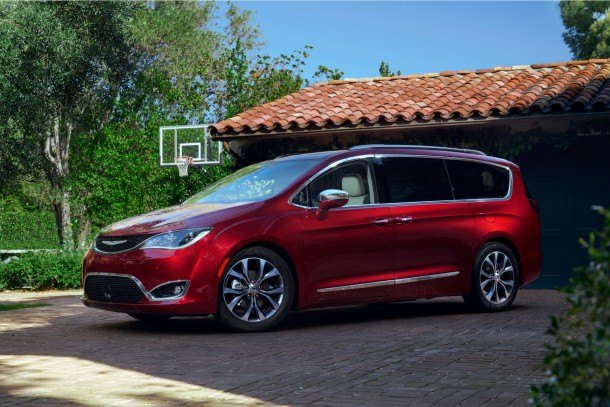
Fiat Chrysler Automobiles CEO Sergio Marchionne could be on the cusp of a new (corporate) romance.
The automaker is talking with ride-sharing megaprovider Uber about join forces on a self-driving vehicle venture, according to Automotive News. Sources close to the matter say those talks are in the early phase, but a agreement could be announced before the end of the year.
Model X Crash Details Emerge: Tesla Claims Human Error, Owner Says Otherwise

It’s a good ol’ fashioned case of he said/his electric carmaker said.
Yesterday, we all puzzled over the case of the California man who claimed his brand spankin’ new Tesla Model X went Maximum Overdrive and attempted to turn a store into a drive-thru.
In response to media scrutiny, Tesla Motors reviewed the vehicle’s electronic log (isn’t data collection great?), and now says the finger of blame points squarely at the driver, not at a vehicle malfunction.
Tesla Model X Owner Says His Vehicle Crashed Itself

A California man is looking for answers — and repairs — after he claims his five-day-old Tesla Model X unexpectedly accelerated into a building at full speed as he was attempting to park.
Puzant Ozbag took to the Tesla forum to describe the June 5 incident, which launched his vehicle into the wall of an Irvine store and left his wife with minor airbag-related injuries.
Tesla Model 3's Final Design is Still Six Weeks Away: Musk

Four weeks after he said the Model 3’s design was six to nine weeks from being finalized, Tesla CEO Elon Musk now says he’ll need six more weeks until the affordable EV is off the drawing board.
Got that? When the Model 3 (scheduled for production in late 2017) was unveiled on March 31, almost everyone noticed the embryonic state of the vehicle, especially its blank-slate interior. What the future electric sedan will look like after Tesla finishes its design work is still anyone’s guess.
You'll Pay to Juice Up Your Model 3, Musk Tells Tesla Buyers

Tesla founder and CEO Elon Musk plans to turn off the free electricity taps at his company’s Supercharger stations for owners of the upcoming Model 3.
Musk made the announcement last night during a question and answer session at the company’s annual shareholders meeting.
Paying to use the Tesla-financed recharging network isn’t something the roughly 373,000 reservation holders want, but the decision comes down to basic economics, said Musk.
Ghost in the Machine: Man Sues Over Possessed Tesla Model X

Bad PR from customers annoyed by their problem-plagued Tesla Model X SUVs continues to hammer the electric automaker.
A lawsuit filed against Tesla by a California man is the latest bit of bad news (and press) for the company. According to Barrett Lyon, the bizarre electrical gremlins running loose in his Model X turned his vehicle into a static driveway decoration.
Nein! Mercedes-Benz Won't Let the Diesel Dream Die
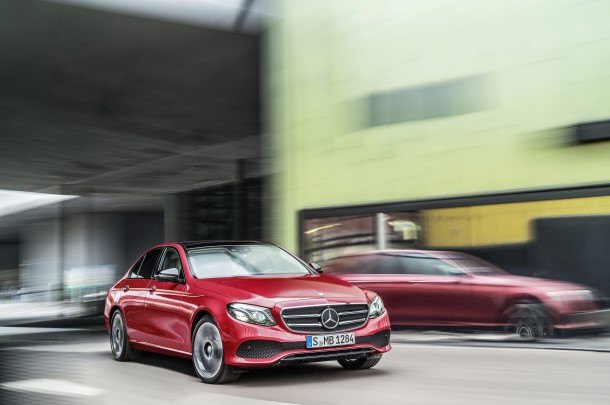
The world’s oldest automaker isn’t about to let regulators pry its diesel engines from its warm, German hands.
Mercedes-Benz is rolling out a new line of oil-burning engines that will surpass even the most stringent emissions requirements, AutoExpress reports.
So stingy are the new diesels, the automaker says they’ll pass looming European Union requirements that aren’t scheduled to go into effect until 2017.
NSA in Your NSX: Your Car is a Data Breach Waiting to Happen

Your faithful four-wheeled companion — the one that costs you an arm and a leg but you still love it — has the data-gathering potential to make your life a Kafkaesque nightmare.
Researchers have found that a car’s computer network can identify a driver just by the way they operate the vehicle. Even something as simple as the brake pedal can pinpoint who’s behind the wheel, according to a report published in Wired.
Toyota and Volkswagen to Ride-Sharing Companies: 'Take Our Money!'
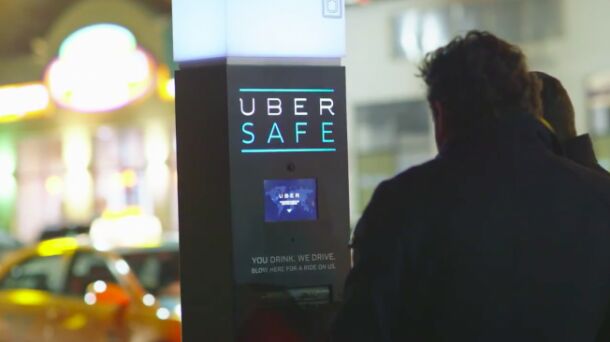
Not wanting to be left out of the mobility party, Toyota and Volkswagen recently invested in two ride-sharing companies, becoming the latest automakers to sink cash into the sharing economy.
Toyota invested a rumored $100 million in the ubiquitous ride-sharing company Uber, while Volkswagen, which has to meter out its dough carefully (thanks to a pesky little scandal), dropped $300 million on Uber’s taxi-hailing rival Gett.
Sorry, Sergio - Google Has No Plans to Expand the Relationship

It looks like the fling between Google and Fiat Chrysler Automobiles will end up being a brief affair.
Despite partnering with FCA to test autonomous technology on a fleet of Chrysler Pacifica Hybrids, the tech giant says it has no plans to take it further with the automaker, according to Reuters.
Really, it doesn’t mean anything, Google wants other companies to know. Just two self-driving Pacificas passing in the night.
Do the Herky-Jerky: Ford's PowerShift Problems Aren't Over

Ford Motor Company probably wishes it had gone with a CVT.
After weathering years of complaints about the performance of its six-speed PowerShift dual clutch transmission, Australia just added to the misery with a class-action lawsuit, CarAdvice reports.
The suit, which alleges the transmissions are unsafe, concerns 2010–2014 Ford Fiesta and Focus models.
LAPD to Tesla: 'Thanks, But Maybe Some Other Time'

It was nice of Tesla founder Elon Musk to deliver a Model S P85D to the Los Angeles Police Department for testing last year, but they’re kindly going to return it. Possibly with a note under the wiper asking him to make it much cheaper.
The hyper-performing electric sedan took up residence with the LAPD (along with a BMW i3) last September, part of a research initiative that studied how EVs could fit into a future policing model.
With testing over and grades handed out, the LAPD can now say with confidence that the Model S isn’t their cup of tea. The speed was nice, but the price? This isn’t Dubai.
Hyperloop Makes Successful Open-Air Test, Breaks the Speed of Yawn

No one wants their most exciting moment to last two seconds, so let’s hope the folks at Hyperloop One have bigger things coming down the, erm, pipe.
Yesterday, amid great fanfare and hype, the recently renamed Hyperloop One (formerly Hyperloop Technologies) performed the first open-air test of the electromagnetic propulsion system at the heart of the futuristic transportation concept.
As a bandstand of employees and media watched beneath the hot Nevada sun, a test vehicle rocketed along a track for two seconds, hitting Camry-on-a-joyride speeds — officially, 116 miles per hour — before plowing into a sand trap. The future doesn’t have brakes yet, just sand.
Tesla Model 3's Design Isn't Finalized; Musk Flings Cash to Kick-Start Production

At the Tesla Model 3’s glitzy unveiling, everyone knew the model was a half-baked cake. Now, company founder Elon Musk admits the much-hyped electric sedan still isn’t out of the oven.
Musk said in a recent conference call that the design of the $35,000 Model 3 EV still isn’t finalized, according to Reuters, and the company plans a spending spree to get the model into production on time.
Genesis Will Offer Plug-ins ASAP, Hyundai CEO Says
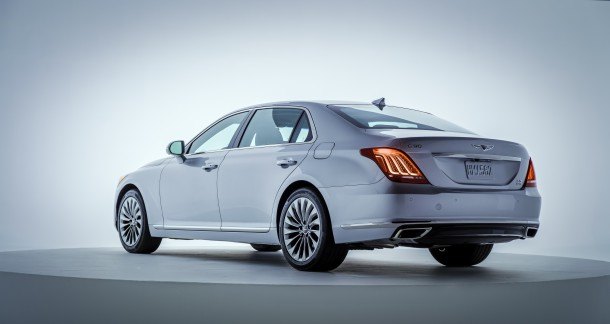
The newest luxury marque is already pursuing an electrification strategy to compete with the Germans.
Genesis, the upstart luxury division of Hyundai, rolls out its first vehicles this year, and plug-in hybrid models will soon follow, reports Automotive News.
The effort is all about battling competitors BMW, Mercedes-Benz and Porsche on their own turf. Those luxury automakers are planning to increase their hybrid offerings in a market seen as more receptive to plug-ins.
Motor Mixtape: Drivers Aren't Shifting, so Ford Wants to Pump Up the (Engine) Volume
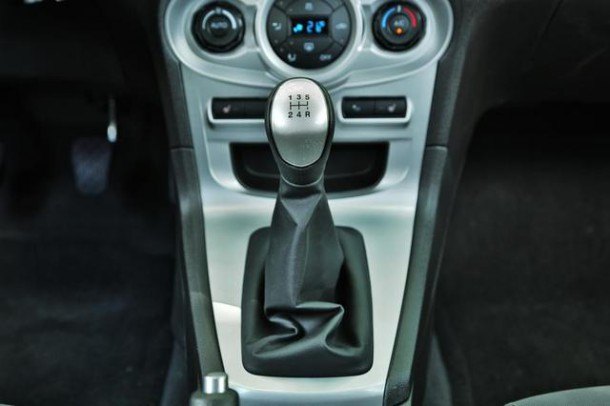
In the 1960s, automakers wanted to put a tiger in your tank, but now Ford Motor Company wants a howler monkey under your dash.
The automaker was concerned that drivers used to “shifting by ear” aren’t getting the gas mileage their efficient, small-displacement engines were designed for, so it patented an acoustic device that mimics a bigger powerplant, Autoblo g reports.
Open-Minded Sergio Willing to Stick With Tech Partner; Could Play the Field, Though

Fiat-Chrysler CEO Sergio Marchionne can see a beautiful future with partner Google, but there’s plenty of fish in the sea, you know.
Speaking in Windsor, Ontario, where Chrysler Pacifica minivan production recently kicked off, Marchionne called FCA’s Google fling the “first phase” of their relationship, but admits to wanting to keep his options open, Automotive News reports.
Honda's Revolutionary Assembly Line Makeover Takes Workers on a Ride
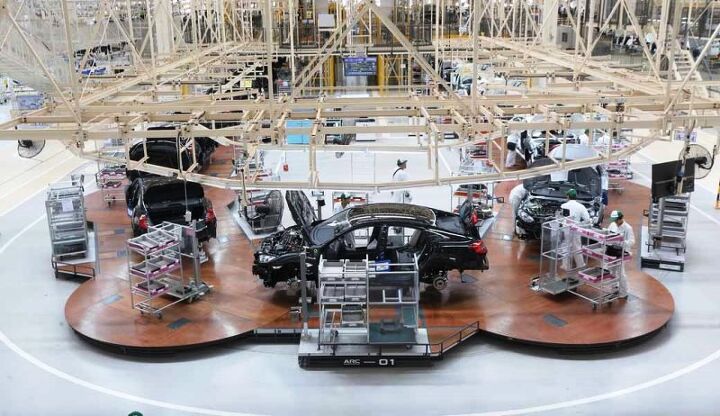
Henry Ford’s way of building cars was so 20th Century, so Honda tried something new.
Workers at the automaker’s new Thailand plant now stay in motion all day, moving with the vehicle as it travels down the assembly line, Automotive News reports.
Want Your Tesla Model 3 Before 2019? You'd Better Act Fast
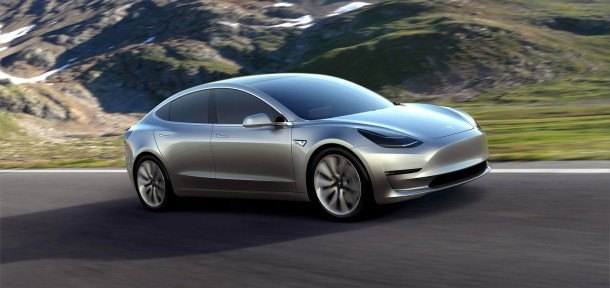
Time’s a wastin’ if you want to impress your friends and neighbors with a gee-whiz Tesla Model 3 anytime in the next three years.
As he’s known to do, Tesla founder Elon Musk took to Twitter last night to warm wannabe owners about the growing wait for his $35,000 electric sedan. If you’re just lining up for a Model 3 now, consider signing a lease for another vehicle while you wait — you probably won’t have to terminate it early.
Meth Dealers' Worst Nightmare - a Ford That Sniffs Out Drugs (and Gets Great Mileage)

Call it the Ford Narc.
In the near future, police cruisers could detect drug labs just by sniffing the air as they drive down a street, CBC DFW reports (via Autoblog), all thanks to a device built by a team from the University of North Texas.
The highly sensitive mass spectrometer, calibrated in the clean air climes of Antarctica, was installed in the front seat of a Ford Fusion Energi sedan eight months ago.
Musk Admits to Factory Sleepovers as Tesla Gets Real on Production Forecast

There’s probably no s’mores or ghost stories, but Tesla founder Elon Musk is still a fan of camping out at his company’s Fremont, California production facility.
Musk admitted to giving his sleeping bag a regular workout during a recent earnings call, during which he outlined his production goals for the upcoming Model 3. The optimistic deadline of July 1, 2017 is now viewed as impossible (due to supply issues), but Musk is optimistic that significant quantities of the $35,000 EV will be out the door before New Year’s Eve.
Musk might need to splurge on an upgraded sleeping bag next summer.
Strange Bedfellows or: How Sergio Got His Way and Created a Fleet of Robot Pacificas
A dream collaboration has finally become a reality for Fiat Chrysler Automobiles CEO Sergio Marchionne.
After angling for a partnership for over a year, FCA has announced a joint venture with Google’s Self-Driving Car Project. This is the first time the mega company has worked directly with an automaker to test its shadowy autonomous vehicle technology.
Now ISIS Wants Into the Self-Driving Car Business

Don’t expect ride sharing.
It seems, some days, that everyone and their sister is working on autonomous vehicles, but a NATO security expert just confirmed that even ISIS is getting in on the technology, Britain’s Express newspaper reports.
Not interested in giving drivers a chance to stretch out while returning emails, Islamic State militants are instead planning a much more sinister (and very predictable) use for their self-driving cars.
Journalist Prods Elon Musk Into Closing the Model 3's Bulk Order Loophole
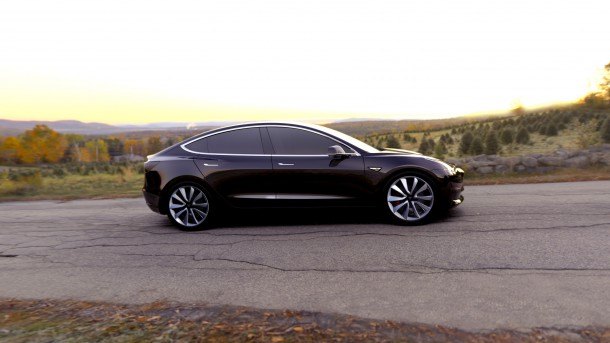
Like a sign next to the egg roll pit at a Chinese buffet, Tesla’s “two Model 3s per person” rule could have been ignored by hungry customers.
Tesla founder Elon Musk had to go on the defensive recently after a financial journalist reserved 20 units of the upcoming 215-mile electric sedan, Automotive News reports.
Volkswagen Shows Off Its New Gasoline-Powered Gas Engine That Runs on Gas

Diesel? What’s that?
Volkswagen is embracing a far less controversial type of fuel with its new 1.5-liter TSI engine, unveiled yesterday at the Vienna Motor Symposium.
The ultra-efficient four-cylinder uses variable turbine geometry (VTG) in its turbocharger to generate peak torque at a low 1,300 rpm, then maintain a flat torque curve until about 4,500 rpm. This leads to fuel economy gains and a better driving experience.
Snapchat Lawsuit: What Actually Happened on That Georgia Highway?
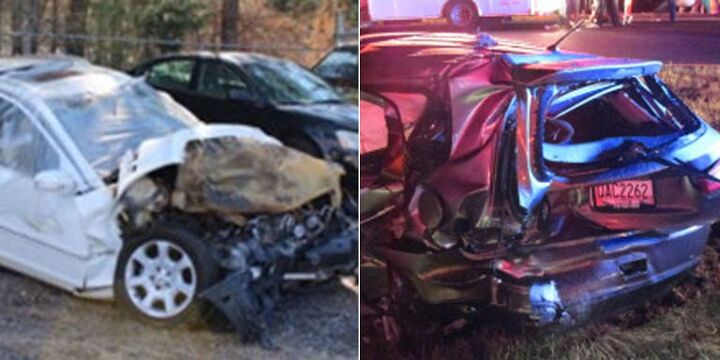
The trial has all the ingredients needed to garner a nation’s attention: a young female driver, a speeding Mercedes, a dark, rain-slicked highway, a carelessly wielded phone, a potentially dangerous social media app, and a hard-working man left permanently disabled.
The lawsuit against Snapchat and motorist Christal McGee by Wentworth Maynard, the driver of the Mitsubishi Outlander rear-ended by McGee’s C230 outside of Atlanta last September, alleges the social media app’s speed filter played a role in the collision.
Life in Prison for Car Hacking? Michigan Takes the First Steps

Hold Up, Ford Wants a 200-Mile EV After All

It seems Ford didn’t want to stay home from the EV dance.
Just 10 days after Ford Motor Company electrification guru Kevin Layden said that 100 miles of range is just plenty, thank you very much, CEO Mark Fields is now saying something very different.
Wary or Enthusiastic? MIT Wants Your Views on Automated Driving Technologies
Like it or not, autonomous vehicles are coming in one form or another.
Many new cars on the market already have features that help a driver stay in the driving lane, keep a safe distance from the vehicle in front, or reduce the severity of a collision. Much like the original stability control, these features may frustrate enthusiasts but they help keep the masses safer and might reduce accidents.
Each year, the Massachusetts Institute of Technology and the New England Motor Press Association hold a conference that focuses on various future trends and technologies. This year’s topic is The Intersection of Technology and Design, with a panel discussion exploring trends and challenges as autonomous technology meets the natural aesthetic appeal of the automobile.

Can the Tesla Model 3 Break Even at $35,000? This Guy Says 'Nope'
Tesla is in the game to make money with its $35,000 Model 3, due out in late 2017, but that claim was recently disputed by an industry insider.
Jon Bereisa, an electric vehicle engineering consultant (and former General Motors systems architect responsible for the Chevrolet Volt), said recently that the Model 3 needs to be much more expensive for Tesla to break even, according to StreetInsider (via Electrek).
BMW Really Wants Mini Owners to Rent Out Their Cars
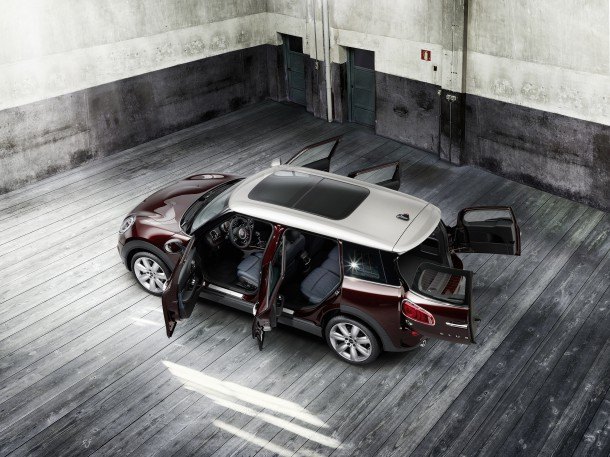
“Clean up the place when you’re done with it, and don’t even think of offering ‘hourly rates’ while you have it. This is a respectable car.”
Adds like this could start popping up from new Mini owners if the quirky automaker has its way, Automotive News Europe reports.
Mini plans to offer devices on its models that allow the owner to rent out their vehicle to other drivers, providing some cash for themselves and a Mini experience for non-owners.
Peter Schwarzenbauer, the BMW Group executive in charge of Mini, seems very excited about the technology, telling Automotive News that the system will be “kind of like Airbnb on wheels.”
Roll With It: FCA Voluntarily Recalls 1.1 Million Models With Confusing Gear Selector
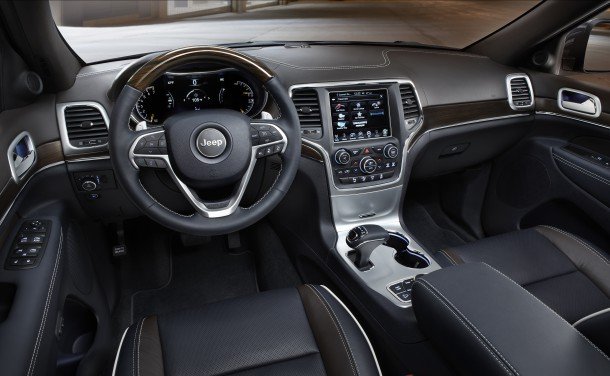
Like an unoccupied Dodge Charger stuck in “Drive,” Fiat Chrysler Automobiles’ gear selector controversy was rapidly building momentum before yesterday’s announcement.
Responding to numerous instances of runaway vehicles and an expanding National Highway Traffic Safety Administration investigation, FCA voluntarily recalled 811,586 vehicles in the U.S. and 52,144 in Canada, and a further 265,473 in Mexico and overseas.
Is Musk Planning a New Way of Getting Around for Us Plebs?
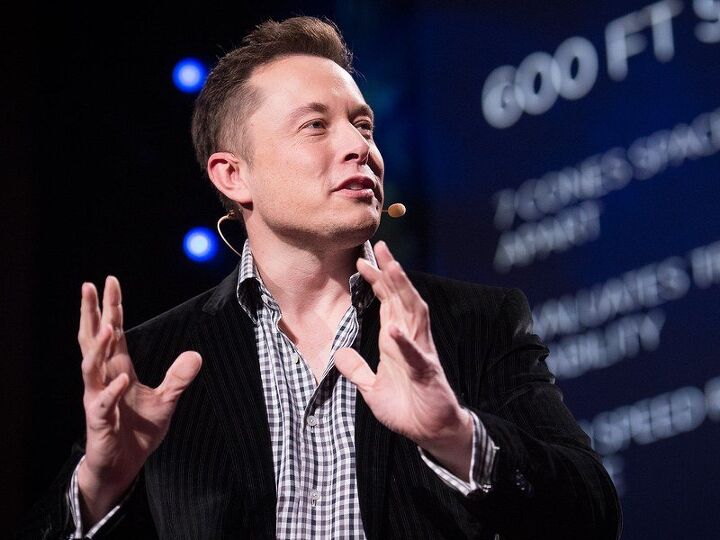
Not everyone can afford a Tesla, even the lower cost Model 3, so what is Elon Musk going to do for the public transit set?
Something, apparently. The Tesla founder coyly hinted at a next big thing during a talk in Norway, according to Bloomberg, leaving many wondering whether he had a plan to do away with buses.
The Future of Batteries is a Far-Out Trip, Man

Besides making steaks seem fancy and sending rebellious teens to the furthest reaches of the galaxy, it turns out mushrooms have another use.
Fibers from a type of wild mushroom outperformed graphite anodes on lithium-ion batteries, Wards Auto reports, a finding that surprised researchers at Purdue University.
As electric cars slowly proliferate, the knowledge could revolutionize the future of high-capacity batteries.
Hyperloop Visits Detroit; Will Auto Talent Make the Jump From Tires to Tubes?
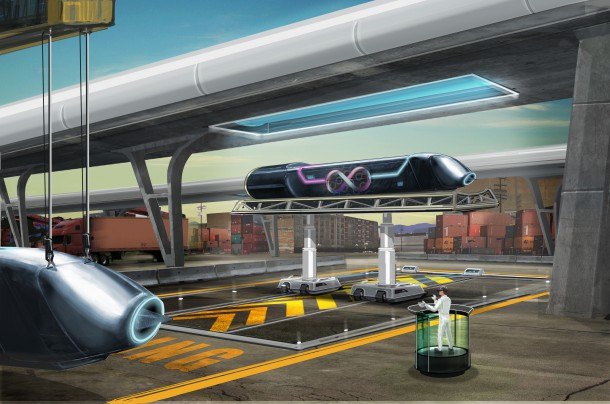
Hyperloop Technology’s co-founder and chief technology officer Brogan BamBrogan, who is a real person and not a Bond villain living in a volcano lair, choose yesterday’s SEA International Congress talent meetup to push the Elon Musk-conceived technology, Automotive News has reported.
BamBrogan’s company is dangling job opportunities in front of the Detroit crowd in a bid to lure new henchmen auto industry talent into its fold.
The former Chrysler and SpaceX engineer’s message to the Detroit audience was clear. To paraphrase Seinfeld — this technology is real, and it’s spectacular.
“We’re calling this our Kitty Hawk moment,” BamBrogan told them.
Movin' on up: Tesla's Model X Boasts a Bigger Base Battery
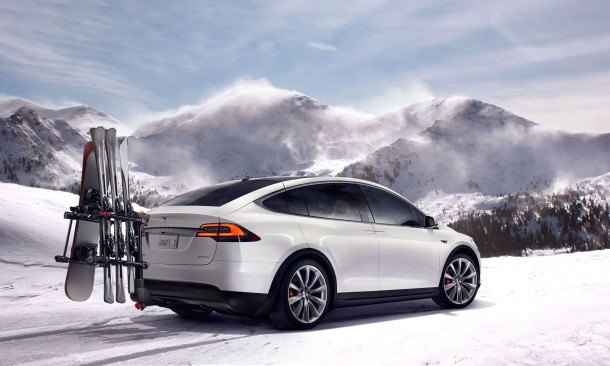
Changes to the Tesla lineup have never come at a more rapid pace.
After revealing the new face of the Model S yesterday, and two weeks after unveiling the Model 3, Tesla has kept the news flowing by ditching the 70 kilowatt-hour battery in the base Model X for a 75 kWh juice pack — and bumping up the price to match.
The all-wheel-drive SUV doesn’t get any faster with the upgrade — the 0-60 mph time is still six seconds — but the 75D can now travel 17 miles further on a charge, going from a 220-mile range to 237 miles.



Recent Comments