Chevrolet Volt Could Wear a 'Buick Velite' Nametag in China
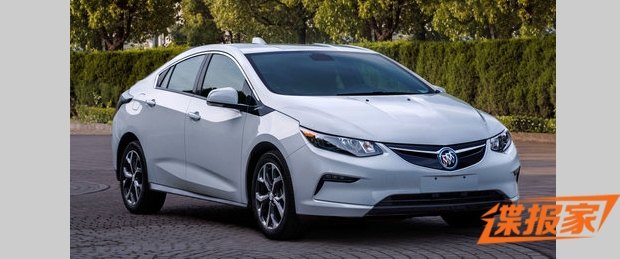
American Chevrolet Volt fans have long discussed how the quasi-upscale extended-range EV might have fared with a Buick badge instead of being branded as a bread-and-butter Chevrolet.
It appears the Chinese have gone beyond the discussion phase.
According to Chinese website Autohome, Shanghai GM gets it, and has pulled the strings to rename the Chevy Volt the Velite for a brand that is more prestigious and sells in higher volume in China.

Aston Martin Will Sell You a House … and a Boat

The Aston Martin Cygnet was just the beginning.
For those who thought the luxury automaker’s now-defunct rebadged Toyota city car was a weird idea (and that includes just about everyone), just wait. Aston Martin is now eager to sell you anything — your clothes, your baby stroller, and even your house.

Automakers Shelled Out Millions for Olympic Ads That No One Talked About
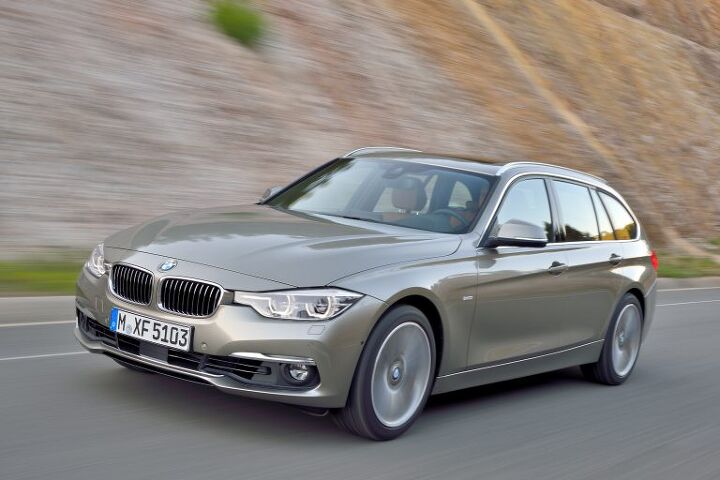
It makes sense that an advertising blitz during the year’s most-watched event will boost your brand, but that wasn’t the case for automakers during the Rio Olympics.
According to a brand interest study, automakers who spent the most money saw no improvement in consumer perception, Automotive News reports.
Will Volkswagen's Three-Row Crossover Be Called Teramont, or Something Else?

Forget head-scratching model names like Tiguan and Touareg. For its new midsize crossover, Volkswagen scrapped its naming-by-German-committee tradition and turned the process over to its American division.
When the new models goes on sale next year, expect a rugged, easy-to-pronounce name designed solely for the U.S. market, Automotive News reports. That name could be “Teramont.”
FCA Cop Out: Looming Jeep Wagoneer, Grand Wagoneer Are Just Fancy Grand Cherokees

If you were expecting Jeep’s upcoming Wagoneer and Grand Wagoneer to be range-topping standalone models, think again.
According to Automotive News, the new additions to the lineup will simply be upscale versions of the next-generation Grand Cherokee. Consider your retro-tinged dreams squashed.
The Saab Car Brand is Dead. Mourn (Once Again) for Saab

You can forget about ever buying a new car with the Saab name attached. That’s right, Swedeophiles, the name that conjures up happy memories of a quirky-but-attainable brand that hated column-mounted ignitions is officially dead.
National Electric Vehicle Sweden AB (NEVS), the Swedish holding company that bought up Saab Automobile’s assets in a 2012 bankruptcy sale, just announced it won’t sell any vehicles under the Saab name.
There won’t be a Swedish Spring after all. Not even in China.
Toyota Ranks First in Brand Value, Volkswagen Plummets

When it comes to brands that resonate with buyers, no other automaker tops Toyota, according to a recent study.
In its annual ranking, BrandZ Top 100 Most Valuable Global Brands shows the Japanese automaker rising two spots to place 28th out of all companies in 2015. Second and third-place automakers BMW and Mercedes-Benz both gained ground in the rankings.
Returning the 'Zephyr' Name to the Lincoln Lineup Would Be Pointless
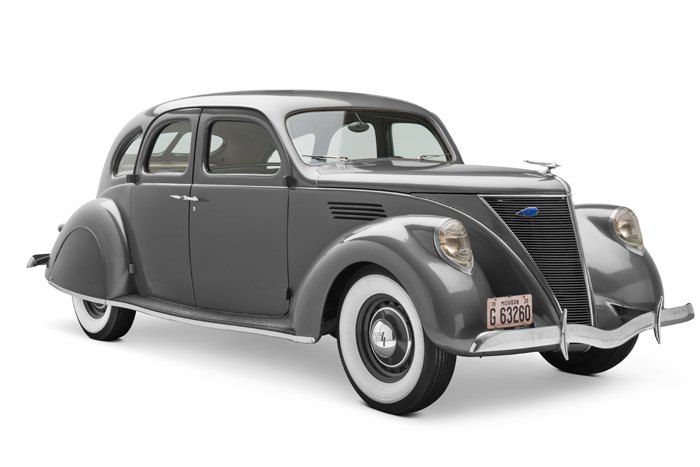
After standing outside the party in the cold, hoping someone inside would hear its plaintive knocking, Lincoln Motor Company is now on the sales rebound.
The restyled MKX is a hit, we’re getting a better looking (and faster) MKZ, and the new Continental is on the way, but there’s also buzz about a another historic nameplate potentially making a comeback. That model is Zephyr — a name Ford Motor Company recently applied to trademark, though if it’s for use on a vehicle, it should probably reconsider.
Could Koda Return to America? Automaker Trademarks Superb, Octavia, Yeti Names in U.S.
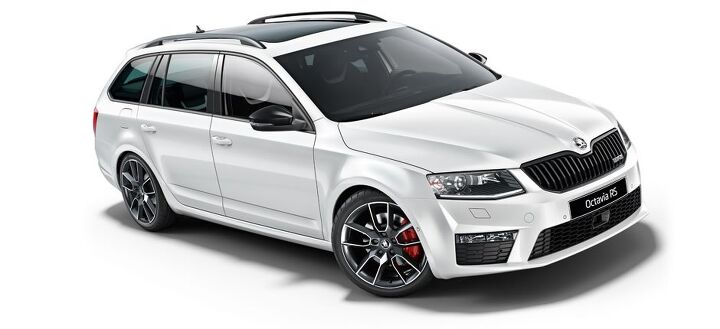
America — would you buy a modern Škoda?
According to AutoGuide, Škoda submitted four separate trademark applications for “Skoda Superb”, “Superb”, “Octavia”, and “Yeti” with the United States Patent and Trademark Office (USPTO) on May 24 and May 25, 2016. USPTO has yet to publish them for opposition.
While this is nothing new for Škoda (the company has continually filed trademarks in America since the 1920s), it’s worth noting what the company applied to trademark compared to what it usually trademarks.

The 8 Series Returns! BMW Plans Lineup Shakeup to Combat Rivals
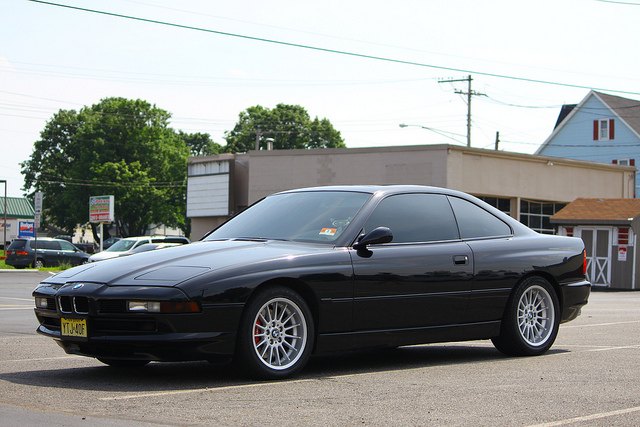
BMW plans to re-introduce the range-topping 8 Series in order to battle its German competition, a report says.
A company insider confirmed to Auto Express that the ultra-luxury two-door, which originally ran from 1989 to 1999, will return to the lineup.
Mercedes-Benz Verdict Puts Neck-Warming Technology on Ice
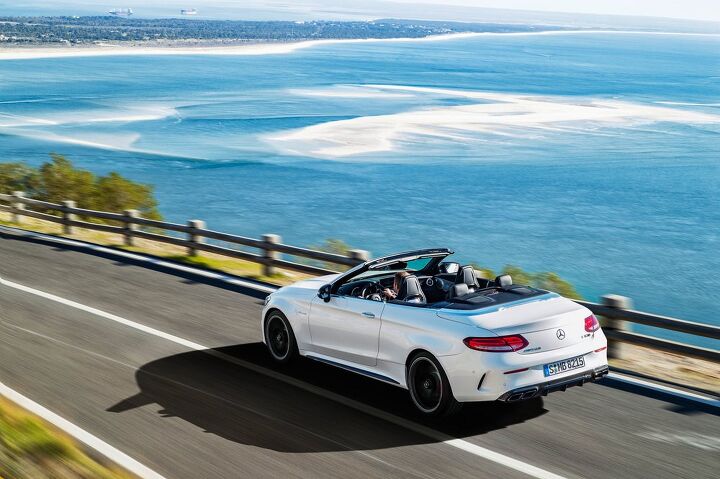
Sales of scarves are poised to jump in Germany after a court ruled Mercedes-Benz can’t blow on its customer’s exposed necks.
A verdict from that country’s Federal Court of Justice just dug a temporary grave for the automaker’s “Airscarf” system, Carscoops reports, citing the German publication Automobilwoche.
The outcome of the automaker’s legal dispute with the company that holds the original 1996 patent means a “stop sale” order for models equipped with the warm air-blowing headrest.
Taking Names: That's 'Mr.' Subaru Corporation, to You
Subaru’s parent company plans to change its name from Fuji Heavy Industries to, simply, Subaru Corporation. Why? Because #branding, of course.
In an effort to leverage the recognition of its Subaru brand, the transportation giant says the move away from its long-winded company name will help grow Subaru as a distinctive global presence in the automotive and aerospace industries.
Fuji Heavy Industries currently has four divisions: Automobile, Aerospace, Industrial Power Products, and Eco Technology.

Sergio Takes the Helm at Ferrari; Confirms Record Profits and a LaFerrari Spider
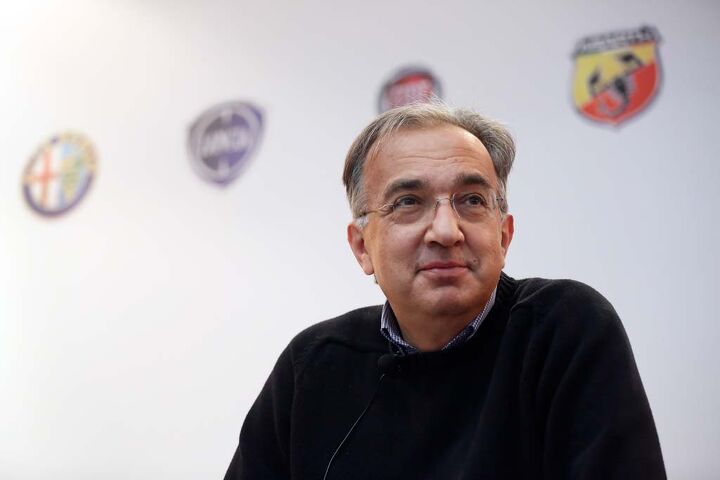
Sergio Marchionne added another CEO title to his résumé yesterday, taking control of Ferrari, where the Fiat-Chrysler head already served as chairman.
He replaces former CEO Amedeo Felisa, who retired after 26 years with the company. Felisa remains on the independent automaker’s board of directors, where he will serve as a technical advisor.
Marchionne now has full control of the company he spun off from Fiat Chrysler Automobiles at the beginning of the year. Two years ago, he succeeded former chairman Luca di Montezemolo, who stepped down in protest of Marchionne’s plans for the brand’s future.
Volkswagen Won't Quit the U.S. Consumer, Because Love is Stronger Than Diesel
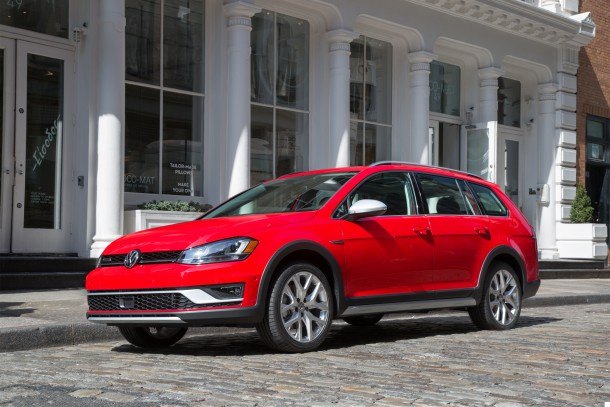
They’re on a little break right now, but Volkswagen plans to saunter back to America’s door, flowers and chocolates in hand.
As the diesel emissions scandal plods along to its buyback conclusion, the automaker plans to woo U.S. buyers with desirable products and a less confusing brand strategy, Automotive News reports.
Volkswagen brand chief Herbert Diess told reporters in Germany last week that the U.S. was still a target market primed for growth, but first the company must convince those buyers that it has changed its ways, and that it’s ready for commitment.
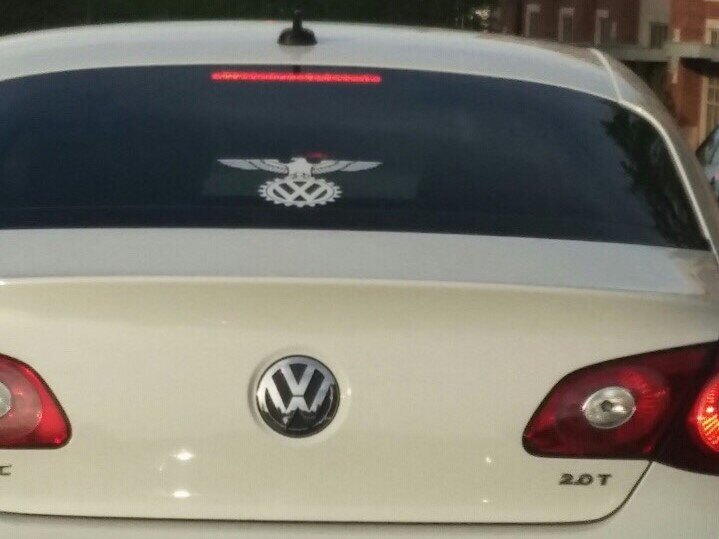
Decal Douchebags: Fhrerocious Sticker Adds Ten Very White Horsepower
Jim Gaffigan Wants to Boost Your 'Dad Brand' With the Chrysler Pacifica
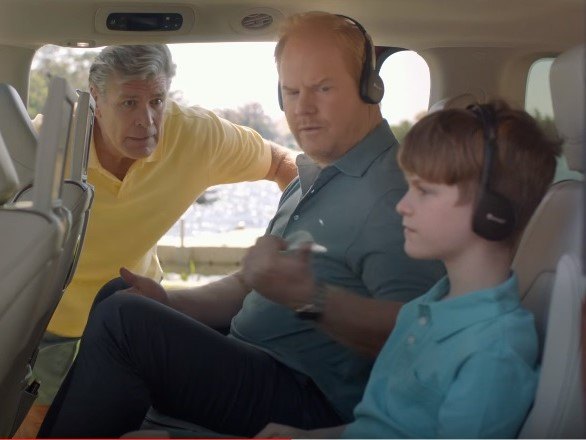
Chrysler needed a pitchman who could rally a nation of parents around its all-important 2017 Pacifica minivan, so it called on Jim Gaffigan.
In a series of new commercials released by Fiat Chrysler Automobiles, the deadpan “everyman” stand-up comic talks up the Pacifica’s ability to improve one’s “dad brand.”
Gaffigan, known for refraining from profanity while practicing the time-honored art of observational humor, comes across as vaguely narcissistic and aloof in the ads, often forgetting the names of his own kids and watching video clips of himself on the Pacifica’s flip-up seatback monitors.
Burt Reynolds Approves of This Teenage Fantasy Turned Real
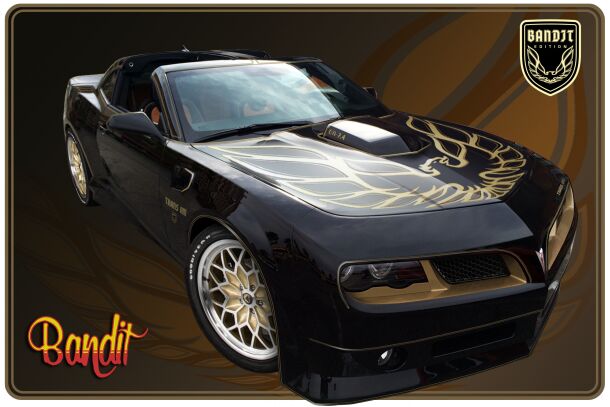
Ungodly horsepower and unbridled car lust? Check. Gaudy awesome lettering and badges? Check. (Optional) Disco era moustaches? Check.
If you’re triggered by anything that isn’t subdued, then the Trans Am SE Bandit Edition is definitely not a safe space.
Trans Am Depot, the Tallahassee-based creator of custom-built Trans Ams (using 5th-generation Chevrolet Camaros as a canvas), is out to satisfy 77 lucky buyers who yearn for the heady days of the late 1970s.
Nissan to Ad Agencies: "It Takes Brass Balls to Sell Cars!"
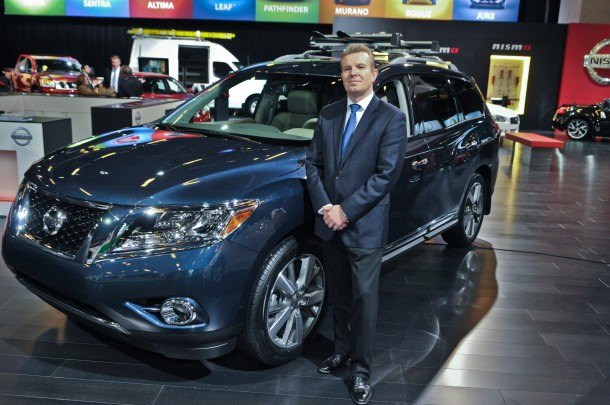
Nissan’s U.S. sales boss delivered some Glengarry Glen Ross-style “motivation” to its ad agencies in order to pump up the brand’s weak messaging via a new campaign.
Christian Meunier, who took control of Nissan’s U.S. sales and marketing in January, dressed down a roomful of agency reps a week into his new job, according to Automotive News (via Ad Age).
Ford is Thrilled by a Teeny, Tiny Product Placement
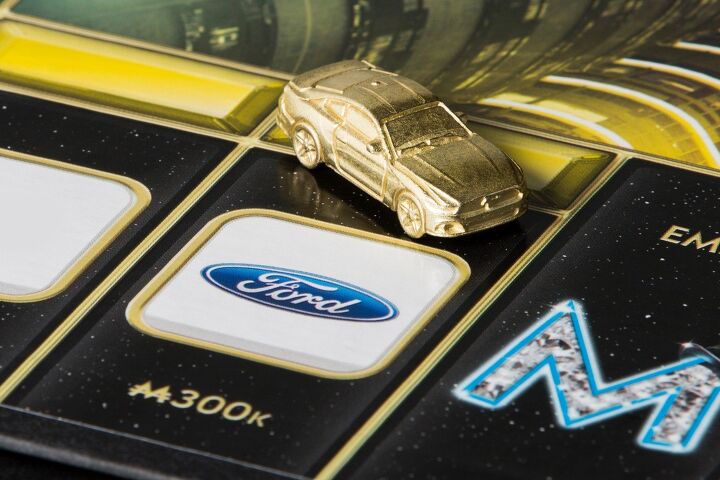
When you get to a certain age, you think you know everything about Monopoly:
Children will cheat (it’s what they do), you’ll never make money off of the louse-infested Baltic Avenue, and utilities can be a cash cow — especially in real life.
But who knew there was a version of Monopoly devoted to brands? Huh? Playing a game devoted to brands means people might start talking about brands, and that’s not something you should do.
Toyota 86s Scion FR-S in Name Only, Gets Power Bump

Scion’s slow-selling FR-S rear-wheel-drive coupe is about to become Toyota’s slow-selling rear-wheel-drive coupe, and it will be branded with the same moniker as in many other parts of the world.
That’s right: this is the Toyota 86, also known as what it should have been named here in the first place.
If You Can Handle a Color From 1970, You Could Be Dodge Material
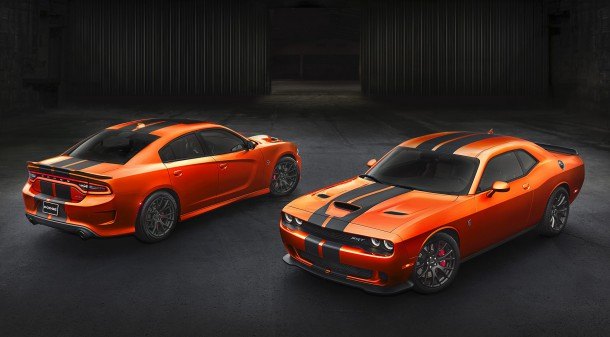
The paint — erm, act could be wearing thin.
In its latest nod to the heady and far-out past, Dodge will let you have your Challenger or Charger SRT 392 or Hellcat in its newest resurrected color, “Go Mango.”
Joining other blast-from-the-past(els) like “Plum Crazy,” Go Mango was offered for the first time on the 1970 Challenger — a legendary car from a truly great year, assuming you weren’t in Vietnam or a Jimi Hendrix fan.
With Peugeot-Citroen Eyeing New Markets, Could There Be a French Car in Your Future?

With the Saab brand now functionally dead, could the next quirky car du jour for individuality-signalling Americans come from France?
All eyes will be on PSA Peugeot Citroen on April 5 as France’s top automaker reveals its new international growth strategy, possibly heralding a return to the long-abandoned U.S. market.
The U.S. and Iran are being looked at as potential export markets, now that PSA’s “Back in the Race” restructuring program has improved the financial fortunes of the once-struggling automaker.
Scion Monospec Strategy Continuing for 2017, Trims May Arrive for 2018

Beyond the funky metal, there’s one element that set Scion apart from its Toyota mothership: monospec pricing.
By offering up only a single trim for each models and reducing options to paint colors, transmissions and accessories, Scion was able to market its vehicles to a different audience and offer a no-haggle sales approach.
For the 2017 model year, that monospec approach will continue, but Toyota is evaluating its future. Also, Scion’s no-haggle pricing model won’t be surviving the transition to Toyota.
OFFICIAL: Scion Is Dead, Will 'Transition to Toyota' for 2017 Model Year
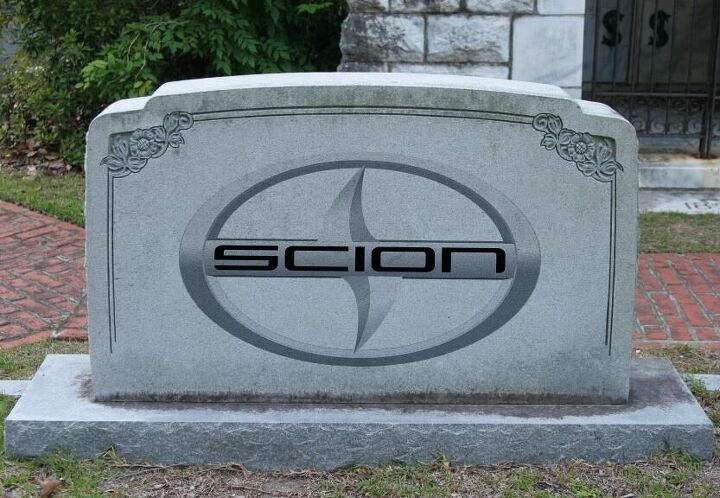
Toyota officially announced Wednesday morning that Scion will “transition to Toyota,” effectively killing off the youth brand started in 2002. Its first vehicles went on sale in California in 2003, and included the xA hatchback and xB wagon.
According to a release from Toyota, Scion “is now transitioning back to the Toyota brand” and most Scion models well be rebranded as Toyotas starting August 2016 for the 2017 model year, including the forthcoming C-HR. The Scion tC will be discontinued as of August 2016.
UPDATE 2: Will Toyota Kill Off the Scion Brand Today?
Update 2: Toyota has officially announced Scion’s “transition to Toyota.”
Update 1: Road&Track is reporting it has confirmed the rumor with an inside source and the death of Scion will be publicly announced later today.
A top-secret meeting took place Tuesday afternoon to announce the death of the Scion brand to employees, reports CarBuzzard (via Motor Trend). The company is rumored to make the announcement public today.
We at TTAC have openly wondered about the future of Scion, though recent sales performance of new products looked to have put the youth-oriented brand on the right track.
RIP: General Motors' Fastlane Blog 2006-2015
General Motors quietly redirected its Fastlane Blog back to the mothership in December, signaling an end to the direct-to-C-suite “conversations” you could have with automotive executives.
The blog, which once hosted Maximum Bob’s musings on life, design and resign, was held up as a paragon for corporate communication in its day ( it won a Webby) and provided fodder for this site.

NAIAS 2016: Ford and LEGO Declare Everything is Awesome!!!

Ford and LEGO have teamed up to unveil new Mustang and F-150 Raptor sets, complete with everything the builder needs for a day at the racetrack.
No word if the Mustang has a double-decker flat plane crankshaft.

They're All Infiniti QX30s From Here On Out
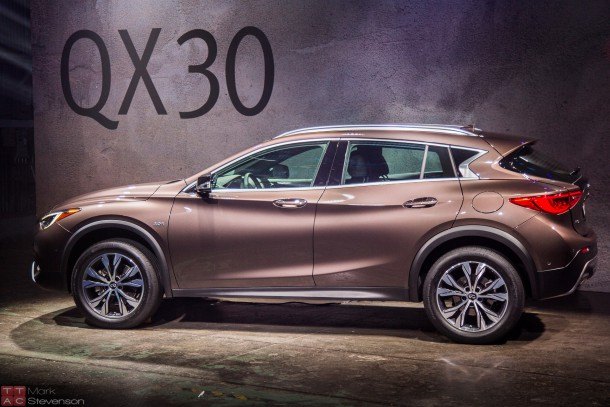
Infiniti finally got our letter that the Q30 and the QX30 looked so much alike that we thought they were the same car.
From here and forevermore they’ll both be known as the QX30, according to the automaker.
Accordingly, the QX30 comes in three flavors: QX30 (nee Q30, or Sedan Spice), QX30 AWD (nee QX30, or Crossover Spice) and a sporty edition QX30S (nee Sporty Spice).
Cadillac Drafting New Dealer Incentive Program
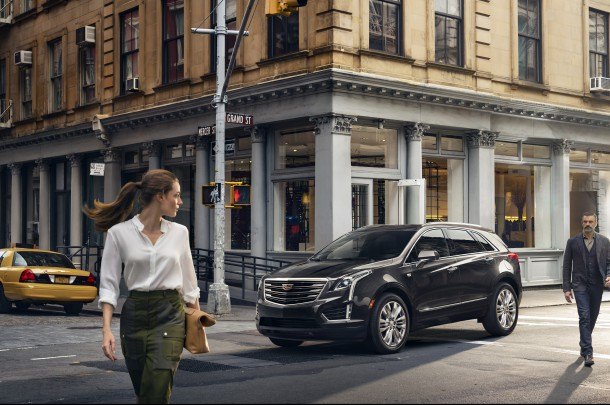
With the CT6 and XT5 hitting the floor soon, Cadillac is working on a new dealer incentive program to encourage improvement of the buying experience at its stores.
Automotive News reports the program could bring as much as $850 million to $1 billion USD “in incremental profit” for the brand’s dealership network over the next four to five years, according to president Johan de Nysschen:
If we want to have a strong brand, we need to have a strong franchise. To do that, it means the dealers are profitable and that they’re able to invest in the business and to build the customer experience.

2016 Pirelli Calendar Discards Nudity For New Theme

Playboy and the Pirelli Calendar had one thing in common (nudity), and as of the 2016 edition of the calendar, they still do (no nudity).
According to Bloomberg, the 2016 Pirelli Calendar has gone in a different direction for 2016, discarding its traditional theme of nude models and actresses for one focusing on 13 women who’ve made a huge impact on society and culture around them.
Shot by photographer Annie Liebovitz (who also has the 2000 calendar on her résumé), the subjects gracing the new year’s edition include musician/poet Patti Smith, tennis phenom Serena Williams, and commedienne Amy Schumer, the latter two posing topless while obscuring their breasts.
Genesis G90 No Longer of Equus Genus (At Least, Not in North America)
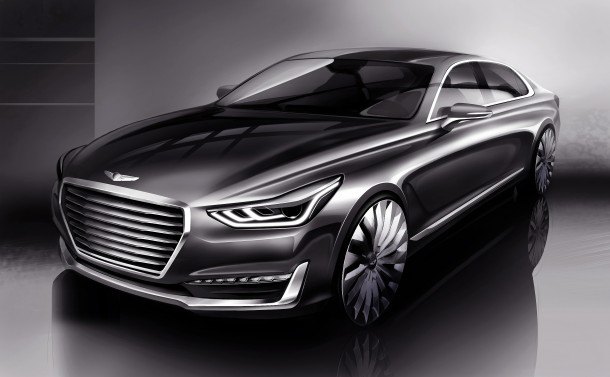
Hyundai revealed Tuesday renderings of the first brand-new model to wear the Genesis nameplate as a marque. The new top-of-the-range Genesis will replace the Equus in the North American market next year, dropping its equine name for something more palatable to our tastes: alphanumerics.
On the other side of the Pacific, horse meat is a delicacy, so it should come as no surprise that the new Genesis G90 keeps its Equus lineage with the EQ900 model designation.
Report: Alfa Romeo Pushes Back Giulia, SUV At Least 6 Months

Alfa Romeo will delay two models critical to that brand’s comeback and will likely miss its ambitious sales target of 400,000 cars by 2018, according to Automotive News.
Fiat Chrysler Automobiles CEO Sergio Marchionne said a weakened market in China forced the brand to reassess its sales target, which he initially set in 2014.
“I still think that Alfa belongs in China,” Marchionne said last week during the company’s announced third quarter earnings call, according to the Detroit Free Press. “The expectations of volumes out of the total pool of 400,000 cars by (2018) are, I think, given current market conditions, not achievable.”
Hyundai Officially Announces Genesis Luxury Brand, Six Model Lineup
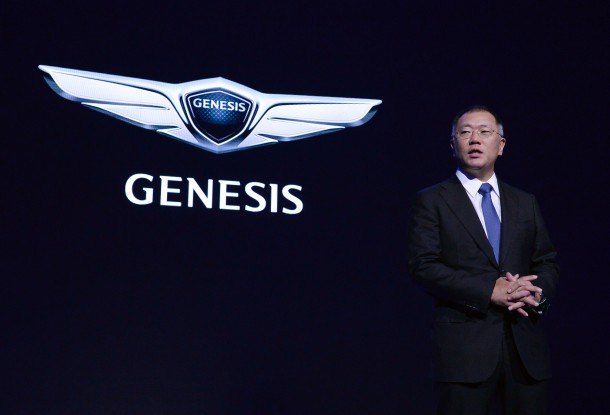
Hyundai officially announced late Tuesday night the launch of the Genesis luxury sub-brand and outlined what’s to come from the new marque.
The announcement comes after the possible launch was reported by Reuters on Tuesday.
According to Hyundai, the new brand will eventually sell six distinct models, starting with the Hyundai Genesis sedan and Equus which will be renamed Genesis G80 and G90, respectively, going into the 2017 model year. Those models will debut in Korea in December and in North America next spring, reported Automotive News.
Report: Hyundai To Spin Off Genesis-branded Luxury Line
Reuters reported Tuesday that Hyundai will spin off Genesis as a global premium brand to compete with German automakers such as BMW, Mercedes and Audi. The news agency quoted sources “close” to the company and said an announcement could come as early as Tuesday.
Hyundai didn’t comment on the report.
According to Reuters, Hyundai would launch Genesis with the Genesis sedan — and possibly coupe — and the Equus sedan. Genesis would add a mid-size SUV around 2019.
Ferrari Stock Races in First Day of Trading
Fiat Chrysler Automobiles chief Sergio Marchionne rang the opening bell Wednesday for Ferrari’s first day of trading on the New York Stock Exchange and shares of the supercar maker soared.
The stock, which was up as high as $60 per share, leveled off around $57 in mid-day trading.
“This is not really a car, it’s a unique expression of art and technology,” Marchionne told Bloomberg.
Interbrand: Toyota Most Valuable Car Brand, Volkswagen Sinks
Interbrand’s annual survey of Top 100 Brands lists Toyota as the most valuable car company (No. 6) with BMW and Mercedes-Benz the next most-valuable brands at Nos. 11 and 12, respectively. Volkswagen’s brand declined 9 percent, according to the survey, down to No. 35.
Mini entered the list for the first time at No. 98. Nissan was among the list’s significant gainers, gaining 19 percent and moving up to No. 49 on the list.
Apple was listed No. 1, ahead of Google and Coca-Cola. Apple’s brand value was estimated by the survey at $170 million.
Volkswagen of America Temporarily Reins In Adverts Amid Diesel Scandal
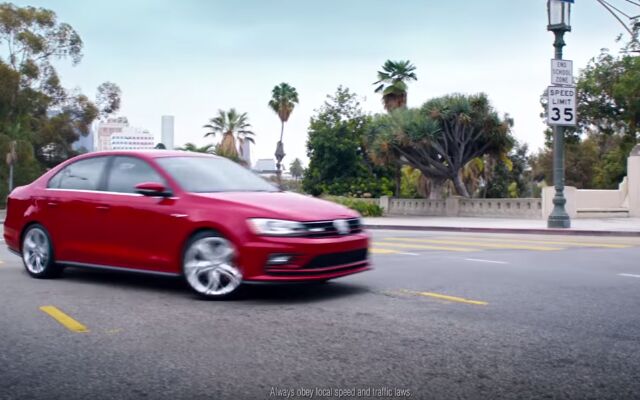
If, while watching your team crush it this weekend, you see few Volkswagen ads, you’re not alone; VW of America is reining in advertising for two weeks.
Nissan-Renault, Daimler Would Be Open To Fiat Alliance
Speaking to journalists in Frankfurt, Nissan chief Carlos Ghosn told journalists that he’d be open to any alliance with an automaker if the opportunity presented itself.
“Any single opportunity we have in front of us … we will entertain,” Ghosn said, according to The Detroit Bureau.
Nissan and Daimler together released Wednesday an update on its joint projects including its factory in Aguascalientes, Mexico that’ll produce both the Infiniti Q30 and Mercedes-Benz GLA.
Everything But The Car: Here's The New Cadillac XT5
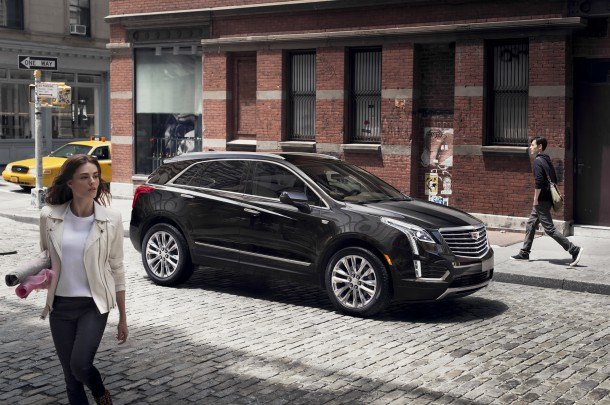
If you looked into the Manhattan skyline last night, you may have caught a glimpse of Cadillac’s newest crossover flying through the air like a Swiss cow airlifted out of the Alps.
That was for fashion writers to see the car’s style (and aerodynamic properties?) and to announce Cadillac’s new partnership with design firm Public School, an Austin, Texas-based studio that’s probably hopelessly cool.
The car didn’t touch the ground, no one drove it, its powertrain is still somewhat of a mystery, and here’s why (via AdAge):
Chief Marketing Officer Uwe Ellinghaus said the goal is to gain the attention of fashionistas, rather than cater to car buffs, auto journalists and other petrolheads. Because in his view, younger customers are less interested in the technical details of cars, and don’t read car magazines as often as they used to. But “they are very interested in fashion. They are very interested in design,” he said.
Cadillac Will Give Us A Taste Of The XT5 This Week, Whole Meal in Dubai

Cadillac will release later this week the first “official” looks at its replacement for the SRX — the XT5 — before unveiling the car first in Dubai, and then shortly after in Los Angeles. Autoblog first reported that the XT5 would be shown in Dubai.
The Dubai International Auto show will be held Nov. 10-14, and the Los Angeles Auto Show will be held Nov. 20-29 for the public, with a preview for media on Nov. 17.
The XT5 has already been extensively photographed in the wild before (See above. And go ahead, Google it if you want to see more, we’ll wait right here) so the reveals this week and in November may be a little anticlimactic.
What If Jeep's Mid-size Pickup Was a Ram Instead?

Like an NFL expansion team in Los Angeles, music in the hallways during passing periods, “welfare queens” and the full-time McRib, Jeep’s mid-sized Wrangler-based pickup might be the only thing we ever talk about. Guess which one may happen now?
According to Automotive News, the Wrangler-based pickup may make an appearance in 2018-ish, after the iconic Jeep platform gets is overdue overhaul, moves to an 8-speed automatic (maybe diesel, too) and incorporates more aluminum into its structure.
The General Motors twins prove there’s room in the segment for something not called a Tacoma or Frontier, so a mid-size makes sense — but a seven-slot grille up front may not.
Nissan's Next Z Vehicle Could Be a Death Star
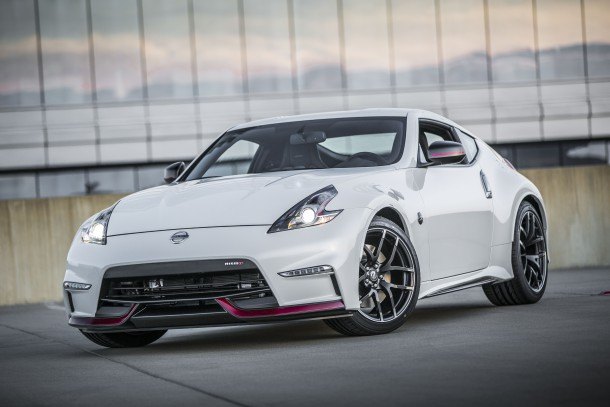
Nissan’s next Z could be a crossover because the world needs another crossover, Autocar is reporting.
The next-generation Z may appear in Frankfurt as a concept to gauge the new direction for the model, according to the report. The car could be a two- or four-door crossover, powered by a gasoline or hybrid powerplant — or it could be a sub-orbital military base with the power to destroy planets. (We just don’t know!)
A crossover Z could be a logical step for the company to appeal to more buyers, or it could cannibalize sales from the Juke. At least we know the next-generation Z won’t be the IDx.
Quattro Receives Re-brand in Australia, Now Called Audi Sport
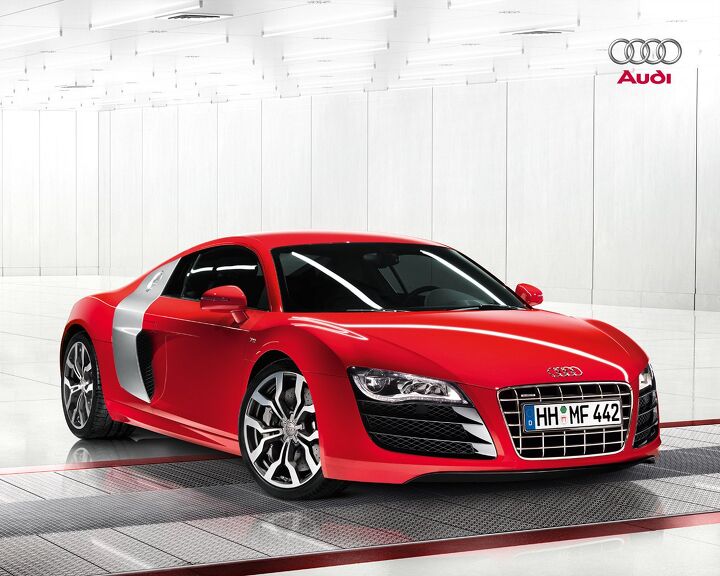
You’d be forgiven if you thought Audi’s performance division was called “RS”. After all, the Germans have a history of using letters to describe their more powerful offerings, such as BMW M and Mercedes-AMG.
In Audi’s case, it’s a bit more complex. While the cars themselves wear S and RS badging, the performance division is actually called quattro GmbH (without the capital Q, because Audi), which is the name of the all-wheel drive system that made the brand so popular with Group B rally fans. It’s compounded by the fact normal Audi’s wear the quattro nameplate when they sport all-wheel drive, so it’s not that exclusive of a name.
In Australia, Audi is looking to fix this organizational and marketing nightmare. Enter Audi Sport.
Could Cadillac Leave General Motors to Be on Its Own?

According to Cadillac CEO Johan de Nysschen, it probably could.
According to Automotive News, de Nysschen told analysts that Cadillac would have a “a far higher degree of autonomy and self sufficiency” within two years, and the company could report its own profits and losses, separate from GM.
Already, Cadillac contributes “a very sizeable contribution to the overall profit at General Motors” de Nysschen said, so let’s cut the dead weight already and keep the ugly sorority sisters in the basement?
Buick Offering 24-Hour Test Drives To Build Brand, Not Sell Cars

Buick is tossing the keys to prospective customers for sleepovers in their driveways as part of a brand-building exercise the automaker says isn’t meant to sell cars immediately.
According to Automotive News, the program — dubbed “24 Hours of Happiness” — gives customers the chance to live with a Buick vehicle for 24 hours starting this coming Wednesday.
Volvo More Than Doubles US Polestar Allocation for 2016
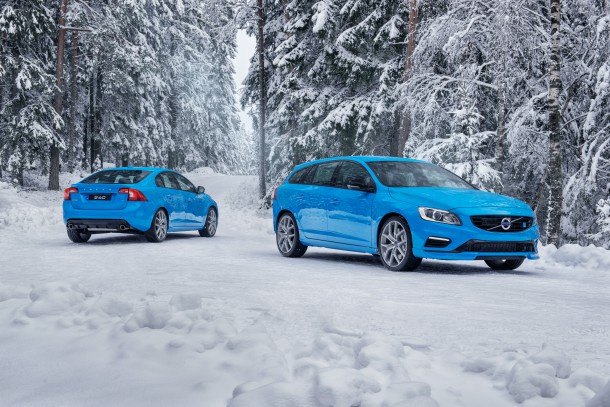
After the sale of Polestar to Volvo, the Swedish automaker is cranking up output and bringing more than double the number of high-performance sedans and wagons to the U.S. for 2016.
Also, there will be more wagons than sedans wearing Polestar badging this time around, as Volvo states 60 percent of the 265 total Polestar units will be V60 models.
Group Says They Won't Protest Kid Rock, GM For Now
The Detroit chapter of the National Action Network says after meeting with officials from General Motors on Thursday they won’t protest the automaker for not cutting ties with singer Kid Rock, the Associated Press is reporting.
The group has criticized Kid Rock’s past use of the Confederate battle flag at his concerts and said the singer should publicly condemn the flag now. According to the singer’s publicist, the country singer hasn’t appeared on stage with the flag since 2011, when the entertainer was honored by the NAACP.
“They’re protesting something he’s not even doing,” Kid Rock’s publicist Nick Stern told the Detroit Free Press.
Chrysler Files Extension for Barracuda Name Many Times for Zero Cars

Folks over at Chrysler have filed another extension for the Barracuda nameplate, according to Allpar, which would be at least the fifth extension in three years with no new car in sight.
The filing over at the U.S. Patent and Trademark Office is wonderfully vague, specifying only “passenger automobiles, their structural parts, trim and badges” in the filing made June 23.
Reviving the Barracuda name would be incredibly difficult, considering it may not currently have a place to live.
Hyundai New Official Sponsor Of NFL, Official Truck Title Open To Others

Are you ready for some football? Along with some bulgogi and a pack of Hite? Hyundai is, as it is the new official automotive sponsor of the NFL.
Study: Nine Out Of 10 Millennials Consider Car Ownership Important
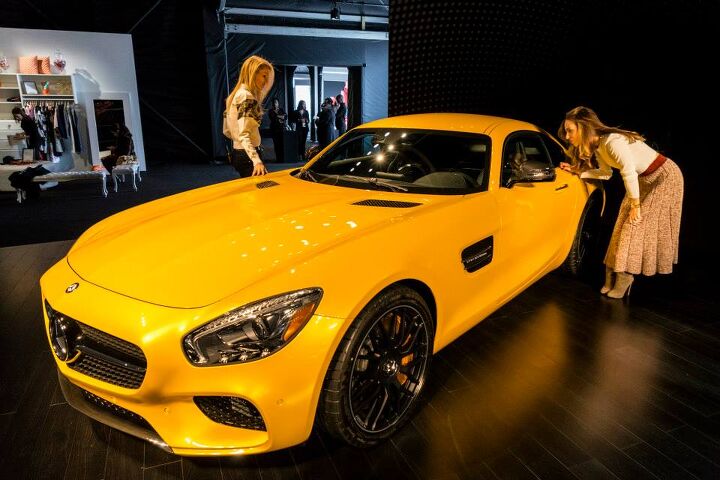
Allegedly, Millennials care only about the latest iPhone, and not the i8. Nine out of 10 Millennials would disagree, and consider car ownership important.
Ford Unveils Carsharing Pilot Program For Select Ford Credit Consumers
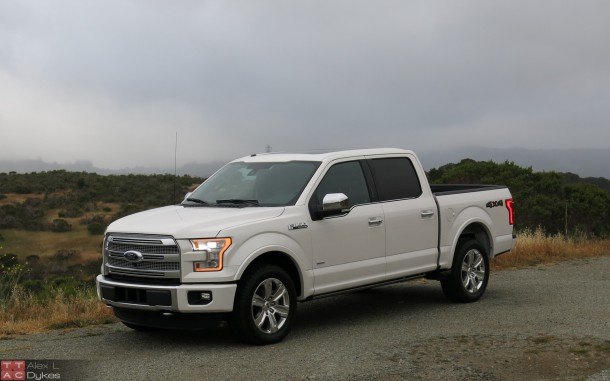
Financing a Ford and looking to bolster your monthly payments? The automaker has an idea: rent your car to others.
Nakamura: 'Innovative And Exciting' Second-Gen Nissan Juke In Development

Though the Nissan IDx is still dead, Chief Creative Officer Shiro Nakamura believes a more “innovative and exciting” Juke may make up for the loss.
Top Gear's Three Musketeers Set To Return With New Series
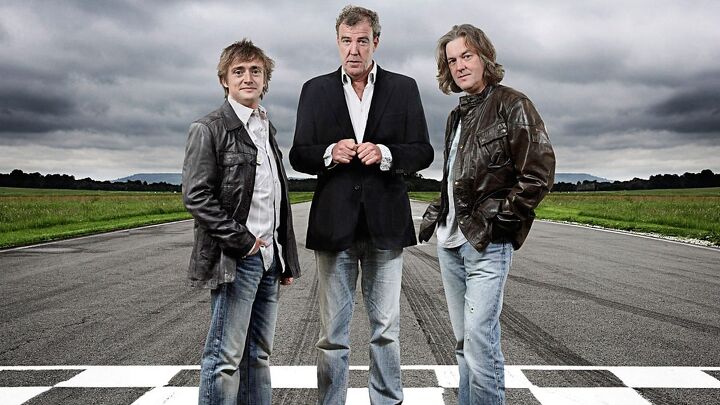
While “Top Gear” moves forward with new host Chris Evans at the helm, Clarkson, Hammond and May are closer to introducing a new show of their own.
2017 Jeep Grand Cherokee Trackhawk Given The Green Flag

Per inside sources, the green flag has been given for the 2017 Jeep Grand Cherokee Trackhawk, with testing already underway.
Koreans Best Japan In 2015 JD Power Initial Quality Study
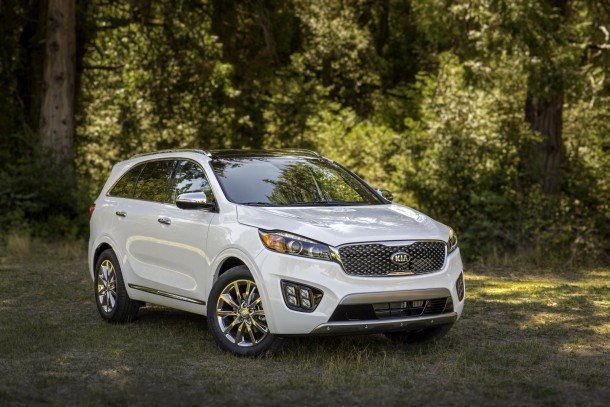
Once one of the bests among the rests, Japanese automakers fell below average in the 2015 J.D. Power Initial Quality Study as the Koreans rise in quality.
BBC Radio 2 Presenter Chris Evans New Presenter Of Top Gear

It’s official: BBC Radio 2 presenter Chris Evans will now be the new presenter of “Top Gear,” an appointment supported by Clarkson, Hammond and May.
Citroen's Famed Hydraulic Suspension Rides Comfortably Into The Sunset
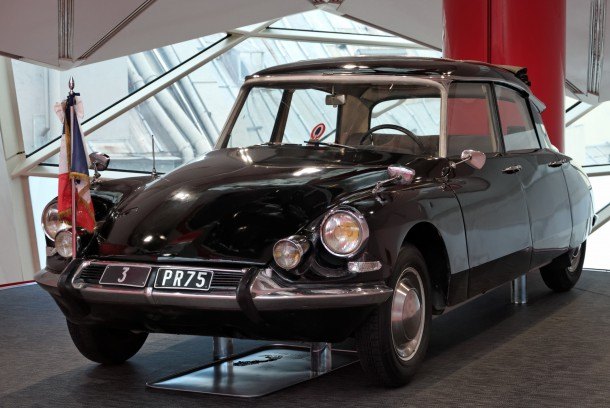
The suspension setup known for helping to save the life of late French president Charles de Gaulle will soon join him in the pages of time.
General Motors Returning To Medium-Duty Truck Market Via Isuzu
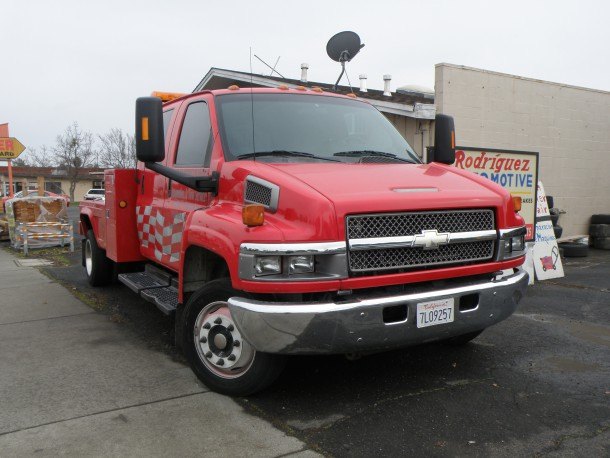
General Motors exited the medium-duty commercial truck market when it left bankruptcy in 2009. Now, the automaker plans to return with the help of Isuzu.
Volvo Markets Simplified Identity Against Teutonic Complexities

Whereas the Teutonic Trinity of Audi, BMW and Mercedes go for complexity in their offerings, Volvo aims to attract luxury consumers through simplicity.
2017 Ford GT Entering 2016 24 Hours of Le Mans

Nearly 50 years ago, Ford threw down against Ferrari at Le Mans, sweeping the podium in so doing. Come 2016, Ford aims to do the same with the 2017 Ford GT.





Recent Comments