White Remains Top Vehicle Color Globally According to Axalta
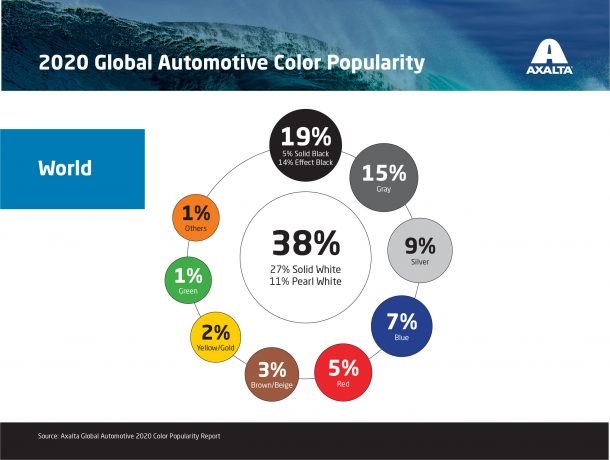
Axalta released its 68th Global Automotive Color Popularity Report today, and it said 81 percent of vehicles are white, black, gray or silver. White at 38 percent is the most frequently purchased automotive color worldwide and has been for 10 years consecutively. Black remains at 19 percent year-over-year and is a luxury vehicle favorite. Gray, at 15 percent, is up two percent and is at a 10-year high. Meanwhile, silver is in decline in all regions, now at just nine percent. This shift from silver to gray in many markets is its perception as a more modern and luxurious color.

Materazzo Appointed Group Vice President, Toyota Marketing

Lisa Materazzo has been appointed group vice president, Toyota Marketing, replacing Ed Laukes, who is retiring after 32 years with the automaker. Materazzo, who currently serves as vice president of Lexus marketing, will run the entire gamut of Toyota division market planning, advertising, merchandising, sales promotions, incentives, NASCAR and motorsports, and all social and digital media. According to Statista, in 2019 Toyota spent $1.51 billion on advertising alone, behind General Motors and Ford.
Is the Auto Aftermarket Healthy? SEMA Says Yes

SEMA, the Specialty Equipment Market Association, has released its Fall 2020 State of the Industry report, which denotes the health of the automotive aftermarket despite the disruption caused by COVID-19. This report provides companies with the information needed to make good business decisions, not to put a positive spin on a time of uncertainty.
Winner, Winner, Chicken Dinner - November Ford Sales Are Up
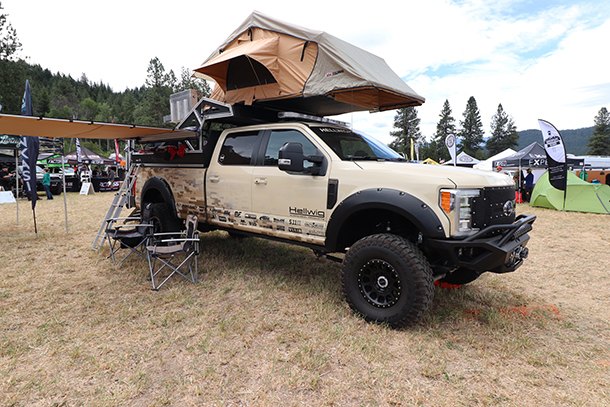
Ford Super Duty sales increased by 7.5 percent in November, while the F-series sold 713,325 trucks, 195,000 more than Chevrolet and GMC combined to capture the title of America’s best-selling pickup for the 44th straight year.
Meanwhile, the Ford Transit, America’s best-selling van, sold 9,917 units, 13.9 percent over last year, and a 70-percent increase in commercial sales for the month. Outselling its nearest competitor by 41 percent, Ford now holds a 31-percent share of the full-size van market.
Ford Hires EBay's Suzy Deering as Global Chief Marketing Officer

Ford has hired Suzy Deering as global chief marketing officer to help execute its plan to unlock customer and company value. Deering will join Ford as head of Global Marketing on January 4, 2021, from worldwide and North America CMO at eBay for five-plus years.
Deering will succeed Joy Falotico as Ford CMO. The company previously announced that Falotico, who has been managing both marketing and the Lincoln brand for the past three years, will be dedicated solely to her role as president of the Lincoln Motor Company, Ford’s strategically important and growing luxury vehicle brand.
More Dealer Drama From Cadillac and the China Connection [Updated: Cadillac Responds]
![More Dealer Drama From Cadillac and the China Connection [Updated: Cadillac Responds]](https://cdn-fastly.thetruthaboutcars.com/media/2022/07/10/8899957/more-dealer-drama-from-cadillac-and-the-china-connection-updated-cadillac-responds.jpg?size=720x845&nocrop=1)
Cadillac told U.S. and Chinese dealers they will each need to invest at least $200,000 on electric vehicle chargers and staff training to continue selling the brand’s products after 2022. The message was communicated to dealerships on Wednesday via video messages from Rory Harvey, the luxury brand’s vice president of sales, service and marketing. Cadillac is moving on electrification (seriously this time) and plans to launch the Lyriq EV within the next two years, with more battery-driven models to follow. Update: Cadillac PR has responded, saying that what was communicated yesterday is for U.S. dealers only.
The brand says dealers must be ready for the transition, giving us flashbacks to Project Pinnacle — the Johan de Nysschen strategy that forced stores to spend money to provide a more premium sales experience that differentiated Cadillac as special. At the time of its implementation, many dealers wondered why they should bother taking on more overhead under the assumption that they’ll make extra money over time. While luxury-specific outlets don’t have much choice in the matter, those selling GM’s other brands in conjunction with Cadillac seem to be substantially less eager to implement the changes.

'Free' EV Charging Still Costs Something
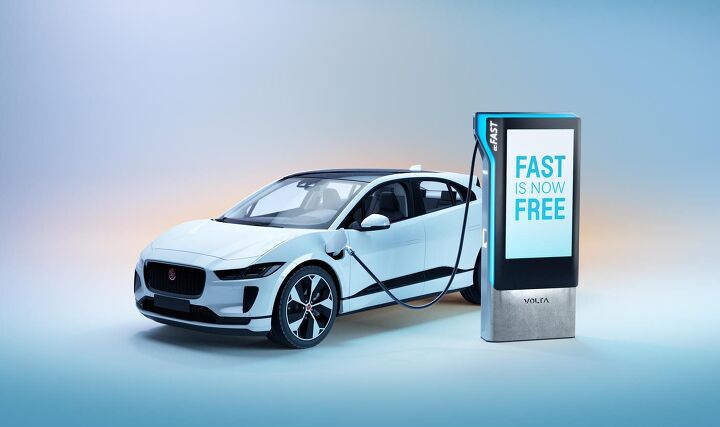
There are plenty of ways to get free gasoline. Unfortunately, most require you to become uncomfortably intimate with advertising to reap any rewards. Converting your vehicle into a mobile billboard for a brand is a good way to convince said brand to foot your monthly gas bill. But you can also sit through hours of digital surveys or ads to encourage companies to part with fuel cards. Either way, it’s free go juice — with a catch.
Volta Industries is attempting to duplicate this model for EV charging, without the need for middle men. The company will allot a certain amount of electric charge time to customers willing to interact with “embedded advertisements” occupying high-end retail zones. While the company has promoted this business model for several years, it only entered our peripheral vision in recent months after securing investments and solidifying its plans.
Despite the phrase “if you’re getting something for free, you are the product” being around since at least the 1970s, it’s infinitely applicable here.
Lincoln's 'Fresh Take' Campaign Traps Matthew McConaughey Inside Pink Mist
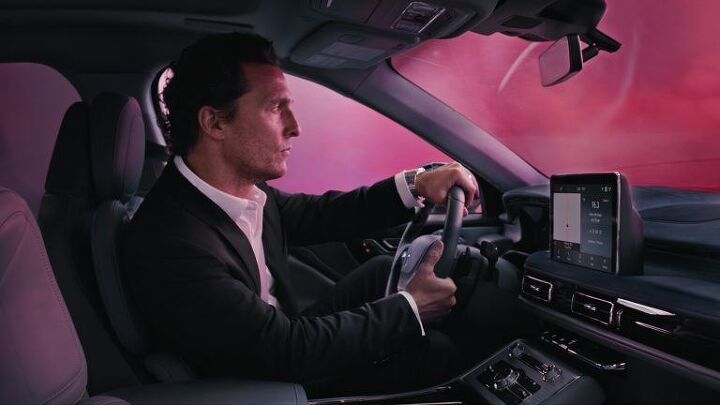
Ads for the 2020 Lincoln Aviator are scheduled to drop this Saturday, but those of us with internet access got to see them a day early. Lincoln’s “Fresh Take” campaign is a bit of a misnomer, however, because the person who’s chiming in on the new model is Matthew McConaughey.
Ford has used the Oscar-winning actor to showcase its premium products for years now, and this writer is not ashamed to say that he’s grown to love them. While not particularly substantive, they’re difficult to look away from. McConaughey muses about the vehicle in a calm, dreamlike haze. Occasionally looking into the rearview mirror before casually reapplying his attention to the always clear road ahead, he’s presumably talking to himself — but it’s really for our benefit.
And that’s why I’m so fond of them. In my mind, McConaughey is a polished lunatic — not quite a Patrick Bateman, but definitely unhinged. And it translates into comedy gold. Yet another viewer might see the ad and think, “Boy he’s handsome and calm — it’s like nothing is ever going to go wrong inside that car.”
Buick's "Mistaken Identity" Commercial Seems to Mock the Brand's Own Terribly Unpopular Cars
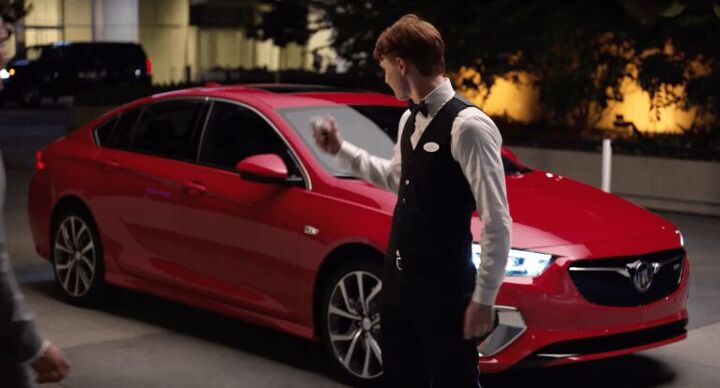
Encore, not Regal. Regal TourX if you please, not the Cascada. No to the LaCrosse, yes to the Enclave. Regal Sportback shunned, Envision approved.
This isn’t an elementary analysis of the pro-crossover/anti-car trends of the marketplace or GM’s China-centric Buick brand. Rather, it’s the message Buick seems to be sending in its own advertising.
Of course, that’s not the official line from Buick PR. But the more you watch the six-month-old “Mistaken Identity” commercial, the more you wonder what Buick must think of its own cars.

Ask Bark: Did I Throw Away The Key To A New Car?

If there’s one thing I loved about spending time in the offices of General Managers and dealership principals, it was hearing about the harebrained schemes they had to bring customers into the dealership. GMs see an average of 80 or more vendors every single month — there’s always a new piece of software, a new way to buy inventory, even a new way to wash the windows. Invariably, due to some combination of pressure to meet unrealistic sales goals and the attractiveness of the sales rep, managers would fall for something that would make me shake my rather large head in disbelief.
The tough part was always maintaining a straight face when they told me about their plans. One of my fondest memories was listening to a GM explain that he had canceled all of his third party advertisers and ordered two Wacky Waving Inflatable Arm Flailing Tubemen. I wasn’t entirely surprised to see that the store was out of business 90 days later.
But one of my all-time, tried and true favorites is the “gypsy sale.” Click the jump to see our friend Greg’s question about these direct mail pieces and whether or not they actually work.

Ford Taurus: Oedipus Wrecks (Part II)
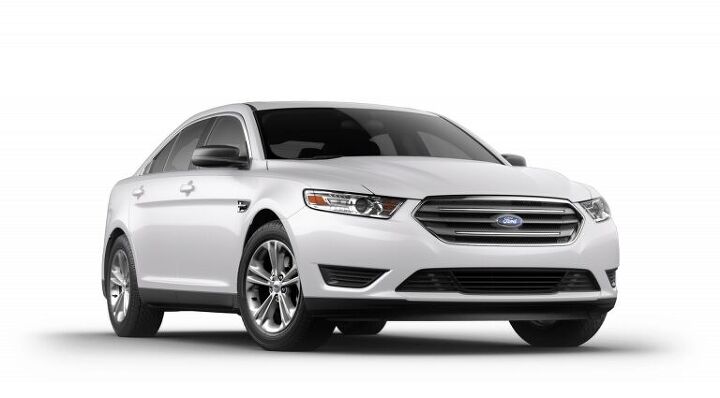
My first installment centered around the neglected, beancounted “heart and soul of an American hero,” with a sense of pride in bespoke platforms and powertrains. But the re-killing of the Ford Taurus lacks nationalistic sorrow: the hometown hero was a name looking for a globally-engineered sedan, in a declining market, foolishly butted up against another Ford sedan with cooler stuff (a la hybrid, plug-in hybrid, and a SHO-worthy Sport with 325 turbocharged horses).
Ouch. RIP Ford Taurus.

NADA 2019: Ford Outlines Rewards Program, Says Standalone Stores Essential for Lincoln
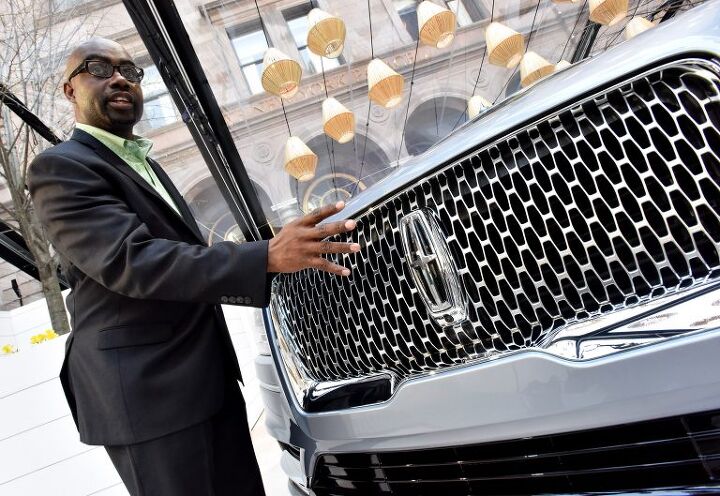
Last year, Ford announced its intent to develop a rewards program aimed at keeping customers engaged — while also making it worth their while to stick with the brand for their next purchase. While customer rewards are old hat, regardless of industry, automakers are busy devising new ways of using the venerable marketing theory to improve customer retention. It’s an urgent gambit, given today’s cooling market.
General Motors launched its “My GM Rewards” loyalty program in 2018, using a points-based system to reward customers who use OnStar’s new services, purchase a new vehicle, or service an older one. Those points can then be redeemed, knocking some cash off a subsequent GM purchase. Meanwhile, Honda previewed “Dream Drive” at the recent Consumer Electronics Show — a concept with its own redeemable points system (one that incorporates some potentially unsettling gamification within the app).
While Ford’s FordPass-based efforts appeared similar, it wasn’t until this month’s North American Dealers Association (NADA) meeting that the automaker was willing to flesh it out.
How to Score All The Cashback Deals From Tire Rack
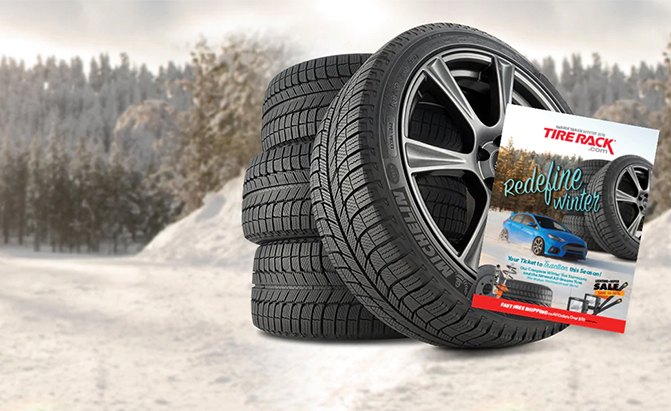
You already saw our feature on the tire sale at TireRack on Goodyear winter tires, but it’s looking like the online superstore has a bunch of ways to earn some solid cashback between now and the end of the month. Covering everything from winter and all terrain tires to more basic all-seasons, the deals include options from Michelin, Continental, Yokohama, Cooper, Dick Cepek, Firestone, Khumo, and Pirelli. Click through the links below for a closer look at the various promos out there and how to qualify.

America's Minivan Market Still Hasn't Reached the Bottom of the Barrel, But It's Nearly There
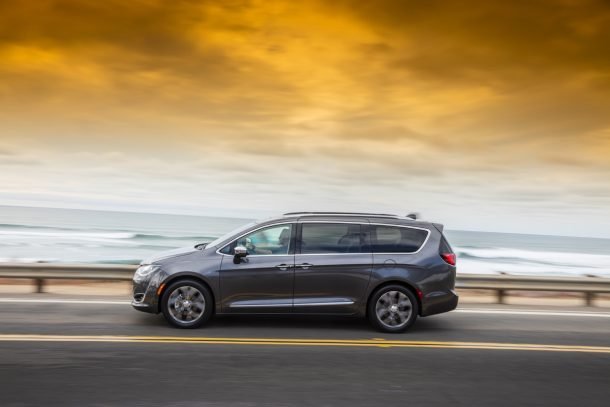
Let’s not kid ourselves. American demand for minivans is still shrinking. In fact, July sales in particular tumbled as three of the four top-selling minivan nameplates – a trio that accounts for nearly three-quarters of the sector’s volume – combined to lose more than 5,400 sales, year-over-year.
But set aside all of that negativity for just a moment and consider the segment in a more historical context. After more than a decade of collapsing demand, in which minivan volume plunged 54 percent between 2005 and 2015, the first seven months of 2018 reveal a hardy bunch of remaining stalwarts that have very nearly levelled off on an acceptable grade.
2018 is nevertheless on track to be the worst year for U.S. minivan volume since the recession. In this case, however, “worst” is beginning to sound like too strong of a word.
Nerd Alert! Hyundai Debuts Kona 'Iron Man Edition' at Comic-Con
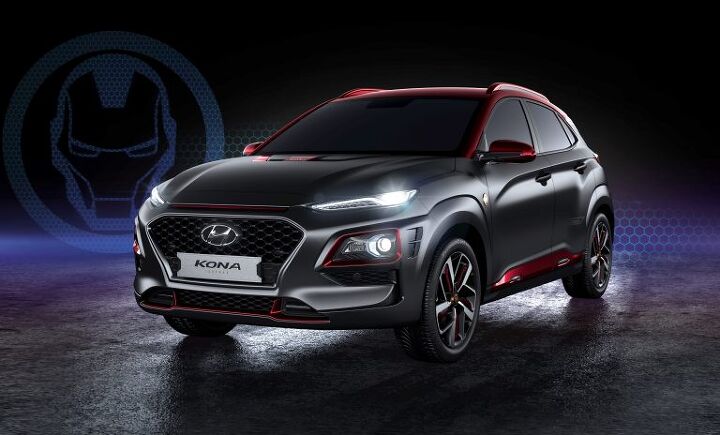
On Thursday, Hyundai unveiled a special edition of its Kona crossover on the opening day of the 2018 San Diego Comic-Con. Revealed at the Marvel booth, the Kona “Iron Man Edition” features a bevy of design elements that either resemble or tip their hat to the famous comic book icon. All told, it’s probably one of the most comprehensive example of cross promotion in recent history.
How desirable it is will be highly dependent on the person you’re asking, however.
I’m going to acknowledge my prejudice against these types of vehicles upfront. While I’m all for wild paint jobs and tasteless accessories, there’s something about this kind of cross-branding that chaps my posterior. It isn’t just that automobiles are supposed to be purchased by adults (we already know that they’re ravenous consumers of things they recognize from their childhood). It’s the half-hearted effort that’s typically placed behind them.
First 2019 Ford Mustang Bullitt Sells for $300,000 at Auction

While Ford hasn’t announced the pricing of the new Bullitt Mustang, the first example just sold for three-hundred grand at auction. We’re presuming future production models will be considerably more affordable because, damn, that’s a lot to spend on an appearance package and a few extra horses — even if the end result is undeniably cool.
Fortunately, all the proceeds went to supporting the Boys Republic — a charity near and dear to Steve McQueen. In addition to being remanded to the school after his own mother signed a court order that he was “incorrigible,” a matured McQueen often visited its children during the holidays and frequently donated large sums of money to the organization.
Lincoln Continues Relationship With McConaughey in Beautifully Perplexing Navigator Ad

Ford has been fine-tuning the Lincoln brand for a while now and improving the cars is only half the story. A luxury nameplate needs more than a lineup of quality autos, it needs prestige. Since taking on Matthew McConaughey as its official spokesmodel, Lincoln has witnessed an uptick in sales — growing by 1.6 percent year over year through November 2017 in the United States.
How much of that can be attributed directly to the Oscar-winning actor is up for debate. But you don’t mess with the formula when you start making headway, so Lincoln has decided to press onward with another weird add with him in the driver’s seat of the 2018 Navigator.
Lincoln's Latest Gambit: Stores for Selling the Brand, Not Cars
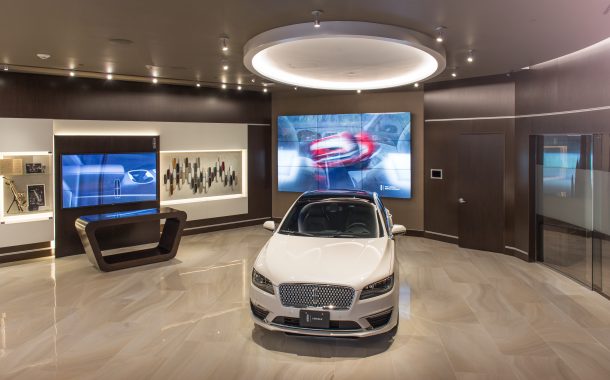
If affluent people like one thing, it’s large stores offering heaps of customer service and absolutely nothing to sell. You know the sort of shops I’m referencing. There’s a doorman, a leather couch, and someone who brings you coffee while you browse an inventory consisting of half-a-dozen ludicrously overpriced designer jackets.
A number of premium automotive brands have recently seized on this concept. There are already a handful of luxury brands with physical locations in cities harboring a wealth-intensive populace that offer an ambiance-intensive experience. Not to be outdone, Lincoln has taken that theory the full mile in Newport Beach, California.
While technically a dealership, the Lincoln Experience Center doesn’t sell anything. Instead, it provides patrons with a place to relax and muse about future ownership. There’s a cafe offering complementary coffee, tea, and infused water. Not thirsty? The site also has a “story wall” that provides a rotating collection of artifacts, art, and fashion that somehow relates to the brand. I even found out that they’ll wrap your holiday gifts on December 23rd if you’re in the area. But if you want to buy a car, you’ll have to look elsewhere.
Subaru Believes Dog-focused Advertising Has Been a Large Part of Its Success
Automotive advertising has always been an amalgamation of information and hype. Carmakers use commercials to inform the public of what makes their model different and new, while simultaneously promising an intangible goodness. Mid-century ads were less specific, reassuring prospective customers of a nondescript better way of life, but modern marketing has become much more focused. If ads are to be believed, buying a car today means purchasing more than just the hardware its comprised of — you’re buying an identity.
I’m reminded of a collection of car commercials from the 1960s that essentially vowed to nerds that, if they bought a specific car, they would be pursued endlessly by attractive women. It was a bold and extremely unsubtle way to kick off the new trend.
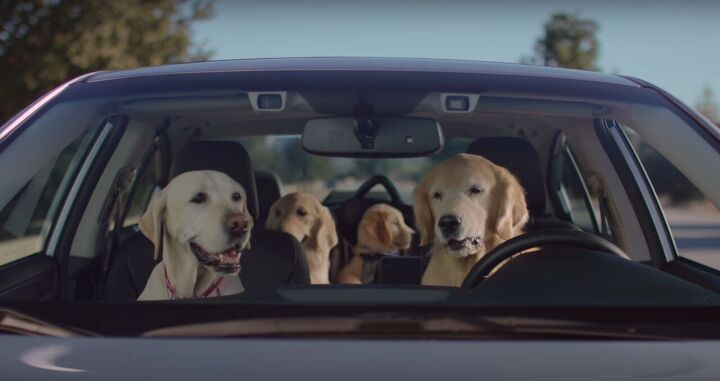
We’ve come a long way evolved slightly since then, but the concept of identity-focused advertising is more popular than ever. In fact, Subaru attributes a large portion of its own success to marketing that closely associates the brand with good values, family, lovable mutts, and the great outdoors.
The Sport Utility Vehicle: America's Gift That Keeps on Giving
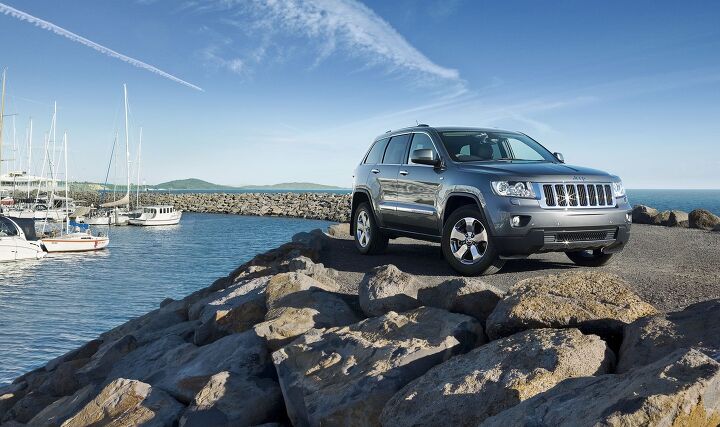
Not to sound overly patriotic or offend my Canadian coworkers, but United States is responsible for giving the world so much greatness that it’s difficult not to get a little misty eyed when I stop to think about it.
America’s long history of inventiveness has blessed the globe with modern marvels like sunglasses, chewing gum, kitty litter, the atomic bomb and, of course, sport utility vehicles. While the atomic bomb doesn’t get much broad praise these days, the rest of the aforementioned items are exceptionally popular outside the nation’s borders — especially SUVs and their bastard offspring, the crossover.
In fact, they’ve been such a runaway success that SUVs accounted for over 25 percent of all European passenger vehicle sales in 2016. That’s up from 21 percent in 2015 and there’s no sign of it stopping anytime soon. Sport utility vehicles are expected to surpass a third of the region’s new vehicle market by 2020. Assumedly, America’s own SUV sales will be hovering around 100 percent by then — maybe more. But let’s not discount how crossover-crazy the rest of the globe has become or forget to remind ourselves that most of the world’s best-selling SUVs aren’t exactly “Made in America.”
2018 Honda Odyssey: Rear Seat Erotic Entertainment Was at Your Fingertips
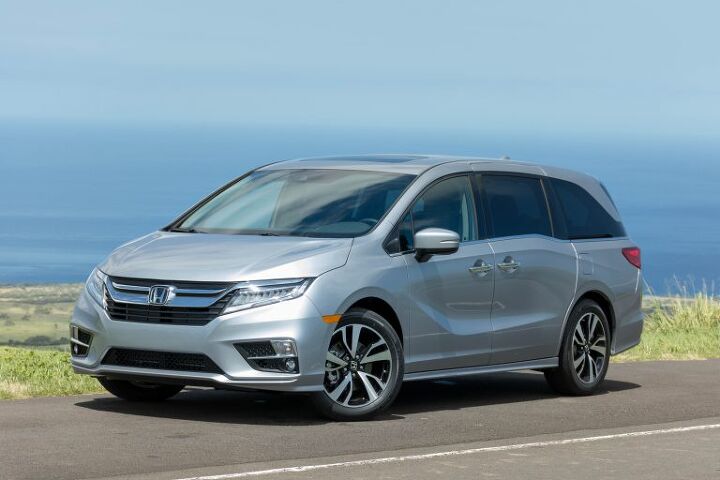
Who knew the well-equipped 2018 Honda Odyssey was so… titillating? An unsuspecting journalist over at Forbes saw a few more — let’s call them entertainment options — than she expected while browsing through the video selection offered via her Odyssey tester’s rear media screen.
At that point, things became a little hot under the collar at Honda.

Toyota CEO Promises Automaker Will Be Better, Faster, Stronger

Jim Lentz, CEO of Toyota Motor North America, is going to great lengths to tell the world his company is only going to get better in the years to come — proving to his employer that he knows exactly what his job entails. In addition to explaining how the brand’s new modular architecture will give assembly lines much-needed flexibility, this week also had him announcing Toyota won’t dawdle anymore on getting product into consumer hands.
“I think we’re going to be quicker to market,” Lentz announced to the press at Toyota’s brand new $1 billion Texas headquarters on Thursday. “Before if you were part of the sales organization, you had your own legal team [and] HR team, so there was a lot of redundancy across the organization … we were able to streamline that and, with a lot of the headcount changes, we were able to hire more engineers to our operation in Ann Arbor, as we continue to develop vehicles here in North America, for North America.”
Subaru Is Inoculated Against a U.S. Auto Industry Slowdown - Expect 2017 to Be Another Record Year

Subaru of America set an all-time annual sales record in 2009.
You remember 2009, though you’d likely prefer to forget it.
The auto industry all but collapsed as the global economy went into meltdown. After total U.S. new vehicle sales volume fell to a 25-year low in 2008, sales tumbled a further 21 percent in 2009, the worst year for auto sales since 1982.
And yet Subaru of America set a sales record in 2009.
2017 is no 2009. But after surging to record levels in 2016, the U.S. auto industry’s sales volume is once again shrinking, albeit modestly. But Subaru of America president Tom Doll told Automotive News, “We certainly think we’re going to have our ninth consecutive year of record sales.”
No doubt.
Ford is Marketing the EcoSport Like We're All Still Children

Advertising isn’t designed to help you make an informed purchasing decision. While some auto ads occasionally cherry pick information to highlight a vehicle’s strengths, you see this tactic employed less and less lately. Pathos-driving advertising sometimes results in innocuous gems, like Subaru’s “ Dog Approved” campaign. However, there has been an obnoxious trend where cars, which are presumably for adults, are being marketed as if they are children’s toys.
One of the worst offenders of this phenomenon was Nissan. It tied the Rogue to the Star Wars franchise as much as possible — issuing television spots set in a galaxy far, far away, a special movie edition variant of the vehicle, crossover swag, and even a car modeled to look like an X-wing to display at trade events. It potentially worked, too — Rogue sales skyrocketed.
Taking notice, Ford has similarly decided to link the upcoming EcoSport to the new Guardians of the Galaxy film. The Blue Oval is taking that concept a step further, however. Its downright egregious marketing campaign feels like it belongs in the ad space reserved for Saturday morning cartoons, circa 1992, right next to a sugary breakfast cereal with a cartoon mascot. Ford has sweepstakes, comic books and a film cameo planned.
Ford Introduces an 'Industry First' Hybrid Pursuit-Rated Police Vehicle
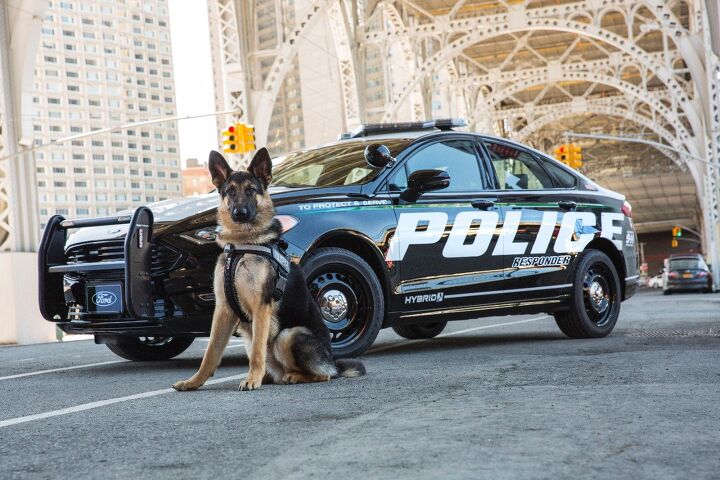
Being first is a tricky business. As we all know, Columbus was the first to discover the Americas but we also all know that is an utter falsehood. In addition to people already living on the continent, there is plenty of evidence to suggest that Viking and Chinese sailors made the trip by boat long before Spain was even considered a country. However, Columbus is the smug-looking gentleman getting most of the exploratory credit in Western textbooks.
It’s a similar story with Ford’s new Police Responder Hybrid Sedan. The automaker is calling it the “first pursuit-rated hybrid police car,” but that’s a little like saying you are the best athlete in a sport you also invented.
France's Charge Back Into the U.S. Market to Be Led by Former Nissan Executive
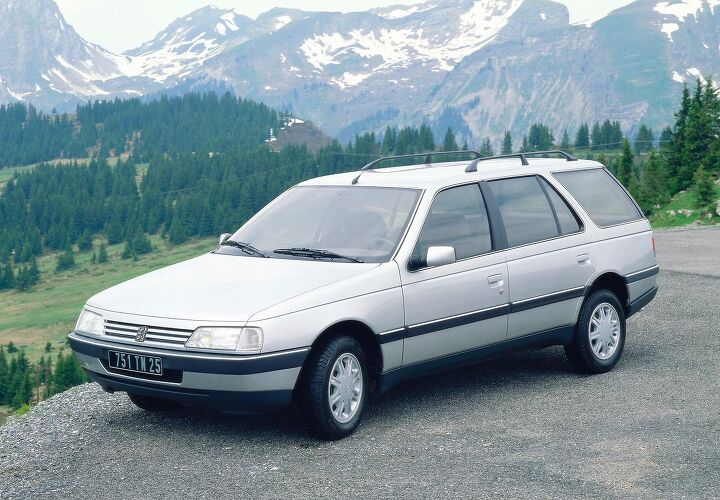
France’s PSA Group appears to be getting serious about its re-entry into the U.S. market, naming former Nissan executive Larry Dominique as the head of its North American endeavors. That means the possibility of seeing new Peugeots or Citroëns on the road is no longer just a pipe dream.
However, PSA hasn’t yet made up its mind on which brands will debut in America. The Peugeot lineup makes the most sense, as it’s the French brand most American’s actually still remember, but Citroen has more eccentric models that could appeal to a specific subset of customers. The latter also has the DS sub-brand that might appeal to upscale buyers, even if it were to come in on its own.
The final decision won’t come until PSA has spent time and money performing loads of consumer research and logistical analysis.
Porsche Rakes in $17,250 on Every Car It Sells

While still exclusive, Porsche is gradually becoming a more populous and profitable brand. It delivered 238,000 vehicles last year and posted an operating profit of $4.1 billion — a 14-percent increase over 2015’s accounting.
A little back-of-the-envelope math places the per-car profit at roughly $17,250. As a premium automaker, you’d expect it to rake it in on every vehicle sold. However, Porsche doesn’t limit production to the same extent that Ferrari does in order to maintain artificially high prices. And it absolutely decimates other premium brands that offer exclusivity at a higher volume. BMW and Mercedes-Benz both hover at around $5,000 in profit per car.
Porsche seems to have struck an ideal balance. While its per-car profit was actually higher a few years ago — $23,000 in 2013 — it wasn’t making quite as much money overall. At the time, Bentley pulled in roughly 21 grand per unit and sold fewer vehicles overall. Since then, Porsche has shifted some of its focus downmarket, introduced the Macan, expanded its volume, increased income, and still managed to maintain a sweet profit margin on every vehicle sold.
How did it manage that? Basically, the same way Ford wrangles its F-150.
No More Niches: German Luxury Lineups Likely To Shrink, Not Expand

Choice is good for car buyers. But in the never-ending quest to produce incremental volume gains, the planet’s largest premium auto brands agree that certain niches are quickly becoming untenable.
Known for questioning in 2014 whether the global sports car market would ever recover from its post-recession collapse, BMW sales boss Ian Robertson told Car And Driver earlier this month that “some body styles will be removed in the future.”
Meanwhile, the head of Mercedes-Benz Dieter Zetsche said at the Geneva auto show that the lack of Chinese uptake for specialty cars “makes the business case for these vehicles less easy.”
Yet long before a model cull returns us to the days of tidy luxury lineups — 3 Series, 5 Series, 7 Series, and 8 Series as the 1990s intended! — premium German marques will first introduce a slew of new models. And the body styles destined for removal? Likely not the silly four-door coupes and impractical SUVs you love to hate.
Suddenly, It's Abundantly Clear - The Acura MDX Sport Hybrid is the MDX to Have
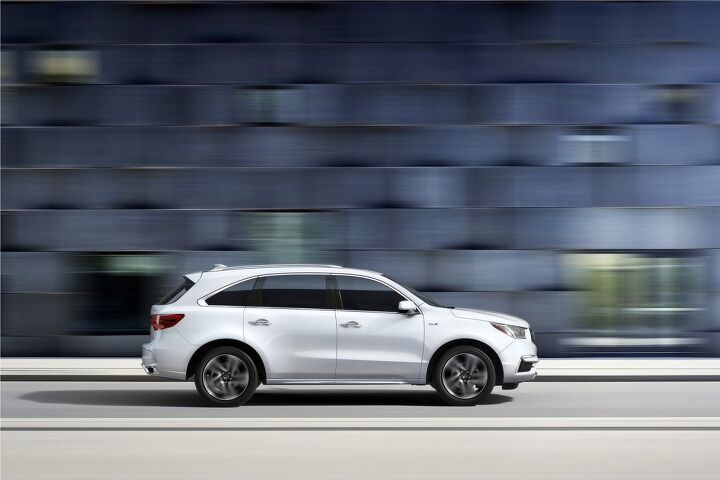
At American Honda’s upmarket division, the Acura MDX is the lifeblood; the premium crossover that keeps Acura’s trains running on time.
In 8 of the last 10 years — including each of the last 7 — the Acura MDX has been Acura’s best-selling model. Fully one-third of Acura’s U.S. volume over the last decade has been generated by the MDX.
Honda knows best of all just how important the MDX has been to Acura’s fortunes, having watched as the brand’s passenger car volume was essentially chopped in half over the last decade. Honda is removing the interference caused by the Pilot, Odyssey, and Ridgeline at the MDX’s Alabama plant by moving production of the big Acura to Ohio.
And more importantly for consumers, the first hybridized MDX — the 2017 Acura MDX Sport Hybrid — is launching now with a pricing scheme that evidently makes the hybrid the best MDX of all.
What Do General Motors' Trucks Have That the Other Domestics Don't? Huge Incentives
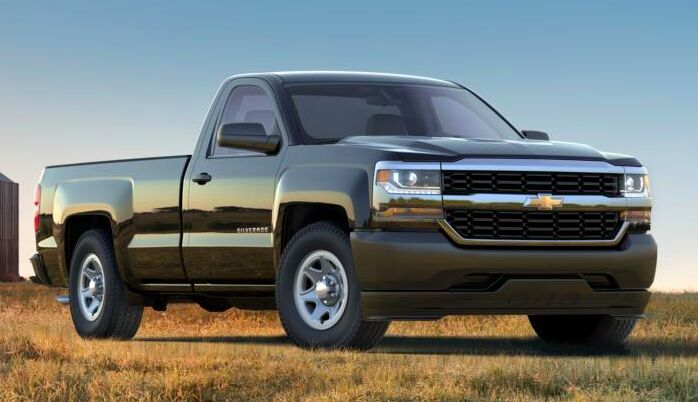
The pickup is as much of a stereotypical American icon as gun ownership and throwing things away. Last year was a particularly good one for trucks, with Ford F-Series sales reaching pre-recession volume and a 10-year high and Ram recording a seventh year of growth. However, with sales peaking for the other domestic labels, General Motors’ share of the market shrunk.
What’s the solution to whatever consumers find lacking with GM’s product? A price war, of course. While Ford Motor Company and Fiat Chrysler Automobiles are scaling back, GM upped incentives from last February by 56 percent for the Chevrolet Silverado and 82 percent for the GMC Sierra. With the pickup segment being so important in North America, nobody wants to lose ground. Aggressive discounts are often the only way to overwhelm brand loyalty, but the practice is also guaranteed to eat into profits while annoying the competition.
Jeep's New Compass and Old Cherokee Are About to Step All Over Each Other
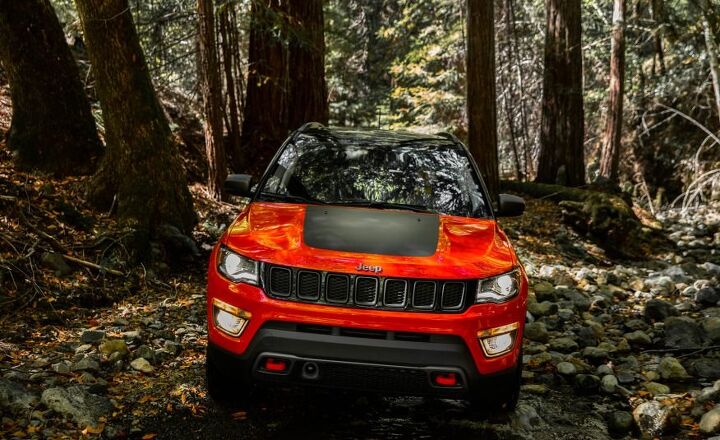
We knew that Jeep’s redesigned small crossover was going to be sized up, priced up, and niced up in order to avoid cannibalizing the Renegade. What we didn’t know was that Jeep would dump it into the KL Cherokee’s lap like a scalding cup of coffee. At $22,090, the base 2017 Compass is only a stone’s throw away from the larger model’s pre-destination price of $23,695 MSRP.
Worse still is that Fiat Chrysler’s inability to update or enhance the Jeep Cherokee in any meaningful way has helped sales implode in recent months. The KL was Jeep’s top selling model in 2015, with 220,260 units sold in the United States, but it took a sales hit of almost 30,000 vehicles the following year and saw a noticeably weaker beginning for 2017.
Dodge's Challenger SRT Demon Is an Infuriatingly Marketed From-the-Factory Dragster

Dodge has been parsing out minor details on the Demon, slowly shaping its identity, for what seems like decades, when it has actually only been about a month. In today’s publicity sprig, Fiat Chrysler indicated that — unlike the Hellcat — the Demon will be strip-focused with a suspension setup specifically designed exclusively for straight-ahead speed.
With Dodge claiming that the Hellcat is the “ultimate do everything muscle car” with an intention “to strike that perfect balance between drag strip brute force, road course competence and street car civility,” I am left wondering just how streetable the Demon could possibly be. Like most purpose-built cars, dragsters are wonderful at doing exactly one thing and absolutely terrible at everything else. For Dodge’s new hype machine, the added forward momentum might come at the expense of hanging a right.
Are Sport Utility Vehicles About to Become Passe or Simply More Affordable?
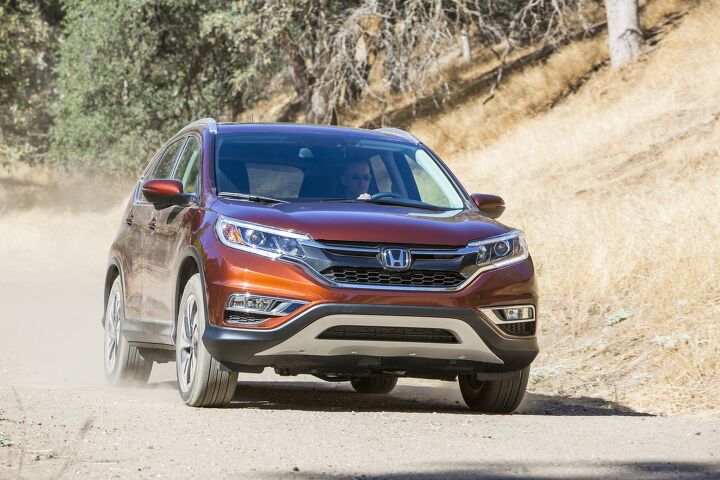
Sport utility and crossover vehicles have gradually become hotter than the surface of the sun as the public has come to treat sedans with the sort of disdain usually reserved for an old high school flame. It was decent while it lasted, but now you don’t even really want to acknowledge that it was ever a part of your life.
Sales have reflected this and automakers have hurried to supply an eager market with utility vehicles. While some did not quite meet demand, and have suffered for it, others are seeing rising incentives to meet the growing inventory surplus — giving us our first indications that interest in SUVs and crossovers has its limits.
Honda Attempts to Sell Hydrogen Power With Vastly Unsettling Ad Campaign

Telling someone that you can run a car on hydrogen — a greenhouse gas — and emit clean water as the singular byproduct is already an extremely novel concept. You don’t need a laser light display or sideshow antics to make that fact more interesting or palatable. In the case of Honda, you absolutely do not need to include the disembodied heads of singing children bathed in light. In fact, the actual message might even become partially lost in the abyss of confusion you’ve created as people furrow their brows and wonder if someone has snuck a psychoactive drug into their beverage.
For reasons clearer to hired visual artist Adam Pesapane than myself, the 2017 Clarity Fuel Cell ad campaign uses a central theme of floating heads — frequently representing chemical compounds and molecular structures. The end result is as informative as it is unsettling, though it heavily favors the latter.
Old Dealers Indignant Over FCA's Plan to Expand Network by 380 Stores

Fiat Chrysler Automobiles wants to grow its dealer network by 380 new stores in a bid to improve its dwindling market share. The plan isn’t going over so well with the company’s existing dealers, however. As the strategy could potentially threaten their present businesses, some of those dealerships are putting up a fight over the issue.
The choice to expand comes at a difficult time. Sales locations aren’t doing the best and suffering through a diluted and unpopular product lineup while the automaker shifts its focus away from cars to the more-popular SUVS and trucks. FCA sales have been on the decline for almost six months and the company’s slice of the U.S. market fell to 12 percent in the fourth quarter of 2016, compared to 13.6 percent in the same period of 2015. The expansion decision also goes against the advice of FCA’s dealership location consultant, Urban Science.
Which Car Commercials Piqued Consumer Interest During Super Bowl LI?

The “Big Game” is as much of a sporting event and as it is a tactical delivery system for advertisements and, at roughly $5 million just to reserve a thirty second slot, the folks working in the media department want their commercials to have a strategic impact. Reaching your intended audience is only half the battle. You must also provoke them into action.
While there were plenty of Super Bowl 51 car commercials that got under people’s skin, those strong feelings often failed to morph into consumer interest. For example, Ford’s mobility-focused spot featuring Nina Simone’s classic civil rights song I Wish I Knew How It Would Feel to Be Free was all over social media when it aired right after kickoff. However, nobody sent me a surprised and excited text about Ford like they did for Alfa Romeo.
Here's Why a Reborn Ford Bronco Could Outsell a Returning Ranger
On September 5, 2006, Alan Mulally moved into the corner office at the Glass House. He brought with him a simple management philosophy he developed over three decades at Boeing Commercial Aircraft. After a short time at Ford, he formalized his philosophy, which continues to guide the company under Mark Fields.
He called it One Ford — and along with a lot of hard work, that philosophy transformed the Blue Oval into the profitable, future-oriented automaker we know today.

For Trump, Erasing Stringent Fuel Economy Rules Might Be a Wasted Effort
It would be fair to suggest that government agencies have held the automotive industry by the testicles with both hands for much of the Obama administration. America’s fuel economy and emissions targets are noble, but have cost manufacturers peace of mind and plenty of money. Enter President-elect Donald Trump, who spent a great deal of his campaign promising to repeal some of those standards and change things for the industry.
Are the current targets too lofty? Most automakers would say yes, but it depends on who you’re asking. However, the odds of Trump rolling back efficiency standards in a meaningful way is on par with us returning to the Bronze Age. While not impossible, it’s incredibly difficult to turn back the tide of progress. Even if the 45th President of the United States did manage to dismantle the EPA, abolish Corporate Average Fuel Economy (CAFE) regulations, and convince China to nuke us into the Stone Age, there remains the outside world to consider.
BMW and Mercedes-Benz Expect an Even Split Between Crossovers and Cars
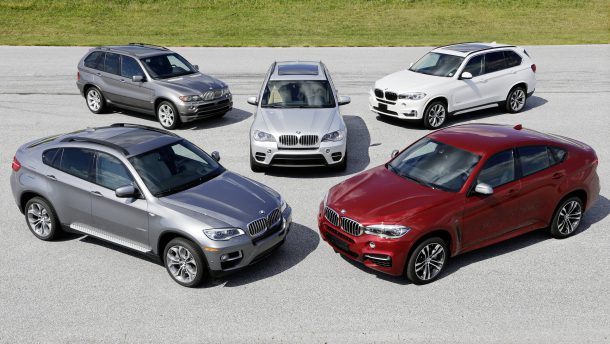
Mercedes-Benz and BMW have more in common than just a bitter rivalry and the Fatherland — they both feel the need to get more crossover vehicles into North America.
Despite being known largely for their rich heritage of premium sedans and coupes, Bavaria’s Motoren Werke and Daimler’s Three-Pointed Star want to see utility vehicles replacing more of the cars they ship to the United States.
Last year, crossovers and SUVs comprised 42 percent of BMW’s sales in North America — an almost ten percent increase from 2015. Mercedes-Benz also saw an increase in truck sales. Sport utility vehicles now account for 47 percent of its passenger vehicle volume. However, both companies are anticipating a balanced ratio right around the corner.
Tesla Model S Pricing Strategy Remains Unfathomable With Discounted 15 KWh Upgrade
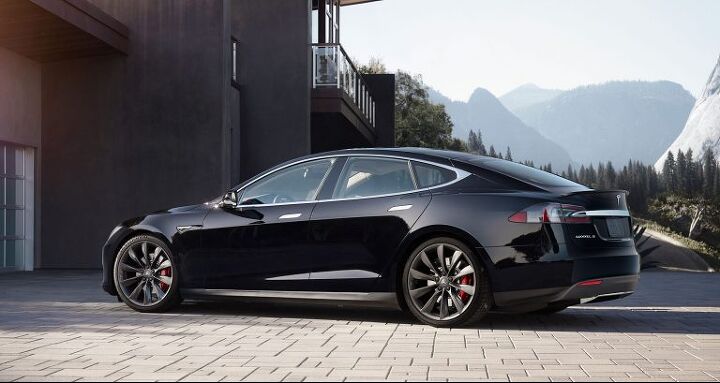
Tesla pricing is about as predictable as the winning lottery numbers. This year it added numerous surprise fees onto its supercharging network and rearranged the pricing structure for its Model S sedan more times than I can remember. Most recently, the company increased the price of its base Model S 60 from $66,000 to $68,000 with an $8,500 software update that unlocks the battery’s full potential — since the 60 is just a 75 that has been digitally neutered and rebadged.
In some instances, almost 30 percent of the value of the vehicle can be unlocked through in-car purchases. There are all manner of software-upgradable items but keeping up with their pricing is nearly impossible, especially when Tesla doesn’t actively announce those changes.
The Convertible Market is Shallow Enough to Start Calling Droptops Irrelevant
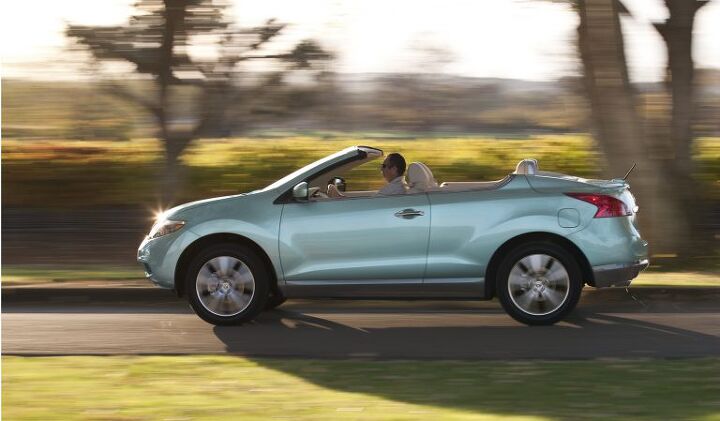
Convertible sales have slid steadily for a while now and “everyday” droptops like the difficult to praise Chrysler Sebring have vanished from the automotive market. With the exception of a few premium options from Germany, fun in the sun doesn’t seem to coincide with daily driving anymore.
With their sales volume now trumped even by impractical, short-ranged electric vehicles, lidless cars are less popular than ever. In fact, America’s most popular convertible isn’t even a car (Jeep Wangler), and today’s remaining open-air options are either performance focused, comically small, or extremely expensive European luxury items. That’s likely to remain the case for some time, considering it took us over a decade to get here.
SUVs Likely to Become Dominant Police Vehicle, 'Bigger' Cops Rejoice
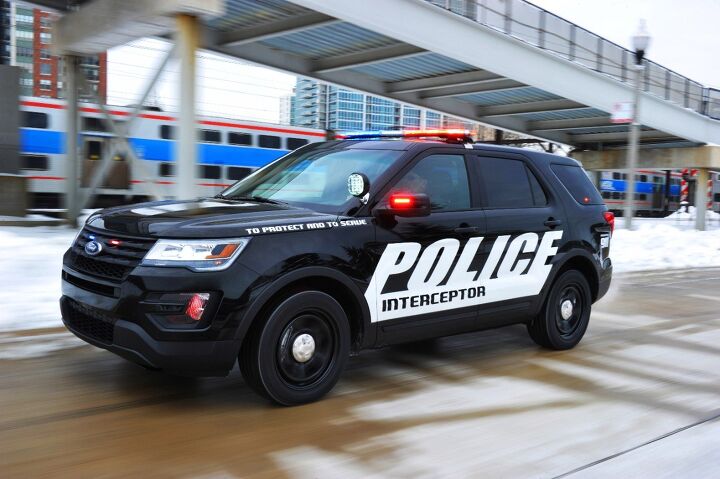
North America’s romantic entanglement with the sport utility vehicle is not limited to retail consumers, as police fleets in the United States and Canada have been getting in on the action for a while now. Valuing durability and flexibility above all else, law enforcement’s gradual shift toward SUVs seems to have been inevitable.
Ford said that sales of its Explorer-based Interceptor Utility surpassed its Taurus-based Interceptor Sedan in 2014, claiming that the SUV had “officially” become North America’s most popular police vehicle. While that might not be entirely accurate until current fleets retire the horde of large sedans that proved so popular in the past, the utility trend is growing and departments have plenty of praise for them — especially departments rife with oversized officers.
2016 Models: What Vehicles Tanked, or Reached New Heights?

We already know what vehicles Americans love, and most of them are trucks. It’s expected that annual Ford F-Series sales will be astronomical, but will come in just shy of a million units. It’s as boring as it is patriotic and tells us nothing of the future; we already know the United States will keep buying trucks. An underdog tale is always much more interesting. So what are the less popular vehicles we’ve perpetually ignored that are suddenly beginning to worm their way into our hearts?
Bloomberg compiled sales data through this November to see which models posted the biggest swells in demand and which models have been cut the deepest by America’s changing tastes. While it is impossible to say with certainty which are a flash in the pan sensation, a genuine comeback or marketing blunder, the vehicles on this list are all pieces in the puzzle that shows us what the automotive industry should look like in the near future.
Ford to Become Captain of the Fleet as GM Shies Away
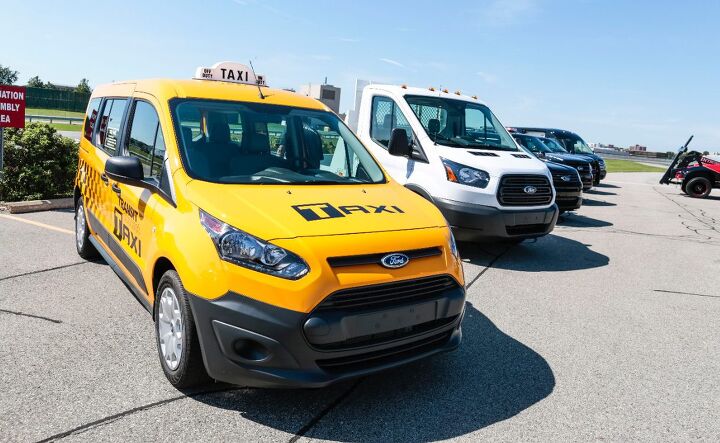
With nearly a third of its volume heading to businesses and government agencies, Ford is a bit of a fleet queen. However, the Blue Oval has been fairly uniform with General Motors in terms of volume when it came to selling its vehicles in bulk.
Not so this year.
General Motors is gradually pulling back from fleet sales, leaving FCA and Ford with a larger piece of the pie. GM’s total U.S. sales in November were up more than 10 percent from the previous year, giving it a larger share of the retail market and the confidence to abandon some of its fleet dependance. Meanwhile, Ford’s seems happy staying the course so long as the endeavor remains vaguely profitable.
Nissan's Star Wars Campaign Was Obnoxious and Extremely Effective
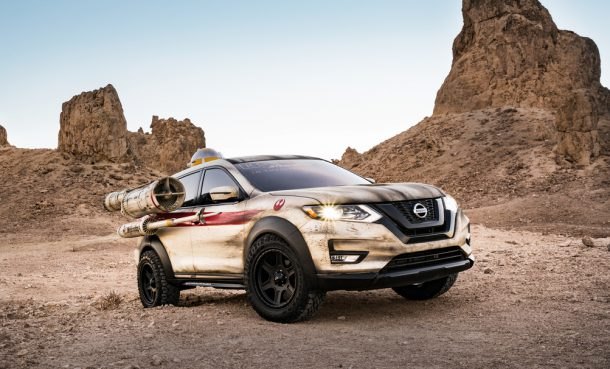
I despised all of the cross-promotion taking place between Nissan and Star Wars this fall, especially now that it has devolved into dealerships offering free worthless collectables to lure in prospective buyers. However, you have to admit that they did a phenomenal job implementing the campaign.
It was a perfect storm of coincidences that allowed this cooperative marketing strategy to emerge from Nissan’s womb. The Rogue shared a name with the upcoming Rogue One: A Star Wars Story, the timing of the film’s release roughly coincided with the model’s 2017 face-lift, and the automaker wanted to put a lot of money behind the advertising of its best-selling model.
Although it probably didn’t hurt that Nissan’s North America marketing chief, Jeremy Tucker, joined Nissan from Disney — the company that now owns Lucasfilm and Star Wars — in 2014.
Porsche Has a Plan for Its Idled Diesel Inventory

There are currently over one thousand 2014 through 2016 model year Cayenne TDIs in the United States that Porsche cannot sell, all thanks to VW Group’s ongoing emissions fiasco. You might be wondering what Porsche plans to do with its stop-sale utility vehicles. Recycle them? Ship them all to Germany? Burn them on the world’s largest-ever funeral pyre?
Nissan's Limited Edition Star Wars-themed Rogue is Cross Promotion Perfected

After several stellar space-themed puns and a pyrotechnic display that was out of this world, Nissan unveiled the Rogue One Star Wars Limited Edition package at the Los Angeles Auto Show.
For under two grand, you can have the package added to a front- or all-wheel-drive Nissan Rogue and let the whole world know you are the sort of person willing to pay money to drive around in a commercial.
When is the Best Time to Buy a Used Car? Right Now

If you fancy yourself an automotive bargain hunter, the best time to score a deal on a used car is right around the corner. So, stop clicking around on Autotrader for five minutes and equip yourself with some useful knowledge to better your odds of snagging some savings.
The United States Won't Pickup Mercedes' X-Class in 2017
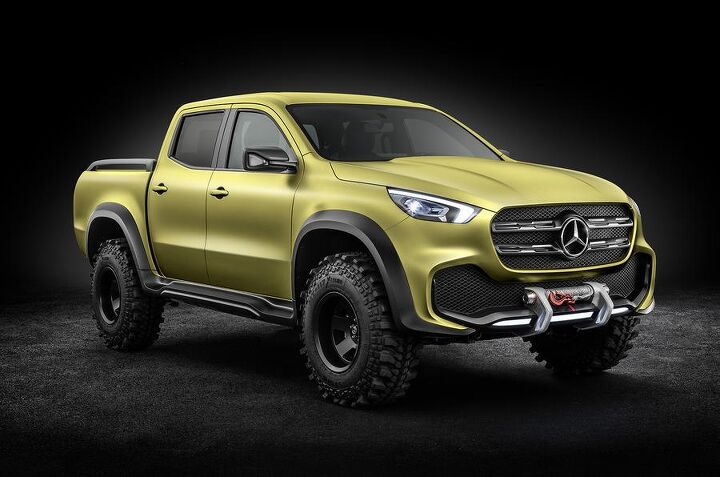
Mercedes-Benz has decided against bringing its X-Class pickup to the U.S. market next year. However, this doesn’t mean we won’t eventually see the luxury truck hauling grand pianos and crystal chandeliers down American highways.
TTAC News Round-up: You May Only See Ads for the Prius Prime If You'll Actually Buy One

Toyota’s going to market the new Prius Prime with laser-like precision. Is it because they want to embrace cutting-edge advertising methods, or is it because they don’t see it as a vehicle with particularly broad appeal?
That, BMW thinks it might want to keep an unpopular model around for another generation, Volvo issues a voluntary recall on seat belts, and Toyota and Nissan agree that their prospects have looked better in North America… after the break!
Infiniti Encourages New Tradition This Holiday Season Using Indistinctive Tree

Now that Halloween has receded from the rear-view mirror, advertisers can really start ramping up their winter-themed commercials.
Automotive companies are particularly heavy handed at pushing advertisements highlighting “the season for giving,” without the accompanying specificity of what that phrase refers to.
All Ferraris to Become Hybrids as Marchionne Chases Mondo Volume

Ferrari CEO Sergio Marchionne — who’s also the CEO of some other company — says the Italian automaker’s stable will be full of hybrid technology in three short years.
This isn’t an initiative designed to take Ferrari from red to green. Rather, it’s the only way it can boost sales without running afoul of the law. There’s cash to be made, and Sergio’s on the case.
Only Just Underway, Hyundai's Genesis Motors Boss Already Wants Fewer U.S. Dealers

There’s no denying the strategy behind Hyundai’s Genesis Motors luxury brand is unusual. By its very nature, the contrived launch of a new Korean luxury marque — more than a century after the dawn of America’s favourite luxury brand, Mercedes-Benz — is going to differ in a multitude of ways.
Genesis intends to maximize the possibility for consumers to shop for their cars online, for instance. And Genesis owners won’t need to take cars to dealers for servicing — valets will provide pickup and delivery.
Yet one aspect of a new brand’s U.S. launch is nevertheless set in stone: dealers.
Genesis Motors has 350 dealers inside Hyundai’s U.S. showrooms, Wards Auto reports. Genesis Motors’ general manager Erwin Raphael wants a different number.
A smaller number.
Tesla Rearranges Pricing and Trims for the Umpteenth Time, and You'll Pay for It

Tesla’s Model S 60 has come and gone only to show up again as the “bargain” Tesla, even though it’s actually just a cheaper Model S 75 with a stingy computer.
Now, inside information suggests it’ll be going up in price even if you decided not to add the company’s cool new transparent roof. With the automaker seemingly hoping to squeeze every last buck out of its lineup, the top-flight versions of both of its models have now been propelled into the pricing stratosphere.
Ford is Either Playing the Long Game Well or the Short Game Poorly
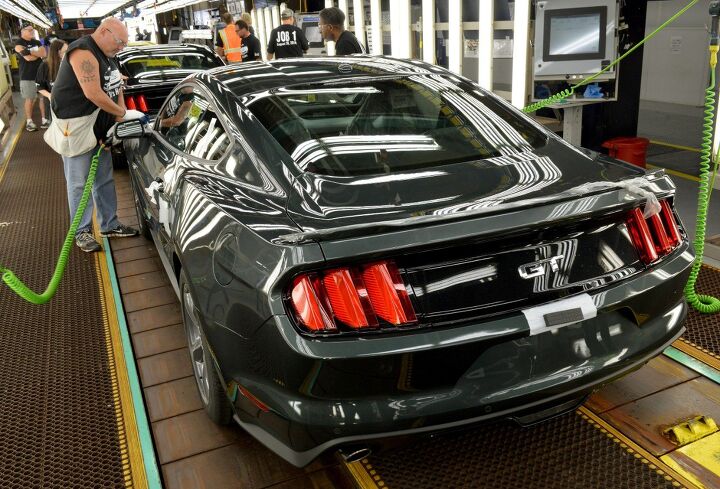
General Motors and the Ford Motor Company both saw U.S. sales declines in the third quarter, but GM was the only one achieving earnings that widely beat expectations. Still, which company is playing the game better is up for debate.
This could turn out to be an Ant and the Grasshopper situation if there is another economic downturn on the horizon. The ant-like Ford could be more ready for an economic winter, while the improvident Grasshopper Motors is left out in the cold with acres of unsellable vehicles — forced to eat its own legs for sustenance.
Of course, if there isn’t an economic downturn, Ford is going to look like a lame duck next to GM’s golden goose.
The Hipster Marque? Mazda Is Selling an Identity Along With Its Cars

Mazda is like that artisan pizza place or a craft brewery your coolest friends all like. They make a familiar product, but there is definitely something different about it. While you can’t always place your finger on it, that unexplainable “x” factor affords them the hint of pretentiousness that comes along with doing things differently.
And like any hip outlet selling quirky artisanal goods, they are likely going to start charging you more for it.
The Sports Car Market Will Be Atrocious After the Baby Boomers Die
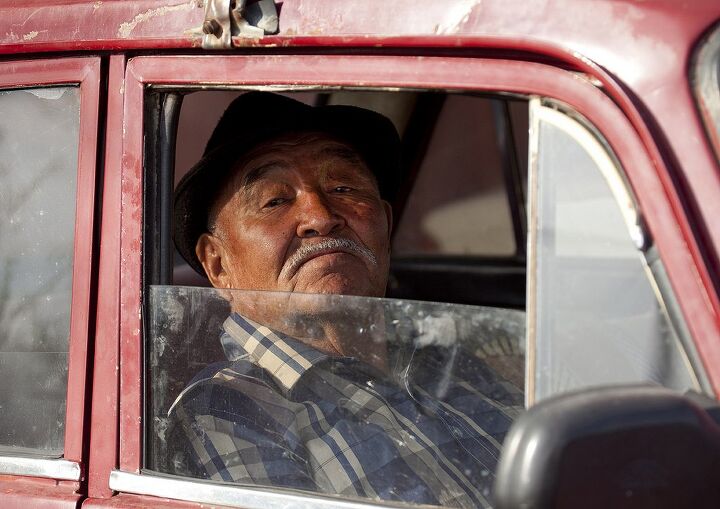
Baby Boomers are getting too old for traditional sports cars. Their purchasing power may have ushered in the initial success of the muscle car (as well as its resurrection), but no 70-plus-year-old wants to obliterate their pelvis crawling into a low-slung coupe or have its rock-hard suspension rattle the dentures out of their mouth.
That leaves the younger generations to champion the sports car going forward, and — I am very sad to say — they will not be up to the task.
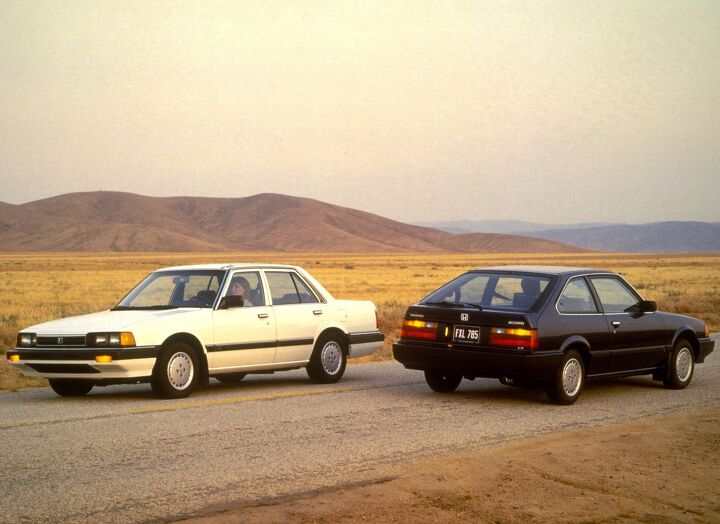
1984 Honda Accord and 2018 Tesla Model 3: Selling Cars You Cannot See
Electric automaker Tesla Motors has collected more than 400,000 deposits from customers for its 2018 Model 3 sedan, despite having little more than rough renderings of the car to show prospects. This is a remarkable achievement that speaks to its groundbreaking products and the cult-like following of Tesla CEO Elon Musk.
People standing in line to put down deposits and then be willing to wait for a hot car is not without precedent. I sold Honda automobiles during the 1980s and the similarities to today’s Teslamania is striking.
Memo to Musk: If you can indeed increase your production five-fold in two years, I am sure you will move 400,000 Model 3s, but most of them won’t go to today’s deposit holders.
Allow me to explain. The scene was Benson Honda in San Antonio. The year was 1984 …

Auto Leasing Insider Tips, Tricks, Myths and Misconceptions

A record 31 percent of all new vehicles sold this year in the U.S. are leased. I spent a good part of my career studying why some people refuse to lease. Much of their resistance stems from bad buzz. Some say it’s because of the stories they heard about ’80s-era open-end leases where owners were responsible for paying the car’s residual value at lease end. (These are the same customers who will not buy a Hyundai today because they produced crappy cars in the ’80s.) Others oppose leasing because they heard about a guy whose cousin’s neighbor had to pay $5,000 in wear and tear or excess mileage charges at lease end. And there are those of you who will brag comment below about how you always pay cash for your cars and don’t understand why other people won’t follow your lead.
This article is not designed to convert such non-believers to leasing. This advice, drawn from my years in the auto finance business, is for buyers who know the basics and benefits of leasing, want some timely tips on how to get the lowest possible payments, and want to pay less money on lease-end charges.
Words Have Meaning: Dodge Is Not The Fastest-Growing Performance Brand In America, Whatever That Means
After climbing to a five-year high in 2013, sales at Fiat Chrysler Automobiles’ Dodge brand fell 4 percent in calendar year 2014 and a further 10 percent in 2015.
So when TTAC columnist Bark M. tweeted a Dodge marketing tagline — “Fastest Growing American Performance Brand” — my confusion, doubt and skepticism were kindled.
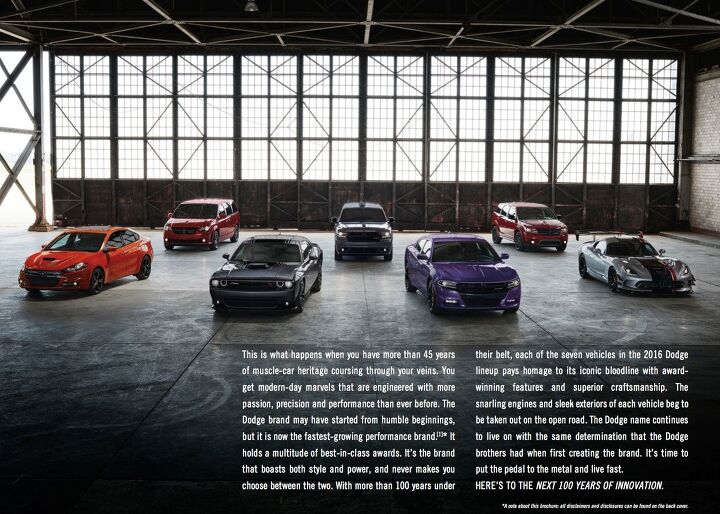
Bark heard the tagline in a radio ad, which unfortunately isn’t Googleable. However, he swiftly supplied a link to this 2016 Dodge brochure in which the following claim is made: “The Dodge brand may have started from humble beginnings, but it is now the fastest-growing performance brand.[1]*”
Seriously? Let’s look into it.




Recent Comments