This Is The Chevy Volt's Post-Crash Safety Protocol
TTAC has received the following protocol, developed by GM in the wake of the June Volt fire at a NHTSA facility in Wisconsin, from a GM source and has confirmed its legitimacy with a second GM source. Though the procedure may be refined based on the findings of NHTSA’s latest round of tests, it gives a good picture of what GM currently does to ensure the safety of Volt driver and passengers as well as rescue workers, towing company workers and salvage yards. And, I have to say, it puts some of my fears about this safety scare to rest. It hadn’t occurred to me that GM’s Onstar system could provide opportunities to respond to crashes in real-time, and apparently the system provides a wide variety of data with which GM’s “corporate SWAT team” can tailor its response to any Volt crash event. Hit the jump for the full procedure.

Government Inches Closer to Mandatory Breathalyzers, Driver Monitoring

In the past, someone who had an ignition interlock device equipped to their vehicle typically needed to be found guilty of some criminal offense. But they may become commonplace if the National Transportation Safety Board (NTSB) gets its wish to have breathalyzers installed into all new vehicles.
With crash rates spiking dramatically and substance abuse on the rise, there’s good reason to fret over impaired drivers. Last week, the NTSB cited a fatal incident where alcohol led to the death of nine people on the road – the majority of which were children – as the main reason for it to call for alcohol impairment detection systems to be included in all new vehicles. Though it’s hardly the only one, as the concept of mandatory breathalyzers has been around for decades.

Lotta Auto Recalls This Week

If the industry is trying to shake the growing assumption that modern vehicles aren’t as reliable as their predecessors, it certainly did a poor job of it this week.
IIHS Reports Pedestrian Detection Tech Rarely Works After Dark

The Insurance Institute for Highway Safety (IIHS) released a study on Tuesday that showcased just how badly advanced driving aids perform at night – specifically the automatic emergency braking systems that are linked to pedestrian detection.
This mimics earlier studies connected by the American Automobile Association (AAA), which frequently highlighted inconsistencies in driver assistance features in general. But nighttime was when things really started to come undone, with plenty of models failing to register that the simulated pedestrians used for testing were even there.
Toyota and Subaru Recalling EVs Over Loose Wheels
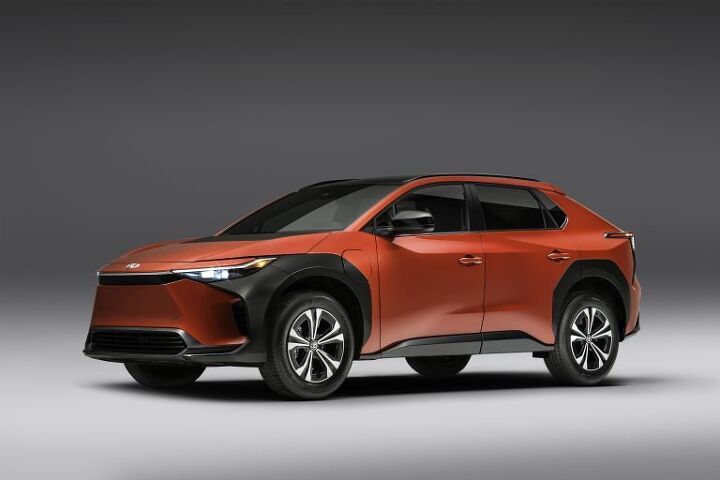
Toyota and Subaru are recalling their new all-electric models, though EV fans will be pleased to know that the issue has nothing to do with the battery packs. Instead, the affected vehicles run the risk of losing their wheels under sudden braking or sharp turns — which I suppose isn’t much of an improvement over the possibility of an electrical fire.
The good news is that the problem is limited almost entirely to demo models of the Toyota bZ4X and Subaru Solterra the companies wanted to use for promotional purposes. While they may eventually have found their way into residential garages, the original intent was to have them attend trade events and serve as test models on dealership lots. That’s likely to remain the plan, too. But only after the automakers comply with the demands of Japanese regulators.
NHTSA Issues Initial Crash Report for Driver Assist Tech
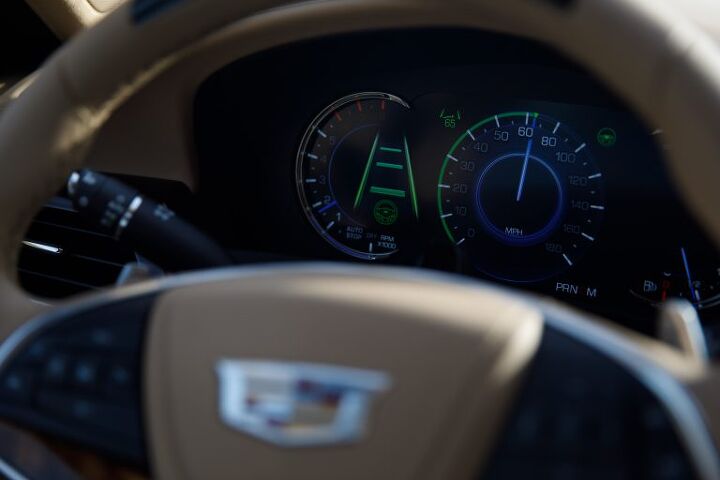
In 2021, the National Highway Traffic Safety Administration (NHTSA) asked manufacturers to begin reporting vehicle accidents where Advanced Driver Assistance Systems (ADAS) and/or semi-autonomous driving aids were engaged. The agency was specifically interested in incidents where such systems were active at least 30 seconds prior to the crash, hoping it might shed some light as to the technologies at play while the industry continues to make it standard equipment.
Report: 50 Million U.S. Cars Still Subject to Recalls
The latest data from Carfax has indicated that roughly 50 million U.S. vehicles presumed to still be in operation still have outstanding recalls that have yet to be addressed. Though the good news is that this represents a 6 percent decline from 2021 and a meaningful 19 percent drop against 2017.
Still, the metrics may not be wholly down to better communication on the part of the manufacturer and people taking recall notices more seriously. Between 2013 and 2015, the average number of U.S. vehicles and equipment subjected to recalls per year went from 26.3 million to 83.6 million. While the annual averages have come back down since, recalls have remained substantially higher than in decades past.
U.S. Congress Holds Hearing on Increased Traffic Deaths
A U.S. House of Representatives subcommittee conducted a hearing to discuss surging traffic deaths on Wednesday. In 2021, traffic deaths surged by over 10 percent over the previous year for a grand total of 42,915 roadway fatalities. But 2020 also represented a sizable 7 percent increase over 2019, despite there being overwhelming evidence that substantially less driving was done during nationwide COVID lockdowns.
Congresswoman Eleanor Holmes Norton (D-D.C.), the Transportation and Infrastructure subcommittee chair holding the hearing, stated that now was the time to hold a meeting on the issue — as last year represented the single highest increase in traffic deaths since the NHTSA started keeping track in 1975.
Goodyear Recalls Tire Nobody Uses Anymore

Goodyear has agreed to recall more than 173,000 intended for commercial delivery vehicles and RVs nearly two decades after the last one was manufactured. The company’s G159 tires have been under investigation by the National Highway Traffic Safety Administration (NHTSA) since December of 2017 and the recall comes in the wake of years of lawsuits alleging the rubber contributed to a series of fatal accidents dating back to 1998.
Despite no new claims having launched in years, court orders and settlement agreements delayed an order to make corporate data pertaining to the tire-buying public for five full years. The NHTSA didn’t even launch a formal investigation until late in 2017, followed by the recent announcement that the agency has pushed Goodyear into a recall for a tire that ended production during the Bush administration.
Mercedes Recalling Almost One Million Cars Over Bad Brake Boosters
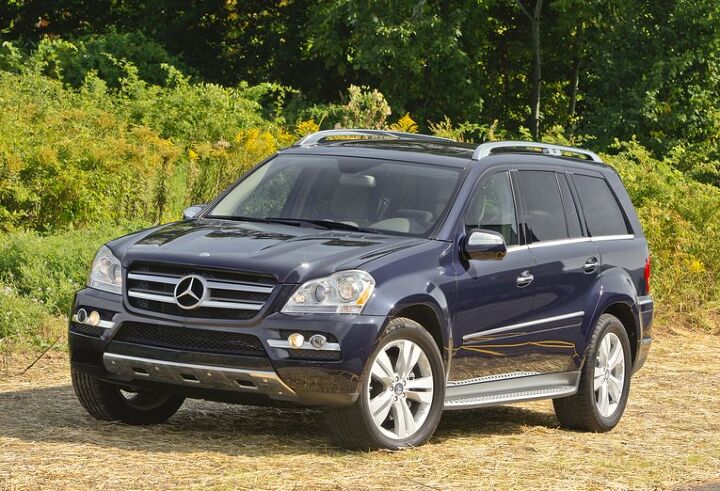
Over the weekend, Mercedes-Benz announced a global recall campaign encompassing nearly a million vehicles it believes could be afflicted with faulty brake boosters.
“We have found that in some of those vehicles, the function of the brake booster could be affected by advanced corrosion in the joint area of the housing,” the automaker explained in a statement.
While the issue is global, the United States is believed to account for roughly 300,000 units, with the National Highway Traffic Safety Administration (NHTSA) advising against driving any vehicle involved in the recall. Affected units will undoubtedly offer lowered braking performance and can even cause total brake failure in some instances. Rare or not, the NHTSA feels this one is simply too risky to chance.
Why Are Traffic Deaths Increasing While People Are Driving Less?
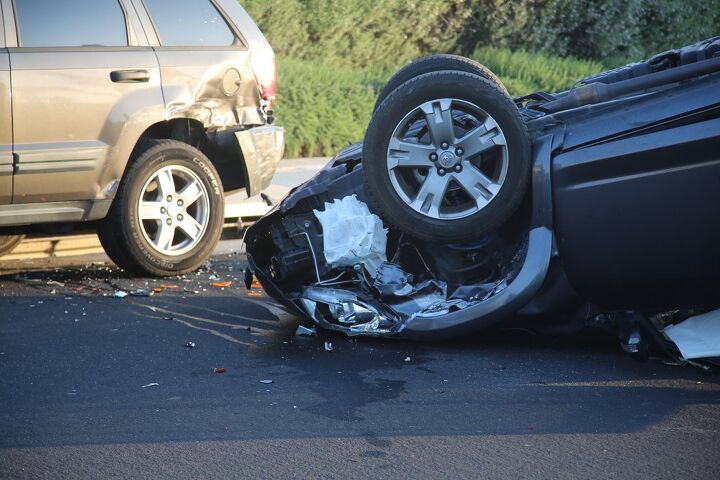
The latest data from the National Highway Traffic Safety Administration (NHTSA) is confirming what local agencies have already been suggesting. Last year represented another sizable increase in U.S. roadway fatalities, pitching up by 10.5 percent over the elevated death rate witnessed in 2020. The agency has estimated that 42,915 people were killed in 2021, whereas 2020 resulted in 38,824 fatalities — a 7.1-percent increase over the declines seen in 2019. While the current situation is not nearly as bad as the rates witnessed during the 1970s, this still represents the highest per capita fatalities in sixteen years and everyone is trying to get a handle on why.
Traffic deaths have been on the rise since the start of the pandemic, confusing everyone who counts crashes because the supporting data also shows that there was a lot less driving being done during the period. Historically, years where people are disinclined from hitting the road due to a beleaguered economy tend to represent far fewer traffic-related fatalities. We can see this happening in 1942 when the U.S. braced itself to enter World War II by rationing everything from fuel to rubber. Another glaring example takes place in 1932, as the nation reached the darkest point in the Great Depression. In fact, there are very few examples of per capita improvements in on-road deaths from the pre-war period, and those that do exist coincide directly with economic recession.
Annoy the Driver: IIHS Says Seatbelt Chimes Aren't Loud Enough

The Insurance Institute for Highway Safety (IIHS) has spent the last few years branching out from crash tests to focus on some of the safety tech in modern vehicles. However, this arguably peaked when the group realized that modern vehicles with higher ride heights were blinding everyone with their headlights and decided that might be something worth including in general safety testing. The IIHS has since preoccupied itself with advocating for additional electronic nannies and mimicking government regulators by suggesting vehicles should annoy drivers as often as possible.
This week, that manifested by way of the IIHS upgrading its safety program to include pressuring manufacturers into making seat belt reminders more irritating. While the federal standards specify that undone belts must include an audible signal that lasts between four and eight seconds, in conjunction with a minute-long warning light, the non-profit (supported by insurance companies) believes reminders should be longer and louder than outlined by existing requirements.
Ford and Stellantis Recall Bigger Vehicles for Smaller Problems

Ford and Stellantis are issuing recalls on some of their biggest models — figuratively and literally — this week. But the issues are quite a bit less dire than the repeat fire risks you’ve probably grown accustomed to. These defects will still allow customers to park their vehicle indoors without fear of awakening to a raging inferno emanating from the garage. Owners could probably even get away without having their cars fixed by the manufacturer until the relevant parts actually started breaking. Though why anybody would turn down free repairs on any component that didn’t pass muster is beyond me.
Impacted vehicles include 2021-22 model year Dodge Durango SUVs, 2019-22 MY Ram 2500 pickups, and 2019-22 MY Ram 3500 Chassis Cab trucks with a gross vehicle weight rating (GVWR) under 10,000 pounds, all with bunk electronic stability control (ESC) warning lights. According to the National Highway Traffic Safety Administration, an estimated 375,000 vehicles should be affected. Meanwhile, Ford is only looking at 175,000 units of the 2021 F-150 pickup with bum wiper motors.
Cargo Ship Goes Down With Hold Full of German Automobiles

After two weeks of smoldering in the Atlantic Ocean, a cargo ship loaded with several thousand German automobiles has sunk. Packed with over 4,000 vehicles from Volkswagen Group, the Felicity Ace (pictured) originally gained notoriety for being a successful fire rescue mission conducted in open waters. But it was later revealed that a large number of the cars onboard were higher-end products from brands like Audi, Porsche, Bentley, and Lamborghini — making the salvage operation that followed likewise engaging.
Due to the immense size of the Felicity Ace, it would need to be towed several hundred nautical miles back toward Portugal so it could be serviced. Crews reportedly arrived on February 25th to evaluate the ship and prepare it for the trip back East. However, the cargo vessel began listing until it started to fall onto its starboard side and is now deemed unsalvageable. It’s assumed that the craft will be sinking near its current position, roughly 220 nautical miles from off the Portuguese Azores, taking its vehicular cargo along for the ride.
NHTSA Looking Into Tesla Vehicles Over 'Phantom Braking'

The National Highway Traffic Safety Administration (NHTSA) has announced it is investigating 416,000 Tesla vehicles after receiving 354 individual complaints of unexpected braking.
America’s largest purveyor of all-electric vehicles was forced to cancel its push of version 10.3 of its Full Self-Driving (FSD) beta software last fall after receiving reports that it was creating problems for some users. Drivers were complaining that the update had created instances of phantom braking after the vehicle issued false collision warnings. However, things only seemed to get worse as complaints to the NHTSA grew more frequent after bumping FSD back to an earlier version.
Cricket or Ticket: NY Now Has Cameras Designed to Identify Loud Cars
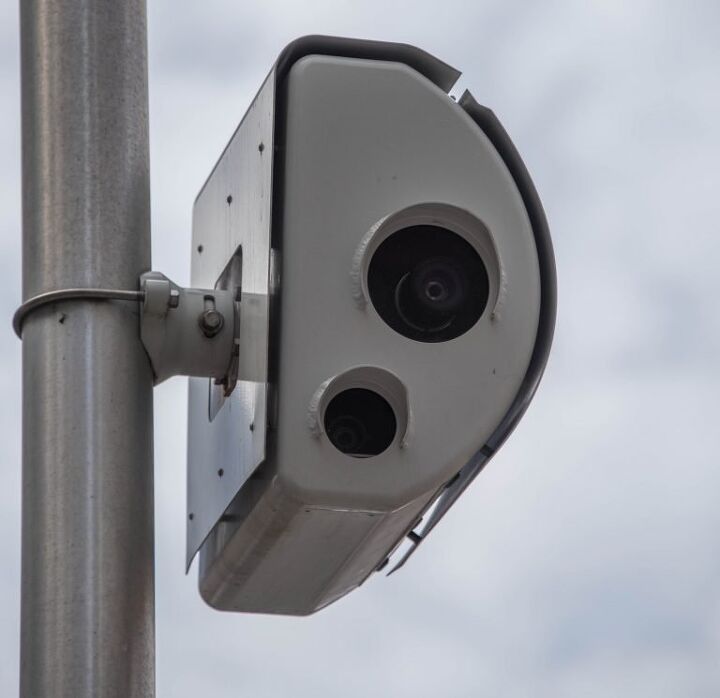
New Yorkers with aftermarket exhaust systems may want to be extra careful because a law, signed by Governor Kathy Hochul to increase fines on sound violations, now has a new enforcement tool designed to spot noisemakers.
Approved in autumn of 2021, the SLEEP (Stop Loud and Excessive Exhaust Pollution) Act raised the fine on vehicles producing excess sound in NY from $150 to a whopping $1,000. But drivers are now learning that getting busted won’t necessarily require whizzing past a squad car while their Borla snap-crackle-and-pops surrounding eardrums. NYC residents have begun receiving notices in the mail after being caught by the auditory equivalent of speed cameras.
Adaptive Headlights Becoming Legal in United States
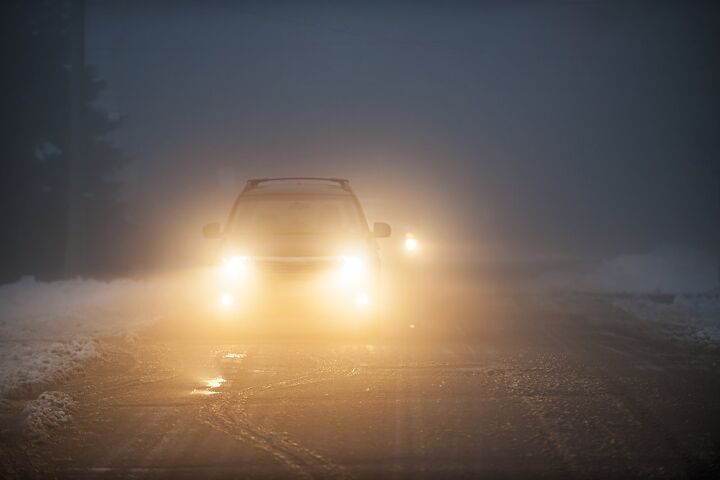
On Tuesday, the National Highway Traffic Safety Administration (NHTSA) announced it had finalized a rule permitting automakers to install adaptive driving beam headlights on modern vehicles. Despite having pioneered automatic headlamps in the 1950s, the United States has been hesitant to implement automatic leveling and directional beams. In fact, imported vehicles equipped with adaptive headlights have been modified to adhere to regional safety laws for decades.
But the implementation of light-emitting diodes, high-intensity discharge lamps, and even upgrades to tungsten-halogen bulbs has made forward illumination substantially brighter. If you’ve been driving a while, you’ve probably noticed increased glare from oncoming vehicles (especially if you’re in an automobile that’s situated closer to the pavement). Directional beams are supposed to help alleviate the problem and have been getting more attention from U.S. safety regulators. However, that’s only part of the reason why the NHTSA suddenly feels better about approving them.
UK-Based BMW Police Cars Banned From Pursuits
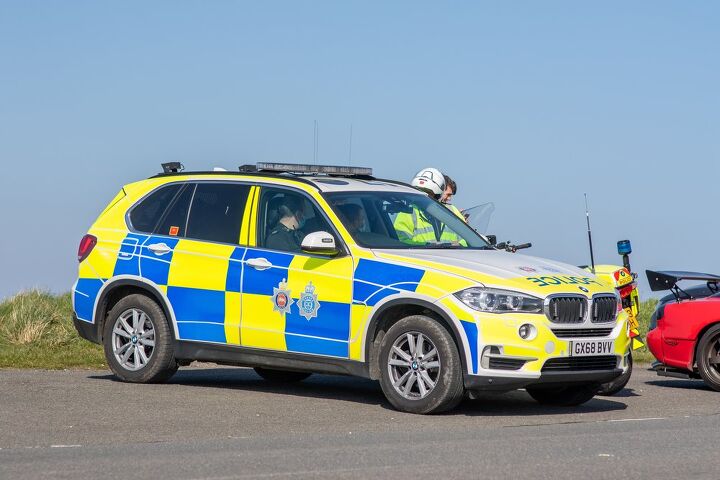
While electric vehicles get the most press whenever they go up like a match, it’s important to remember that combustion vehicles pioneered burning themselves up back when the horse was still considered a viable transportation option. Things are better now of course, with flaming cars being primarily relegated for important riots, large-scale sporting events, and decoration along the West Side Highway. We can also add high-speed chases taking place in the United Kingdom to the list because there’s reportedly a bunch of BMW police vehicles that are giving new meaning to the term “heat.”
For the last few weeks, various departments scattered across the U.K. have been issuing advisements not to use certain diesel-powered vehicles in pursuits that exceed the speed limit. It’s a rather curious request, though one that’s allegedly tied to a serious incident from 2020 that killed Police Constable Nick Dumphreys.
NHTSA Moves Closer to Having First Administrator Since 2017
It may be getting difficult to remember, but the U.S. National Highway Traffic Safety Administration (NHTSA) used to have someone who was formally in charge. They were called an administrator and Americans used to be able to rely on the government nominating and then confirming these within a year of their predecessor leaving office. The position has always been political, often filled by lobbyists deemed acceptable by whatever the dominant political party of the day happens to be. But things have been different in the 21st century, with the NHTSA frequently being ran by “acting administrators” who are just supposed to be placeholders until Congress can confirm a valid replacement.
The agency hasn’t had an official leader since 2017 when Mark Rosekind left the organization to become the head of safety innovation for autonomous vehicle startup Zoox. NHTSA has had a few interim bosses since then, with Steven Cliff filling the void since February of 2021. However he just moved a little closer to removing the word “acting” from his job title.
Tesla Recalls 54,000 Models Over 'Rolling Stops'
Tesla is recalling 54,000 cars equipped with its Full Self-Driving (FSD) software over a feature that allows vehicles to roll through stop signs under the right conditions.
While technically still in beta and incapable of legitimate (SAE Level 5) self-driving, the software suite has been a premium item on Tesla products for years. Introduced in 2016, FSD was originally a $3,000 addition to the company’s $5,000 Autopilot system and allowed customers to financially embrace the promise of total automotive autonomy that’s supposedly forthcoming. Features have improved since 2020, when the public beta was officially launched, however the company has remained under criticism for failing to deliver the goods. Among these were allegations that the latest version of FSD allowed vehicles to conduct rolling stops through some intersections. The issue resulted in the public flogging of Tesla online and subsequent recall.
AAA Endorses Driver-Monitoring Camera Systems
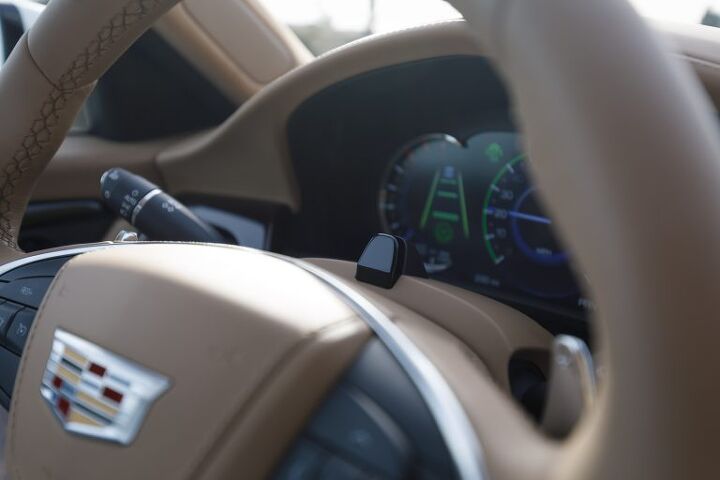
Despite the automotive industry collectively promising to commence deliveries of self-driving cars in 2019, autonomous vehicles have remained test platforms for technologies that don’t yet seem ready for mass consumption. Public perception of the concept has also endured a few setbacks after several fatalities involving partially autonomous vehicles received national media attention. Today, the relevant technologies have failed to mature as swiftly as indicated and there are a whole host of legal ramifications to contend with.
Selling an automobile that’s marketed as being able to drive itself (even partially) are exposing automakers to a whole new demographic of lawsuits, so they’re desperate to install failsafe measures that places the onus of responsibility back onto the driver. Their current favorite is driver-monitoring cameras, which the American Automobile Association (AAA) likewise believes are probably the best solution. The outlet recently shared the results of a study attempting to determine which driver-engagement systems worked best and decided that in-cabin cameras were the leading choice in a batch of bad options.
Nissan Recalling 793,000 Rogue SUVs Over Fire Risk
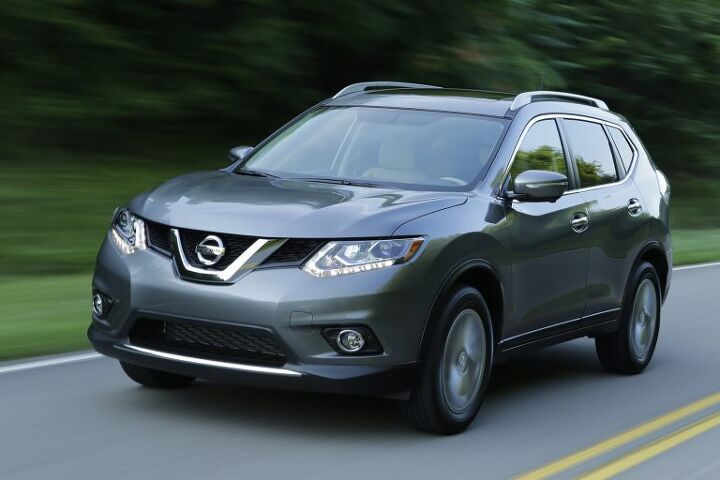
While alchemy has famously spent the better part of recorded history trying to transmute lead into gold, the automotive industry has repeatedly managed to achieve the lesser-known act of sorcery where water is converted into fire. This usually occurs when humidity ends up corroding an essential electrical component, resulting in fire risk that becomes the deciding factor in a recall campaign.
This week’s corporate conjurer is Nissan, which has decided to call back 793,000 Rogue SUVs in the United States and Canada.
Are Electric or Combustion Cars Better at Weathering a Winter Storm?
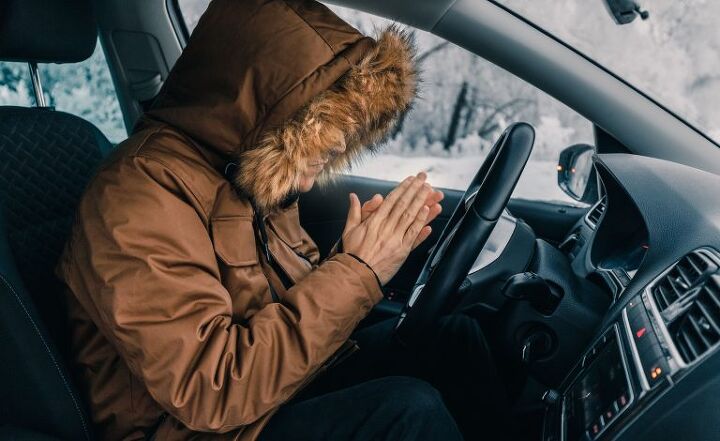
Following the Virginia shutdown of Interstate 95 that left countless people stranded in freezing weather overnight earlier this month, there was a surprising amount of news coverage making offhand comments about how victims would have been better off if they all were driving electric vehicles (Ed. note — there was also this Washington Post op-ed in which the author worried that an EV would be a poor vehicle to be stranded in And this Vice rebuttal to that article). While it seemed an inopportune time to advertise for EVs, it’s an interesting premise and encouraged Car and Driver to conduct a head-to-head experiment between a Tesla Model 3 and Hyundai Sonata N-Line to see who could keep the cabin warm for the longest period of time when stranded.
Realistically, you’d be better off in whatever vehicle is yielding the heaviest fuel tank or least-depleted battery when traffic stops. But there are other factors to consider. Idling an internal-combustion car for extended periods of time is not recommended and doing so when totally snowed in could potentially trap harmful exhaust gasses if the exhaust is not kept clear. Meanwhile, EVs are notorious for having their battery chemistry altered by colder temperatures. This is especially true if they lack the relevant thermal management systems, resulting in the maximum range being diminished by as much as 30 percent.
IIHS Takes a Dump on Semi-Autonomous Cars, Then Impositions Drivers
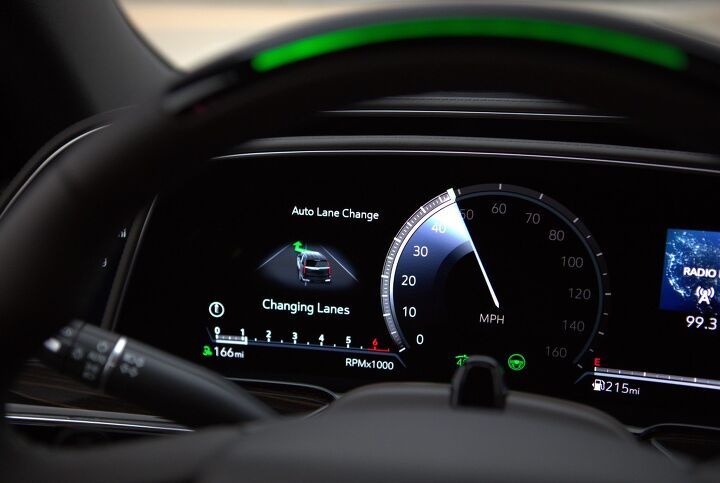
The Insurance Institute for Highway Safety (IIHS) has said it is developing a new rating system to evaluate the existing safeguards found inside vehicles equipped with partial automation. Considering how commonplace advanced driving aids have become, you might be thinking this was long overdue. However, insurers were blindly praising advanced driving suites a few years ago — until they actually started testing them in earnest.
As luck would have it, there’s been mounting research supporting claims modern automotive tech encourages drivers to tune out and become distracted. While this wouldn’t be a big deal if the relevant features all functioned perfectly, the reality is that most are far less effective than advertised and practically all of them run the risk of being completely undone by inclement weather or poor lighting. Confusingly, the IIHS believes the best solution here is to make sure systems constantly monitor the driver to ensure the driver is constantly monitoring the system.
Tesla Recalling 475,000 Cars Over Camera, Hood Latch Issues
The National Highway Traffic Safety Administration (NHTSA) has confirmed that Tesla will be recalling 356,309 examples of the Model 3 presumed to be suffering from a defect that can cause the rearview camera to malfunction. Another 119,009 Model S sedans will also be recalled over a problem pertaining to the frontal hood latch.
U.S. Regulators 'Crack Down' on Tesla for Letting Customers Play Video Games
The National Highway Traffic Safety Administration (NHTSA) has launched a formal investigation into 580,000 Tesla vehicles sold since 2017 that allowed customers to play video games inside the vehicle. The company has allowed users to play a variety of games while vehicles are in park, some of which allowed drivers to use the steering wheels and pedals as part of the controls, for quite some time. But an over-the-air software update permitted a few of them to be launched while the car was in motion by the passenger in the summer of 2021. Called “Passenger Play,” the service was limited to games that only used touchscreen controls.
It’s since been axed, however, regulators have taken an interest following some manufactured outrage. The NHTSA has faulted the feature as part of the ongoing distracted-driving problem in an attempt to link it to its crusade against Autopilot. The agency has launched a preliminary investigation into 580,000 Tesla Model 3, S, X, and Y vehicles to determine if they’re attention-sucking deathtraps.
NHTSA Gives Hyundai Safety Whistleblower $24 Million

The National Highway Traffic Safety Administration (NHTSA) has announced it is making its first ever whistleblower award. The U.S. regulatory body has decided to give over $24 million to a whistleblower providing information related to Hyundai Motor America and Kia Motors America. While not named by the NHTSA, it’s undoubtedly talking about Kim Gwang-ho — a South Korean engineer who flew to Washington in 2016 to squeal that his employer had been skirting safety regulations.
Armed with an internal report from Hyundai’s quality control team, Kim told the NHTSA the company was not taking sufficient action to address a presumed engine defect that increased the risk of crashes. It looks like the decision paid off for him, too. Hyundai Motor Group was struck with sizable regulatory penalties and Kim is now getting a huge payout from U.S. regulators right before the Department of Transportation proposes updated regulations pertaining to the automotive whistleblower program Congress created in 2015.
NHTSA Investigating Ram's Diesel Pickups
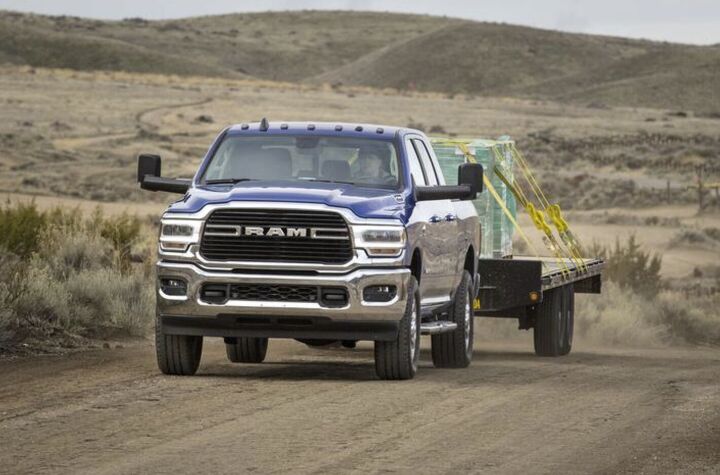
The National Highway Traffic Safety Administration has opened an investigation into nearly 605,000 heavy-duty Ram trucks. A report from the regulator’s Office of Defects Investigation has tabulated 22 complaints from the 2019 and 2020 model years, all of which use 6.7-liter Cummins turbo diesel engines, spurring the NHTSA to launch a formal investigation. Complaints revolve around loss of motive power, with most incidents occurring above 25 mph and resulting in the “permanent disablement of the vehicle.”
While the public was not made aware of the investigation until Monday, the agency launched its probe last Thursday on October 14th. The goal will be to establish how widespread the presumed defect is, what exactly caused it, and any potential safety hazards relating to the issue. Some headway has already been made, however.
Rain or Shine: AAA Finds Out Advanced Driving Aids Still Suck
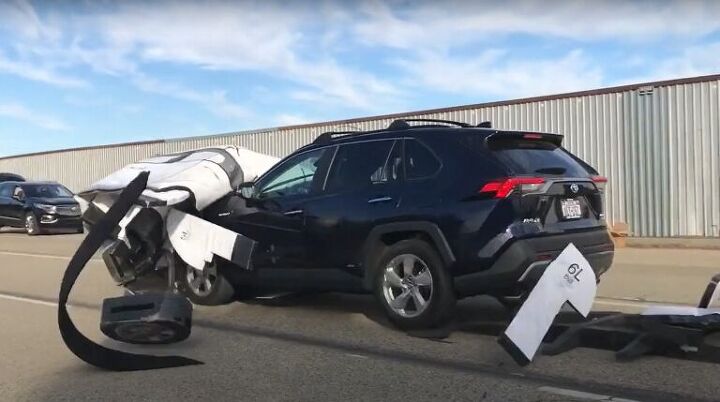
A new study from the American Automobile Association (AAA) has found that rain can severely impair advanced driver-assistance systems (ADAS). Similar to how highway traffic slows to a crawl when there’s a sudden deluge, modern safety equipment can have real trouble performing when a drizzle becomes a downpour.
On Thursday, the motor club organization released findings from closed-course testing that appeared to indicate some assistance suites had real trouble seeing through bad weather. AAA reported that 33 percent of test vehicles equipped with automatic emergency braking traveling collided with a stopped car when exposed to simulated rainfall at 35 mph. The numbers for automatic lane-keeping was worse, with 69 percent drifting outside the lines. Considering the number of times the people writing for this website have anecdotally criticized ADAS for misbehaving in snow, sleet, rain, fog, or just from an automobile being a little too dirty, it’s hard not to feel a little vindicated.
Chevy Bolt Fire Fix Allegedly Finalized
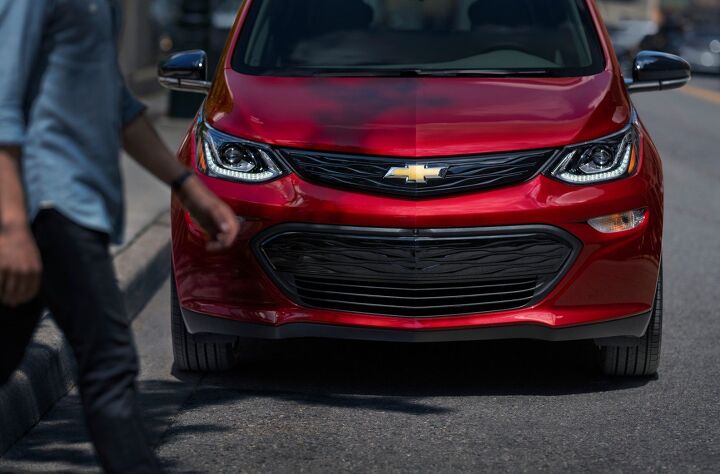
The Chevrolet Bolt has evolved from being General Motors’ superstar EV, radiating optimism for the company’s ambitious electrification strategy, to a public relations nightmare in relatively short order. While sales of the hatchback (and EUV) actually skyrocketed in Q2 of 2021, thanks largely to a diminished production output from the same period in 2020, shoppers are becoming aware of the fire reports and prolonged recall campaign that followed.
Another chapter has been added to that story, with GM now convinced that this will be the conclusion of the dejected tale. On Monday, the manufacturer issued an announcement that batteries for the Bolt had resumed production. But they won’t be coming out of the South Korean facility owned by LG Chem that’s been alleged as ground zero for the relevant defects. GM has instead elected to source the units from Michigan while LG improves quality assurance with the automaker peering over its shoulder, hopeful that customers will someday be able to use their car normally. Sadly, that moment still looks to be several months away.
The Chevrolet Bolt is Becoming Embarrassing for GM

If you’ve been following the Chevrolet Bolt, then you know it’s gone from a competitive front-motor, five-door all-electric subcompact to a tinderbox on wheels. Battery issues have resulted in numerous recalls while the associated fire risk is gradually making it the spiritual successor to the Ford Pinto flambé edition. Though, in fairness, the Bolt issue is nowhere near as devastating as those vintage Ford fires and pales in comparison to the General Motors’ own faulty ignition switch fiasco that left over 100 people dead.
It’s still leaving a bad impression, however, and GM’s latest decision (prudent as it might be) won’t be helping. As part of the recall campaign, the manufacturer has advised owners not to park the vehicle inside garages or close to buildings. It also has a charging protocol for customers to use to help minimize its risk of spontaneous combustion. Following yet another fire incident, GM has updated those recommendations and now advises drivers to park the Bolt at least 50 feet away from all other vehicles.
Twist: NHTSA Tesla Autopilot Probe Now Includes Other Automakers
The National Highway Traffic Safety Administration (NHTSA) has been doing a deep dive into Tesla’s Autopilot to determine if 765,000 vehicles from the 2014 model year onward are fit to be on the road. We’ve covered it on numerous occasions, with your author often making a plea for regulators not to harp on one company when the entire industry has been slinging advanced driving aids and distracting infotainment displays for years.
Apparently someone at the NHTSA either heard the blathering, or was at least of a similar mind, because the organization has expanded its investigation to include roughly a dozen other automakers.
NHTSA Identifies 12th Autopilot Related Crash Involving Emergency Vehicles
The U.S. National Highway Traffic Safety Administration (NHTSA) has identified another traffic incident pertaining to Tesla’s driver assistance features and emergency vehicles, making the current tally twelve. These wrecks have been a matter of focus for the agency ever since it opened a probe to determine whether or not Autopilot can handle hiccups in the road caused by scenes where flares, cones, disabled automobiles, and first responders coalesce.
Though concerns remain that Tesla is being singled out unjustly when there’s little evidence to suggest that other manufacturers are providing more capable systems. Tesla’s issues appear to be heavily influenced by irresponsible marketing that makes it seem as though its vehicles are self-driving when no manufacturer can make that claim. U.S. regulators now want to place more restrictions on vehicles boasting autonomous features and, thus far, Tesla has been behind on those trends. But it’s hard to support claims that they make vehicles safer when none seem as effective as they should be.
Opinion: Automakers Are Overstepping Their Boundaries
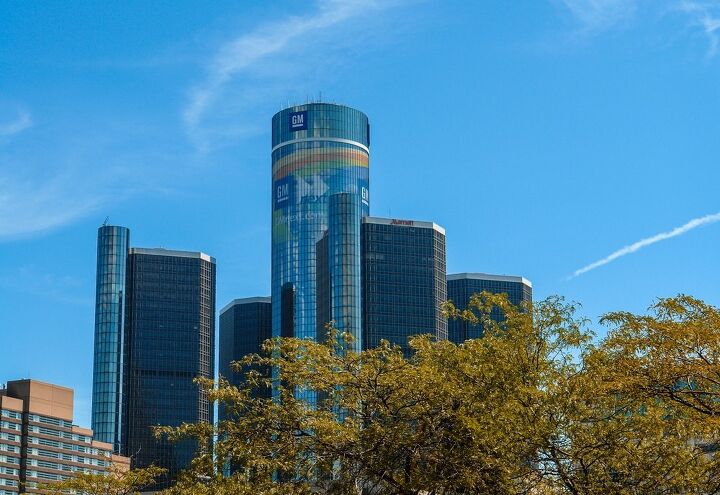
General Motors now requires salaried employees operating in the United States to disclose their coronavirus vaccination status. As confirmed by the automaker on Thursday, the decision is supposed to help the company determine what percentage of its own workforce is vaccinated so it can make better decisions about which safety protocols to implement. But your author is under the assumption that “as many as possible” will always be the preferred answer.
Earlier in the month, GM forced all salaried employees to disclose whether or not they were immunized for COVID-19 using the automaker’s internal network. Those answering to the affirmative were required to submit proof of vaccination by last Monday. But it sounds as though the manufacturer is just getting warmed up for more invasive activities.
Takata's Killer Airbags Are Still Out There
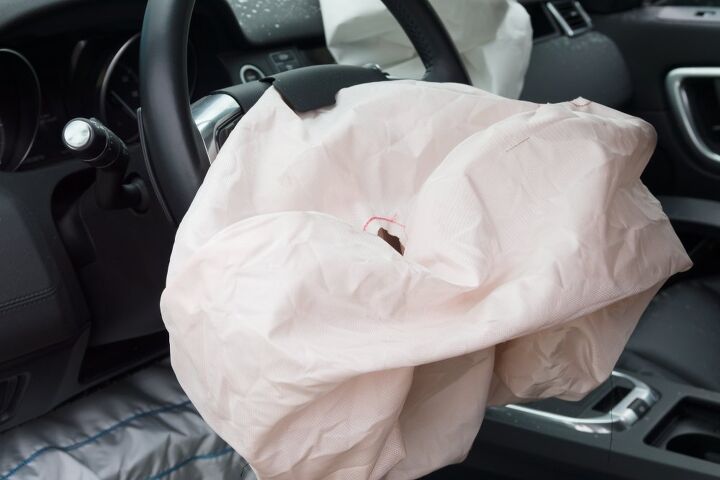
The Takata airbag recall was the largest in the automotive industry. So large, in fact, that we don’t actually know how many defective units are still floating around out there.
With the recall encompassing over 100 million airbag inflators sold around the world with the potential to kill occupants with shrapnel, keeping tabs was always going to be difficult. But Blomberg is reporting that it’s effectively impossible to account for all of them, noting that there are parts of the planet where the affected customers weren’t ever notified. We still haven’t even managed to fix all the units we knew were shipped in the United States, with at least 14 million potentially deadly inflators still presumed to be on the road as of July.
Ford Postpones On-Site Work Until 2022, Considers Vaccine Mandates

On Wednesday, Ford Motor Co. told employees that it would delay plans for on-site work due to coronavirus concerns relating to the delta variant. Non-site-dependent staff are being told they stay home for the rest of 2021, while line workers will still be required to come in so long as there’s a job to be done — creating a dichotomy between white and blue-collar workers.
While Ford has encouraged some teams to come back to the office for various projects, it has repeatedly delayed its return-to-work timeline. Workers now being told to stay home until 2022 were previously informed they’d be coming back to the office in October. Before that, everyone thought it would be business as usual by the summer. Now the company is adopting a policy that has most people staying home even after 2022 as often as possible while it considers mandating vaccines.
GM Upset With Battery Supplier, Expands Bolt Recall Again
On Friday, General Motors announced that its recall of the Chevrolet Bolt would result in a loss of $1 billion. But only after it expanded the campaign to encompass every electric vehicle it has produced. Rather than a single $800-million defect requiring fire-prone models to come back for repairs, GM is now confronting two problems and including Bolts (and Bolt EUVs) from 2019 onwards. The automaker has said this will necessitate an additional billion-dollar financial setback.
Keen to avoid being the recipient of the swelling public outrage, the manufacturer has been trying to shift criticism onto battery supplier LG Chem. The South Korean firm has been involved in numerous fire-related recalls pertaining to electric vehicles and GM would very much like to remind you of that, rather than take the blame for building and selling EVs that it’s advising customers not to charge too much or park anywhere near their home.
Ram Recall Encompasses 212,000 Pickups

Stellantis is recalling 212,373 Ram vehicles over issues relating to the side-mounted airbag inflators. Relevant safety reports were filed with the National Highway Traffic Safety Administration earlier in the month and describe circumstances somewhat similar to the nightmare that preceded the Takata airbag recall. Inflator components exposed to moisture may have a tendency to lose components or outright rupture, potentially spraying the interior with metal fragments.
The Ram inflators are believed to have been exposed to unnecessary levels of moisture during the manufacturing process, resulting in a weakening of the materials under pressure. FCA US (which is the name used on the NHTSA report, rather than the global Stellantis) started an investigation in December of 2020 after it had determined some pickups had been installed with side-curtain airbags with defective inflators. The company traced the issue all the way back to the 2015 model year.
GM Replacing Battery Modules On Recalled Chevy Bolts
The Chevrolet Bolt has become the focus of negative attention following some fire incidents that were believed to be related to battery components. After two recalls, General Motors has decided to replace the battery modules of every model that could be impacted — rather than focusing on units with proven defects.
While it’s undoubtedly going to cost the company a fortune, this is probably the correct move. The implications of negative publicity stemming from repeat vehicle fires have a tendency to linger and be blown up to larger-than-life proportions. This is especially true if an automaker rushed that vehicle to market to better wrangle the segment. Just ask Ford about the Pinto if you’ve any doubts.
NHTSA Resumes Inquisition of Tesla Autopilot
The National Highway Traffic Safety Administration (NHTSA) has been keeping tabs on Tesla’s Autopilot for years, sometimes giving crashes involving the system a bit more attention than they otherwise would have. But the extra scrutiny seemed to dissipate as practically every automaker on the planet introduced their own advanced driving suites and Telsa seemed to preemptively adhere to fast-approaching government regulations (and industry norm) by introducing driver-monitoring cameras.
On Friday, the NHTSA returned to business as usual and announced it had opened a preliminary evaluation of Autopilot to determine if there were any problems with the system. The agency has claimed it received at least 11 verifiable crash reports since 2018 where a Tesla product struck at least one vehicle that was already at the scene of an accident. It’s sort of a weird metric but allegedly worthy of the NHTSA wanting to look into every model the company produced between 2014 and 2021. However, actually reading the report makes it sound like the agency is more preoccupied with how Tesla’s system engaged with drivers, rather than establishing the true effectiveness of Autopilot as a system.
Senate Infrastructure Bill Seeks to Make Breathalyzers, Interior Cameras Mandatory
The U.S. Senate is currently considering a $1 trillion bipartisan infrastructure bill that’s primarily targeting the ailing highway system, with tens of billions left over to spend on advancing the nation’s EV charging infrastructure and incorporating more eco-friendly modes of public transportation. But there’s also some really kooky shit that you need to be made aware of before this passes into law.
Along with new regulations that would mandate the inclusion of collision detection systems and automatic emergency braking, where the car calls your bluff and applies the wheel-stoppers independently of your actions, provisions have been made that would also require some kind of in-car breathalyzer. The stated aim is to reduce incidents of drunk driving. However, the proposed system may also include driver-monitoring cameras, totally undermining any nobility the cause might otherwise have had.
Opinion: Automakers Reinstating Nationwide Mask Mandates Is a Mistake

Detroit automakers and the UAW have elected to reinstitute national masking mandates for all of their facilities, starting Wednesday. General Motors, Ford, and Stellantis have issued a joint announcement clarifying that the rules are in accordance with the updated guidance from the Centers for Disease Control and Prevention (CDC) recommending masks be worn by all persons regardless of their vaccination status.
Based upon the text included in the release, the industry seems aware that the decision will be unpopular and is doing its utmost to transition responsibility without absolving itself entirely.
Ford Reintroducing Mask Requirements in Three States
For the last several nights it’s been impossible to turn on a screen and not encounter some besuited mouthpiece telling you that face coverings and social distancing will be the peak of fashion by this fall. In the real world, we’ve seen this mirrored by governments and businesses reinstituting COVID restrictions. General Motors even got out early and decided (with encouragement from the UAW) to bring back masking in Missouri.
Now it’s Ford’s turn.
Hot Tip: Chevrolet Addresses Bolt EV Fires, Readies Recall
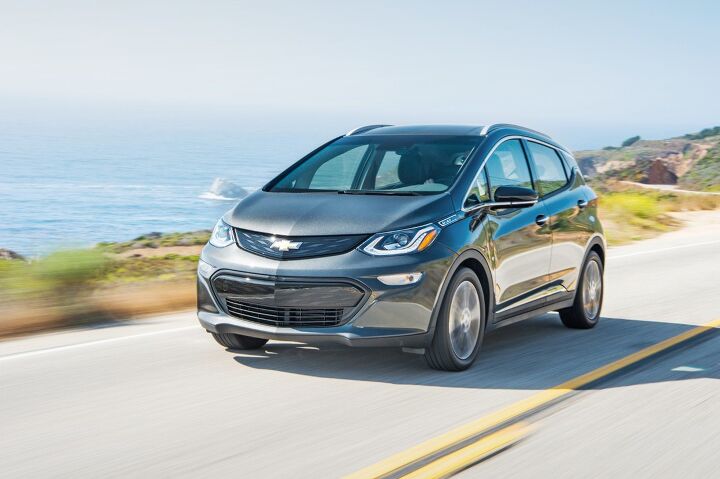
Chevrolet has issued a statement to owners of Bolt EVs that could be subject to surprise fires while charging, offering more tips on how to avoid burning down their homes while it preps another recall. General Motors and supplier LG Chem have identified “two rare manufacturing defects” that they believe are causing the fires and are suggesting avoid charging their vehicles in an extremely specific manner until after the secondary recall has been conducted.
UAW and General Motors Are Backing Mask Mandates Again
Despite American carmakers and the United Auto Workers abandoning mask mandates at the end of June, there’s been an about-face in Wentzville, Missouri. The state witnessed an uptick of cases, encouraging both the UAW and General Motors to reintroduce masks and social distancing protocols.
The facility is responsible for the GMC Canyon and Colorado, as well as Chevrolet’s Savana and Express. It’s also likely to be the first facility of many we’re assuming will be told it’s time to go back to the old masking rules. But why is this happening so soon after everyone was given the green light to return to normal operations?
NHTSA Cautions Against Leaving Chevrolet Bolt EVs Indoors
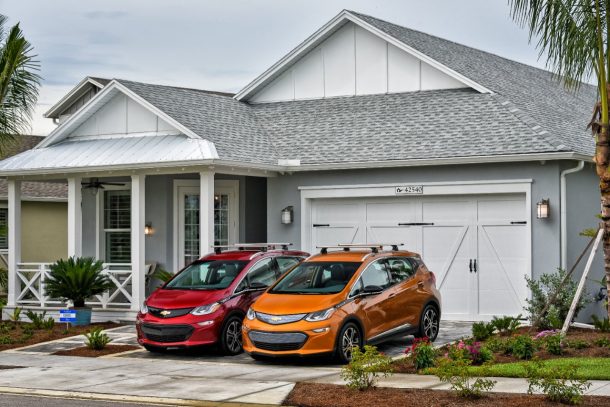
The National Highway Traffic Safety Administration (NHTSA) has issued an alert pertaining to Chevrolet Bolt owners, as the vehicles’ LG Chem battery packs could have a propensity to catch fire. On Wednesday, the safety organization recommended that the cars be left outdoors (ideally a healthy distance from anything flammable) and never left unattended while charging.
This defeats one of the largest perks of owning an electric vehicle (at-home charging), as customers will be required to buy extra-long cables and monitor their car outdoors for hours as it takes on energy. Owning a horse would be less work.
Tesla 'Recalling' 285,000 Vehicles in China Over Autopilot Issue

The Chinese Communist Party seems to have it out for Tesla. Following bans that prohibited the brand’s vehicles from parking themselves anywhere near a military base, China’s government has decided to recall over 285,000 Tesla automobiles sold in the country. We’ve also seen state-run media outlets begin branding the automaker as irresponsible and arrogant amid consumer protests some are concerned might have been staged for political reasons. Though it’s painfully hard to get inside the head of the CCP while you hope for concrete evidence of any of the above. Propagandizing and censorship have reached a level where just about everyone is having difficulties distinguishing up from down.
What is certain, however, is that Tesla’s regional volume has taken a noteworthy hit in 2021 despite sales more than doubling the previous year. While this may have nothing to do with the bad publicity and recall campaigns, we’re betting the latest example — which pertains to customers misusing Autopilot — won’t help matters.
Driving Dystopia: Speed Camera Rule Change Creates Ticketing Explosion in Chicago
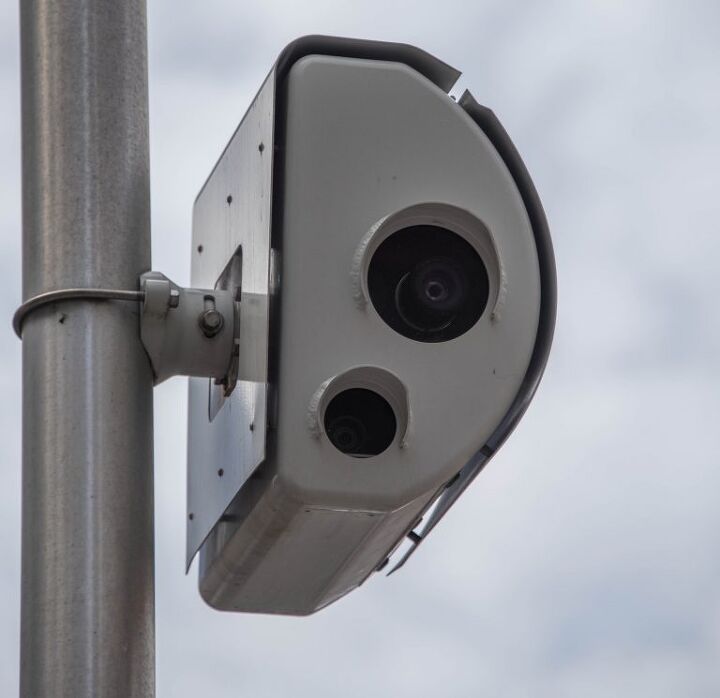
At the start of the year, the city of Chicago announced that it would be changing rules pertaining to traffic enforcement as part of Mayor Lori Lightfoot’s updated 2021 budget package. But the one that was causing the most concern among motorists was a provision to have speed cameras issue tickets to anybody traveling 6 miles an hour over the posted limit, rather than the previous cutoff of 10 MPH. While just a singular aspect of the city’s plan to resolve a $1.2-billion deficit, it turned out to be one of the most controversial items and appears to have resulted in a tenfold increase in fines.
According to local affiliate CBS Chicago, data from a public records request indicated that during the 36-day period before and after the change took effect on March 1st, citywide ticketing went up from 35,784 citations in the weeks before to a massive 398,233 in the proceeding weeks.
IIHS Claims Marijuana Legalization Causes Crashes

It’s always nice to get a break from the endless stream of industry marketing materials about electrification, though this week’s impromptu theme still involves going green. Following news that General Motors is considering changing its drug testing policies to exclude marijuana, there has been heavy coverage of an Insurance Institute for Highway Safety (IIHS) study claiming states that have legalized recreational use of cannabis are seeing more crashes.
But the framing seems wildly irresponsible as it fails to highlight the problem being heavily tied to individuals operating a vehicle under the influence of marijuana and alcohol combined. It’s more or less what the IIHS attempted to do in 2018 with help from the Highway Loss Data Institute (HLDI). Our guess is that the duo is seeking out fresh reasons for insurance companies to raise rates in regions that have legalized pot because even their own research complicates the issue.
BMW Patents Projection Side Mirror Display, Cool But Pointless
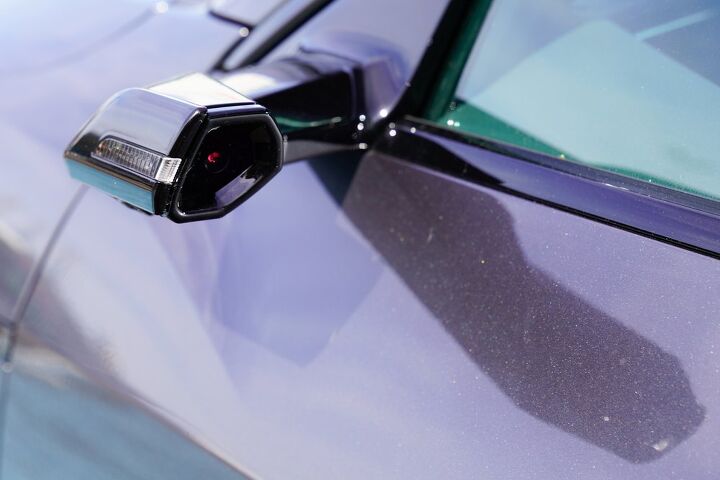
The problem with being in the sales business is the need to constantly outdo your rivals. Automakers know this better than just about anyone, which is why you see gimmicky features installed into vehicles that probably would have been just as good without them. But one never knows what’s going to catch on with consumers and you’ll never catch the big one if you don’t go fishing, so you’ll see patents filed on just about everything.
BMW has reportedly done just that with its new virtual mirror technology system that merges camera-based mirrors with olde-tyme projection technologies. The purpose appears to be something that replicates the experience of traditional side mirrors (which work fine) while adding some modern features that can only be accomplished using the newer stuff.
Safety Groups Downgrade Tesla Models for Dumping Radar

The National Highway Traffic Safety Administration is downgrading the Tesla Model 3 and Y following the company’s decision to remove radar from its advanced driver-assistance suite. We wrote about it, noting that the change actually removed several features from the affected cars and introduced the activation of another creepy, driving-monitoring camera.
While the latter aspect warranted the most cursing from your author’s side of the laptop, it’s the former that’s seeing the lion’s share of debate among groups advocating for vehicular safety. Everyone wants to blame Tesla’s overreliance on cameras as the thing contributing to high-profile crashes when there’s nary a vehicle on this planet that’s truly capable of driving itself. But that hasn’t stopped the NHTSA from slapping affected Tesla models into their own category, noting that they lack several functions it deemed important for safety. It’s all relative, considering there are millions of vehicles on the road that don’t have any advanced driving aids to speak of and heaps of evidence that electronic nannies don’t always function as intended. But it’s earning Tesla bad publicity as it gets dinged by increasingly more safety groups.
FTC Exploring Consumer Repair Rights Expansion
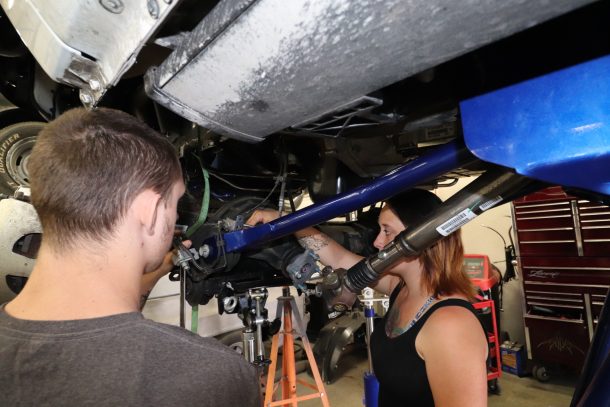
The Federal Trade Commission (FTC) has identified numerous repair restrictions in a new report to Congress. Parts replacement difficulty and parts availability limitations were among the restrictions.
Assisting in expanding repair options available to consumers is within the agency’s power. The Commission works with lawmakers on the state or federal level to provide choices when consumers repairs.

Pedestrian Deaths Ballooned Against Miles Driven Last Year

The Governors Highway Safety Association (GHSA) released the latest data pertaining to U.S. pedestrian fatalities — indicating that the largest-ever annual increase since we started keeping track in 1975. While the data is preliminary, the association estimated there were 6,721 pedestrian deaths in 2020. It’s a 4.8 percent increase over 2019 and not all that impressive until you realize most people basically gave up their normal driving routine during lockdowns. According to the GHSA, adjusting for miles driven actually results in an annual increase of 21 percent.
It’s genuinely creepy and kind of perplexing with everyone staying isolated. But we’re not going to recommend you start wearing high visibility jackets whenever you leave your home because the mathematical likelihood of being crushed by an automobile remains incredibly low.
2013-15 Honda Accords Heading in the Wrong Direction
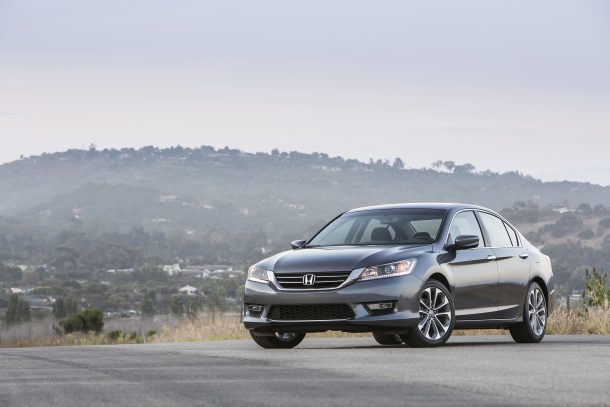
2013-15 Honda Accords are under investigation by The National Highway Traffic Safety Administration (NHTSA) for a steering issue. Allegations of Accords suddenly losing control without warning have led to 107 complaints. According to a Motor1 report, there are as many as 1,120,470 Accords in the US that could be affected.
Auto Lobby Now Recommends Driver Monitoring Cameras
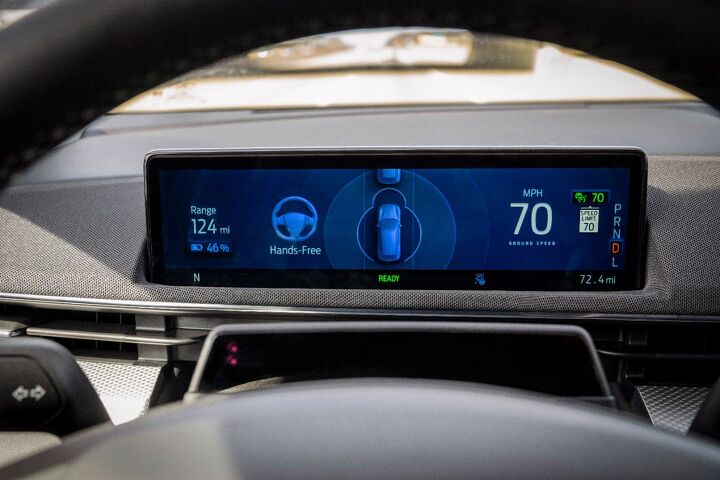
On Tuesday, the largest automotive lobbying group released a handful of safety guidelines related to driver monitoring for vehicles equipped with driver-assistance features. It’s pageantry designed to convince you and the rest of the world to embrace technologies that have already led to unsettling privacy violations. The Alliance for Automotive Innovation making recommendations for the industry is farcical because the AAI already represents just about every major player on the field, suppliers included. The only real outsider is Tesla, which the organization decided would make an excellent scapegoat for the broader tech agenda.
But there’s still merit to the discussion, especially if the only proposed solution is to let the industry watch us inside our cars 24/7.
Another Takata Airbag Tragedy

American Honda and the National Highway Traffic Safety Administration (NHTSA) confirmed that a defective Takata airbag inflator ruptured in the crash of a 2002 Honda Accord on January 9th in Lancaster County, South Carolina. The ruptured inflator led to the driver’s death.
Kia 2021 Seltos and 2020-21 Soul Are Flaming Hot

Kia has recalled 2021 Seltos SUVs and 2020-21 Soul wagons with 2.0-liter, four-cylinder engines. 147,249 vehicles are involved. Inconsistent piston ring heat treating may cause engine damage. This can lead to a loss of power, and an increased risk of fires or crashing.
Lexus Makes a Point About Distracted Driving

Last week, Lexus launched a viral marketing campaign — that also makes for an excellent public service announcement — about how stupid it is to check your phone while driving. But it has only just started getting the kind of attention it deserves, now that some of the contentious regulatory news has subsided.
The automaker modified a Lexus NX crossover with an electrochromic film that can totally obfuscate the glass for 4.6 seconds — which is the average length of time a person looks at their phone while driving, according to the National Highway Traffic Safety Administration (NHTSA). It then invited people to take the car for a “test drive” while it made a point about distracted driving. While an overt publicity stunt, it was rather effective and addresses one of our biggest concerns in terms of automotive safety. Lexus simply showcased a bunch of morons with phones in an interesting way, highlighted the danger, and then got off its podium.
QOTD: What Cars Are Driven Badly in Unpleasant Conditions?

Drivers of certain cars are prone to drive badly in foul weather. Over four million applicants for insurance are a pretty good indicator. Is it the type of car, or a more aggressive driver? You be the judge.
Hyundai Blue Link Connects Owners and Insurance
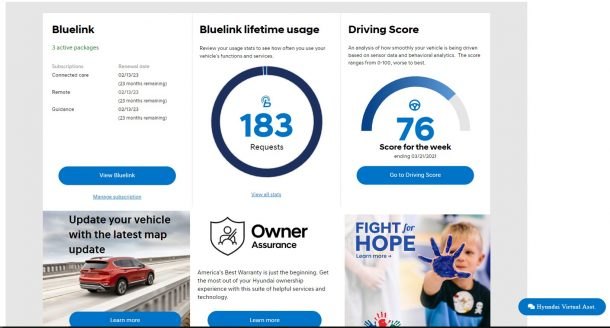
Hyundai Blue Link, a connected-car service first offered in 2018, can now be used to save on auto insurance. Hyundai’s usage-based insurance (UBI) program and Driving Score promotes safe, efficient driving habits. Through Verisk, a global data analytic firm, Hyundai drivers can opt-in to share their driving quirks. Receiving substantially lower insurance rates is the hope of most drivers.




Recent Comments