

The Roll Of Distant Thunder
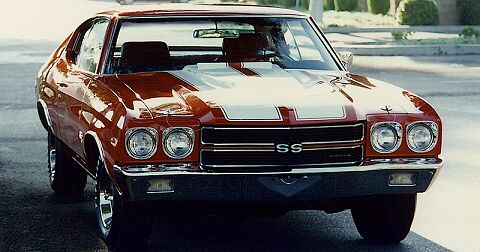
Sometime around 1977, the little orange Opel Kadette wagon that had carried the Stork family through the lean times of the Arab oil embargo disappeared from its place above the truly enormous oil stain on their carport and a midsize Chevrolet two door arrived. The kids in our neighborhood were unimpressed. It was, to our eyes, just another in the long line of well used cars that Wayne had brought home and, while we had all hoped he would bring home something cool, we were disappointed that he had chosen a Chevelle. They were quite literally everywhere, most often driven by little old ladies who plowed the country roads below the posted 35 mph limit, and as such could not possibly be of interest to us. Even if it did have white racing stripes and a bulging hood with a little flapping door that opened and closed when you stepped on the gas, we were all in agreement that Wayne’s most recent choice was a total disappointment.

Big Iron: How Marty Robbins Became A NASCAR Legend
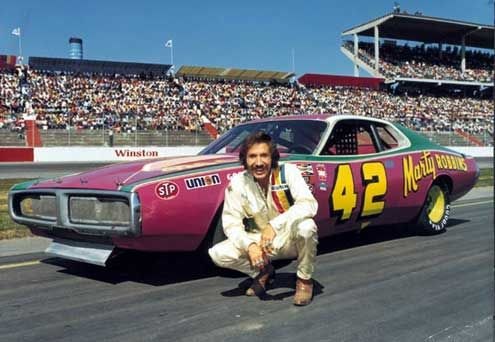
The number 42 Dodge Charger was running well. Although it had qualified in 9th position with a top speed of only 177 miles per hour, during the race it was clocked as high as 188 miles per hour and its driver, an amateur racer who made his living singing cowboy ballads at the Grand Ole Opry, was really mixing it up with the professional drivers. The Winston 500 was a big deal and, as one of the premier NASCAR races, there as a lot at stake. Talladega was one of those legendary places that captured the imagination and the attention of every race fan in the nation was focused on the event. For older, more experienced drivers a good performance meant job security while for the new guys, like Darrell Waltrip who was making his first ever Sprint Cup start in the race, a good performance could mark a man out from his peers and maybe garner the attention of one of the big teams. Given the expense, the effort, and the experience that it took to even field a car in the race, how was it that a country and western singer in a car paid for mostly out of his own pocket could be running so well? The answer is simple, he was cheating.
Recapturing My Youth: Looking For A Touchstone

Life sucks
The Turbo Dodge Shadow that I purchased in February of 1988 lived hard and fast but, thanks in part to my strict adherence to a maintenance schedule and my belief in the power of synthetic motor oil, it didn’t die young. By 1996 the little red car had more than 135K miles on the clock and a whole lot of hard fought-street racing victories – and maybe just a few losses – under its belt. After I changed the head gasket somewhere around the 80K mile mark, the car suffered a couple of broken timing belts, caused mostly by my inability to correctly adjust the belt’s tension, but otherwise had few problems. Still, as the miles added up, I became concerned about the car’s condition and eventually purchased a Geo Metro to take over daily driving duties. Later, after sliding the Metro off an icy highway, I traded up to a K5 Jimmy, but kept the Shadow as a my own special toy. The Jimmy came with a big loan payment, however, and all it took to totally derail my carefully balanced finances was a lay-off. Before I knew it, I was in over my head and flat broke. Stuff had to go.
Into the Gap: Three Cars Enter, Two Cars Leave
The Earth has been made small by air travel. Despite the barriers thrown up by airport security, it is easy to step aboard a jet aircraft and, just hours later, emerge a full 12 time zones away, quite literally on the other side of the planet. Ground travel is nowhere near as fast or efficient. You can count the few, truly great, distance-spanning routes on one hand and have two fingers left over. They are: The Trans Siberian Railway, traversable by train, the Silk Road, traversable by camel, and the Pan American Highway which is, according to the Guinness Book of World Records, the longest “motorable roadway” on Earth.
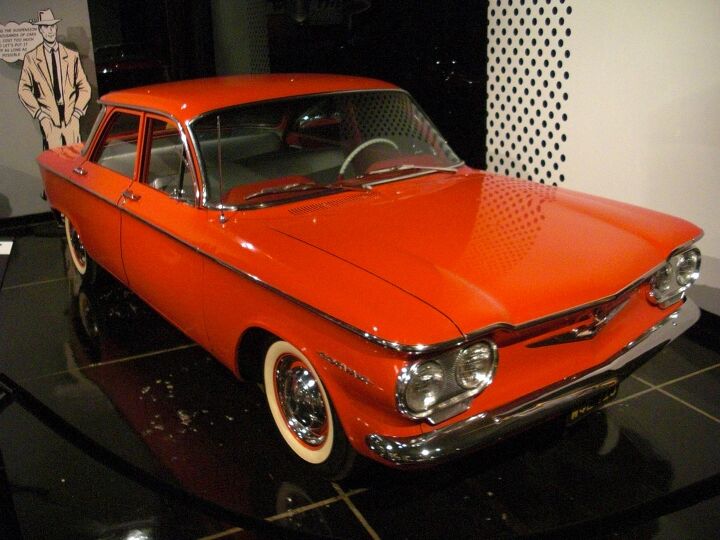
At almost 30,000 miles in length, the Pan American Highway links two of the Earth’s four corners. It traverses 18 countries as it wends its way from Prudhoe Bay, Alaska on the extreme Northern edge of the North American Continent to the city of Ushuaia on the very tip of South America’s Isla Grand de Tierra Del Fuego, Argentina. In some places, the road is gravel, in others hard cement, and in still others it is a simple dirt path. In one place, it’s even imaginary. Yes I said imaginary, because, you see, the truth is that the Pan American Highway is a fraud. Thanks to 57 mile stretch of swampy, dense jungle that forms the border between Colombia and Panama, an area known as the Darien Gap, the Northern and Southern portions of the Highway are not joined together. That fact, however, mattered little when, in 1961, Chevrolet decided that their recently introduced Corvair would make the trip, road or not.
Up For Sale: The First Production Aztek
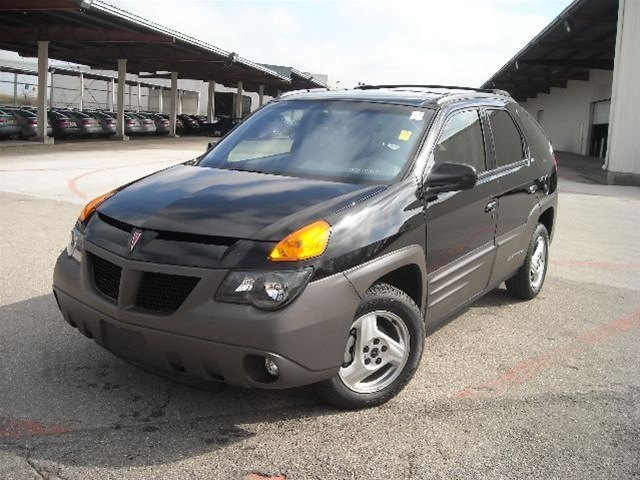
Collectors love objects with a link to the darker parts of human history. Whether it is a page of Hitler’s stationary or one of John Wayne Gacy’s clown paintings, if something has a macabre connection, some people simply must have it. If you are one of those people, now is your chance to combine your car hobby with that “other” thing you do by purchasing one of the automotive industry’s most infamous products.
Total Recall Update: Rustectomy Successful But Change Is In The Wind

Saturday was a day of reckoning for my Ford Freestar. As detailed in an article I wrote last week, my Freestar required a trip to the dealer to repair rust related issues that affected the rear wheel wells and the third row seat latches and the cost of the repairs were covered by Ford under a recall issued earlier this year. I promised then that, once the repair was completed, I would report back to you on how everything turned out.
Gremlin Of The Forest: Another Kenny Stork Adventure

The used baby-shit green AMC Gremlin arrived in the Stork’s driveway about the time their long lived 1967 Chrysler Newport made its last tip out of the driveway and into its final resting place in the forested acreage behind the house. The oil shock had meant a lot of changes, but Wayne had been willing to deal with the high prices so long as it hadn’t meant purchasing a new car, but by the time the old Chrysler finally gave up the ghost it was a given that the next vehicle he purchased would be smaller and more fuel efficient. Compared to the Chrysler, the Gremlin was smaller and more fuel efficient, but compared to my family’s Opel Kadett it was an anachronistic piece of junk. It’s a wonder it lasted an entire year before it broke down.
Total Recall: Ignore At Your Own Peril
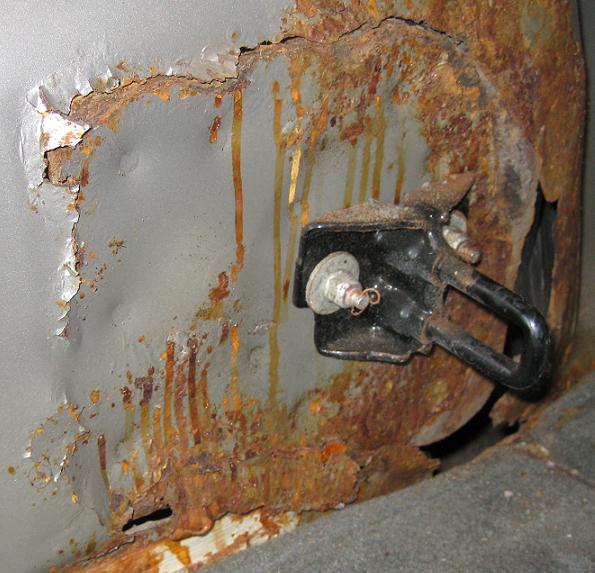
In March Ford announced another recall for their Ford Freestar minivans. The last time this happened I took my Freestar to my local dealership for transmission work and a few weeks later ended up replacing the entire transmission at my own cost when the part suffered an “unrelated problem.” This time Ford tells me that my van may suffer from corrosion in the wheel wells and that the affected areas include the third row seat mount. Presumably, the metal under the seat rusts out which could prevent the seat from latching properly. The condition, they continued, affects about 196,500 vehicle registered in the United States and that the vehicles most at risk are in states where salt is used on the roads to melt snow in the winter. I made note of the recall but then life intervened and my best laid plans to take the van in for a quick repair evaporated.
Buffalo's Pierce Arrow Museum Will Hit The Mark With Expanded Facility

Photo courtesy of www.pierce-arrow.com
Like so many other cities in the American North East, Buffalo’s days as a great manufacturing center appear to be over. With a few notable exceptions, industry has moved on and the result has been closed factories and hard times. Buffalo must change if it hopes to survive and, like so many other cities these days, it is working to redefine itself. That doesn’t mean that it will forget its roots, however, and well it shouldn’t. It is, after all, the town that gave birth to the legendary Pierce-Arrow and thanks to one local collector it even has a museum to celebrate that fact. Now that museum is set to be more impressive than ever.
Oh Canada: The Manic GT
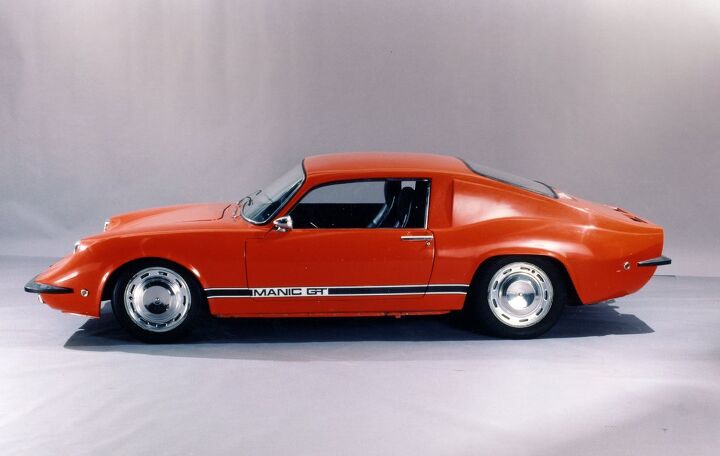
Happy Canada Day. We here in America Jr. will be spending the day in polite celebration, perhaps a few pages of a Margaret Atwood novel, perhaps a little Tom Cochrane, perhaps two or three fireworks set off in celebration of our continuing success in exiling all our worst citizens to the Los Angeles music industry; perhaps just a little self-reflection on life in a land where most of the population settles at the bottom, leaving huge expanses of airy nothingness above – less a country than a enormous family-sized bag of potato chips.
We build cars here in Canada. We make Hondas and Chevys and Fords and Dodges, and some of them we drive, and some of them you drive, but they’re not really Canadian cars, per se. The ideal of the Canadian car remains the Bricklin SV-1, Canada’s DeLorean. Neat car, that thing, with motorized gullwing doors and an integrated roll-cage. I seem to remember as a kid I had a Transformer that looked just like it. Well actually, considering the SV-1’s issues with acrylics, perhaps it was a Go-Bot.
Anyway, as today is a day for a celebration of all things maple-syrup flavoured, I’d like to take minute or two of your time and talk about a much less well-known Canadian-built car that is extremely interesting and very slightly crappy. It all starts with a man with the quite silly name of Jacques About, and before you ask, no, that is not pronounced “aboot”.

In Celebration of Fathers: Cars in the Blood

My son Harley, raised with a love for everything on wheels.
As I paused in the driveway and waited for the garage door to open, I felt an unexpected presence by my side. Unbeknownst to me, my six year old son had slipped the confines of his booster seat in the rearmost row and made his way forward past his sisters with surprising stealth. Now he stood between my wife and I as we prepared to travel the last few feet of our journey.
Balls Of Fire, Then And Now
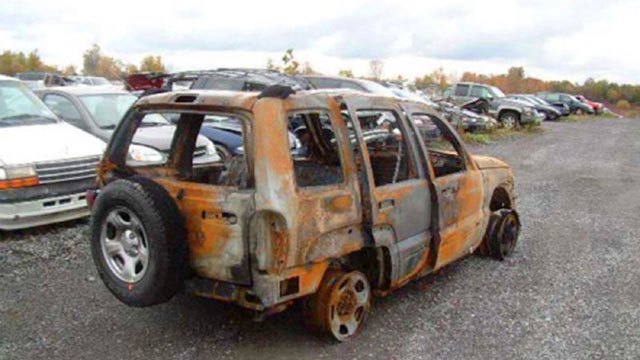
Chrysler’s recent decision to snub a recent NHTSA recall request is big news. I need not restate the facts of the story, if you are a “car guy” and haven’t heard the sordid details, or noticed the dramatic photos of burned out Jeep Grand Cherokees and Liberties posted all over the internet in the past few days, you must live under a rock. With 2.7 million vehicles involved the costs of conducting such a recall would be staggering but, ultimately, inaction may cost the company even more money if consumers lose confidence in the brand.
A Little Context From A Forgotten Photograph

We have all been there, posing proudly with our car alongside some curvy country road on a sunny afternoon. It doesn’t matter if the car is new or old, is just going through the break-in procedure or is on its last legs, what matters is the moment. A photo like this is a powerful talisman against old age, wherever we go and whatever happens to us, we have simply to gaze upon it and we are transported back to that special time in our lives when the road was clear and the only thing we needed to be serious about was having a little fun.
The Tipping Point

Years ago, I was paid to help a neighbor clean out his garage. It was an old, ramshackle building with a dirt floor and over the years it had been filled with an amazing amount of crap. At the very back, under a canvas tarp, I found a long neglected late 60s Honda CB750 in fairly rough condition. When I asked about it, my neighbor told me how, as a younger man, he had purchased the bike new and travelled the highways and byways of the American West for many years before finally coming home a settling down to start a family. To him, it was an icon of his youth and a time of freedom. To my young eyes, however, it was just a neglected old bike covered in dirt and cobwebs, found forgotten, alone and unloved and condemned to spend its remaining years as a lifeless touchstone of another time. It struck me as a particularly sad end to a life of service and I decided then that no vehicle of mine would ever languish its remaining life away in a barn or under a cover.
Mustang by Mazda? When Ford Probed The Possibility

In the early 1980s, as the economy continued to slump and gas prices soared, American car makers were desperate for a way forward. The good old days were gone forever. Under pressure from the Japanese, whose small cars had gone from rolling jokes to serious, high quality competition in little more than a decade, the big three knew they needed to make a radical departure from their traditional approach before it was too late. Although some of the more stodgy cars would soldier on and continue to sell to members of the Greatest Generation well past their expiration dates, for the rest of us the future was a smaller, lighter and more efficient. The winds of change were blowing and even the Ford Mustang felt the chill.
A Celebration of My Mom, Woman Driver

My mom around 1955
As mother’s day approaches I think now about my own mother on the other side of the continent and about the journey her life has been. Born in the mid 1930s and raised in poverty, she was dumped into an orphanage by her father after her mother’s sudden death from breast cancer in the late ’40s. It has never been discussed in detail, but I know that she and her younger sister were rescued by their older sister, my aunt Evelyn, herself just a recently married teenager, and raised as one of her own. At barely 18 years of age, my mother married my father, had the first of her five children and worked hard to build a home for herself and her family. The amazing part of this is that she was able to do it all without ever driving.
Swimming In The Pond Of The Japanese Garden

In some ways my initial move across the Pacific was a lot easier than my return. I was at the end of my personal rope when I went to Japan in 1999 and, even though I was stepping into a dead end job, there was nowhere to go but up. Coming home was quite the reverse. Of course I had a job offer, but I had learned the hard way about birds in the hand versus the two in the bush and, truth is, I was scared. I had carved out a nice little life for myself in Japan. I had friends, a decent place to live and, for a change, money in my pocket. I had even purchased a car and a motorcycle, but now it was time to sell out and move on.
Discovery's Fast N' Loud, Where Cars Meet Reality TV
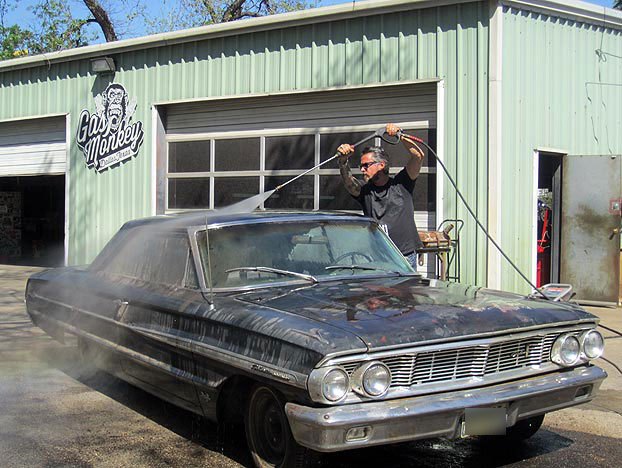
Time was, the only time you could see cool cars on TV, outside of reruns of the Rockford Files and Starsky and Hutch, was on Saturday Mornings on The Nashville Network. Those programs, aimed at shade tree mechanics and the average do-it-yourselfer, were about as interesting as a high school auto shop class’ instructional videos. Things have definitely changed and today, thanks to hundreds of cable channels and the advent of Reality TV, car related programming is easy to find. The problem is that Reality TV is character driven and you have to endure colorful personalities in order to see the cars.
Opel Kadett: The One That Got Away

Selling Snake Oil: Great Automotve Ads Of The Past
Sweet, sweet publicity. Although I am loathe to admit it, I am a sucker for a slick ad campaign. Those catchy jingles, perfectly posed photos, and quick camera cuts work their way into my psyche and demand that I throw down my hard earned cash for something I may not need, but God how I want it! Done right, an ad campaign can have a lasting effect on me – I’m not sure if Bertel is to blame, but does anyone else remember when Volkswagen used Elvis Presley’s “Devil In Disguise” to promote their GTI? I sure do- too bad I can’t find it on you tube! So let’s talk car ads – here are some of the greatest car ads of all time:
Psycho Love: Sticking Your Key In Crazy
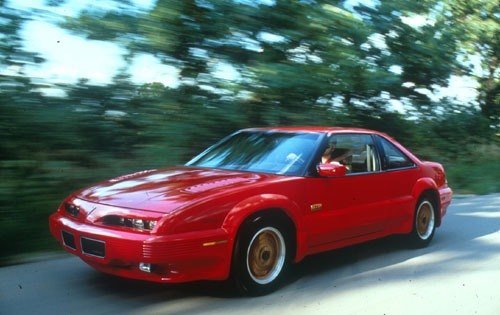
I saw it this morning. Slipping along the in the dim, pre-dawn light and shrouded in the thin early morning fog that wicked up in wispy tendrils from the damp pavement, it was an apparition, a beast from another age. Like poor Yorick, alas I knew it well and although, in time, it has become the subject of infinite jest, it was in its day the most excellent fancy of many young men and it bore my youthful dreams upon its back a thousand times. It had, I thought, no right to be among the living when so many other, better, vehicles of its era were consigned to their graves, rotting away in fields, pulled apart for their components or crushed, shredded and melted wholesale back into their base elements. Why then, knowing through the clarifying lens of history the terrible truth about the trouble that lurked beneath its slick sheet metal, did its unexpected appearance stir a long-forgotten longing in my heart?
Mooneyes: Breaking Down Cultural Barriers, One Hot Rod At A Time

Honmoku street is a wide, tree lined avenue that bends through the southern “Naka” district of the city of Yokohama. Close by sits the massive port, the gateway through which so much of Japan’s industrial output is sent to the world, its tall cranes working ceaselessly and with no regard for human concerns like the time of day. Above it all the Yokohama Bay Bridge soars like a vision, lifting cars and trucks across the entrance to the harbor as effortlessly as it straddles the line between art and infrastructure. Although the massive bridge and its double decked feeder highways encircle the entire district, the sense one has on the ground is of open space and nature, rarities in the second largest city in Japan. In the midst of it all sits the classic American Hot-Rod shop, Mooneyes.
Casey Shain: Turning Pure Fantasy Into Virtual Reality

Dodge Charger
They say that you don’t regret the things you do as much as you regret the things don’t do. I hope the auto manufacturers are listening, because when I look at so many of the fantastic looking four door sedans on the market today, I feel a sense of regret for what they aren’t doing, namely making two door coupes. I know there are financial considerations, probably tens of millions of dollars worth, at work behind the scenes. I understand, too, that there are likely to be engineering challenges and any number of other issues that a simple layman like myself can never really understand, but the fact that there are no really cool coupe versions of today’s hot sedans gnaws at me.
Thank God for artists like Casey Shain, a man of considerable talent who, like many of us, believes that today’s cars can be better.
Bloomberg Interview: American Car Design Rennaissance?

If you have a spare four minutes and four seconds (plus time for the commercial) take the time to check out the following discussion over at Bloomberg.com. As a layman, I find these kind of discussions very interesting and would like to hear the best and the brightest, many of whom I know to be connected with auto industry, give a little perspective to what seems to me to be a very shallow look on the subject of modern car design.
California Offering Legacy License Plates
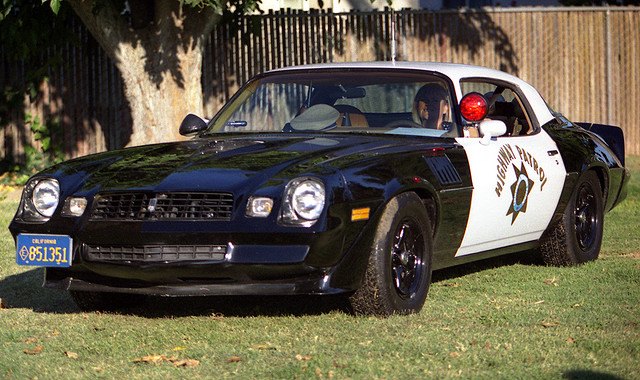
The California state DMV is offering motorists the chance to step back in time and order new license plates in historic color combinations.
Dreamweaver – Living The Dream With His Feet Planted Firmly In The Real World

I’m not a reporter. I don’t even pretend to be one. What I do is tell stories and sometimes, if I am fortunate, they resonate with people. So when guy name Joe here in Buffalo contacted me and offered me a ride in his 1995 Lotus Esprit I was torn. Naturally, I wanted a ride, who wouldn’t? Still, I had to tell him up-front that I didn’t know if that a ride would generate a story good enough for the illustrious readership here at TTAC. Luckily for me, he invited me over anyhow and I got my ride, but in the end it turns out I was right. A ride, no matter how exhilarating, really wasn’t enough for me to create an entire story. That’s fortunate though, because Joe’s story about his almost lifelong connection to this one specific car is better than anything I could have invented.
In the Year 2525 – The Best Cars of Science Fiction

The best science fiction tells human stories set against a backdrop of strange worlds or futuristic cities. Because pacing and plot are more important than lengthy, accurate descriptions of the technology at work in those worlds, most sci-fi writers don’t spend a lot of time on the various machines their protagonists use. We might know that our hero traveled in a shiny aluminum air car, but the details generally are left to our imagination.
Fortunately for those of us who want a real peek into the future, film is a visual medium. The best directors know that set and prop design are critical to the tone of a movie and that machines can be as important as the action. They pay a lot of attention to getting just the right look and, even though we may not get to open the hood on that futuristic air car, we definitely get to see it at work, get a feel for its lines and even some idea of how it handles. If they do their job right, we might even believe these vehicle could be real.
The following are, in this author’s opinion, some of sci-fi’s finest.
Long Distance Run Around – Buying My 300M Sight Unseen

The salesman must have thought I was nuts. I could hear the incredulous tone in his voice, “Some guy calling from Okinawa wants to buy a used car that we put on Craigslist? When does he want to come and look at it? He doesn’t? How’s he going to pick it up? He isn’t?” Fortunately for the both of us, money talks.
Dealing With Loss: My Father's Oldsmobile
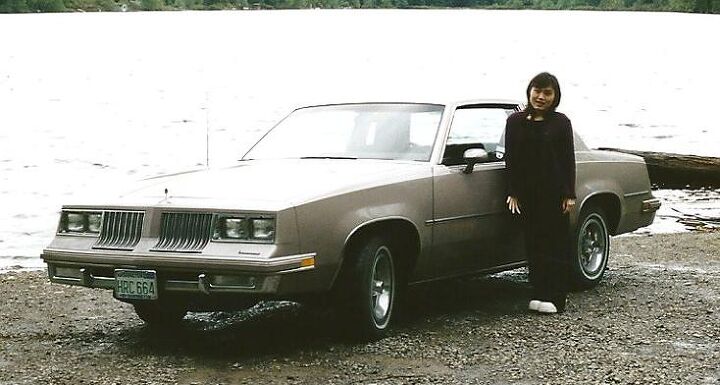
My wife with the Oldsmobile at Storm Lake, WA
Nobody likes to think about the passing of a parent. When it happens it leaves you with a lot of different feelings, sadness, emptiness, loneliness and even, if your parent has been effected by a long illness or a prolonged decline, an unexpected sense of relief and completion. The grieving process is different for everyone, the legal process isn’t. Within a few days of your parent’s passing, the division of assets, property and cherished mementos begins to grind relentlessly forward. If your family gets along well, who gets what is generally handled gracefully and your relationships are actually strengthened by the process. So it was with my family and, since I was the only “car guy” among my brothers and sisters, it was a foregone conclusion that I would get my father’s Oldsmobile.
Lake Michigan Car Ferry, SS Badger, and EPA Reach Agreement
The Lake Michigan Car Ferry website is reporting that the Environmental Protection Agency and the operators of the Lake Michigan car ferry, the SS Badger, which runs between Ludington MI and Manitowoc, WI, have reached and agreement that will allow the historic steamship to continue operating. The Badger is one of the last coal fired vessels operating commercially on the great lakes and its continued operation means millions of trade and tourist dollars for the region it serves. During the summer months, the 6650 ton vessel makes two round trip crossings per day and can carry 600 passengers and up to 180 automobiles.
My Rich Fantasy Life Laid Bare: Can You Do Better?

Hard to believe someone like me would need a rich fantasy life, isn’t it?
If you haven’t guessed it by now, I love cars and like a lot of people I spend a lot of time thinking about the ones I might like to own. My daydreams live in an odd place, they don’t run towards the higher plane of pure fantasy where the Ferrari and Lamborghini live, and, despite the fact I expect to be buying a new minivan or SUV in the next couple of years, they don’t run to the purely practical, either. No, my fantasies live in that middle place. A place where the cars are interesting and, as unlikely as a purchase may be, still attainable.
Youthful Exuberance: Big Cat Hunting
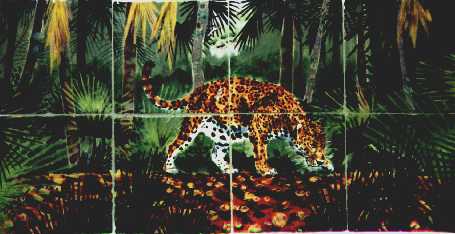
The Seattle area traffic was light. A few hours earlier, at the peak of the Friday night rush hour, Interstate 405 had been bumper to bumper. Now, just after 7 PM, the road was crowded but moving freely. I had a killer commute, 40 miles each way, and I was thankful I had missed the worst of it. I spent a lot of time on the road and I understood how traffic ebbed and flowed in that same intuitive way that way someone who works on a river understands how a ripple on the otherwise smooth surface betrays the roiling currents in the depths below. On a Friday night like this, for example, I knew I was behind the great outward rush from the urban centers and into suburbs and just ahead of the second, smaller rush of people from the suburbs heading back into the city for an evening of food, fun and friends. To the west, the sun was sinking slowly into the Pacific while on the Earth, in the growing drakness, the hunt was on…
Taiwan Taxi Ride
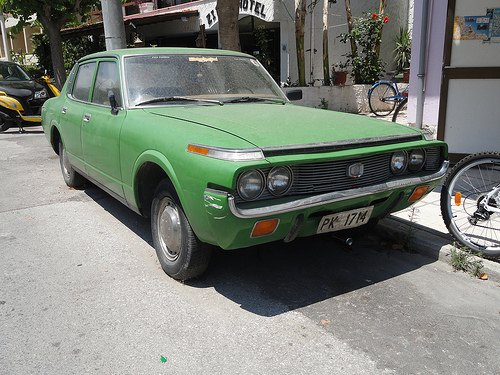
Fong’s Taxi looked just like this.
The container yard stretched out into the distance as far as the eye could see. Next to the ship, three giant cranes worked at a feverish pace, plucking the 40 foot long containers from their racks, lifting them high into the air and depositing them onto one of an endless stream of flat-bed trucks below at a rate of around one every minute. The loaded trucks raced their engines and sped off into the yard where they were met by other machines, immense forklifts, that removed the containers and piled them in stacks six or seven units high. The stacks, numbering in the tens of thousands, merged with one another to form great flat topped mesas of multicolored steel cut by valleys of cement and the industrial landscape rivaled anything that nature could create with stone and water. It was a scene I had looked upon many times and it could have been a container port anywhere in the world. Only the stench of told me it was Kaohsiung Taiwan.
Errand of Mercy: A Late Night Journey Across Japan

Typical Japanese Highway scene
Total silence is not the kind of thing you expect in Japan. Given the fact that there are almost 130 million people crammed into a country roughly the size of the State of California, only 20% of which is actually habitable, the din of human activity follows you wherever you go. It is an incredibly urban environment, filled with people, heat and activity. Yet when I turned off the engine and stepped out onto the empty road and into the cool stillness of the summer night, I felt like I was the only person in the world.
The 1991 GMC Jimmy SLE – The Car I NEVER Should Have Bought

1991 GMC Jimmy SLE
The 1991 GMC Jimmy was a throwback to a better time. The design, originally introduced in the 1973 model year, was all truck and its square, upright design spoke volumes about American strength and power. Over the years, the design gradually evolved and towards the end of its product run even gained small touches of luxury. Don’t be misled by the soft velour seats and carpeted floors, though, under the skin the truck was still all business. It was a serious rig for serious men and it required a seriously big wallet to fill its seriously big fuel tank. I didn’t know it then, but I was in serious trouble the minute it hit the driveway.
The 1988 CRX Si – The Car I Should Have Bought

1988 CRX Si
My buddy John is one of the smartest guys I know and over the many years we have been friends John has always been a step or two ahead of most people, myself included. In 1988, when I was selling spark plugs and oil for just a scratch over minimum wage, John who is just a few months older than I, was writing computer programs and maintaining the data systems for a fairly large shipping company. He has always been a responsible, hardworking man but, to be honest, he is also a bit of a computer nerd.
One Last Summer in the Sun: The Final Days of a Chevy Nova
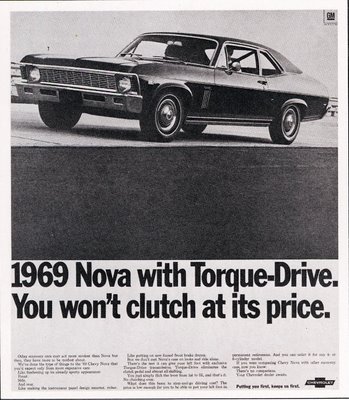
The forest green 1969 Nova sat unwashed and unloved at the side of the modest house. I studied it from the side of the road with the eye of an experienced hunter and I recognized the signs. Shunted off to the side while two more modern cars sat in the driveway, it was obvious that the old Nova had already passed that threshold of usefulness and begun the descent into eventual abandonment. The grass beneath the car, just a cutting or two taller than the rest of the yard, told me how recently that had been – just a few weeks. There was a chance then, that the car had not sat long enough to totally degrade. Perhaps, I thought, there was still some value to be had.
TDI Troubles In The Land Of The Rising Sun
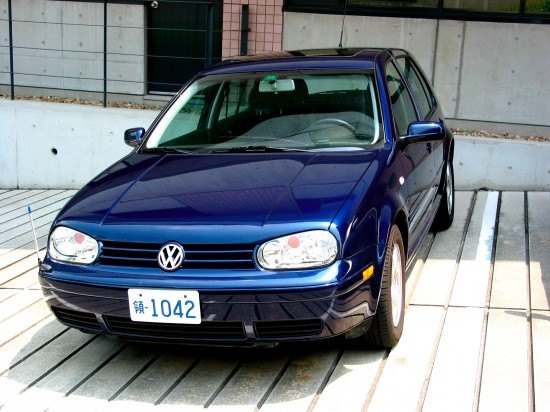
My TDI in Japan
The engine quit with a sudden un-dramatic snap, and the little Golf TDI began to slough off speed. Reflexively, I bumped the gearshift lever into neutral, flicked on my signal and began moving towards the left edge of the expressway. My exit was less than a mile away and, rather than stop alongside the highway, I used my momentum to coast up the off-ramp and over the small knoll that stood between the expressway and the toll plaza. I stopped there, on the back side of the hill where the road widened on the approach to the toll booths, to avoid blocking traffic and dug out my cell phone to call for a tow truck. I didn’t know it then, but it was the last time that I would ever sit behind the wheel of the little car, never mind the fact that it would follow me again around half of the globe.
Shakken Up: How A Little American Persistance And One Little, Old Japanese Man Beat The System

My 1986 JDM Twin Turbo Supra
Wherever I am in the world I will always be a typical American man. Despite a lot of the stereotypes that spring to mind when I say that, I learned a long time ago that it isn’t a bad thing. I was raised right and I have solid values. When seats are limited I will stand so my elders can sit. I always hold the door open for ladies, and I keep plugging away no matter how hopeless the situation might seem. There are a few things here and there that can cause problems once in a while, too. For example, I won’t be deliberately insulted, I need my personal space and, of course, I feel like I am loser if I don’t have my own set of wheels.
Fast Times: How Getting Rid of an AMC Javelin Led Me to a Better Life
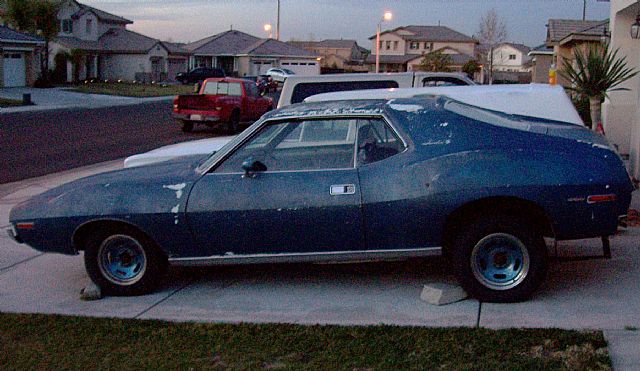
Not the real car Rick owned, but pretty much the same thing,
It was 1984. Van Halen, Iron Maiden, and the Scorpions were on the radio stations I listened to, while Prince, Wham, and some guy named Michael Jackson were on the stations I avoided. I was a young punk and I ran with a fast crowd. Whatever, I was into fast.
Turbo Love At First Sight
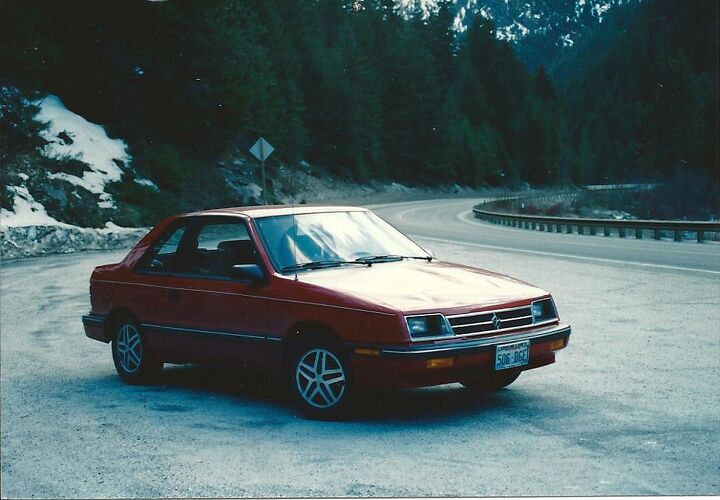
My 1988 Shadow on trip up Stevens Pass a few months after I purchased it.
I was young, stupid and hopelessly in love. The girl, as has so often been the case in my life, hardly knew I existed but, regardless, I was determined to win her. The problem was in those pre-internet days, real advice for young men was in short supply, especially if you were too embarrassed to ask about such things, so when someone told me women were attracted to power, I listened. If power is what women wanted, power I could get. Fortunately, it happened to be on sale at my local Dodge dealership.
: The Cars of the Japanese Police

They can cuff me anytime.
Hot girls in short skirts are the first things that leap into my mind whenever anyone says anything about the Japanese. The internet has not helped to change that, in fact it may have made things worse. If you add the word “Japanese” to any noun that describes a group of people and enter it into your favorite search engine, pictures of hot young girls will always appear near the top of the results. Look for Japanese tour guides, Japanese students, Japanese beach volleyball players or Japanese anything and you will see I am right. Try it, I’ll wait.
Now that you’re back, did you look for Japanese Police? I did, and despite my prior confession I was surprised at what I found.
My Role In The Extinction Of The American Muscle Car

1969 Chevelle SS
A few weeks a go I had the opportunity to watch part of the Barrett Jackson auction. I found myself captivated by the colorful commentary that went along with each sale. Every car had a story and the commentators spent a great deal of time telling us about them. They also discussed the cars’ performance, available options and recited the original production numbers, contrasted by telling us exactly how many of those cars survive today. It turns out that many of the cars I regularly used to see back in the 1970s are extremely rare today. I suppose I shouldn’t be surprised, however, after all, I had a hand in making them go away.
Capsule Review - 1999 Land Rover Discovery Series II, AKA – The Great Southwest Escape. Take Two
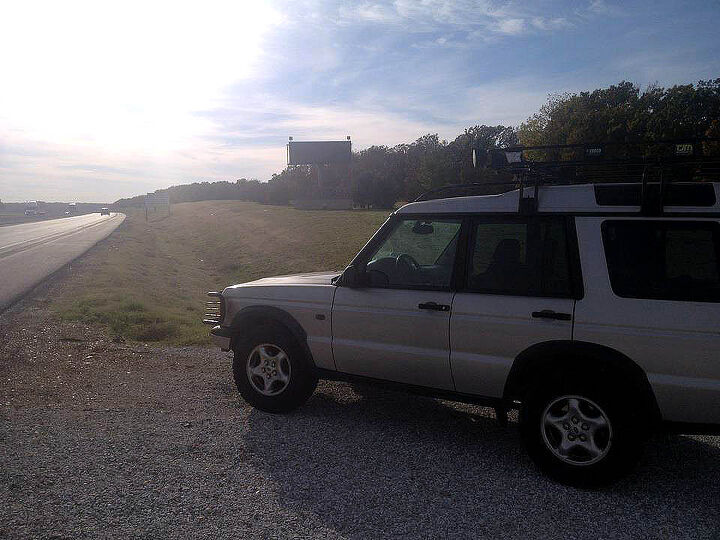
Yesterday, we witnessed Sandy being picked up by Mental Ward. Today, we follow both on the roadtrip through America. Will they make it?
Just east of Philly, it had started snowing pretty well. During the first (of many) fuel stops, I pulled the light covers. At speed, the lights off the snowflakes resembled the cockpit view of the Millennium Falcon making the jump to light speed. It was simply awesome. Snow? HA! Disco Sandy positively yawned at the attempt and sped through the Pennsylvania night.
Comfortably perched in the high leather seat, I began to grasp the concept of “command seating” outside of marketing buzzwords. Sorry, you don’t have it. In fact nothing else outside of the starship Enterprise has command seating. The window frame is just above my hipbone with miles of headroom. The dash is low and the gauges succinct but informative. The seat is as comfortable as you expect British leather to be. There is an armrest, cup holders, dual sunroofs, suspension adjustments, and my favorite; a curry hook. 4,500 pounds of steel and three locking differentials certainly ads to your swagger. Exit the vehicle and hear air pumping the suspension level. You drive a sedan, you pilot a race car, but you command a Land Rover.

Capsule Review - 1999 Land Rover Discovery Series II, AKA – The Great Southwest Escape. Take One

Tycho's Illustrated History Of Chinese Cars: The Benz-like Vehicles Of Bamin Auto
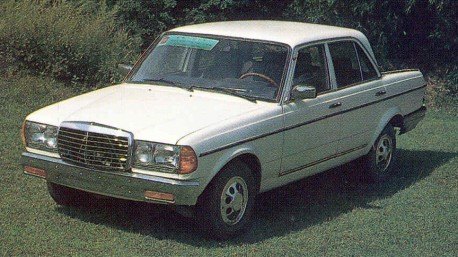
The Chinese Army was a great admirer of Benzes, so much that they built their own. Bamin State Automobile Works, or Bamin Automobile for short, was based in Minhou in Fujian Province. The company was owned by the Chinese army, it was also called the ‘PLA 7427 Works’. Bamin Automobile started business in the late 1980′s with a local licensed variant of the Beijing 212; the Bamin BM212A/BM213A.

Vantasy and Superwagon: Vintage AMT and MPC Model Kits Back In Production
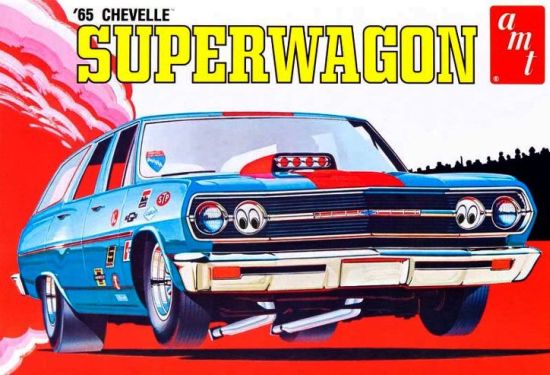
I still haven’t gotten around to building my 1/25 scale Billy Carter Redneck Power Pickup kit, but that won’t stop me from adding more projects to my “get to it someday” collection… which I’m about to do, now that TTAC reader Neb has pulled my coat about the huge lineup of 1960s and 1970s plastic model kits being made from the original tooling by Round2 Models.

Question: What Was the First Car You Remember Riding In?

Mother’s Day last weekend got me to thinking about the first car ride I ever took: a cruise home from the hospital in my parents’ 1956 Olds 88. Thing is, that car got destroyed by a combination of Minnesota rust and Minnesota deer a few months later and I don’t remember it. My first identifiable car memory involves crawling around on the slippery blue vinyl back seat (without benefit of baby seat or even seat belts) of my dad’s late-60s company car: a 1967 Ford Custom 500 sedan with three-on-the-floor and overdrive. What’s yours?
Time Machine Dilemma: It's 1966 and You Have Enough Cash For a Porsche 911. What Do You Buy?

The Time Machine Dilemma works like this: your time machine lands on Auto Row in some past decade, and you have enough cash to buy a certain iconic car of that era. Do you buy the iconic car, or do you hoof it to some other dealership, perhaps saving enough money to buy (gold, Microsoft stock, first-edition Philip K Dick hardbacks)? We’ve done this exercise with miserable econoboxes of 1986, a broad spectrum of 1973 machinery, and today the time machine will be hurtling to an even earlier decade.
My Last Brick, For Now
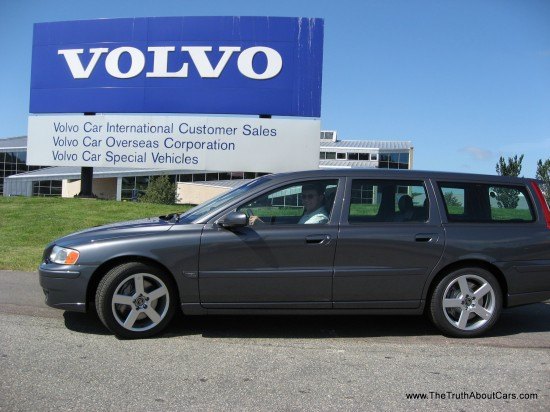
The first car I owned wasn’t very exciting – it was a 1988 Ford Aerostar that I bought from the guy down the street for $250. The paint was peeling, it was missing a seat, the air conditioning had to be re-charged every 6 months and the transmission overheated four times on my way from California to Texas. When I completed my educational sentence, I treated myself to a lightly used 1997 Eagle Vision TSi. In 2000, I was probably the youngest person to ever lease a Chrysler LHS. A few years down the road, I married into a GMC Envoy (that’s my excuse and I’m stickin’ to it.) In 2006, flush with cash from investments and a perfectly timed real estate sale, I decided it was time for a “grown-up car”.

Time To Say Goodbye

Derek Kreindler is pondering selling his lovely BRG Miata and using the funds as “a down payment on a home of my own.” *Sigh.* Here on the West Coast of Canada, I’d have had to sell my (imaginary) Aventador to pull off the same trick. Spend half-a-million bucks: get half-a-bunkbed in some split-level commune. Pot to piss in, not included.
But that’s not his point, it’s whether or not to let the First One go. The first car you paid for with your own money. That first taste of wheeled freedom. Be it ever so humble, you’ll never walk away from your first without a twinge of regret and many backwards glances.
I remember when I did it.
Capsule Review: 1985 BMW 535i
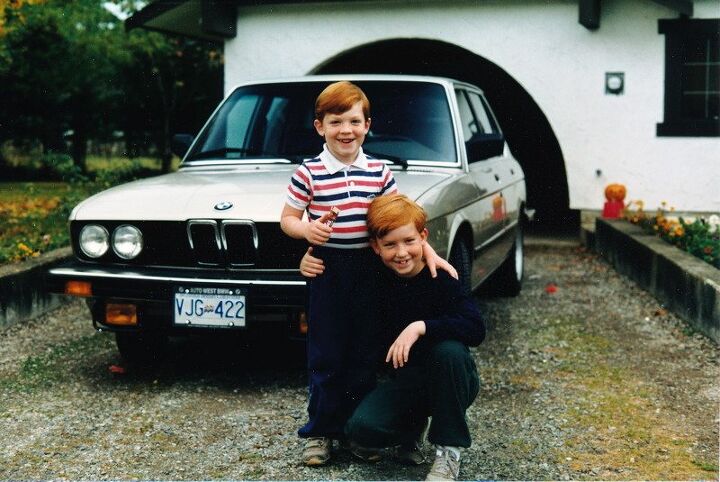
If you’d like, you can read about my father’s MGB here, or find my thoughts on our Land Rover Series III here. The first taught me of the unspoken bond a father and son can feel when working side-by-side on a restoration project. The second’s lessons were mostly about swearing.
Both cars are still in faithful-if-intermittent service, the Landie as a sort of farm tractor, the MG as the tinkerer’s delight. However, if you’ve the patience, I’d like to tell you about my dad’s real car.
These days, the oul grey fellah pilots one hell of a boulevard-strafer: a six-speed-manual E60 550i M-Sport. It’s his sechste Funfer, and marks a quarter-century of 5-series ownership. To my mind though, he only ever had one.
Automotive Aloha: 1937 Rolls-Royce, Pre-War Bentley, And A Dakine Engine

Even when on vacation, I can’t help tripping over interesting stuff. In this case, quite literally. Ouch. My toe’s still bleeding.
The Greatest- and Sexiest- Car Ad of All Time: 1980 Black Gold Datsun 280ZX!

The latest crop of Super Bowl car ads boasted some high-production-value salaciousness, but no car advertisement will ever come close to the perfection of the Quaaludes-and-disco Black Gold Man and Black Gold Woman and their gorgeous 10th Anniversary Edition 280ZX. Yes, many of you have seen this ad before, but I will not rest until all have experienced Black Gold (plus I’ve included a few Bonus Sexy Malaise Era car ads after the jump).
You Tell 'em- I Can't: 82 Years of Ward's "Ever-Ready" Motor Record Book
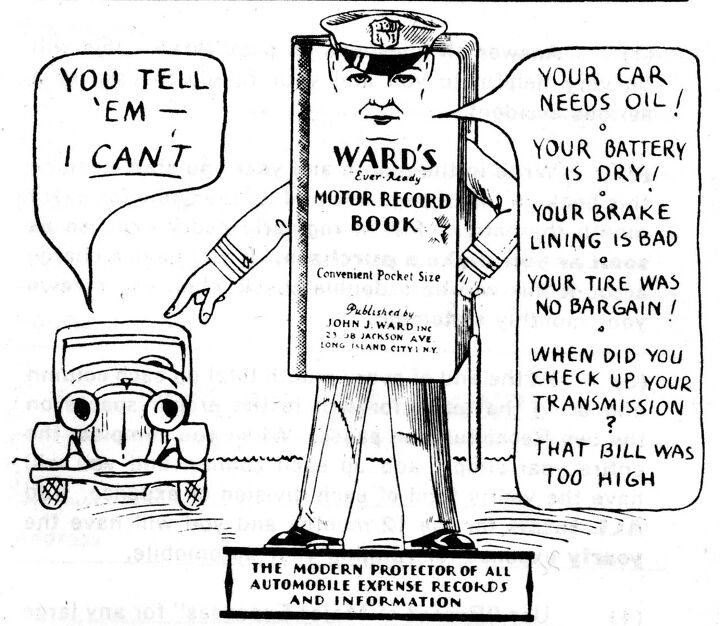
While nosing around in yesterday’s ’64 Valiant wagon Junkyard Find, I spotted this little brown book on the floor beneath the rifled-by-tow-truck-driver glovebox. It looked ancient, far older than even the 48-year-old car in which I found it… but it turns out that you can still buy the Ward’s “Ever-Ready” Motor Record Book.
Why I Hate The General Lee 'Dukes Of Hazzard' TV Star Car
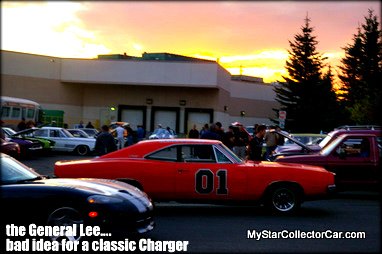
One of the most famous cars in the world is one of the most despised cars on my very short list of despised cars.
Hell – who am I kidding? I love all old cars more than most people.
But I don’t love the General Lee.

GM Down Under, 1970: And the Rollin' Wheels Are Holden!
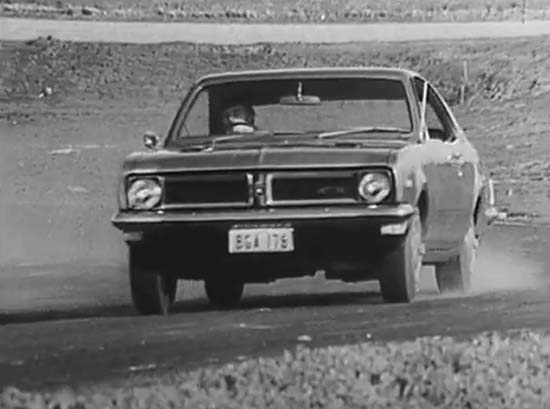
To Americans, there’s a weird mirror-world aspect to cars made by Detroit car companies in Australia; you can tell you’re looking at a GM product when you see an old Holden, for example, because you can usually spot a little Chevelle/Nova/Impala influence in the body lines, but everything just seems a little… off. Let’s watch the ’70 Holden line conquering the Outback and wowing the ladies.
My Life With A Midget

The 72 MG Midget beckoned to me from Craigslist like an opened pack of Oreos grinning from the cupboard. I ignored the wisdom of all my gearhead buddies, insisting the little yellow car would be different; it would not leak, not rust, and be as reliable as a nail.
Of course, it isn’t, it’s British. It stranded me six times, the lights don’t work and it usually requires help to start. That is life with an MG Midget.
But I was right. It is different.
Capsule Review: 1987 BMW 635CSi
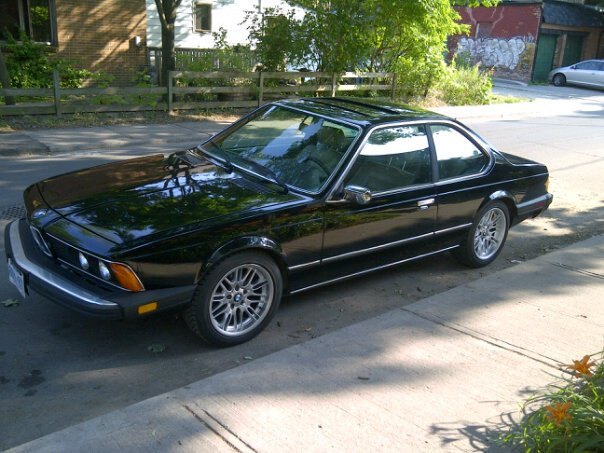
It seems unlikely that anyone in 2037 will be inclined to keep a 2012 BMW 650ci in such excellent condition as the 1987 635CSi pictured above -and even if such a thing happens, will said 650i make it that far into the future without a catastrophic electronics failure rendering it a two-ton paperweight? Although Jack and Steve have offered their own context on older cars, mine will be different. I’m still not yet legally able to rent a car on my own. This 635CSi was built before I was even born, so driving it gives me a glimpse into the past, but without the benefit (or handicap) of contemporaneous context.

The Last Muscle-Car War: Detroit Battles For Cop-Car Supremacy
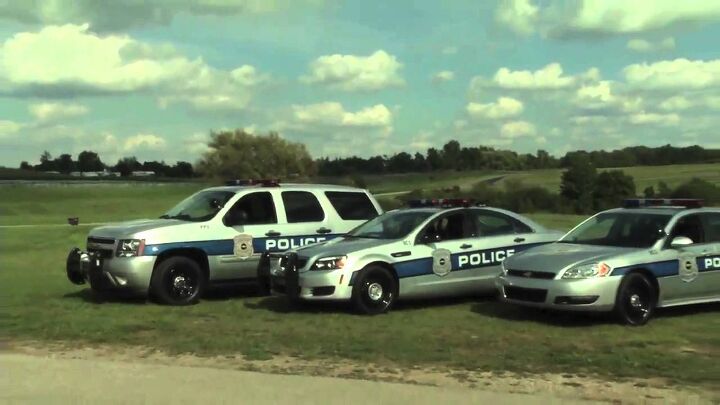
Last fall, the first tests of the new Chevy Caprice PPV, Dodge Charger Pursuit and Ford Taurus Interceptor generated quite a bit of interest here at TTAC and beyond, as three all-new contestants battled to replace the outgoing Crown Victoria as America’s cop car. At the time, the Caprice seemed like the clear performance favorite, but as Sajeev Mehta has pointed out, there’s more to the cop-car equation than pure speed. Although good luck trying to tell the Detroit Three that, as all three are cherry-picking performance stats in the wake of the latest round of Michigan State Police testing.










Recent Comments